That fleeting sensation of minty freshness, the confidence of a recently clean mouth – it’s a familiar and welcome feeling. You’ve diligently brushed, perhaps even flossed and swished, yet within what feels like mere moments, an hour or two at most, that pristine sensation begins to dissipate. A subtle, unwelcome shift occurs, leaving you wondering if your efforts were in vain, or if there's some secret to truly enduring fresh breath that perpetually eludes you. This frustrating cycle, where persistent bad breath seems to defy your most dedicated oral hygiene routines, can be incredibly disheartening, leaving you self-conscious and questioning the very efficacy of your daily habits. It’s natural to feel perplexed: if you’re following all the recommendations, why does bad breath persist?
E.g. :The Morning Mouth Mystery: Why Your Breath Betrays Your Brushing Habits
- 1、The Oral Microbiome: An Ever-Evolving Ecosystem and Chronic Bad Breath Causes
- 2、Beyond the Bristles: Overlooked Oral Hygiene Essentials and Bad Breath After Brushing
- 3、The Saliva Story: Your Mouth's Natural Cleanser for Long-Lasting Fresh Breath
- 4、Diet, Digestion, and Deeper Oral Health Dive: Systemic Influences on Breath
- 5、Challenging the Rinse-and-Repeat: Rethinking Mouthwash and Persistent Bad Breath Solutions
- 6、FAQs
The Elusive Quest for Enduring Freshness
Many assume that a good brush is the ultimate weapon against bad breath. While brushing is undeniably foundational, the truth is far more nuanced. Our oral cavity is an incredibly dynamic ecosystem, a bustling metropolis of microorganisms, and tackling persistent bad breath requires a deeper understanding of its intricate workings. It's less about a single culprit and more about a complex interplay of factors, many of which are often overlooked in our daily routines. Let’s embark on a journey to uncover these hidden culprits and empower you with a more holistic approach to lasting oral freshness.
The Oral Microbiome: An Ever-Evolving Ecosystem and Chronic Bad Breath Causes
At the heart of the matter lies our oral microbiome – a community of hundreds of species of bacteria, fungi, and viruses. Some are beneficial, others are neutral, and a subset, particularly certain anaerobic bacteria, are the primary producers of volatile sulfur compounds (VSCs), the pungent gases we associate with bad breath (or halitosis). Brushing and flossing effectively remove many of these microorganisms, along with food debris, but they don't sterilize your mouth. In fact, within minutes of cleaning, bacteria begin to repopulate surfaces. It is estimated that the oral cavity harbors over 700 species of microorganisms, and their rapid regrowth is a natural biological process. The challenge lies not in eliminating them entirely, which is neither possible nor desirable, but in managing this ecosystem to prevent the overgrowth of VSC-producing bacteria.
Beyond the Bristles: Overlooked Oral Hygiene Essentials and Bad Breath After Brushing
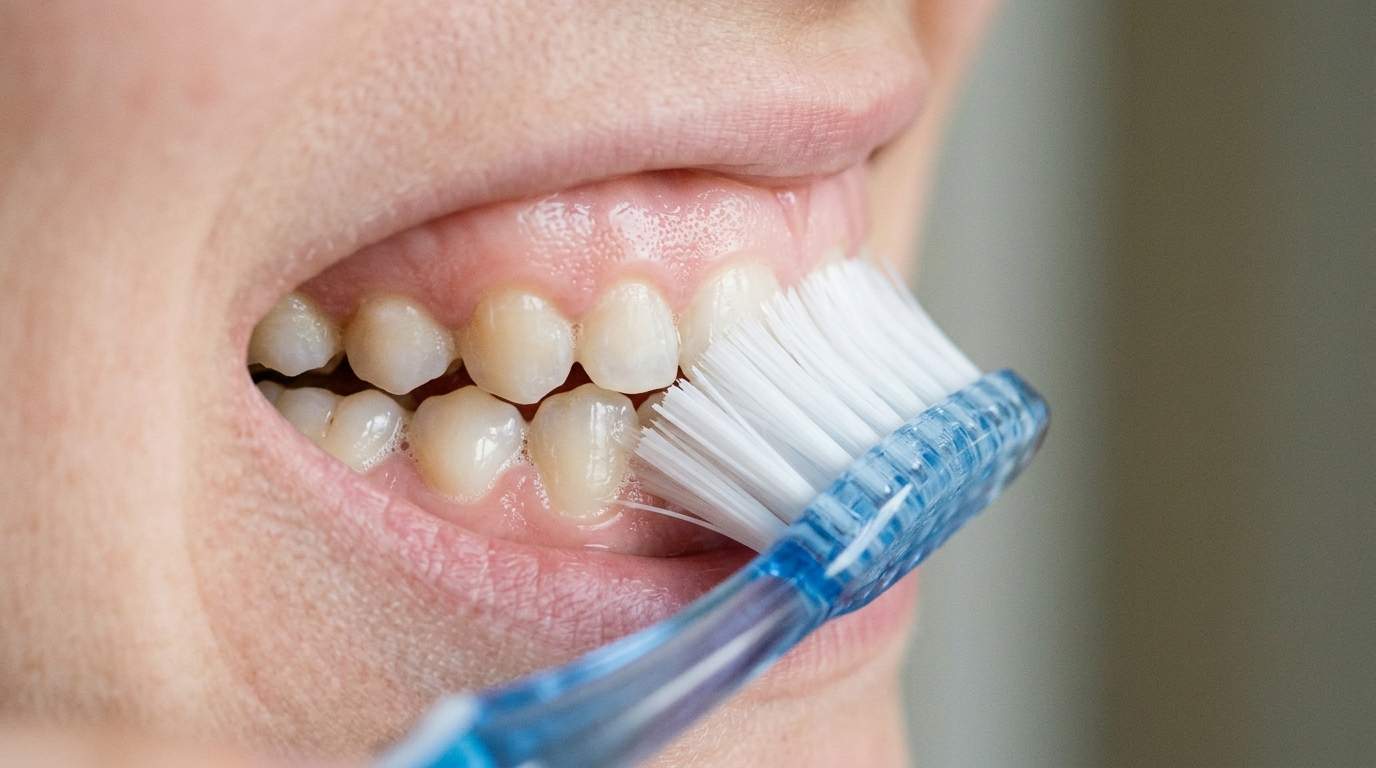
While your toothbrush is an indispensable tool, its reach is not absolute. Many individuals find their breath fading fast after brushing because they're missing key areas where bacteria thrive and food particles linger, becoming fuel for those odor-causing microbes.
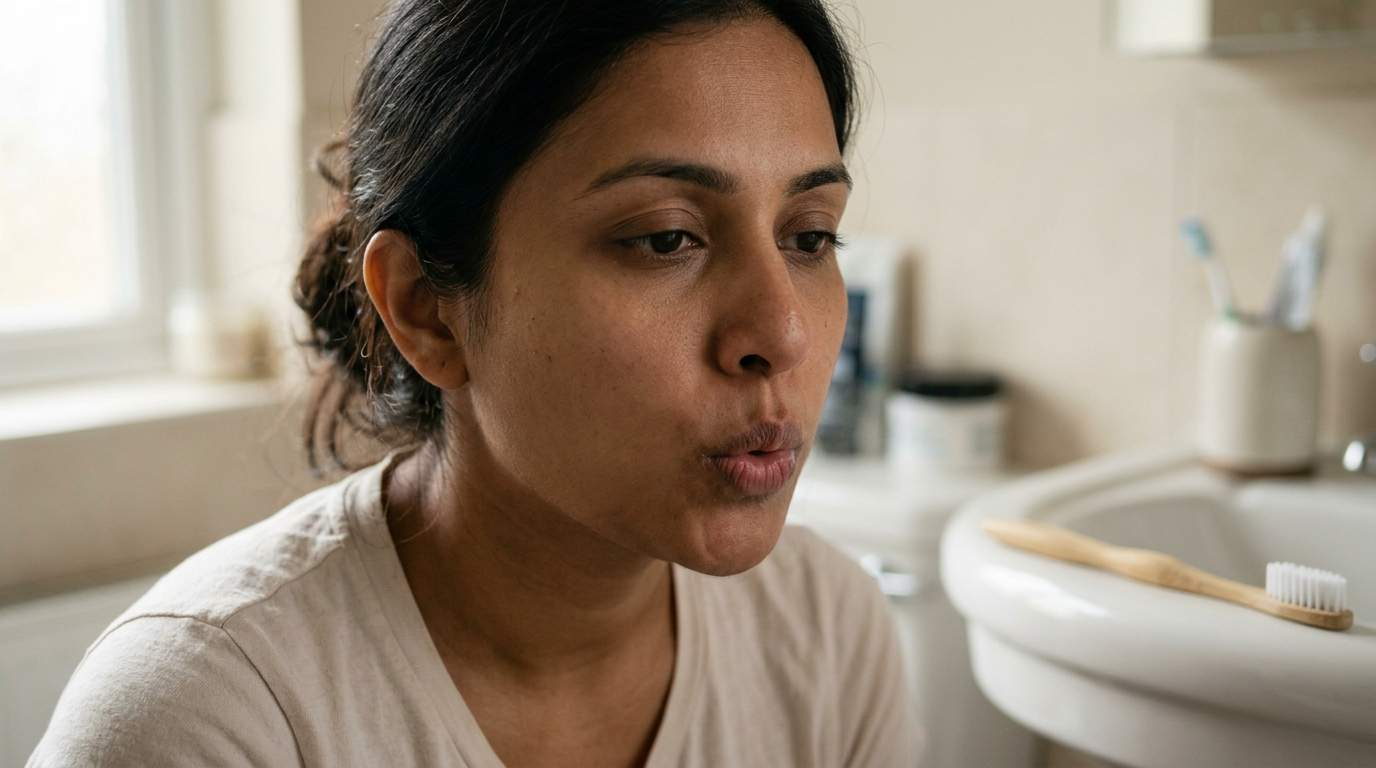
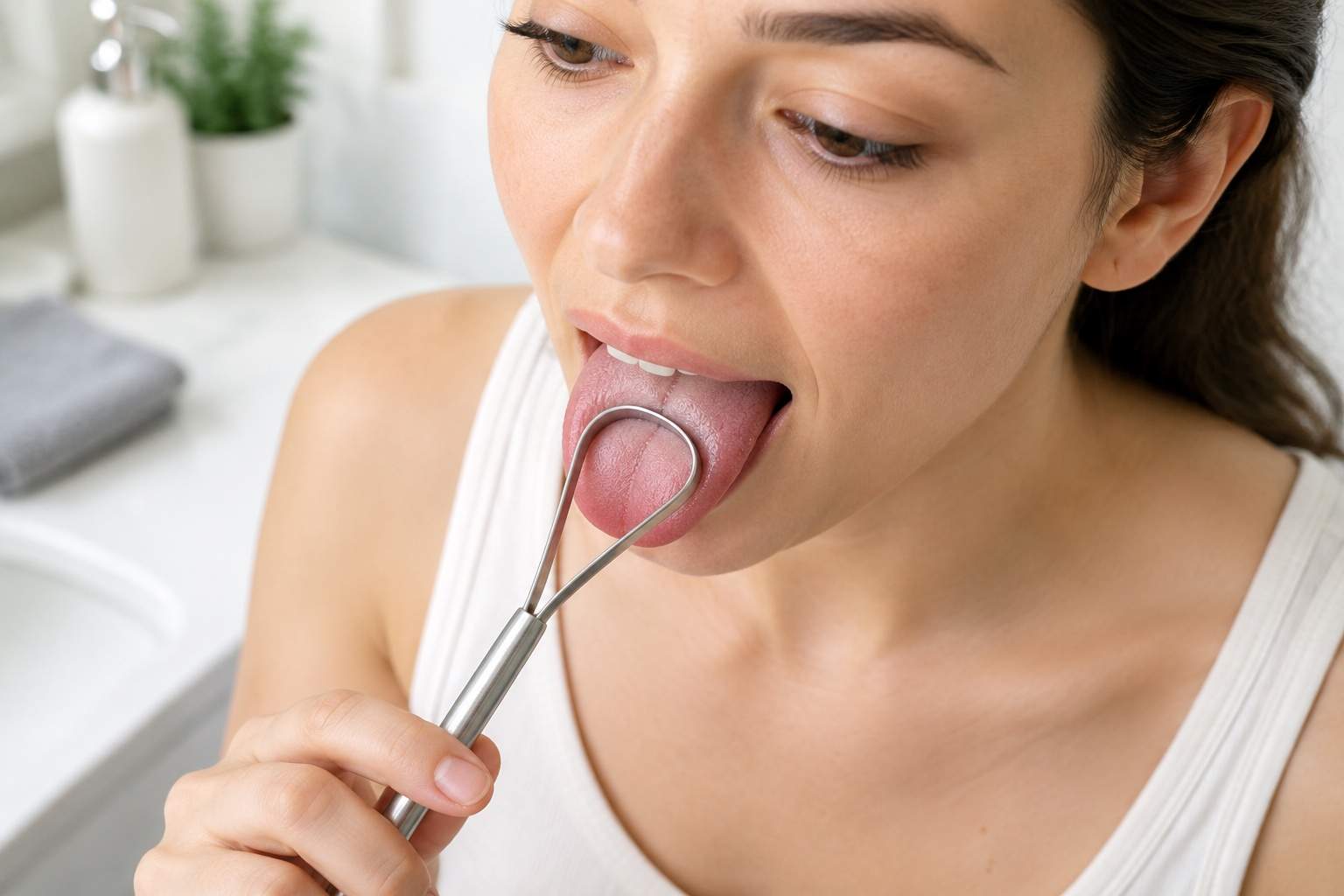
The Unsung Hero: Your Tongue
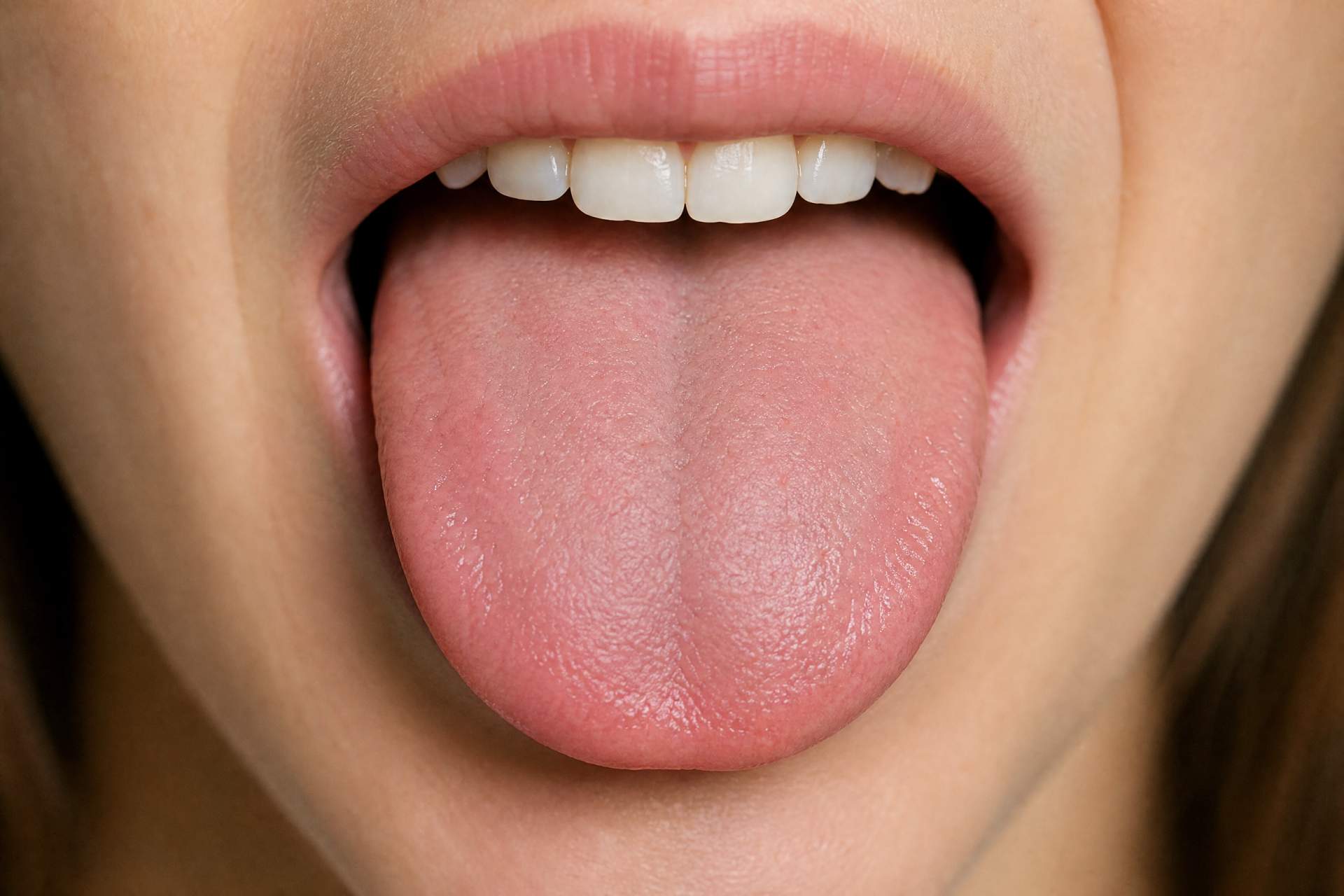
Your tongue's surface is a prime breeding ground for bacteria. Its papillae (tiny bumps) create an irregular texture, providing an ideal haven for anaerobic bacteria and trapped food debris, dead cells, and mucus. Studies consistently show that the back of the tongue harbors a significant portion – often up to 80-90% – of the bacteria responsible for VSC production. A toothbrush, while it can lightly clean the tongue, often isn't designed to effectively scrape away this biofilm.
The Interdental Zone: A Microbial Hotspot
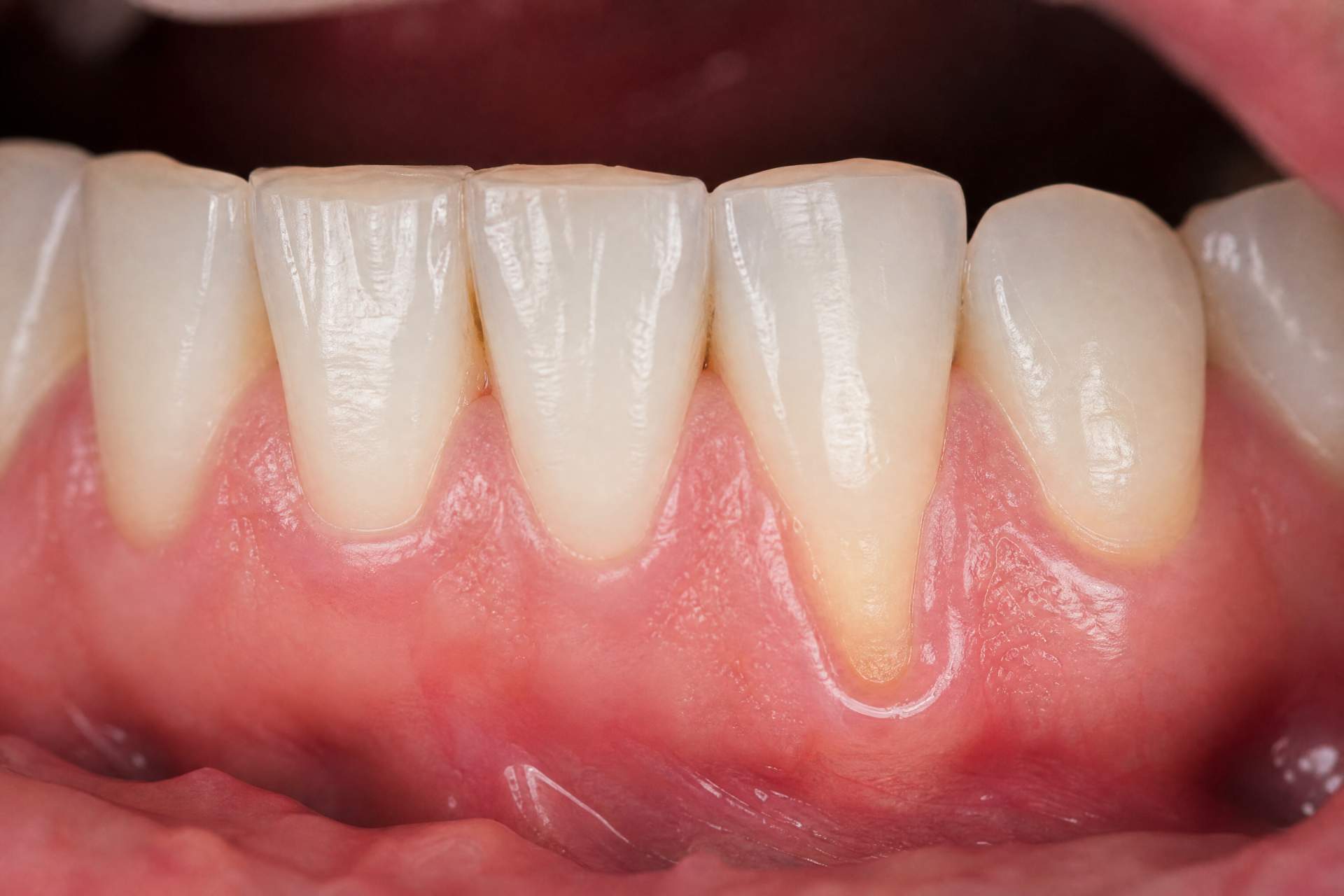
The spaces between your teeth, often referred to as the "interdental zone," are notoriously difficult for toothbrushes to reach. Food particles easily become lodged here, and plaque accumulates rapidly. This provides a protected, anaerobic environment where odor-causing bacteria can flourish, leading to the rapid return of bad breath, even after a thorough brushing. Ignoring this area is akin to cleaning only the front yard of a house while leaving the cluttered backyard to fester.
The Saliva Story: Your Mouth's Natural Cleanser for Long-Lasting Fresh Breath
Saliva is far more than just "spit"; it's a vital, often underestimated, component of our oral health and a powerful natural defense against bad breath. Saliva continually washes away food particles, dead cells, and bacteria from oral surfaces. It contains enzymes, antibodies, and minerals that help neutralize acids, repair tooth enamel, and control bacterial populations. A robust flow of saliva is your body's built-in mechanism for maintaining a healthy oral environment and ensuring long-lasting fresh breath.
When Saliva Falls Short: Dry Mouth's Role
If you experience dry mouth, or xerostomia, your body's natural cleansing mechanism is compromised. Without adequate saliva, bacteria and food debris linger, leading to an accelerated buildup of VSCs. Dry mouth can be caused by various factors, including certain medications (antihistamines, decongestants, antidepressants), dehydration, mouth breathing (especially during sleep, contributing to "morning breath"), excessive alcohol or caffeine consumption, and even certain medical conditions. It's a significant contributor to why fresh breath seems to evaporate so quickly for many.
Diet, Digestion, and Deeper Oral Health Dive: Systemic Influences on Breath
While the mouth is the primary source of bad breath for most, it’s crucial to take a deeper dive into potential systemic factors. What we consume and how our bodies process it can profoundly impact our breath, often bypassing direct oral hygiene efforts.
Certain foods, such as garlic, onions, and strong spices, contain compounds that, once digested, are absorbed into the bloodstream and then released through the lungs when we exhale. This explains why even hours after eating, and after brushing, their tell-tale aroma can persist. Similarly, conditions like acid reflux (GERD) can cause stomach acids and partially digested food particles to rise into the esophagus and oral cavity, contributing to an unpleasant odor. Uncontrolled diabetes, liver or kidney disease, and even certain respiratory infections can also manifest as distinct odors on the breath, signals that extend far beyond what a toothbrush can remedy.
Challenging the Rinse-and-Repeat: Rethinking Mouthwash and Persistent Bad Breath Solutions
Mouthwash is often seen as a quick fix, a powerful tool for instant freshness. And indeed, many mouthwashes, particularly those containing antibacterial agents, can temporarily reduce the bacterial load and mask odors. However, this is where we must challenge a common consensus: mouthwash alone is rarely a persistent bad breath solution.
Alcohol-based mouthwashes, while providing an initial "clean" feeling, can actually contribute to dry mouth in the long run, thereby exacerbating the problem they're trying to solve. Others simply mask the odor without addressing the underlying bacterial activity. While mouthwash can be a helpful adjunct, relying on it as a primary strategy without optimizing other aspects of oral hygiene and lifestyle is akin to painting over a leaky roof instead of repairing it. For truly effective bad breath solutions, the focus must be on consistent, comprehensive care that understands and manages the oral environment rather than just attempting to camouflage its symptoms.
It’s easy to feel disheartened when your best efforts seem to fall short. But understanding these hidden mechanisms – from the dynamic bacterial ballet in your mouth to the subtle influences of diet and saliva – is the first step toward genuine, lasting fresh breath. This isn't about blaming your habits, but empowering you with knowledge to refine them. Remember, your dental health journey is personal, and persistent concerns warrant a conversation with your dentist or a healthcare professional. They can provide tailored advice and rule out any underlying medical conditions, guiding you towards a truly confident, fresh-breathed future.