You're in a quiet conversation, leaning in to hear better, and a sudden wave of self-consciousness hits you: "Is my breath okay?" You quickly shift, subtly trying to gauge it without anyone noticing, wishing you weren't constantly thinking about it. Despite brushing, flossing, and even using mouthwash religiously, that embarrassing bad breath seems to return far too quickly, leaving you constantly self-conscious and wondering if your efforts are even working. You brush twice a day, floss diligently, and even swish with mouthwash. So why does that embarrassing bad breath seem to creep back so quickly, sometimes just an hour after all that effort? Could your daily mouthwash actually be making your breath worse in the long run, and is "morning breath" just a normal part of waking up, or a clear signal your oral health routine is missing something fundamental?
E.g. :The Minty Mirage: Is Your "Fresh Breath" Routine Actually Making Bad Breath Worse?
- 1、The Hidden Ecosystem: Beyond the Toothbrush's Reach
- 2、Decoding "Morning Breath": More Than Just Sleepy Saliva
- 3、Challenging the Rinse: When Mouthwash Makes Things Worse
- 4、Systemic Connections: When Your Breath Signals Deeper Health Issues
- 5、A Personalized Path: True Strategies to Get Rid of Bad Breath
- 6、FAQs
It's a common dilemma, one that affects an estimated 25-50% of adults globally at some point, yet remains a source of silent anxiety for many. The assumption is often simple: bad breath equals poor hygiene. But the truth, as we'll explore, is far more intricate, residing in the hidden ecosystems of your mouth, the subtle rhythms of your body, and sometimes, even the very products we rely on for freshness. As a health science writer with a deep appreciation for the body's subtle signals, I invite you to delve into the underlying logic of halitosis, moving beyond superficial solutions to uncover the real reasons your breath might still be telling tales.
The Hidden Ecosystem: Beyond the Toothbrush's Reach
Our mouth is a marvel, a complex environment teeming with billions of microorganisms. While brushing and flossing effectively clean the teeth, they often miss significant bacterial reservoirs that are primary contributors to unpleasant breath. These aren't just rogue bacteria; they are highly specialized anaerobic bacteria, meaning they thrive in oxygen-deprived environments, and their metabolic waste products are the true culprits.
The Tongue: A Microbial Metropolis
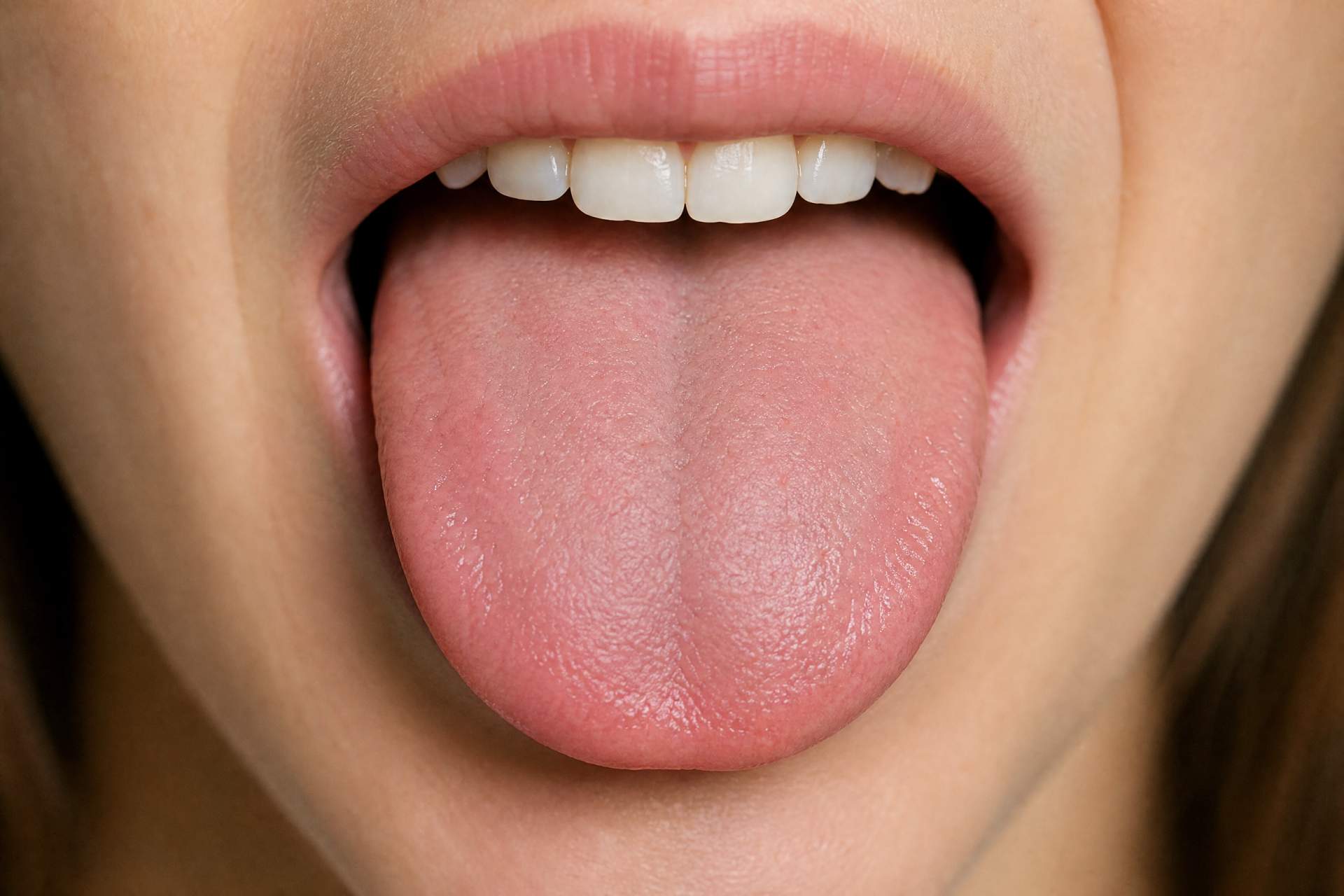
Think of your tongue as a shag carpet, not a smooth surface. Its numerous papillae create tiny crevices where food debris, dead cells, and bacteria can accumulate, forming a thick biofilm. Research consistently shows that the back of the tongue is the single most significant site for the production of Volatile Sulfur Compounds (VSCs) – the pungent gases like hydrogen sulfide (rotten eggs) and methyl mercaptan (fecal odor) that are characteristic of bad breath. A study published in the Journal of Periodontology highlighted that tongue coating is a predominant factor in halitosis for up to 90% of cases originating in the mouth. Your toothbrush, designed for smooth tooth surfaces, simply isn't engineered to effectively clean this complex landscape.
Subgingival Secrets: Bacteria Beneath the Gumline
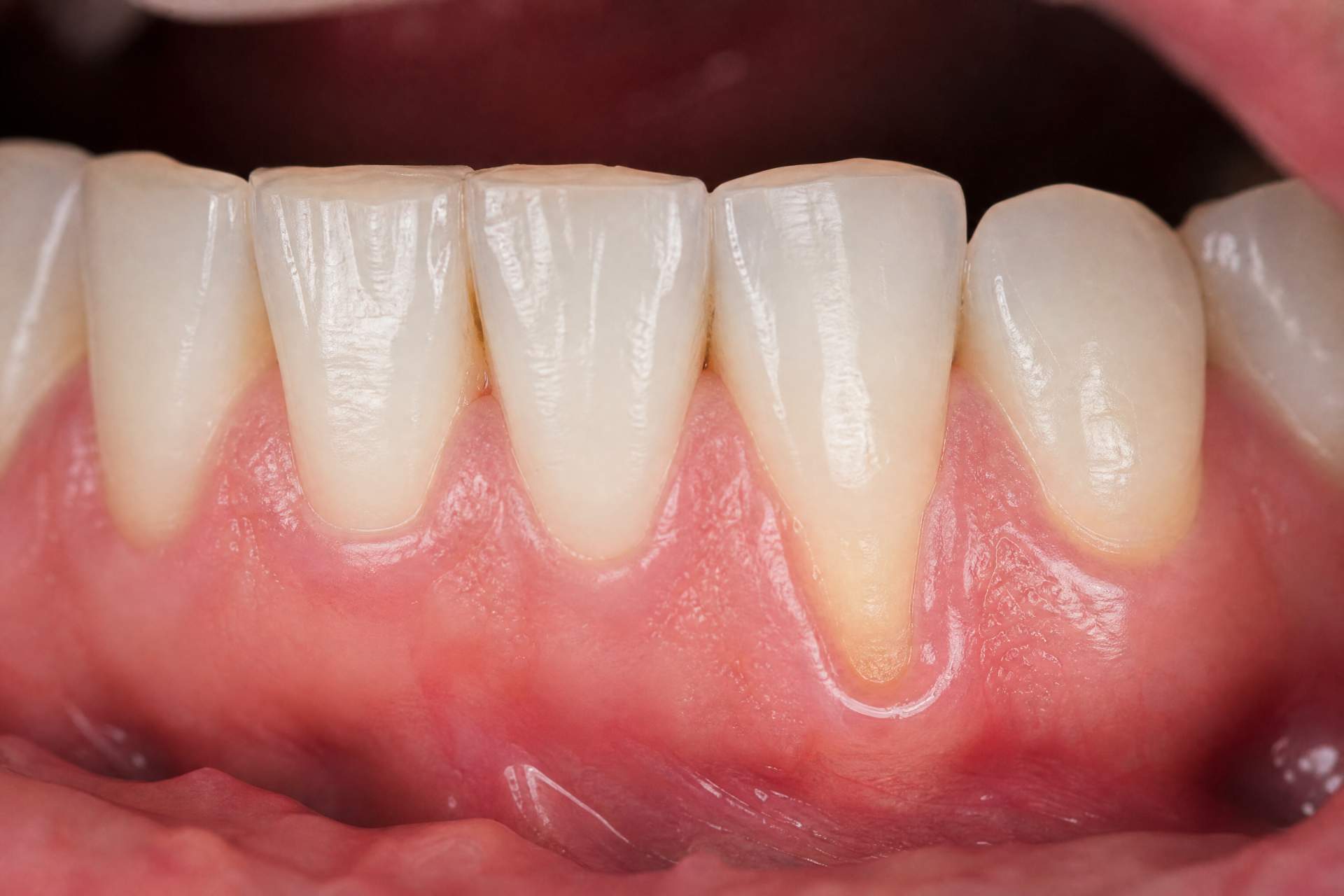
While less common than tongue-related halitosis, bacteria living in the periodontal pockets (the space between your teeth and gums) can also produce VSCs. If you have gingivitis or periodontitis, these anaerobic bacteria proliferate in the deeper, oxygen-poor environments around the roots of your teeth. Even diligent brushing can't reach these areas effectively, underscoring the critical role of flossing and professional dental cleanings in managing these hidden sources of odor.
Decoding "Morning Breath": More Than Just Sleepy Saliva
"Morning breath" is often dismissed as an unavoidable part of waking up. While it's true that saliva production naturally decreases during sleep, creating a drier oral environment where odor-causing bacteria can flourish, persistent or particularly strong morning breath can be a significant indicator of underlying issues that extend beyond simple overnight dryness.
The Dry Mouth Dilemma (Xerostomia)
Saliva is your mouth's natural defense mechanism. It washes away food particles, neutralizes acids, and contains enzymes that kill bacteria. When saliva flow is significantly reduced – a condition known as xerostomia, or dry mouth – the mouth's natural cleansing action is severely compromised. This allows odor-producing bacteria to multiply unchecked. Chronic dry mouth can be caused by various factors, including certain medications (antihistamines, antidepressants, diuretics), medical conditions (Sjögren's syndrome, diabetes), mouth breathing, and even stress. If your morning breath is consistently potent, and you frequently feel a dry or sticky sensation in your mouth, it's a clear signal to investigate xerostomia.
Challenging the Rinse: When Mouthwash Makes Things Worse
Many of us reach for mouthwash seeking a quick fix, a powerful blast of minty freshness. However, this common strategy can, ironically, exacerbate the problem in the long run. Not all mouthwashes are created equal, and some formulations can disrupt the delicate balance of your oral microbiome.
Mouthwashes containing alcohol, for example, can be extremely drying. While they kill bacteria in the short term, the subsequent reduction in saliva flow creates an ideal environment for the return of odor-causing bacteria, often leading to a rebound effect where bad breath feels worse a few hours later. Furthermore, broad-spectrum antimicrobial mouthwashes, while effective against some bacteria, can indiscriminately wipe out beneficial bacteria alongside the harmful ones, potentially leading to an imbalance that favors odor-producers or even fungal overgrowth. As published in the British Dental Journal, the overuse of certain antiseptic mouthwashes may alter the oral flora and even stain teeth, suggesting a nuanced approach is necessary.
Systemic Connections: When Your Breath Signals Deeper Health Issues
While the vast majority of bad breath originates in the mouth, a smaller but significant percentage stems from systemic health conditions. Your breath can act as a subtle barometer, signaling issues far beyond your oral cavity.
Conditions like chronic sinusitis, tonsil stones (tonsilloliths), respiratory tract infections, and even gastrointestinal disorders (such as GERD or H. pylori infection) can all contribute to halitosis. Furthermore, metabolic diseases like uncontrolled diabetes can produce a distinct, fruity or acetone-like breath odor, while severe kidney or liver disease can manifest with fishy or ammonia-like smells. Medications, as mentioned earlier, can also induce dry mouth, indirectly contributing to the problem. Understanding these systemic links is crucial; sometimes, the solution to persistent bad breath lies not in more brushing, but in addressing an underlying medical condition.
A Personalized Path: True Strategies to Get Rid of Bad Breath
Given the multifaceted nature of bad breath, a one-size-fits-all approach is rarely effective. True, lasting freshness requires a targeted, informed strategy that delves into the root causes.
The Power of Professional Assessment
The first and most critical step in effectively combating persistent bad breath is a professional evaluation. A dental professional, or even a specialized halitosis clinic, can accurately diagnose the source of the odor. They can perform an oral examination, assess your tongue coating, check for periodontal disease, and sometimes even conduct specific tests to measure VSC levels in your breath. They can also take a detailed medical history to identify any systemic contributors. For example, a study in the Journal of Oral Maxillofacial Surgery indicated that dentists are often the first healthcare providers to identify systemic conditions through oral manifestations, including persistent halitosis.
Rebalancing Your Oral Microbiome
Effective strategies often involve rebalancing your oral microbiome and optimizing your oral environment. This includes:
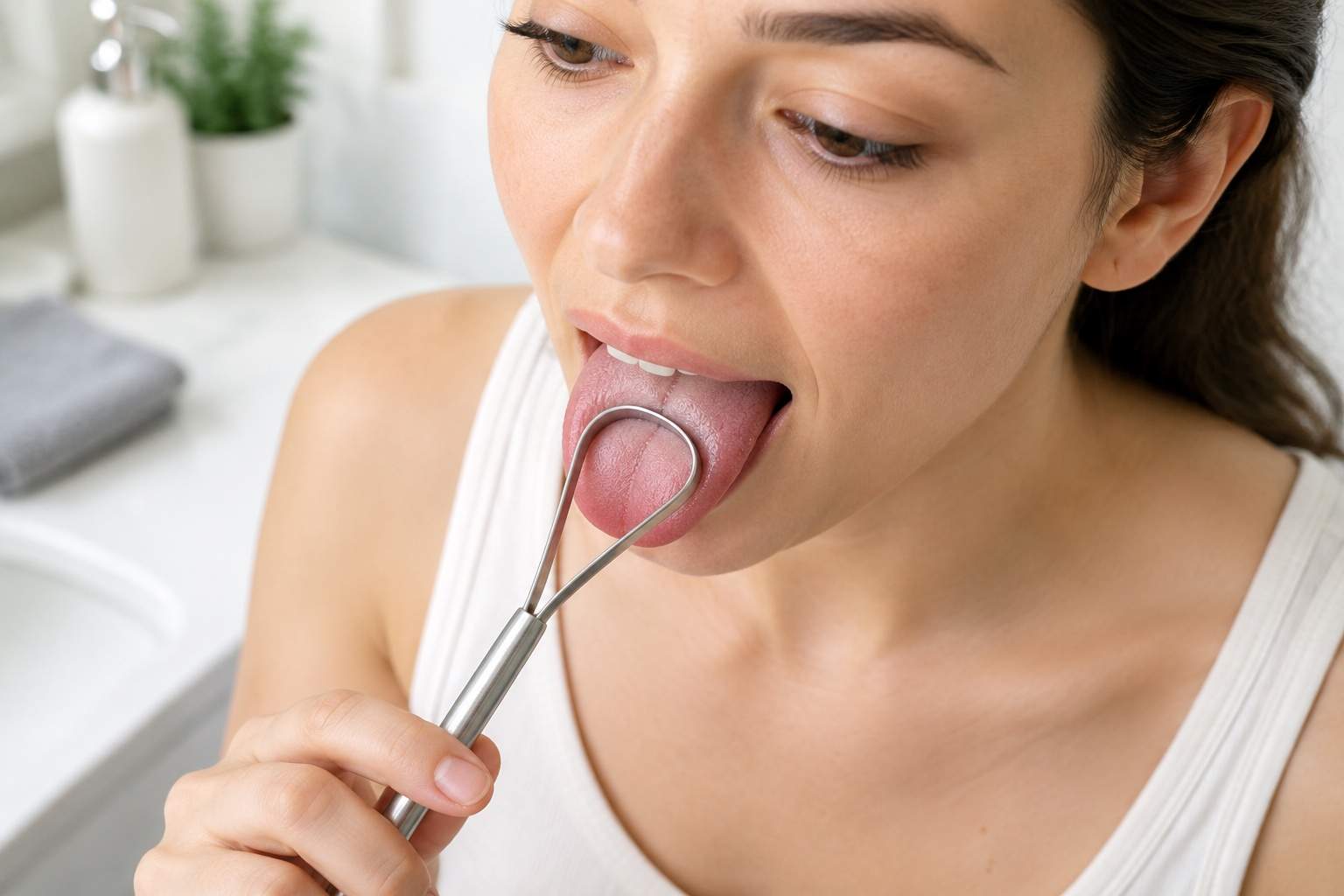
- Daily Tongue Cleaning: Incorporate a tongue scraper into your routine. This is far more effective than a toothbrush at removing the bacterial film from the tongue's surface.
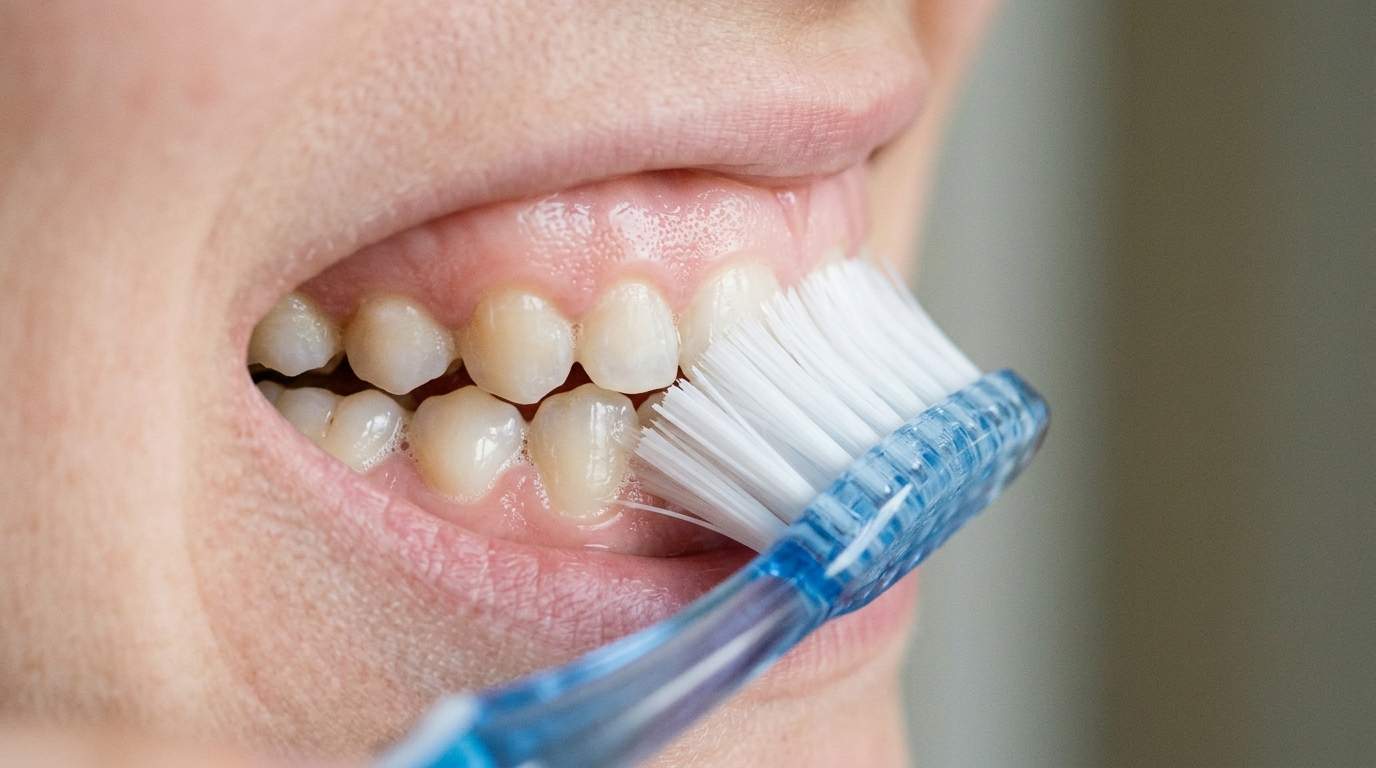
- Optimal Oral Hygiene: Consistent and correct brushing (twice daily for two minutes) and flossing (at least once daily) remain foundational, targeting both teeth and gumline.
- Hydration and Saliva Stimulation: Drink plenty of water throughout the day. For dry mouth, consider sugar-free chewing gum or lozenges to stimulate saliva flow, or discuss saliva substitutes with your dentist.
- Mindful Mouthwash Use: If you use mouthwash, choose an alcohol-free, non-drying formula designed to neutralize VSCs rather than just mask them or indiscriminately kill bacteria.
- Address Systemic Issues: Work with your doctor to manage any underlying medical conditions or review medications that might be contributing to dry mouth or unique breath odors.
Embracing this deeper understanding of your oral and overall health is the path to truly banishing persistent bad breath. It's about moving beyond superficial fixes to cultivate a balanced, healthy internal environment – a journey toward confidence and well-being.