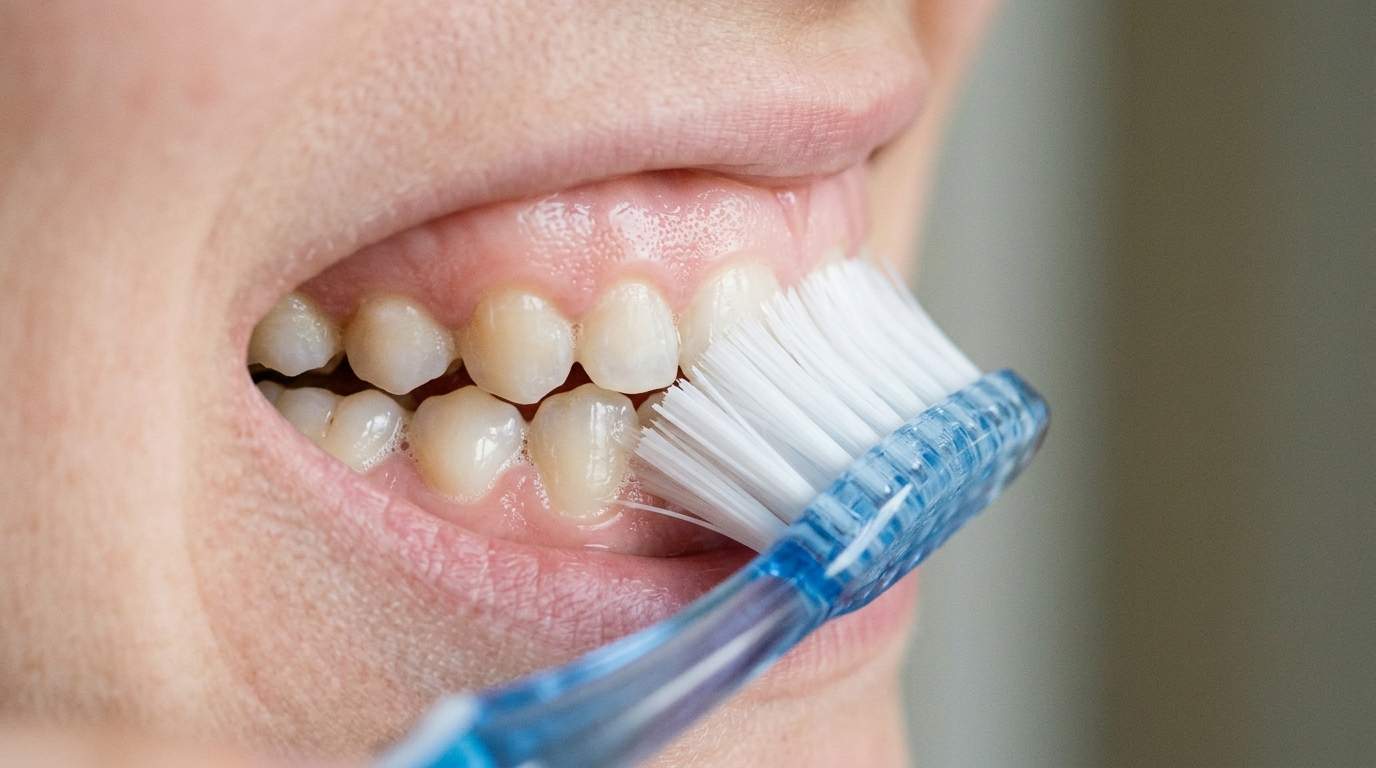
Have you ever experienced that familiar feeling of defeat? You've just finished your meticulous daily ritual – the two-minute brush, the thorough flossing, perhaps even a swish of mouthwash – only to find that within a couple of hours, an unwelcome staleness creeps back into your mouth. The frustration is palpable, a silent question echoing: If I'm doing everything right, why does this keep happening? For many, this isn't just an occasional inconvenience; it’s a persistent cycle of self-consciousness, leading to an endless search for temporary fixes like gum or mints, never quite reaching the true source of the problem.
E.g. :The Morning Mouth Mystery: Why Your Breath Betrays Your Brushing Habits
- 1、The Unseen Culprits: Beyond Surface Cleanliness
- 2、The Mouthwash Maze: Are You Trapped in a Cycle?
- 3、Digestive Distress and Systemic Signals: More Than Just Your Mouth
- 4、The Dietary Dilemma: Fueling the Fumes
- 5、Reclaiming Your Breath: A Holistic Approach to Halitosis Treatment
- 6、FAQs
This common dilemma challenges a fundamental assumption: that diligent oral hygiene alone is the impenetrable fortress against bad breath. While brushing and flossing are undeniably crucial cornerstones of oral health, providing the foundational defense against plaque and food debris, the science of halitosis reveals a more nuanced picture. Merely cleaning your teeth, however meticulously, doesn't guarantee enduring fresh breath. The mouth is a complex ecosystem, and persistent bad breath, or halitosis, often signals underlying factors that extend beyond surface-level cleanliness. Let's delve into why your well-intentioned routine might, paradoxically, be part of the trap.
The Unseen Culprits: Beyond Surface Cleanliness
The battle for fresh breath isn't solely waged on the smooth surfaces of your teeth. The oral cavity is a bustling metropolis of bacteria, some beneficial, others less so, and their activity on overlooked surfaces can be the primary engine of halitosis.
The Tongue's Hidden Role
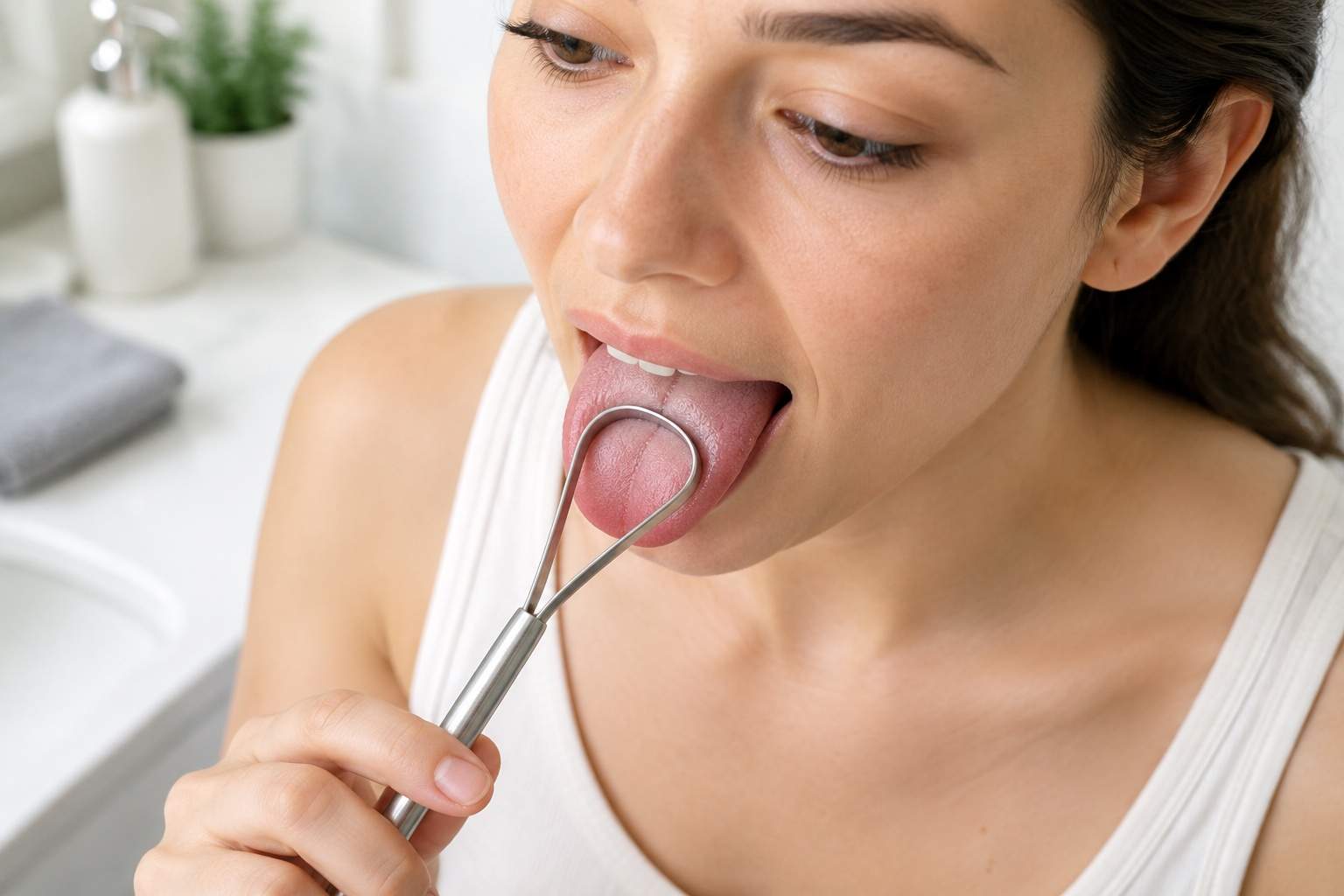
One of the most frequently underestimated areas is the tongue. Its rough, porous surface is an ideal breeding ground for bacteria, food particles, and dead cells to accumulate, forming a thick biofilm. Studies, including those cited in the Journal of Dental Research, consistently show that a significant portion—often upwards of 80%—of halitosis cases originate from the bacterial activity on the dorsal surface of the tongue. These anaerobic bacteria break down proteins, releasing volatile sulfur compounds (VSCs) like hydrogen sulfide and methyl mercaptan, which are the primary constituents of bad breath. Your toothbrush, while effective for teeth, often falls short in thoroughly cleaning this microbial reservoir.

Dry Mouth: A Silent Destroyer
Saliva is nature's mouthwash. It constantly cleanses the mouth, washing away food particles and bacteria, and neutralizing acids. When saliva production decreases, a condition known as xerostomia or dry mouth, this natural cleansing mechanism is impaired. Bacteria proliferate more easily, and the concentration of VSCs increases dramatically. Many factors can contribute to dry mouth, including certain medications (antihistamines, antidepressants, blood pressure drugs), medical conditions (Sjögren's syndrome, diabetes), mouth breathing, and even the excessive use of alcohol-based mouthwashes. If your mouth consistently feels parched, it's a silent signal that your fresh breath efforts might be undermined.
The Mouthwash Maze: Are You Trapped in a Cycle?
For many, mouthwash is the final, refreshing flourish of their oral hygiene routine, promising instant fresh breath. But this quick fix can be a double-edged sword, and in some cases, a significant contributor to the very problem it claims to solve.
Traditional, alcohol-based mouthwashes are designed to kill bacteria indiscriminately. While they temporarily reduce odor-causing microbes, their high alcohol content can severely dry out the mouth. As discussed, a dry mouth creates an even more favorable environment for the rebound growth of anaerobic, odor-producing bacteria. It's a vicious cycle: you use mouthwash for fresh breath, it dries your mouth, bad breath returns more aggressively, leading you to use more mouthwash. This "kill everything" approach also disrupts the delicate balance of your oral microbiome, potentially eliminating beneficial bacteria that help keep pathogens in check.
Digestive Distress and Systemic Signals: More Than Just Your Mouth
Sometimes, the source of bad breath isn't even in the mouth itself. The human body is an interconnected system, and persistent halitosis can be a canary in the coal mine, signaling issues elsewhere.
Gastrointestinal Links
Conditions affecting the digestive system can manifest as breath odors. Gastroesophageal Reflux Disease (GERD), for example, allows stomach acids and partially digested food to reflux into the esophagus and mouth, leading to a sour or foul breath. Other less common but significant systemic conditions like kidney disease, liver failure, or uncontrolled diabetes can also produce distinct, often fruity or fishy, breath odors due to metabolic byproducts circulating in the bloodstream and exhaled through the lungs. This highlights why a persistent problem requires a comprehensive assessment, often beyond what a toothbrush alone can address.
The Dietary Dilemma: Fueling the Fumes
What you eat and drink profoundly impacts not only your overall health but also your breath. Certain foods are notorious for their immediate impact, while dietary patterns can contribute to long-term issues.
Foods like garlic, onions, and strong spices contain sulfur compounds that, once digested, are absorbed into the bloodstream and then released through the lungs, affecting your breath for hours. But beyond these obvious culprits, a diet high in sugar and refined carbohydrates fuels the growth of odor-producing bacteria in the mouth. These bacteria thrive on sugar, producing acids that contribute to tooth decay and VSCs that contribute to bad breath. Dehydration, often linked to insufficient water intake, also exacerbates breath issues by reducing saliva flow.
Reclaiming Your Breath: A Holistic Approach to Halitosis Treatment
Breaking free from the "fresh breath trap" requires a shift in perspective, moving beyond temporary fixes to embrace a holistic and informed approach to oral and general health.
Rethinking Your Routine
Start by refining your oral hygiene tools and techniques. Integrate a tongue scraper into your daily routine; gently scrape from back to front to remove the bacterial biofilm. Consider switching to an alcohol-free mouthwash or, better yet, rinse with plain water or a saline solution after meals. Prioritize hydration by drinking plenty of water throughout the day. Review your diet, reducing sugary snacks and drinks, and being mindful of potent odor-causing foods.
Seeking Expert Guidance
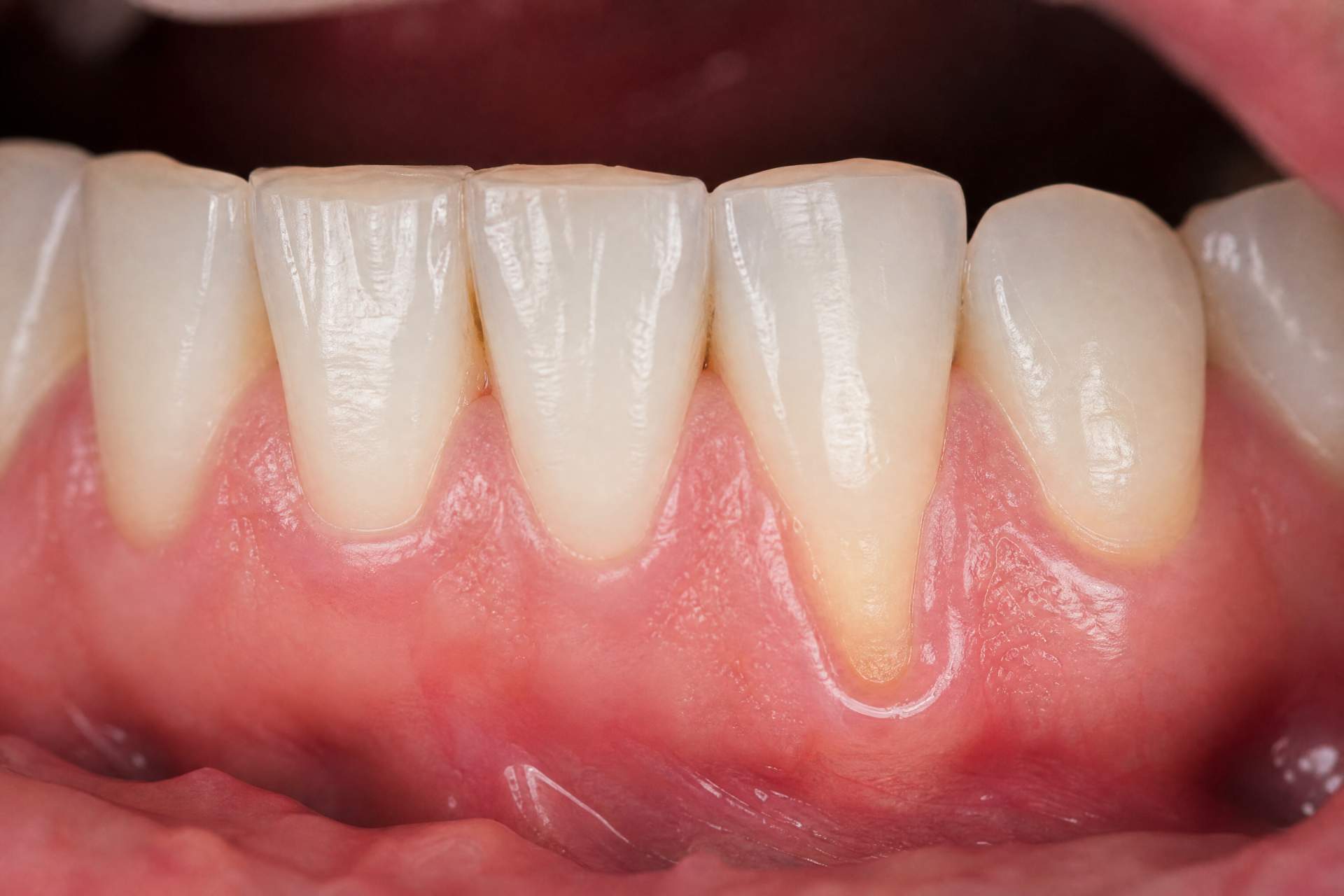
If persistent bad breath continues despite these adjustments, it's crucial to seek professional help. Your dentist can perform a thorough examination, identify potential oral causes like gum disease, or dental infections, and recommend specific halitosis treatment strategies. If no oral cause is found, they might refer you to a physician to investigate systemic issues such as GERD, sinus infections, or other underlying health conditions. Remember, acknowledging the problem and seeking help is the first step toward genuine and lasting fresh breath, transforming frustration into confidence.