Picture this quiet moment. You wake up with the first rays of light, step into the bathroom, and diligently brush your teeth for a full two minutes. You even rinse with a pungent, minty wash, feeling confident that you have conquered the morning. Yet, as you sit down for your first team meeting just a couple of hours later, a familiar stale taste coats your tongue, and a quiet wave of self-consciousness washes over you as you wonder if the person across the table can smell it too. You are not alone in this frustrating daily cycle, and the reason it happens goes far deeper than a missed brushing technique.
E.g. :The Lingering Whisper: Decoding Your Mouth's Morning Mystery (and the Path to Lasting Freshness)
- 1、The Anatomy of Bad Breath Causes Beyond the Surface
- 2、Why Your Morning Brushing Routine Fails to Stop Morning Breath
- 3、Is Your Alcohol Based Mouthwash Making Dry Mouth and Odor Worse
- 4、The Truth About Tongue Scraping and Why the Smell Returns by Noon
- 5、How to Get Rid of Bad Breath Permanently Using a Root Cause Approach
- 6、FAQs
The Anatomy of Bad Breath Causes Beyond the Surface
To understand why morning breath lingers, we must first look at what happens inside the oral cavity while we sleep. According to the American Dental Association, roughly 80 percent of persistent oral malodor originates from intraoral factors, primarily bacterial accumulation. Your mouth is a complex ecosystem teeming with hundreds of microbial species. While many are harmless or beneficial, certain anaerobic bacteria thrive in oxygen-deprived environments. As these microorganisms break down stray food particles, proteins, and cellular debris, they release volatile sulfur compounds. These gases smell distinctively like rotten eggs or sulfur, and they are the true culprits behind halitosis.
Why Your Morning Brushing Routine Fails to Stop Morning Breath
The Nocturnal Saliva Drought
During the day, saliva acts as your mouth's natural cleansing river. It contains antimicrobial enzymes, washes away food debris, and helps neutralize acids. However, when you drift off to sleep, your salivary glands dramatically reduce their output. This physiological slowdown creates a dry, stagnant environment. Anaerobic bacteria multiply rapidly in the absence of flowing saliva, producing an abundance of sulfur compounds overnight that a quick two-minute morning brush simply cannot erase from the deeper recesses of the mouth.
The Limitations of Traditional Toothbrushes
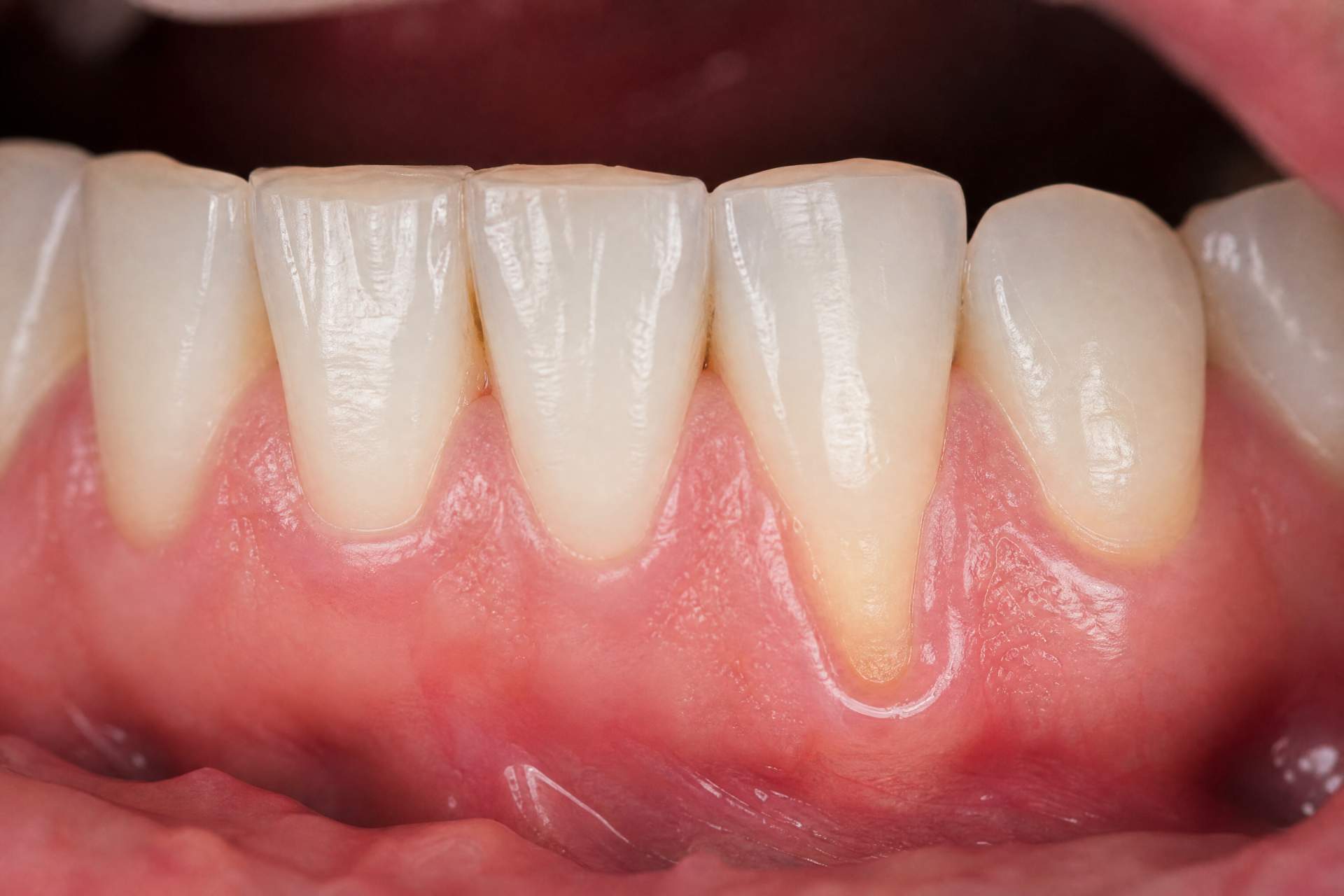
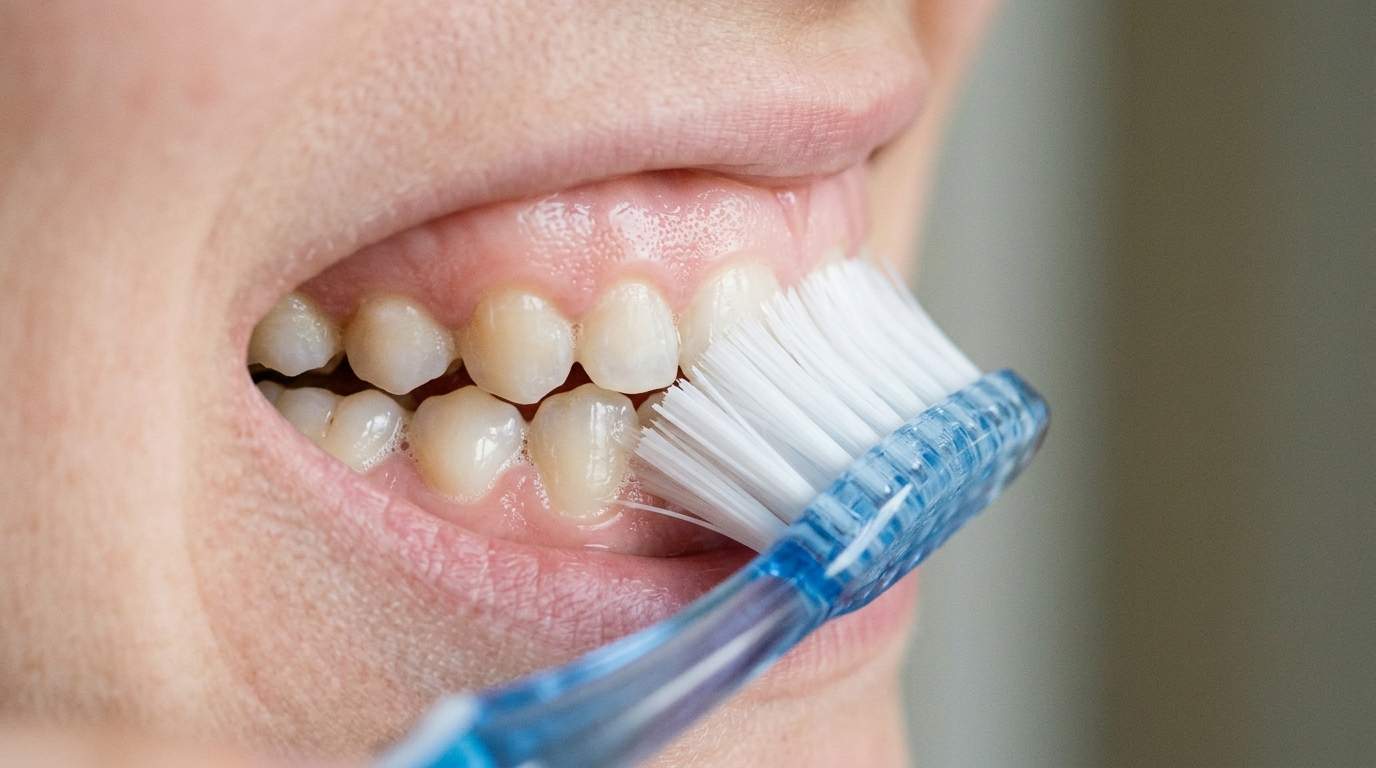
A standard toothbrush is expertly designed to clean the hard enamel surfaces of your teeth, but teeth make up only about 25 percent of your total mouth surface. The remaining three quarters consist of your tongue, the inner cheeks, and the soft tissues of the gums. Brushing your teeth does nothing to disrupt the dense microbial biofilms clinging to these softer surfaces, leaving the primary source of odor completely untouched.

Is Your Alcohol Based Mouthwash Making Dry Mouth and Odor Worse
Many people turn to harsh, alcohol-based mouthwashes hoping to scorch away bad breath, but this conventional approach often backfires. Alcohol acts as a drying agent, stripping the oral mucosa of its natural moisture. By dehydrating the mouth, an alcohol-based rinse creates the exact dry conditions that anaerobic bacteria love. Research published in the Journal of Clinical Periodontology indicates that high-alcohol mouth rinses can temporarily reduce microbial counts, but they ultimately exacerbate xerostomia, leading to a rebound effect in odor-producing bacteria within just a few hours.
The Truth About Tongue Scraping and Why the Smell Returns by Noon
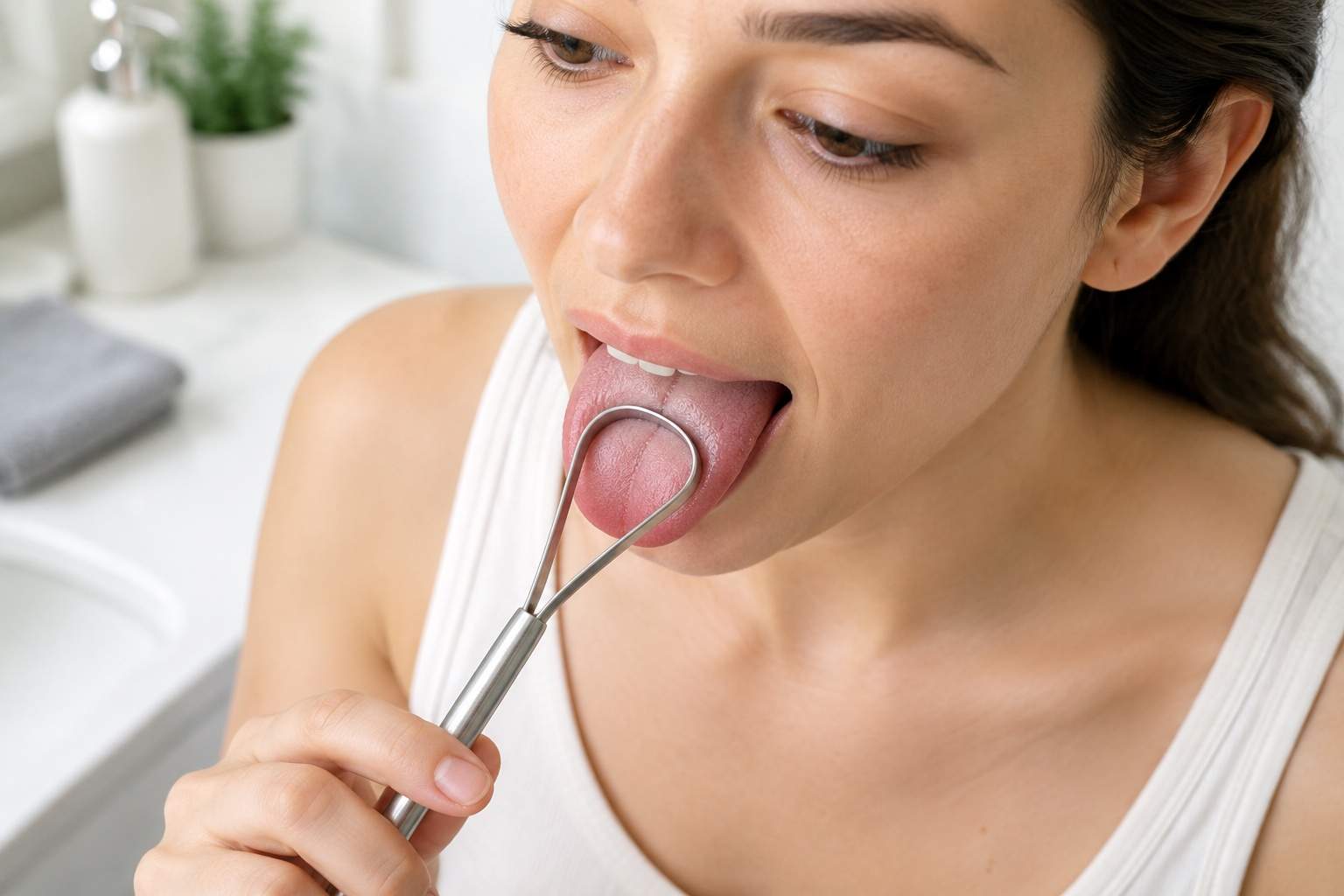
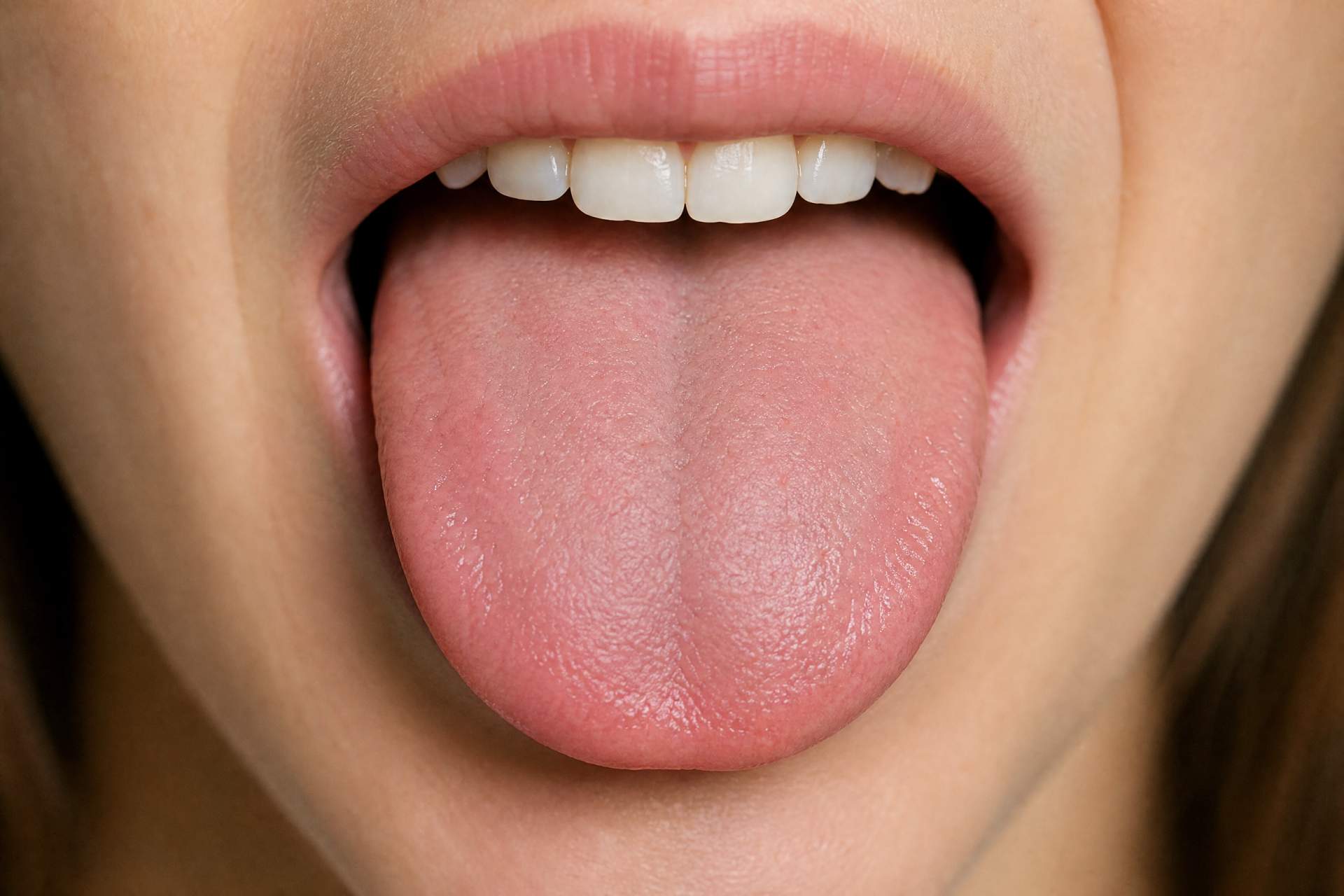
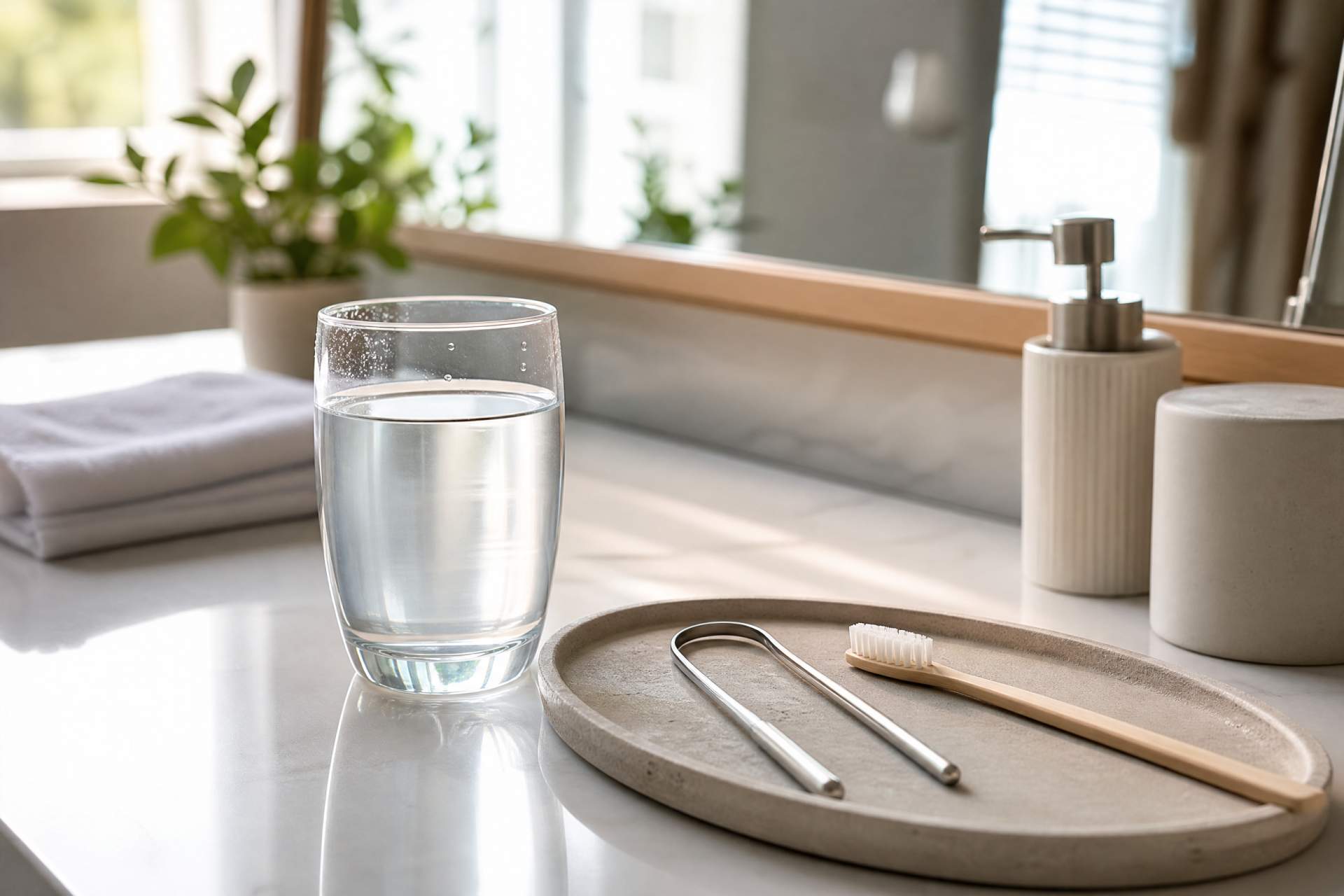
Consider Sarah, a 34-year-old marketing executive who prided herself on impeccable oral hygiene. Despite brushing, flossing, and using mints throughout the morning, she noticed her breath souring by midday. When she finally incorporated a gentle tongue scraping routine, she was shocked by the yellowish residue removed from the back of her tongue. The tongue is covered in microscopic papillae and crypts that trap dead cells, mucus, and bacteria. Even if you scrape your tongue in the morning, ongoing post-nasal drip, shedding epithelial cells, and continuous bacterial metabolic activity mean that new microscopic debris accumulates by noon, restarting the odor cycle.
How to Get Rid of Bad Breath Permanently Using a Root Cause Approach
Achieving long-lasting freshness requires shifting from a masking strategy to a root-cause management plan. First, upgrade your daily ritual by integrating a dedicated cleaning tool for the soft tissues of the mouth, followed by a targeted rinse that protects the oral microbiome rather than destroying it. Second, address hydration at a cellular level by drinking adequate water throughout the day to stimulate natural saliva flow. Finally, support your systemic health by evaluating dietary factors and gut health, ensuring that your body maintains the internal balance necessary for truly fresh, confident breath from morning until night.