It's a familiar scenario for many: you've diligently brushed and flossed, perhaps even followed up with a swish of mouthwash. Yet, within an hour or two, that pristine feeling begins to fade. A subtle, almost imperceptible "off" sensation creeps back, making you subtly check your breath or shy away from close conversations. This lingering unease, this "freshness enigma," can be profoundly frustrating, leaving you questioning your routine and even your very understanding of oral health. If your dentist consistently gives your teeth and gums a clean bill of health, where else could this persistent challenge possibly originate? The answer, as we'll explore, lies far beyond the bristles of your toothbrush.
E.g. :Beyond Minty Masks: Why Your "Fresh Breath" Efforts Might Be Failing (and What Really Works)
- 1、Beyond the Bristles: Unmasking Halitosis Causes
- 2、The Unseen Battle: Systemic Roots of Unfresh Breath
- 3、Reclaiming Your Confidence: Effective Bad Breath Remedies
- 4、Challenging Conventional Wisdom: Mouthwash and the Microbiome
- 5、When to Seek Expert Guidance: Your Dental Health Partner
Beyond the Bristles: Unmasking Halitosis Causes
The scientific term for persistent bad breath is halitosis, and while often attributed solely to poor oral hygiene, its origins are far more nuanced. While neglected brushing and flossing certainly allow food particles and bacteria to thrive, leading to volatile sulfur compounds (VSCs) – the primary culprits behind bad odor – this is just one piece of the puzzle. For those who maintain rigorous oral care, the causes often point to less obvious, yet equally significant, factors within the mouth itself.
The Oral Microbiome: A Complex Ecosystem
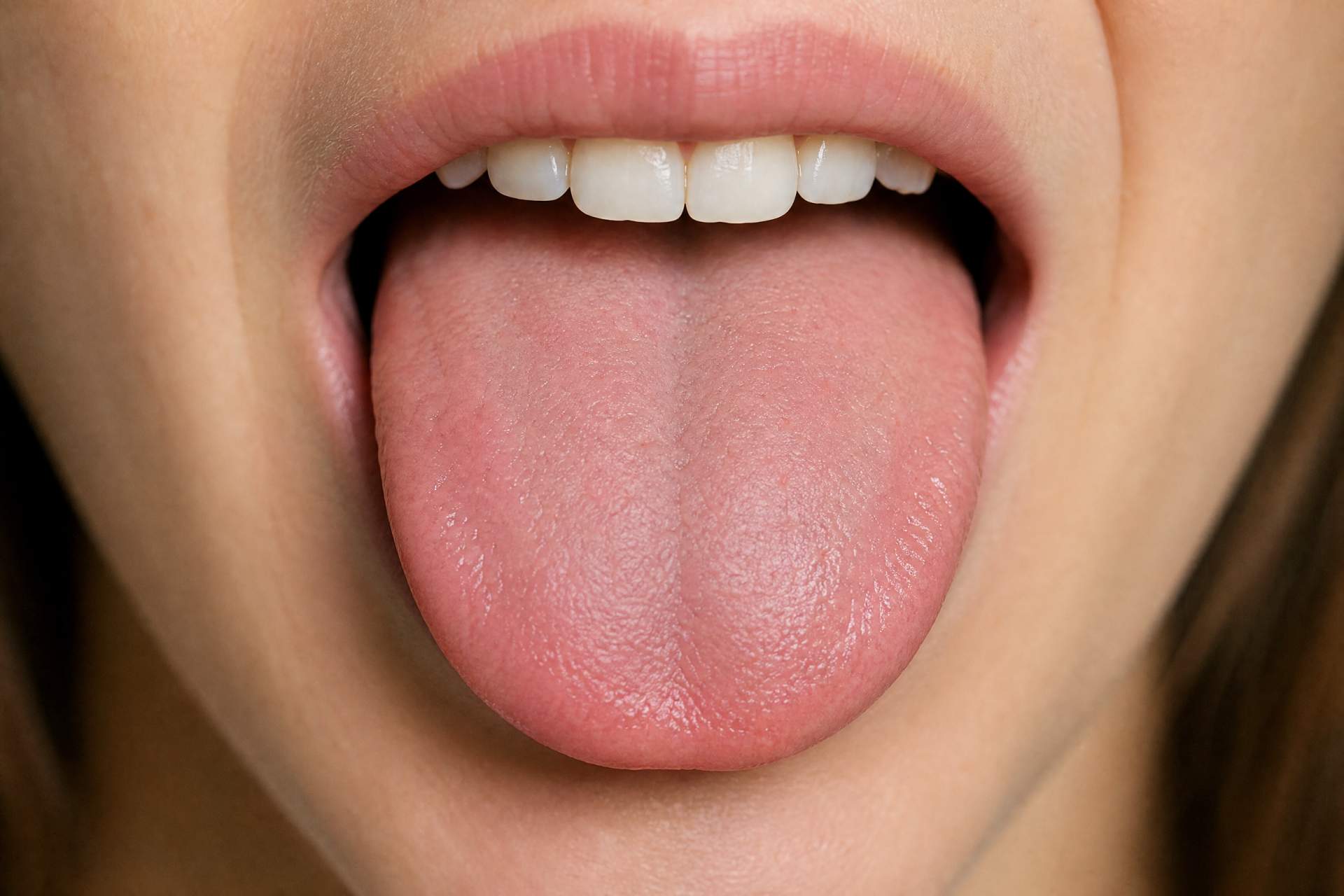
Your mouth is home to trillions of microorganisms, an intricate ecosystem known as the oral microbiome. A healthy balance is crucial, but certain conditions can tip the scales. The tongue, in particular, is a prime breeding ground for odor-producing bacteria. Its rough surface and numerous papillae can trap food debris, dead cells, and bacteria, particularly on the posterior dorsum (the back of the tongue). Studies, such as those published in the Journal of Clinical Periodontology, highlight that the tongue's dorsal surface can harbor up to 80-90% of the bacteria responsible for VSC production. Without proper cleaning, these bacteria multiply, releasing foul-smelling gases regardless of how meticulously you've brushed your teeth.
Post-Nasal Drip and Dry Mouth: Silent Saboteurs
Another significant, often overlooked, oral contributor is post-nasal drip. When mucus from the nasal passages and sinuses drips down the back of the throat, it becomes a protein-rich food source for anaerobic bacteria in the mouth, leading to the release of VSCs. Furthermore, chronic dry mouth, or xerostomia, is a major player in persistent bad breath. Saliva acts as nature's rinse, neutralizing acids, washing away food particles, and containing antibacterial enzymes. When saliva flow is reduced due to medications (antihistamines, decongestants, antidepressants), mouth breathing, certain health conditions, or simply inadequate hydration, bacteria proliferate unchecked. The American Dental Association emphasizes the crucial role of saliva in maintaining oral health and preventing halitosis.

The Unseen Battle: Systemic Roots of Unfresh Breath
While the mouth is the most common source of halitosis, a significant proportion of cases – approximately 10-20%, according to some epidemiological studies – stem from systemic health issues. This is where the journey to fresh breath truly moves beyond dental care.
Gut Health and Dietary Influences: More Than Just Onions
What you consume, and how your body processes it, can have a profound impact on your breath. Beyond the obvious culprits like garlic, onions, and coffee, certain dietary patterns can disrupt gut flora or lead to specific metabolic byproducts. For instance, diets high in protein and low in carbohydrates can induce ketosis, releasing ketones into the bloodstream that are then exhaled as a distinct, often fruity or acetone-like odor. More broadly, an imbalanced gut microbiome can lead to issues like dysbiosis, where an overgrowth of certain bacteria can produce gases that are absorbed into the bloodstream and subsequently exhaled through the lungs, contributing to halitosis.
Underlying Health Conditions: When to Consult a Professional
Sometimes, persistent bad breath can be a warning sign of an underlying medical condition. Chronic sinusitis, tonsillitis (especially with tonsil stones), and respiratory tract infections can all produce odors. Furthermore, systemic diseases such as uncontrolled diabetes (which can lead to a sweet, fruity breath due to ketones), liver disease (a musty or "fishy" odor), or kidney failure (ammonia-like breath) can manifest as distinct types of halitosis. Gastroesophageal reflux disease (GERD), where stomach acids and partially digested food particles are regurgitated, can also cause offensive breath. If you've addressed all oral factors and your breath issues persist, consulting a medical professional to rule out these possibilities is a crucial step.
Reclaiming Your Confidence: Effective Bad Breath Remedies
The good news is that for most, fresh breath is an achievable reality, often through targeted adjustments to your routine and lifestyle.
Mastering Oral Hygiene: Beyond the Basics
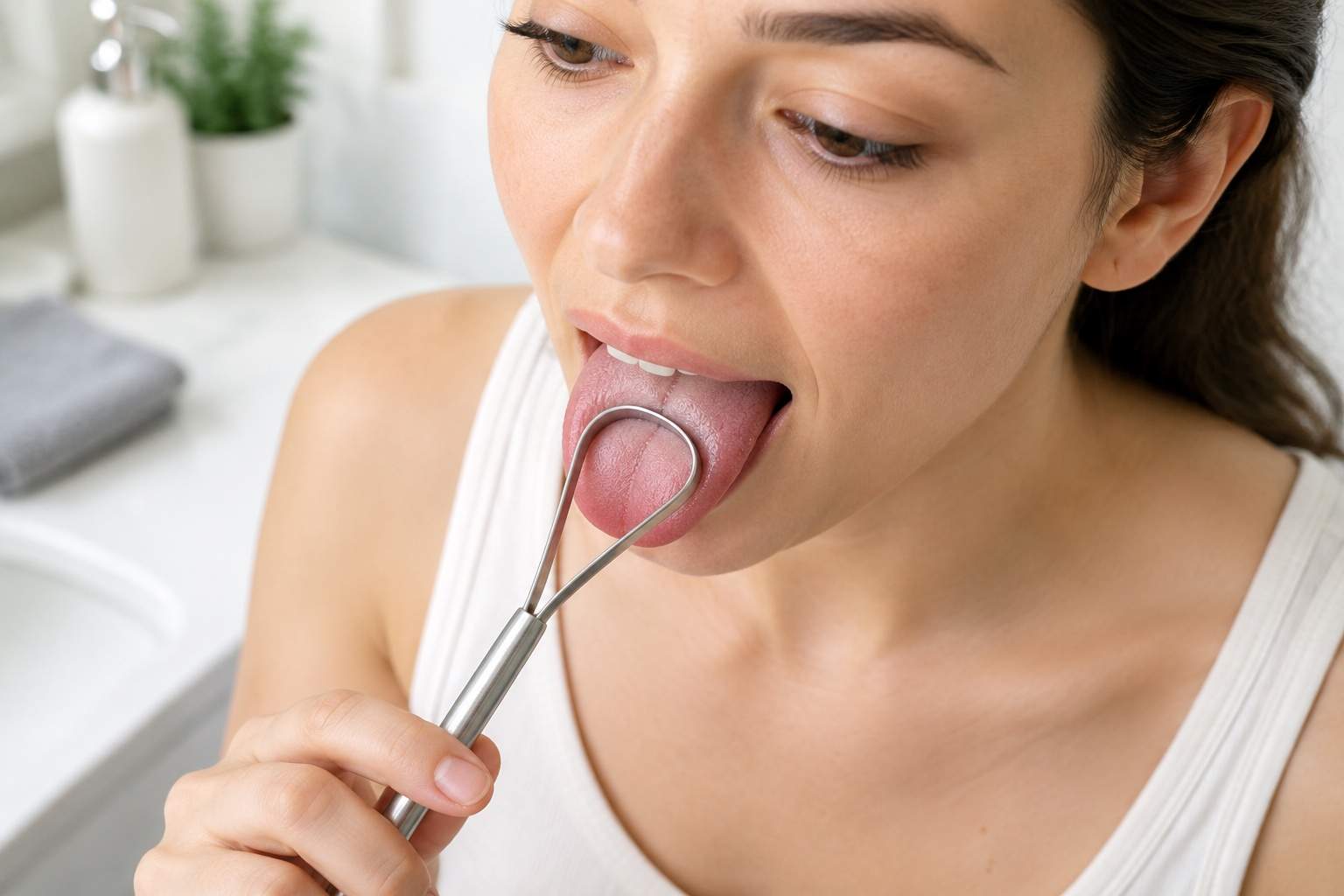
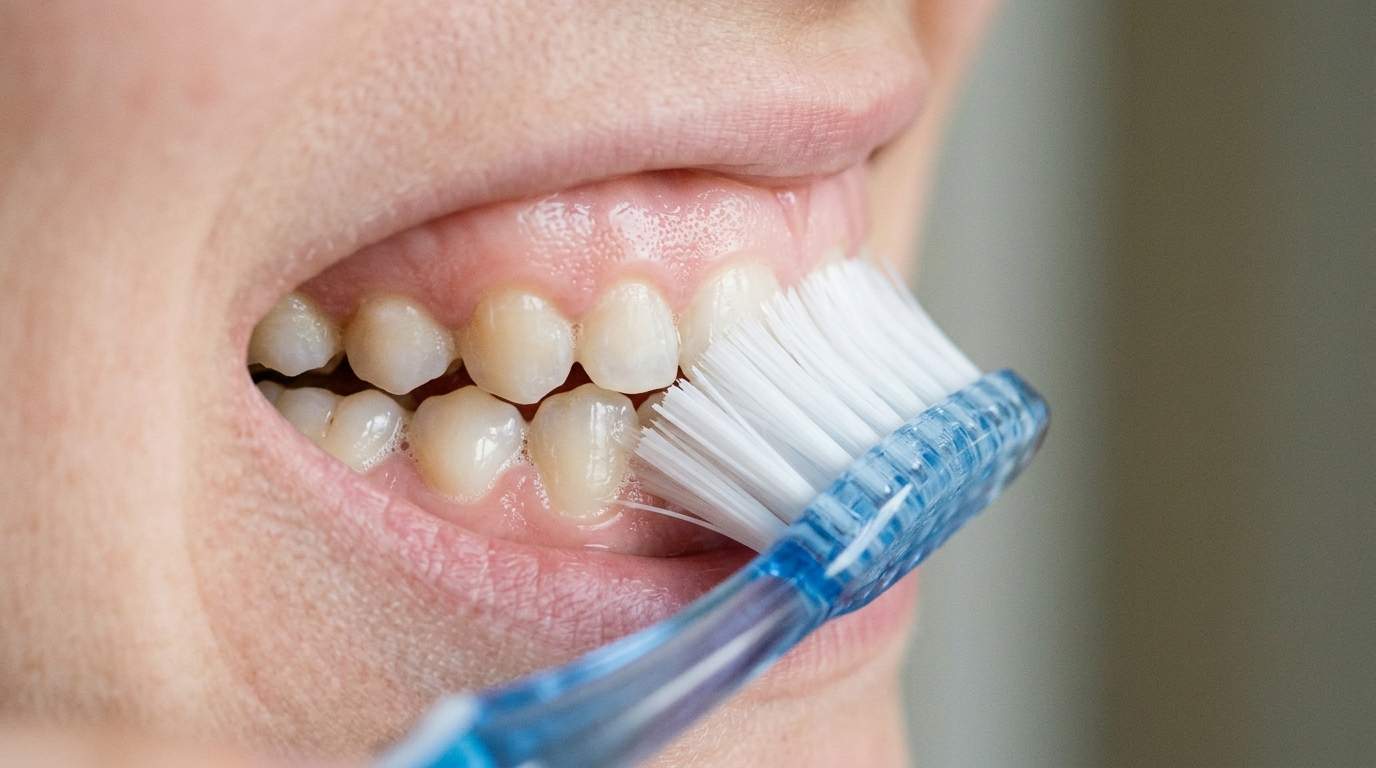
To truly tackle halitosis, you need to expand your oral hygiene arsenal. Regular brushing and flossing are non-negotiable, but a tongue scraper is an indispensable tool. Gently scrape your tongue from back to front 1-2 times daily to remove the bacterial film. Incorporating interdental cleaners, such as small brushes or picks, can reach areas floss might miss, clearing out food debris and bacteria more effectively. For those with dental work like bridges or braces, water flossers can also be a valuable addition. The key is to reduce the bacterial load comprehensively, not just on your teeth.
Hydration and Saliva Flow: Nature's Mouthwash
Combatting dry mouth is paramount. Make a conscious effort to drink plenty of water throughout the day. Sipping water frequently helps wash away food particles and stimulates saliva flow. Chewing sugar-free chewing gum, especially those containing xylitol, is an excellent way to boost saliva production. Xylitol not only promotes saliva but also has an anti-cavity effect by inhibiting the growth of certain oral bacteria. For persistent dry mouth, your dentist might recommend specific over-the-counter or prescription saliva substitutes.
Challenging Conventional Wisdom: Mouthwash and the Microbiome
Mouthwash often feels like the quick fix for bad breath, and while it can offer temporary relief, its long-term efficacy and impact on the oral microbiome deserve a closer look. Many conventional mouthwashes, particularly those containing alcohol, can be a double-edged sword.
The Alcohol Conundrum: A Double-Edged Sword
Alcohol-based mouthwashes can initially kill bacteria, providing a fresh sensation. However, alcohol is also a drying agent, and chronic use can exacerbate dry mouth, paradoxically creating a more favorable environment for odor-causing anaerobic bacteria to flourish in the long run. Moreover, these powerful antiseptics often indiscriminately kill beneficial bacteria alongside the harmful ones, potentially disrupting the delicate balance of your oral microbiome. For sustained freshness, opting for alcohol-free mouthwashes or natural rinses (like saltwater) might be a more balanced approach, focusing on mechanical cleaning and addressing the root causes rather than just masking symptoms.
When to Seek Expert Guidance: Your Dental Health Partner
While these insights empower you to take charge, remember that persistent bad breath can sometimes signal issues beyond self-management. If, despite consistent and enhanced oral hygiene practices and lifestyle adjustments, your breath continues to be a source of concern, it’s time to consult with your dentist or doctor. They can conduct a thorough examination, including specialized tests for halitosis, to pinpoint the exact cause. They might uncover hidden dental problems, identify specific oral bacteria, or refer you to a medical specialist if a systemic condition is suspected. You are not alone in this; seeking professional help is a sign of proactive self-care.
Understanding the multifaceted nature of bad breath is the first step towards true, lasting freshness. It’s a journey that moves beyond a simple twice-daily brush, inviting you to look deeper into your oral ecosystem and overall health. With insight and targeted strategies, you can confidently reclaim your breath and your peace of mind.