That familiar ritual plays out daily: you rigorously brush, rinse with mouthwash, perhaps even chew gum. Yet, as you prepare for an important meeting or lean in for a close conversation, a subtle but persistent question lingers. You discreetly perform the "hand-over-mouth" breath check, hoping for a clean slate, but a whisper of self-doubt remains. Is it truly gone? This nagging uncertainty, despite your diligent efforts with standard oral hygiene, can be surprisingly debilitating, leading to social anxiety and a quiet sense of futility. It’s a frustrating paradox when your best attempts at freshness seem to fall short.
E.g. :The Fresh Breath Paradox: Why Your Best Efforts Might Be Fueling Your Bad Breath
- 1、The Deceptive Lure of "Minty Fresh": What's Really Happening
- 2、The Dry Mouth Dilemma: When Your Mouthwash Backfires
- 3、Beyond Brushing: Overlooked Hotbeds of Odor
- 4、Addressing the Root Cause: A Holistic Approach to Lasting Freshness
- 5、The Power of Precision: Practical Steps for Real Results
- 6、FAQs
The Deceptive Lure of "Minty Fresh": What's Really Happening
Many of us equate a strong minty flavor with true freshness, believing that if we can taste mint, our breath must be impeccable. However, this is often a clever sensory illusion. Most conventional breath fresheners, whether they're mouthwashes, sprays, or chewing gums, are designed to mask odors rather than eliminate their source. They temporarily overpower unpleasant smells with powerful aromatics, creating a fleeting sensation of freshness. While this can be helpful in a pinch, it often overlooks the fundamental biological processes that cause chronic bad breath, medically known as halitosis.
The vast majority of halitosis cases (around 85-90%) originate right within the oral cavity itself, stemming from the activity of certain anaerobic bacteria. These microscopic residents, thriving in oxygen-deprived environments, metabolize food particles and tissue debris, producing foul-smelling gases called Volatile Sulfur Compounds (VSCs). These compounds, including hydrogen sulfide and methyl mercaptan, are the true culprits behind that distinct "bad breath" odor, not just stale air. Think of it less as an absence of mint, and more as a persistent chemical reaction producing undesirable byproducts.
Understanding the Bacterial Battlefield
Our mouths are complex ecosystems, home to billions of bacteria, most of which are beneficial or harmless. However, when the balance shifts, certain types of bacteria can proliferate, especially in areas where oxygen is scarce, such as deep grooves on the tongue, periodontal pockets, or between teeth. These bacteria break down proteins found in food residues, dead cells, and even mucus, releasing VSCs. Simply covering these odors with mint is akin to putting a fragrant air freshener in a room with a leaky drain – the smell might be temporarily obscured, but the underlying problem persists, and often, the combination of mint and underlying odor can create an even more unpleasant, unique scent profile.
The Dry Mouth Dilemma: When Your Mouthwash Backfires
One of the most common and counterintuitive reasons why fresh breath efforts might be failing is the very product often touted as a solution: alcohol-based mouthwash. While these rinses can kill bacteria indiscriminately and provide an initial burst of freshness, their high alcohol content often leads to xerostomia, or dry mouth. And a dry mouth, ironically, is a prime breeding ground for the very bacteria that cause halitosis.
Saliva is our mouth's natural cleansing agent. It constantly washes away food particles, dead cells, and the VSCs produced by bacteria. Saliva also contains antimicrobial compounds and helps to neutralize acids, maintaining a healthy pH balance. When your mouth becomes dry, this vital protective mechanism is significantly impaired. The oral tissues become less hydrated, allowing bacteria and food debris to cling more easily, and the lack of salivary flow means VSCs are not adequately diluted or flushed away. Research consistently points to a strong correlation between reduced salivary flow and increased halitosis. So, that burning, tingling sensation from your strong mouthwash might actually be exacerbating the problem over the long term, creating a vicious cycle of dryness and persistent odor.
Beyond Brushing: Overlooked Hotbeds of Odor
While diligent brushing is fundamental, it's often not enough to tackle all the sources of bad breath. Many individuals focus solely on their teeth, neglecting other significant areas where odor-producing bacteria flourish. Identifying these often-overlooked spots is crucial for a truly effective bad breath treatment plan.
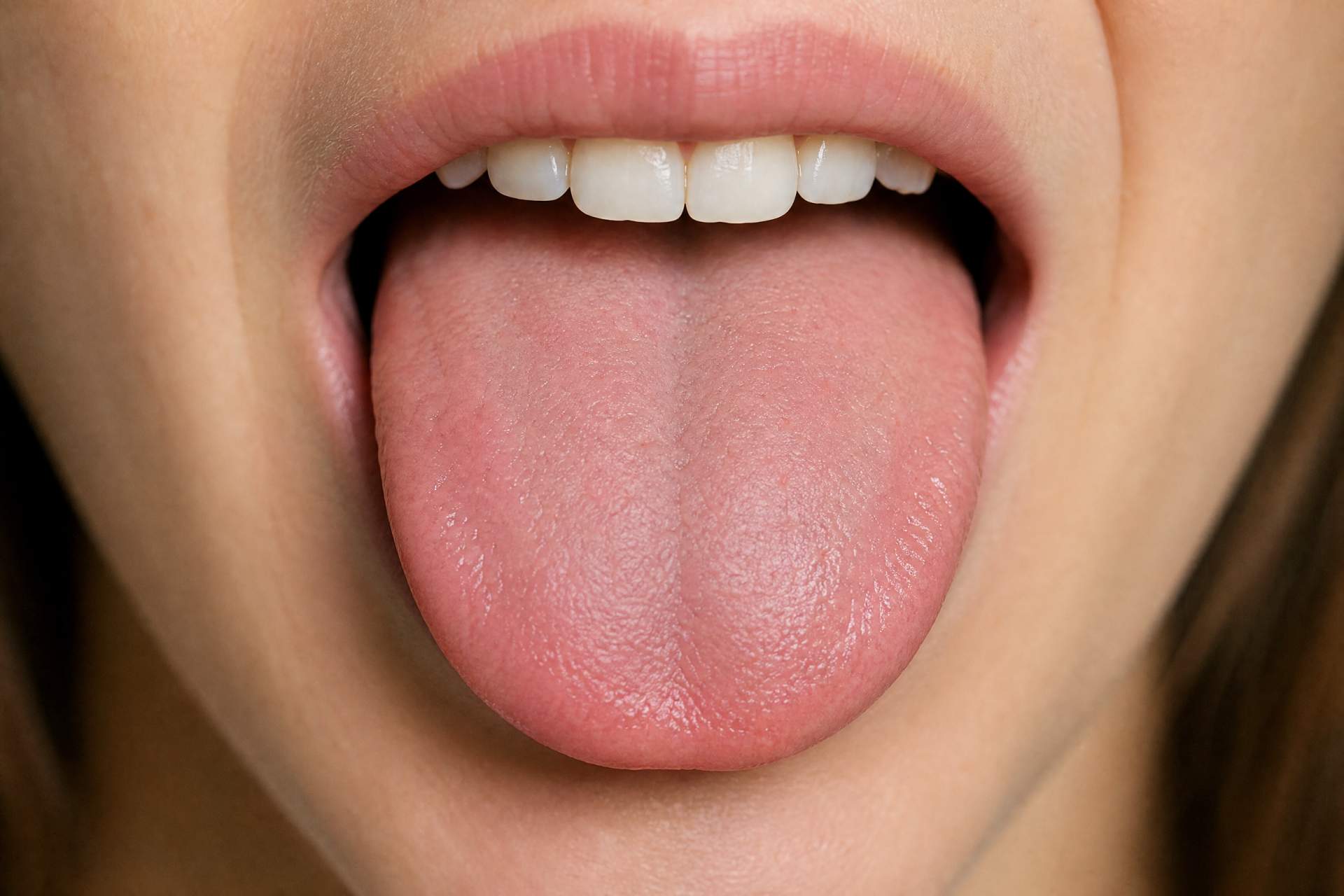
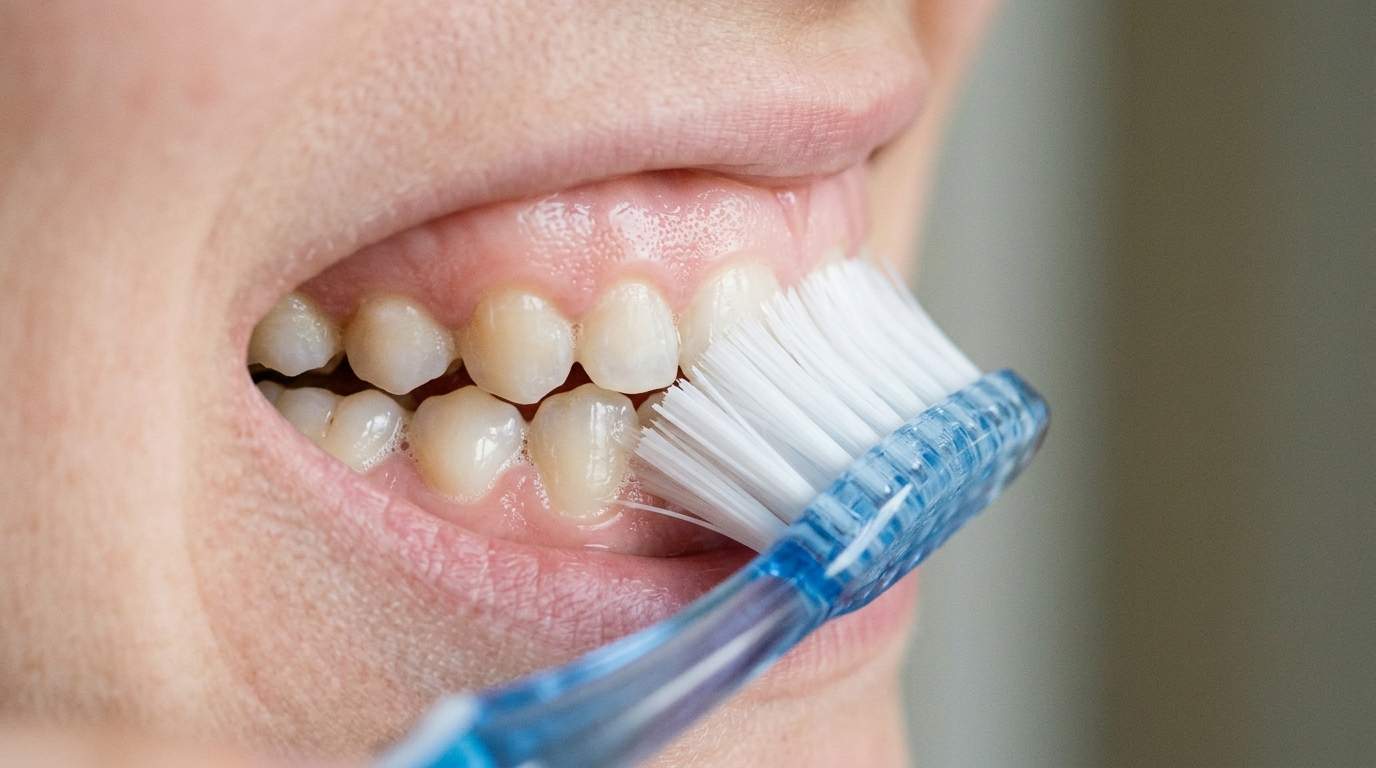
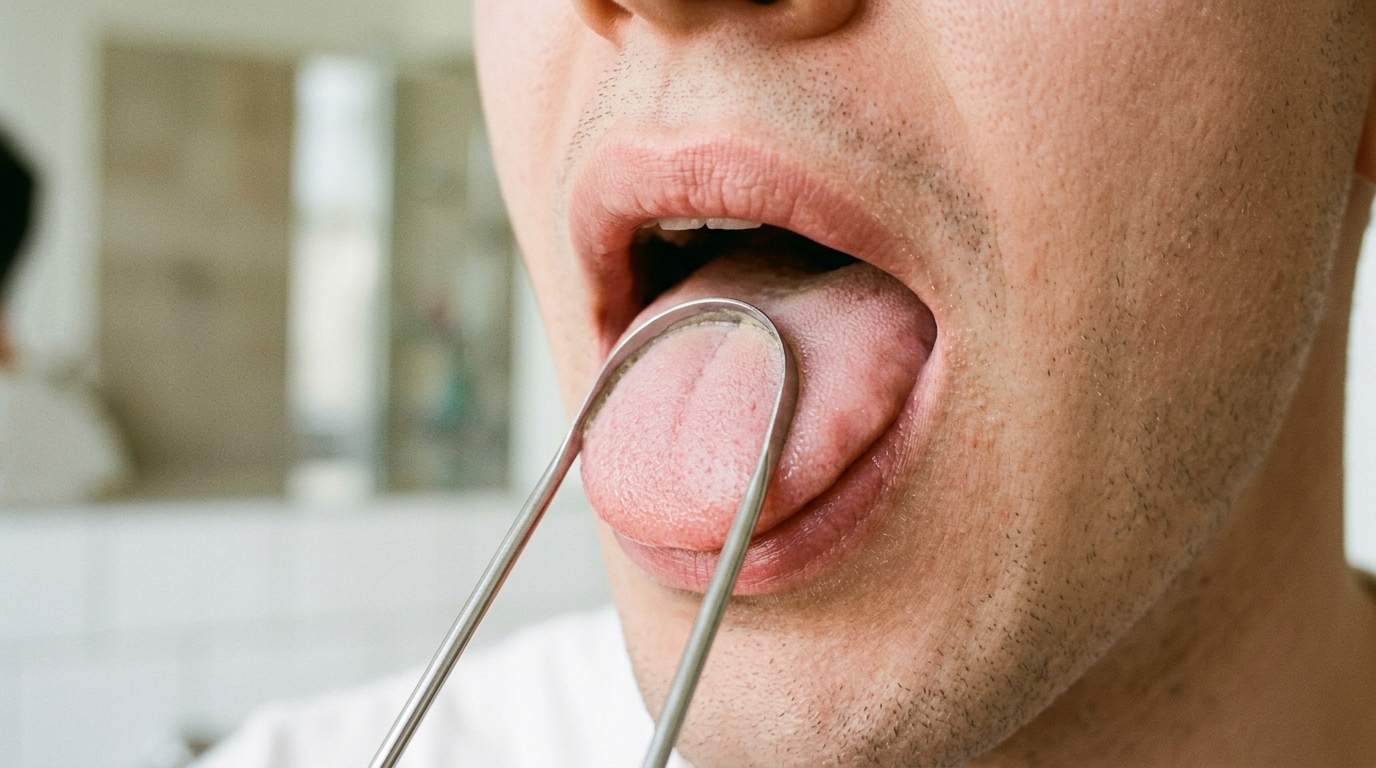
The tongue, for instance, is a major reservoir for bacteria and debris. Its rough surface, particularly the back third, provides an ideal environment for anaerobic bacteria to accumulate, forming a visible white or yellowish coating. Studies indicate that tongue coating is a primary source of VSCs in a significant percentage of halitosis cases. Simply brushing your teeth won't address this thick bacterial film. Similarly, the tight spaces between your teeth and under the gum line are notorious traps for food particles and plaque, which provide a feast for odor-producing microbes. Standard brushing, even with an electric toothbrush, often misses these critical areas.
The Hidden Nooks and Crannies
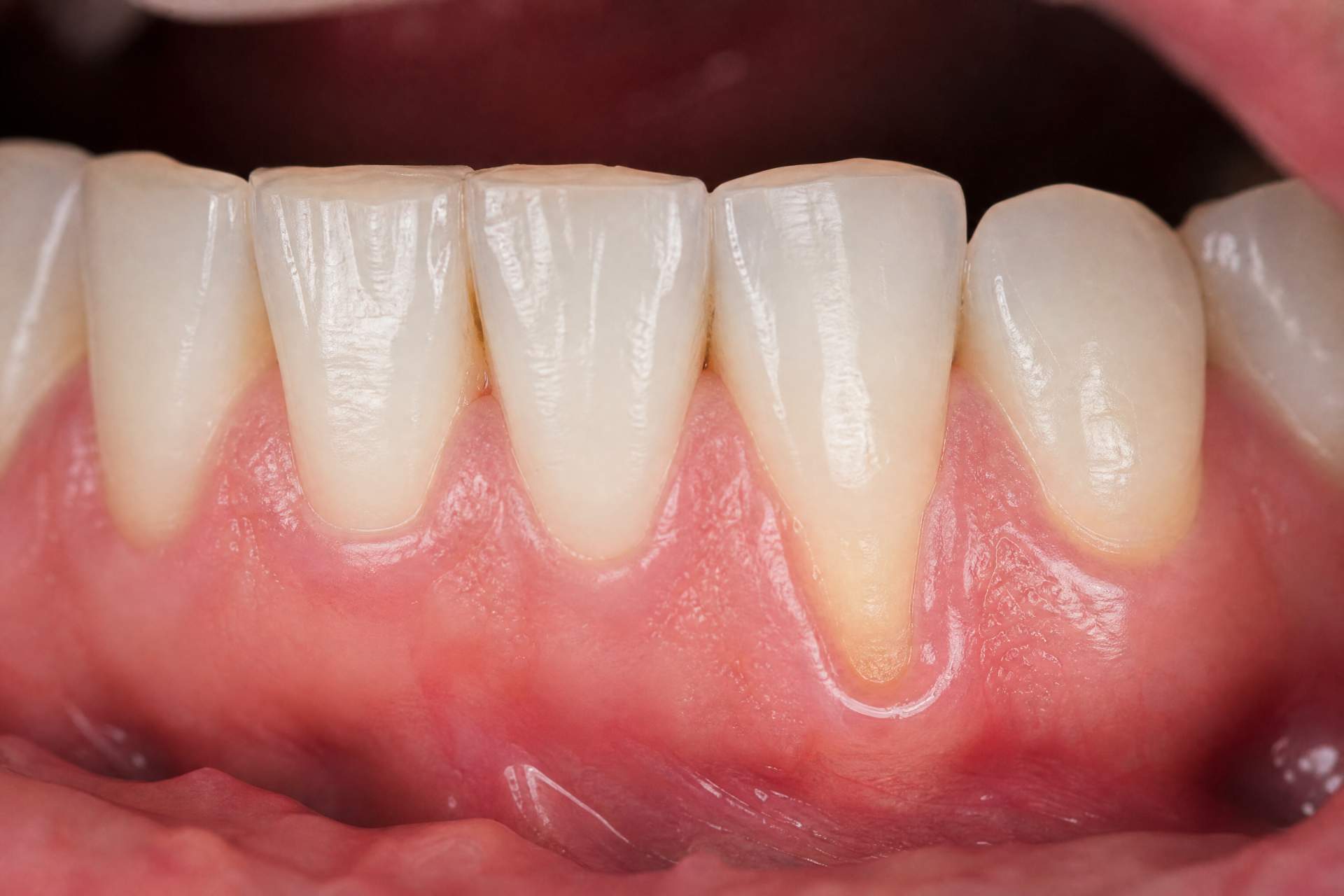
Consider also the condition of your gums. Gingivitis (inflammation of the gums) and periodontitis (more advanced gum disease) create deep pockets where bacteria can thrive, undisturbed by brushing. These areas are not only sources of VSCs but also lead to tissue breakdown, which provides even more protein for bacteria to consume. Furthermore, old fillings, crowns with open margins, or even tonsil stones (calcified deposits in the tonsillar crypts) can harbor bacteria and trapped food, contributing significantly to chronic halitosis. It's clear that a holistic approach must extend beyond the visible surfaces of your teeth.
Addressing the Root Cause: A Holistic Approach to Lasting Freshness
Achieving genuinely fresh breath requires moving beyond superficial fixes and addressing the underlying biological mechanisms. The goal isn't to simply mask odors but to disrupt the environment where odor-producing bacteria thrive and to efficiently remove their byproducts. This involves a multi-pronged strategy focused on mechanical removal of debris, maintaining optimal oral hydration, and fostering a balanced oral microbiome.
Firstly, effective oral hygiene must encompass more than just brushing. It's about meticulously cleaning every surface in your mouth. Secondly, maintaining adequate hydration is paramount. Water is your mouth's best friend. Thirdly, adopting habits that promote a healthy oral environment, rather than disrupting it, will yield long-term benefits. This scientific approach, grounded in understanding how bacteria and our own physiology interact, offers a path to lasting confidence.
The Power of Precision: Practical Steps for Real Results
Armed with the knowledge that superficial efforts are often ineffective, we can now focus on strategies that truly work. These recommendations are based on scientific understanding of halitosis and are designed to target the root causes.
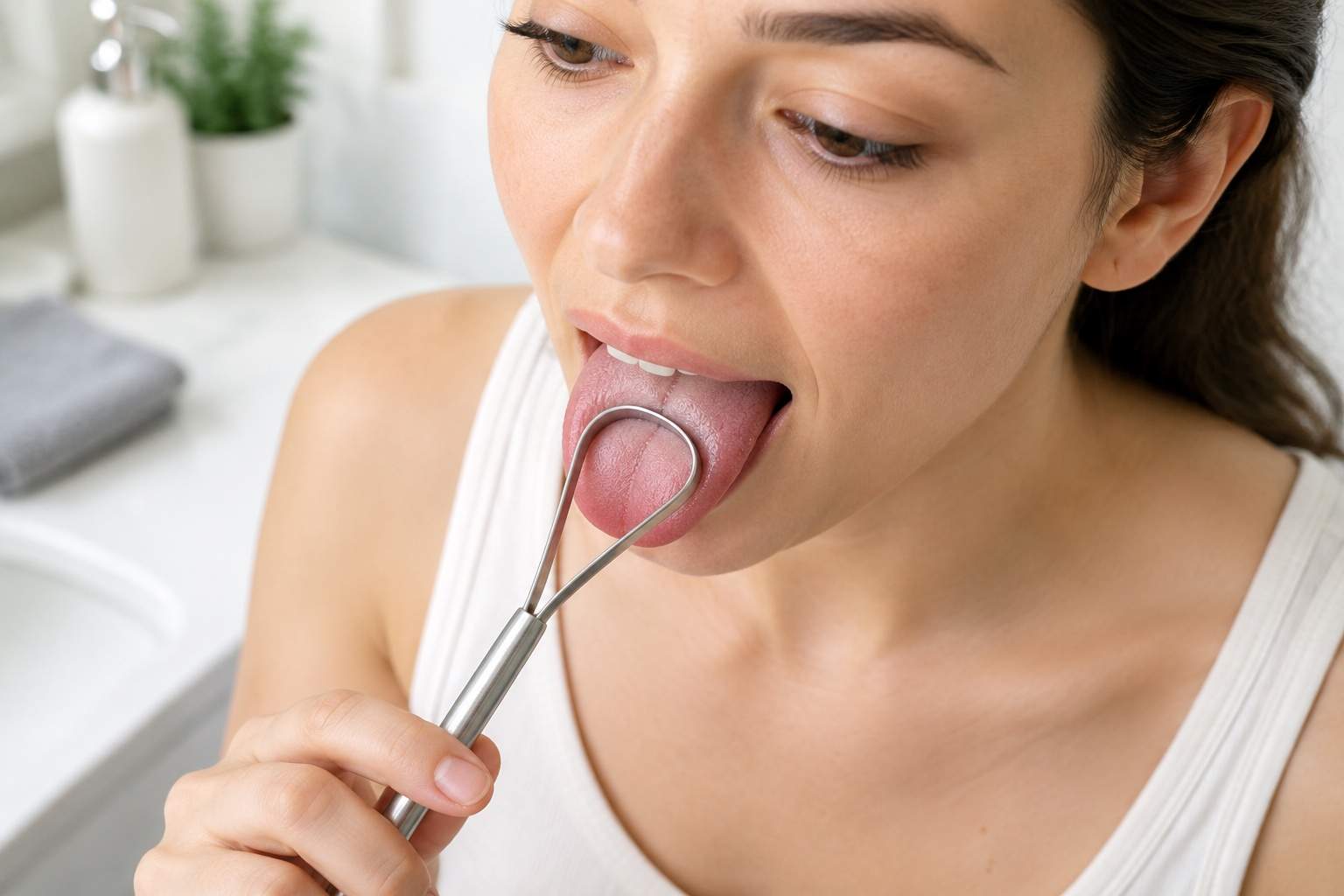
- Thorough Tongue Cleaning: This is arguably one of the most impactful steps often overlooked. Use a dedicated tongue scraper, not your toothbrush, to gently but firmly scrape the entire surface of your tongue, especially the back, from base to tip, rinsing the scraper after each stroke. Do this once or twice daily.
- Effective Interdental Cleaning: Brushing alone isn't enough. Incorporate daily flossing, interdental brushes, or a water flosser to remove food particles and plaque from between your teeth and under the gum line where bacteria congregate.
- Opt for Alcohol-Free Mouthwash: Choose mouthwashes that are free of alcohol to avoid drying out your mouth. Look for formulations containing agents like cetylpyridinium chloride (CPC) or chlorine dioxide, which help neutralize VSCs without harsh side effects. Some natural rinses with essential oils (tea tree, peppermint) can also be effective without causing dryness.
- Stay Hydrated: Drink plenty of water throughout the day. Water helps wash away bacteria and food debris, and stimulates saliva flow. Chewing sugar-free gum can also stimulate saliva.
- Address Underlying Oral Health Issues: Regular dental check-ups are non-negotiable. A dentist can identify and treat cavities, gum disease, ill-fitting restorations, or other oral conditions that contribute to halitosis. Sometimes, even addressing issues like tonsil stones can make a significant difference.
- Dietary Awareness: Certain foods, like garlic and onions, contain sulfur compounds that can enter your bloodstream and be exhaled through your lungs. While good oral hygiene helps, these odors can be systemic. Reducing intake or brushing immediately after consumption can help.
- Consider Probiotics: Some research suggests that oral probiotics (specific strains of beneficial bacteria) might help balance the oral microbiome and inhibit odor-producing bacteria. This is an emerging area of study, but could be a complementary approach.
Your Personalized Fresh Breath Strategy
Achieving consistently fresh breath is not a one-size-fits-all endeavor. It often requires a personalized approach and sometimes, a little patience. If despite rigorous home care, your concerns about bad breath persist, please do not hesitate to consult a dental professional. They can perform a thorough examination, identify specific causes, and guide you towards tailored solutions, which might include professional cleanings, treatment for gum disease, or even referral to a physician if an underlying medical condition (such as chronic sinusitis, acid reflux, or diabetes) is suspected. Remember, seeking help is a sign of proactive self-care, not a confession of failure. Your confidence and comfort are worth the effort.