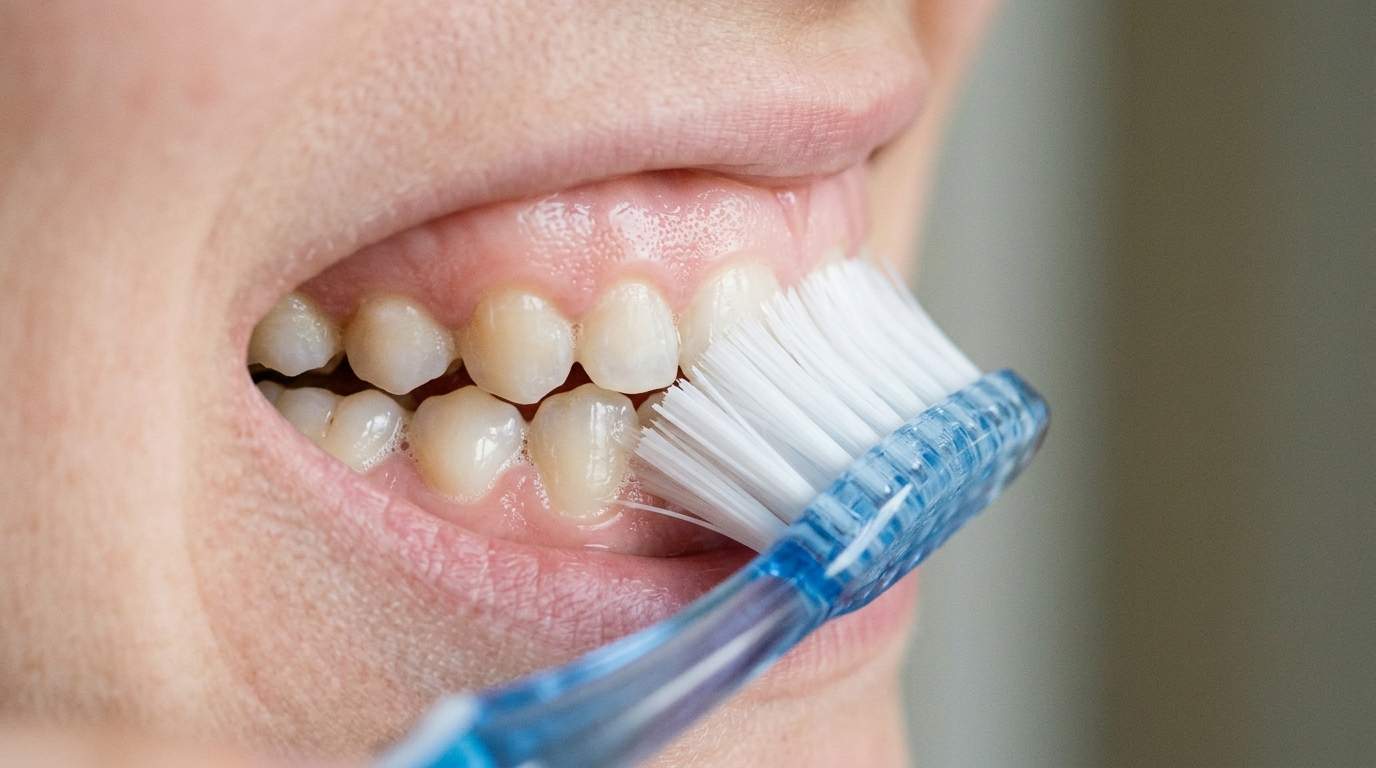
The alarm rings, the morning sun fills the room, and before leaning in to say a soft good morning to a partner or starting the daily routine, there is often a quiet, unconscious hesitation. You walk to the bathroom, apply toothpaste, brush thoroughly for two full minutes, and rinse. Yet, twenty minutes later, while driving to work or leaning in for a close conversation, a familiar heaviness lingers in your mouth. The crisp cleanliness promised by synthetic mint fades rapidly, replaced by a stale, sour sensation. It is a deeply frustrating experience shared by millions: the disturbing realization that despite following conventional oral hygiene advice, your breath remains uninviting.
E.g. :Beyond the Jolt: Unmasking the True Causes of Your Sensitive Teeth
- 1、Decoding Morning Breath Causes Beyond Basic Tooth Hygiene
- 2、The Hidden Biofilm: Tongue Coating Removal and Microbial Dynamics
- 3、The Chemical Paradox: How Toothpaste Surfactants and Alcohol Mouthwash Worsen Odor
- 4、Restoring Oral Microbiome Balance for Sustainable Hygiene
- 5、Comprehensive Chronic Halitosis Treatment and Daily Care Strategies
- 6、FAQs
Consider the story of Elena, a 34-year-old corporate consultant who found herself carrying a pocket toothbrush, mints, and travel-sized mouthwashes everywhere she went. She brushed four times a day, scrubbed vigorously, and rinsed with powerful antiseptic formulas after every meal. Despite her meticulous efforts, her anxiety about close-range conversations grew so severe that she began subtly stepping backward during team meetings. Elena assumed her persistent issue was a personal failure of hygiene. In reality, her aggressive routine was actively destabilizing her oral ecosystem, exacerbating the very problem she was trying so desperately to solve.
To understand why traditional brushing often fails to resolve morning malodor, we must first shift our perspective away from viewing the mouth as a dirty room that needs scrubbing, and instead see it as a delicate biological habitat governed by chemistry, microbial ecology, and fluid dynamics.
Decoding Morning Breath Causes Beyond Basic Tooth Hygiene
The primary drivers of oral malodor are Volatile Sulfur Compounds, most notably hydrogen sulfide, methyl mercaptan, and dimethyl sulfide. These compounds produce the characteristic smell of decay, rotten eggs, or sulfur. They are not generated by the teeth themselves, nor are they a direct byproduct of human metabolic tissue. Instead, they are the metabolic excretions of specific anaerobic bacteria that thrive in environments completely devoid of oxygen.
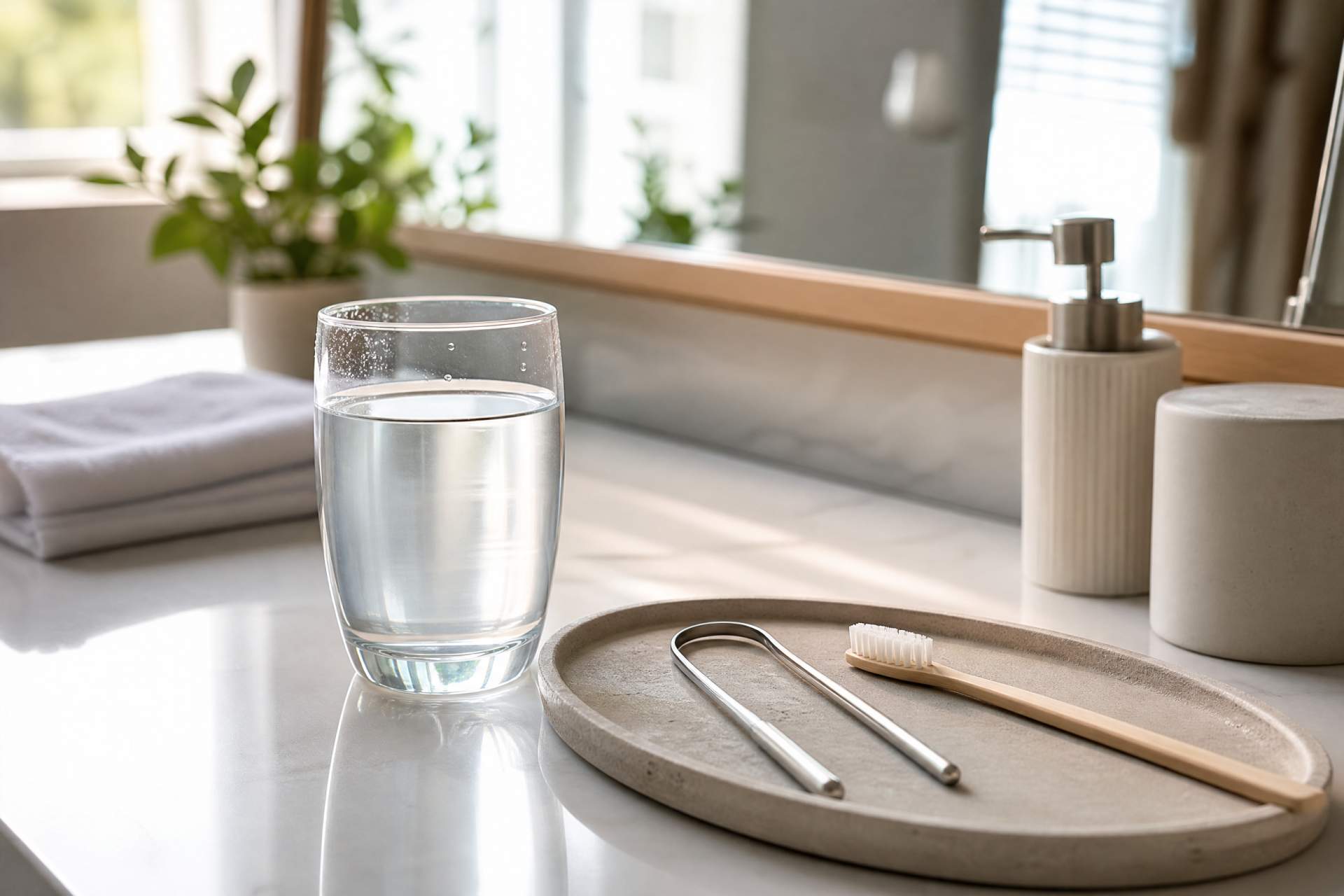
During the daytime, your mouth is continuously bathed in saliva. Saliva is far more than simple water; it is a complex biological fluid rich in oxygen, immunoglobulins, lysozymes, and bicarbonate buffers. Every time you swallow, your salivary flow mechanically flushes away food particles and sloughed-off epithelial cells, while its oxygen content creates a hostile environment for anaerobic microbes.
When you sleep, however, your physiological state changes dramatically. Central nervous system signaling reduces salivary gland output to near zero. Research published in the Journal of Breath Research confirms that this nocturnal salivary hypofunction reduces the mechanical clearance of cellular debris by up to 80 percent compared to waking hours. As your mouth dries out, oxygen levels plummet, turning the oral cavity into a prime incubator for anaerobic bacterial growth. Brushing your teeth in the morning cleans the smooth surfaces of your enamel, but enamel accounts for only about 20 percent of the total surface area inside your mouth. The remaining 80 percent—including the soft mucosal tissues, gums, and tongue—remains largely untouched by a standard toothbrush.
The Hidden Biofilm: Tongue Coating Removal and Microbial Dynamics
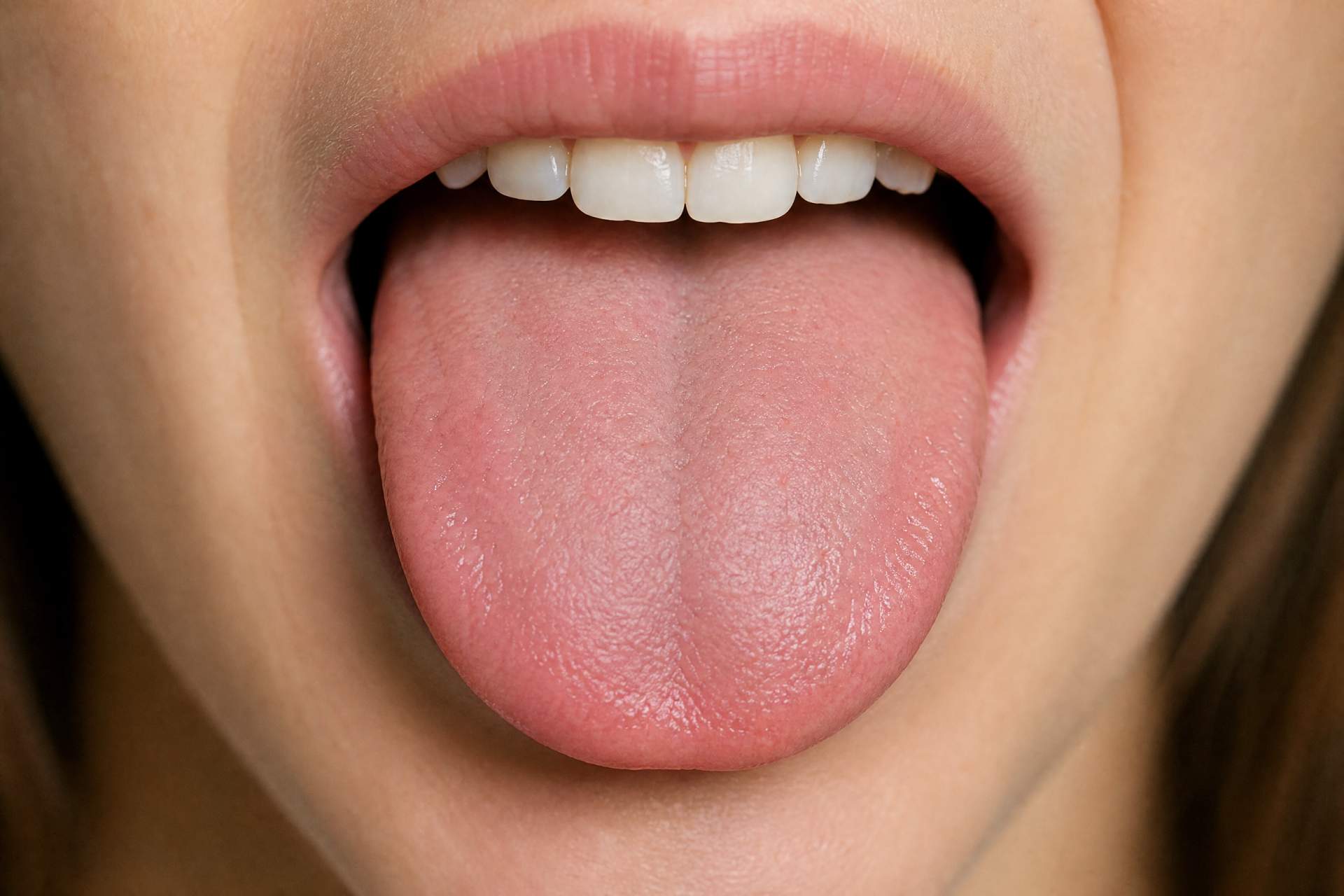
If enamel is not the primary reservoir for odor-producing bacteria, where are these microscopic organisms hiding? The answer lies upon the dorsal surface of your tongue.
Anatomy of the Lingual Crypts and Anaerobic Nooks
The top surface of the human tongue is not a smooth plane; it is an intricate anatomical landscape covered in thousands of tiny projections called papillae. Between these filiform papillae are deep microscopic fissures and crevices known as lingual crypts. These tiny nooks collect shed skin cells, salivary proteins, and microscopic food debris throughout the day.
Because oxygen cannot easily penetrate the depth of these crypts, they form ideal micro-environments for strict anaerobic bacteria such as Porphyromonas gingivalis, Treponema denticola, and Fusobacterium nucleatum. These organisms consume the sulfur-containing amino acids cysteine and methionine found in dead tissue and mucosal mucins, rapidly releasing Volatile Sulfur Compounds into the air you exhale.
Mechanical Cleansing Versus Standard Toothbrushing
A groundbreaking epidemiological study published in the Journal of Periodontology analyzed over 2,000 individuals to determine the primary variables contributing to oral malodor. The researchers discovered that the mass of tongue coating deposits was the single strongest predictor of volatile sulfur compound concentrations, vastly exceeding the impact of dental plaque buildup on teeth. The study revealed that tongue anatomical features accounted for up to 85 percent of all volatile sulfur compound production originating inside the oral cavity.
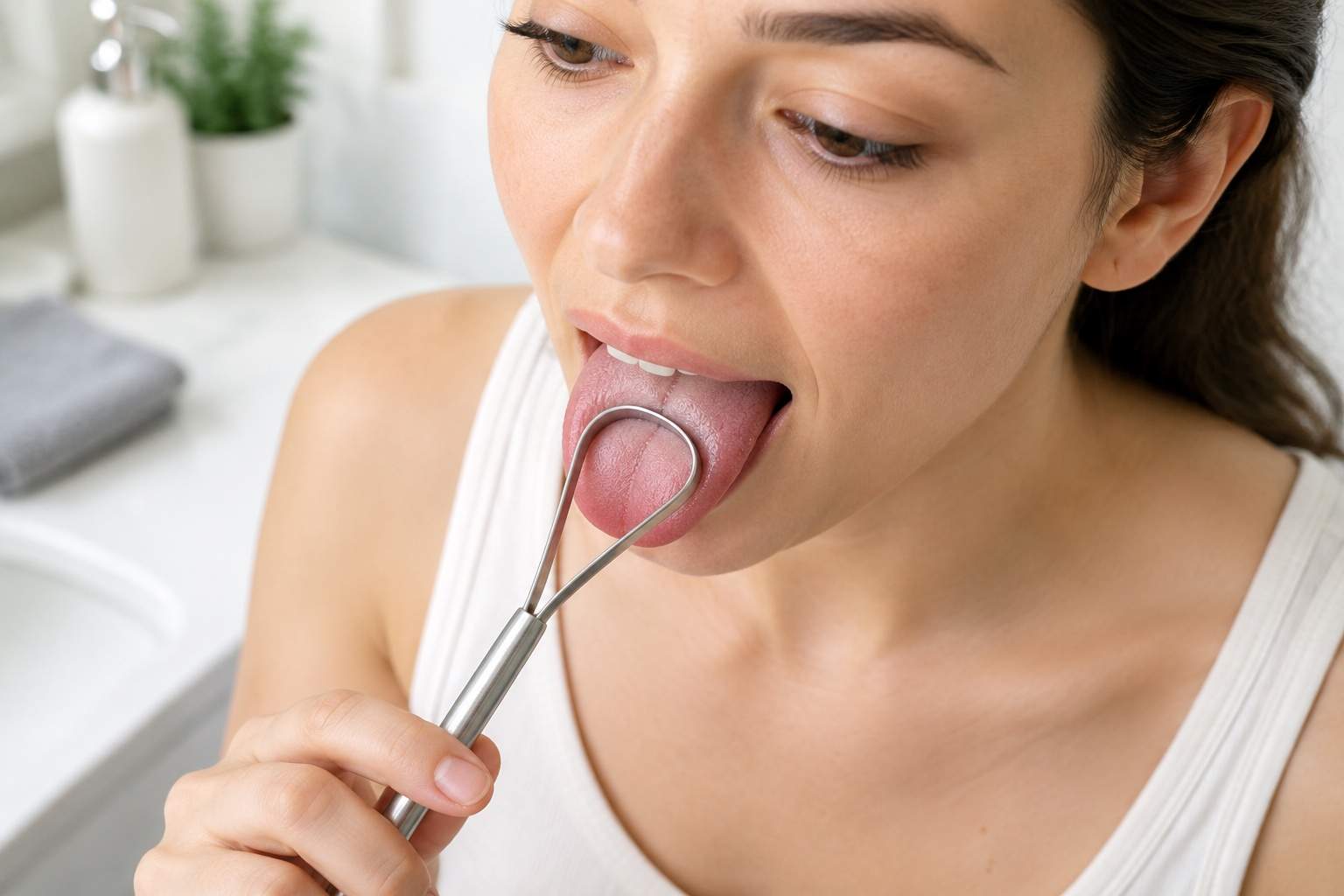
When people try to clean their tongue using a standard toothbrush, the flexible bristles often press the bacterial biofilm deeper into the crypts rather than lifting it out. Furthermore, the thick head of a toothbrush frequently triggers the pharyngeal gag reflex, preventing individuals from reaching the posterior third of the tongue where anaerobic colonization is densest. Effective tongue coating removal requires a flat, firm implement that can apply uniform pressure to scrape away the accumulated biofilm from back to front, physically eliminating the cellular food supply before anaerobic bacteria can process it.
The Chemical Paradox: How Toothpaste Surfactants and Alcohol Mouthwash Worsen Odor
When morning breath persists, the intuitive response for most people is to escalate their routine: brushing harder, using stronger pastes, and gargling with intense, burning mouthwashes. Paradoxically, this aggressive approach often makes long-term odor significantly worse.
The Essential Protective Mechanism of Natural Salivary Flow
Saliva contains natural antimicrobial peptides and acts as a constant buffer system. When you use products that strip the oral mucosa of its moisture, you remove the body's native defense against volatile gas emission. Volatile sulfur compounds are organic molecules that evaporate easily into gas; however, when dissolved in a healthy, aqueous layer of saliva, their release into the air is dramatically slowed down.
Detergents, Epithelial Desquamation, and Volatile Compounds
Many commercial toothpastes contain Sodium Lauryl Sulfate, a harsh chemical surfactant responsible for creating rich foam. In sensitive individuals, Sodium Lauryl Sulfate strips away the protective mucin layer of the oral epithelium. This causes microscopic peeling of the inner cheek lining, a process known as epithelial desquamation. These shed mucosal cells drop directly onto the back of the tongue, providing an abundant, highly concentrated buffet of proteins for anaerobic bacteria.
Similarly, traditional antiseptic mouthwashes often rely on high concentrations of denatured alcohol, sometimes reaching up to 27 percent by volume. While alcohol kills bacteria on contact, it acts as a powerful desiccant. Clinical findings published in the International Dental Journal demonstrate that while alcohol-based rinses reduce bacterial counts for the first 30 minutes, they cause severe mucosal dryness. Within 60 to 90 minutes, as the artificial mint scent dissipates, the dried environment triggers a rapid rebound of anaerobic activity, resulting in higher volatile sulfur compound levels than were present before gargling.
Restoring Oral Microbiome Balance for Sustainable Hygiene
For decades, the standard approach to oral health was complete sterilization: eradicate all bacteria using potent antiseptics. Modern microbial science has revealed that this approach is counterproductive. The human oral cavity hosts hundreds of distinct bacterial species that form a complex, mutually supportive ecosystem.
Maintaining oral microbiome balance means supporting commensal, health-promoting bacteria while keeping opportunistic anaerobic species under control. Beneficial species, such as Streptococcus salivarius and members of the Rothia genus, actively compete with odor-causing bacteria for space and nutrients. Furthermore, nitrate-reducing bacteria on the back of the tongue play a crucial physiological role by converting dietary nitrates from vegetables into nitrite, which the body converts into nitric oxide to regulate blood pressure and cardiovascular health.
When you flood your mouth with broad-spectrum chemical germicides multiple times a day, you wipe out these protective nitrate-reducing communities. This creates a biological vacuum. Fast-growing, opportunistic anaerobic bacteria are often the first to recolonize the cleared mucosal surfaces, leading to chronic dysbiosis and recurring halitosis.
Comprehensive Chronic Halitosis Treatment and Daily Care Strategies
Achieving long-term fresh breath requires moving away from heavy chemical masking agents and focusing instead on biological balance, gentle physical removal of debris, and tissue hydration.
First, reassess your daily toothbrushing formulations. Switching to a surfactant-free toothpaste that excludes Sodium Lauryl Sulfate prevents unnecessary irritation and desquamation of the delicate mucosal lining. Look for pastes formulated with mild abrasive agents and natural enzyme systems that support salivary function.
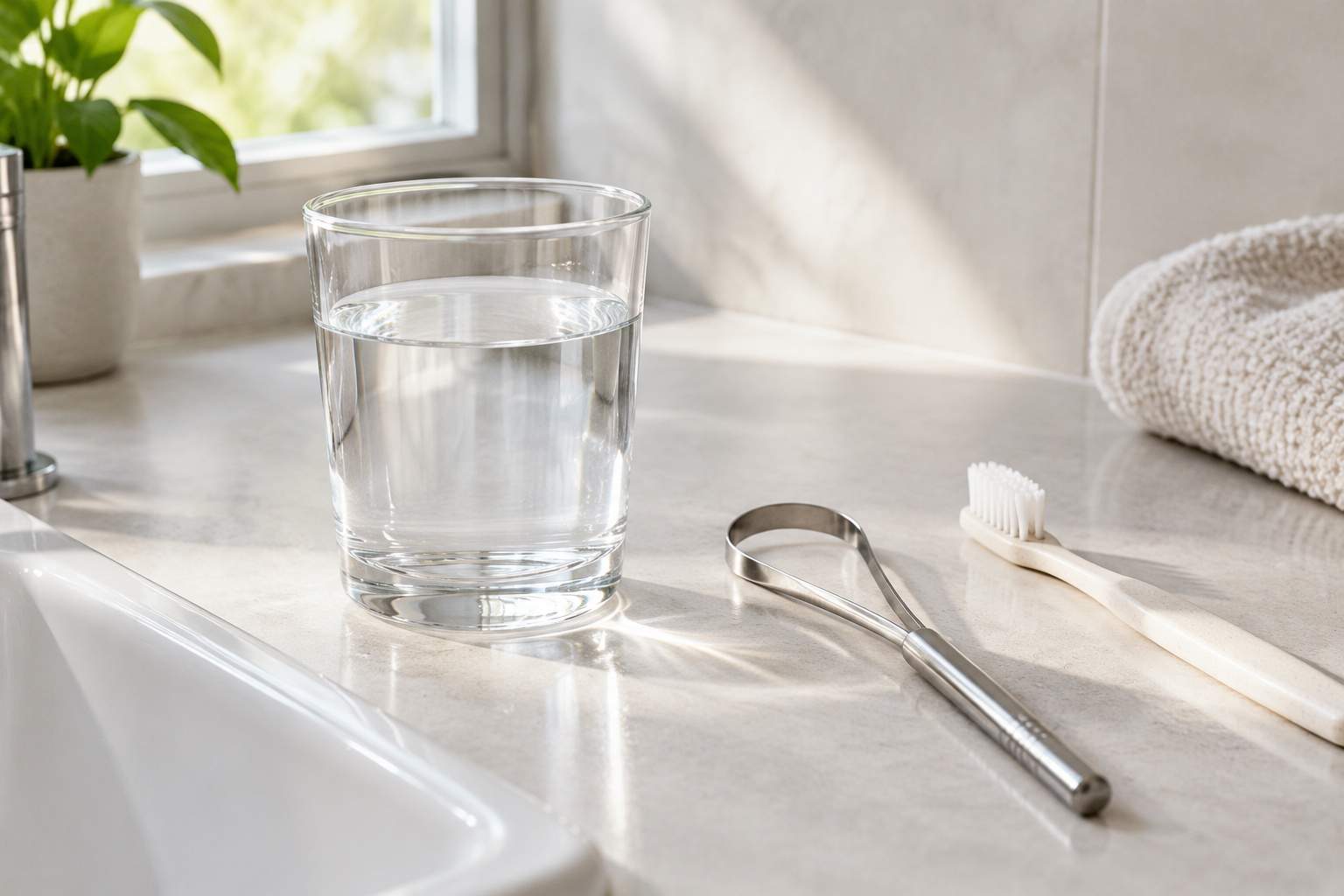
Second, integrate a daily gentle mechanical scraping of the tongue into your morning routine. Using a dedicated stainless steel or copper tongue scraper, start at the very back of the dorsal surface and pull forward with light, steady pressure. Rinse the scraped residue under warm water and repeat three to four times until the blade comes away clean. This single step removes the physical biological matrix where sulfur compounds are generated without disturbing the deeper tissues or causing trauma to your taste buds.
Third, rethink your choice of mouth rinse. Replace drying, alcohol-heavy liquids with non-drying, neutral pH solutions containing active ingredients like zinc compounds or stabilized chlorine dioxide. Zinc ions chemically bind to volatile sulfur gases, converting them into non-volatile, odorless zinc salts, effectively neutralizing existing odor without wiping out the native microbiome.
Finally, prioritize nocturnal hydration and airway mechanics. If you wake up with severe dry mouth and intense morning malodor, you may be breathing through your mouth during sleep due to nasal congestion, sleep apnea, or habitual mouth breathing. Utilizing a bedroom humidifier, addressing nasal obstruction, and staying well-hydrated throughout the afternoon and evening ensures your salivary glands have the fluid necessary to maintain baseline nocturnal protection.
By working alongside your body's innate biological mechanisms rather than trying to overpower them with harsh chemicals, you can eliminate the underlying root causes of morning malodor and regain clear, comfortable confidence in your daily interactions.