You're savoring your morning coffee, perhaps relishing a spoonful of ice cream on a warm afternoon, when suddenly, a sharp, fleeting jolt of pain shoots through one of your teeth. The moment of enjoyment shatters, replaced by a wince and an instant disruption of your peace. This unpredictable, agonizing sensation can transform everyday pleasures like eating and drinking into a source of anxiety, leaving you constantly on guard, wondering if your seemingly healthy teeth are silently deteriorating.
E.g. :Beyond the Mint: Why Your "Clean" Mouth Still Isn't Truly Fresh (And What Actually Works)
- 1、The Unsettling Truth Behind Your Sensitive Teeth
- 2、Beyond Age: Unmasking the Everyday Culprits of Tooth Sensitivity
- 3、Proactive Steps for Lasting Tooth Pain Relief
- 4、When to Seek Professional Guidance for Sensitive Teeth
- 5、FAQs
For years, many of us have been led to believe that this sudden sensitivity is just an inevitable part of getting older, or perhaps a minor inconvenience easily managed with a special toothpaste. But what if this perception, comforting in its simplicity, masks a more intricate reality? What if these sharp pains are not merely "normal," but rather crucial signals from your body, pointing to underlying issues that deserve our deeper understanding and proactive attention? As a seasoned observer of oral health, I invite you to delve into the precise mechanisms behind this common complaint, not just to alleviate the symptoms, but to address the roots of the problem, fostering genuine, lasting comfort and health.
The Unsettling Truth Behind Your Sensitive Teeth
That sudden, electric shock often dismissed as "just sensitive teeth" is medically known as dentin hypersensitivity. It's a condition that affects a significant portion of the adult population, with some studies estimating its prevalence to be as high as 57%, though reported rates vary widely depending on the diagnostic criteria used. (As per various studies cited in journals like the Journal of Clinical Periodontology and Journal of Endodontics). Far from being a mere annoyance, it's a direct indicator that something has changed within the protective layers of your teeth. It’s a message, not a mandate for discomfort.
Decoding the Deep Discomfort: What's Really Happening?
At the core of tooth sensitivity lies the exposure of dentin, the softer, porous layer beneath your tooth enamel and cementum. Within this dentin are microscopic channels called dentinal tubules, which lead directly to the tooth's pulp, housing nerve endings. When these tubules become exposed to the external environment – perhaps due to the loss of enamel or gum recession – external stimuli like cold air, hot liquids, or even sweet foods can cause the fluid within these tubules to move. This movement triggers the nerve endings in the pulp, resulting in that characteristic sharp, sudden pain. This phenomenon is scientifically described by the "hydrodynamic theory" of dentin sensitivity, a widely accepted model in dental science.

Beyond Age: Unmasking the Everyday Culprits of Tooth Sensitivity
While it's convenient to attribute sensitive teeth to the march of time, often, our daily habits and environmental factors are the primary orchestrators of this discomfort. Understanding these common culprits is the first step towards effective relief and prevention.
The Silent Retreat: Gum Recession's Role
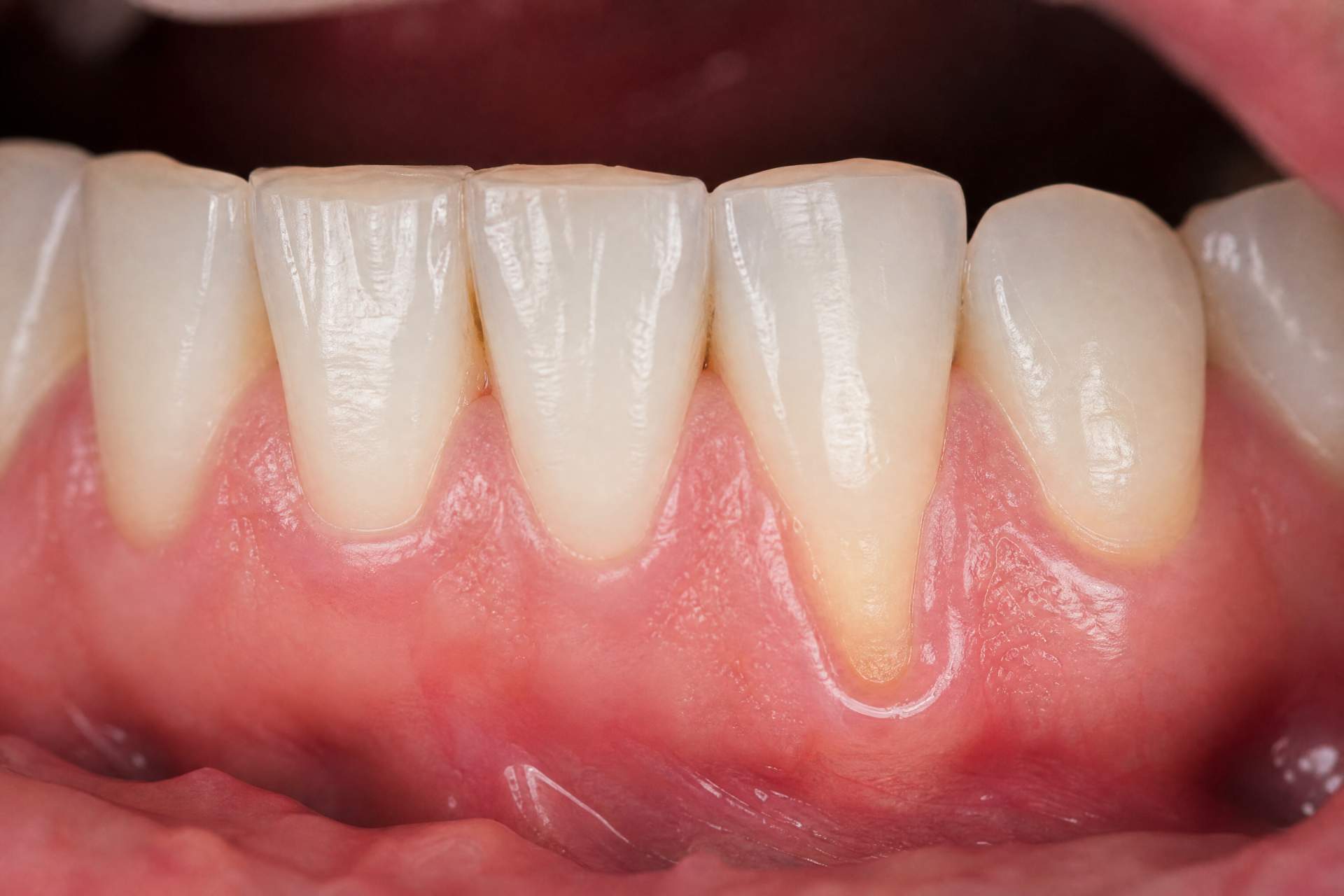
One of the most frequent causes of exposed dentin is gum recession. This occurs when the gum tissue surrounding the teeth pulls back, revealing the root surface. Unlike enamel, which covers the crown of the tooth, the roots are protected by a thinner layer called cementum. When cementum wears away, the dentin underneath is exposed. Aggressive brushing with a hard-bristled toothbrush, untreated gum disease (periodontitis), or even misaligned teeth can contribute to this retreat, turning your once-protected tooth roots into vulnerable zones. The good news is, many of these factors are within our control or can be managed with professional help.
The Acid Attack: Enamel Erosion
Another major player in the sensitivity game is enamel erosion. Our tooth enamel, though the hardest substance in the human body, is susceptible to acid. Frequent consumption of highly acidic foods and drinks – think citrus fruits, sodas, sports drinks, and even some wines – can gradually wear down this protective layer, exposing the underlying dentin. Beyond diet, conditions like acid reflux (GERD) or certain eating disorders can also contribute to enamel erosion, relentlessly stripping away the tooth's natural defense. This isn't about blaming your occasional treat, but recognizing patterns that might be compromising your dental integrity over time.
The Hidden Damage: Cracks and Wear
Sometimes, the cause of sensitivity is less obvious. Tiny cracks in the tooth enamel, often invisible to the naked eye, can provide pathways to the dentin. These can result from teeth grinding (bruxism), clenching, or even biting down on something hard. Similarly, old, worn-out fillings can develop gaps, allowing hot, cold, or sweet stimuli to reach the dentin. Even vigorous chewing or uneven bite forces can contribute to microscopic fractures and wear that compromise your tooth's structure, creating entry points for sensitivity.
Proactive Steps for Lasting Tooth Pain Relief
The good news is that understanding the root causes empowers us to take meaningful action. Managing sensitive teeth is not just about momentary relief but about adopting habits that safeguard your oral health in the long term.
Rethinking Your Brushing Habits
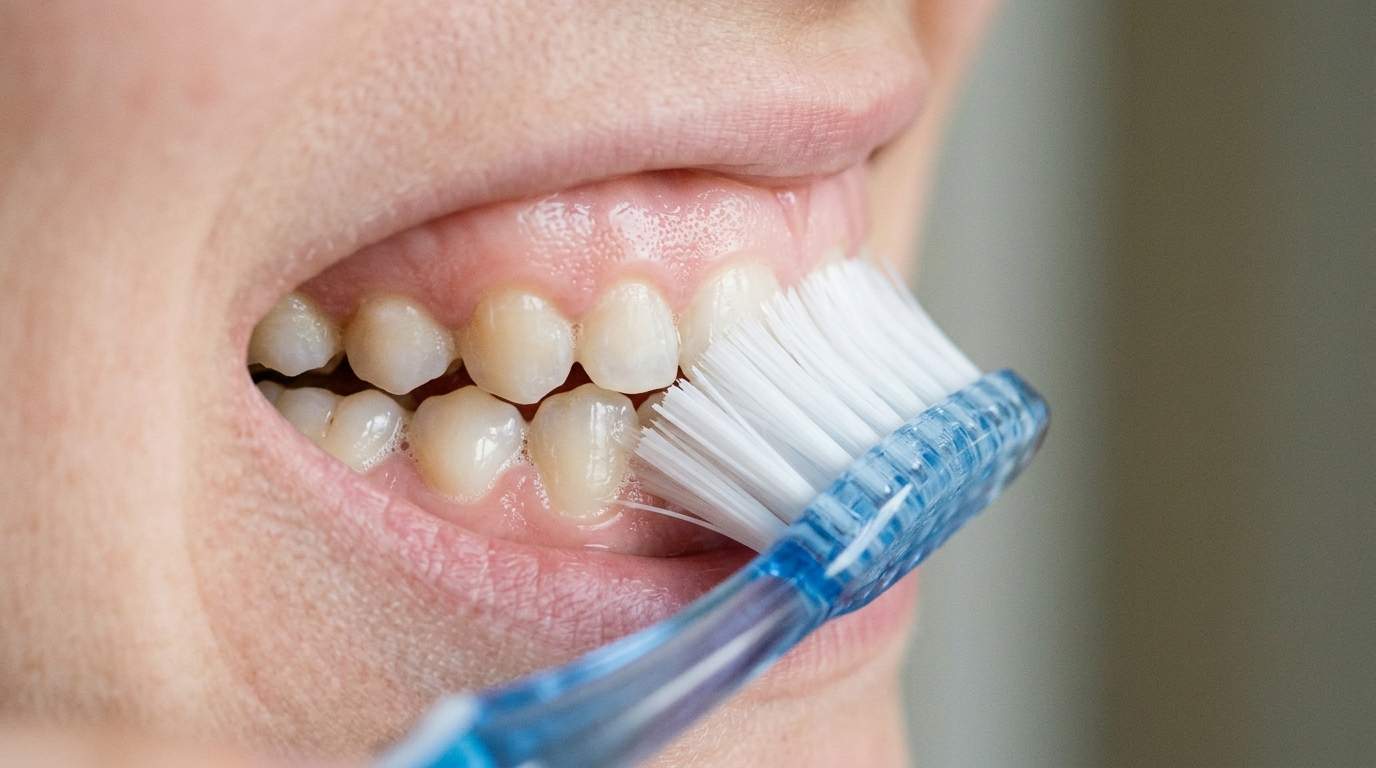
One of the simplest yet most impactful changes you can make is to re-evaluate your brushing technique. Using a soft-bristle toothbrush and brushing with gentle, circular motions (rather than aggressive back-and-forth scrubbing) can prevent further gum recession and enamel abrasion. Consider using a toothpaste specifically formulated for sensitive teeth, which often contains compounds like potassium nitrate or strontium chloride that block the dentinal tubules, reducing nerve sensitivity. Remember, effective cleaning is about technique, not force.
Guarding Against Dietary Acids and Grinding
Be mindful of your intake of highly acidic foods and beverages. When you do consume them, consider rinsing your mouth with water afterward to help neutralize acids. Avoid brushing immediately after consuming acidic items, as this can inadvertently scrub acid into softened enamel. If you suspect you're grinding your teeth, especially at night, discuss it with your dentist. A custom-fitted night guard can protect your teeth from the excessive forces that lead to cracks and wear, offering significant tooth pain relief.
When to Seek Professional Guidance for Sensitive Teeth
While self-management strategies are invaluable, it's crucial to recognize when professional intervention is necessary. If your sensitivity persists despite home care, or if the pain is severe, constant, or localized to a single tooth, it's time to consult your dentist. They can accurately diagnose the underlying cause, which might include more serious issues like a cavity, a fractured tooth, or advanced gum disease. Your dentist might recommend in-office treatments such as fluoride varnishes, dental bonding to cover exposed root surfaces, or even a root canal in severe cases where the pulp is irreversibly inflamed. Your oral health is a cornerstone of your overall well-being, and genuine care often begins with a professional assessment.