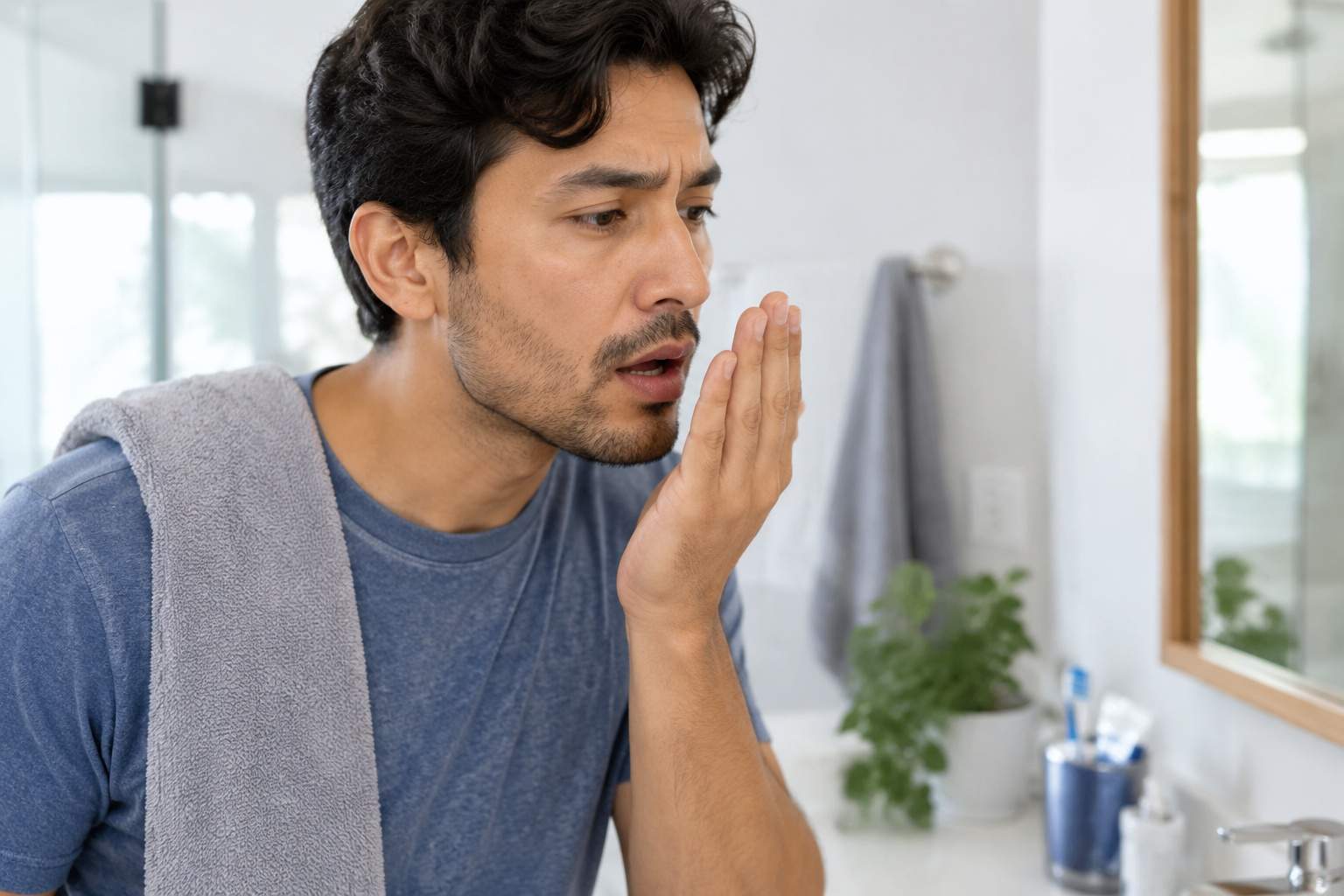
The scenario is all too familiar. You have just completed a rigorous three-minute brushing session, meticulously flossing every gap and finishing with a powerful, stinging capful of minty mouthwash. You feel prepared for your morning presentation. Yet, thirty minutes later, as you sit in the conference room, a distinct sourness creeps toward the back of your throat. You find yourself subtly exhaling into your cupped hand, only to be met with the very scent you thought you had eradicated. There is a specific kind of social anxiety reserved for this moment—a feeling that despite your best efforts at hygiene, your body is somehow betraying you.
E.g. :The Silent Betrayal: Why Brushing Harder Actually Makes Your Bleeding Gums Worse
- 1、The Chemical Mirage Why Strong Alcohol Mouthwash Fails
- 2、Protecting Your Oral Microbiome from Over Cleaning
- 3、Identifying the Hidden Source of Volatile Sulfur Compounds
- 4、Transitioning from Masking to Healing Your Breath
- 5、Best Mouthwash Alternatives and Sustainable Habits
- 6、FAQs
This frustration stems from a fundamental misunderstanding of how the oral ecosystem functions. We have been conditioned to equate a stinging sensation with cleanliness and a heavy perfume of mint with health. However, as a health scientist, I often observe that the more aggressive the cleaning routine, the more we disrupt the delicate biological balance required for truly neutral breath. Halitosis is rarely a matter of "dirty" teeth; it is a complex interaction of bacterial metabolism, tissue topography, and salivary chemistry.
The Chemical Mirage Why Strong Alcohol Mouthwash Fails
Many people reach for alcohol-based mouthwashes because the "burn" feels like it is working. In reality, this is one of the most significant traps in modern oral care. Alcohol is a powerful desiccant, meaning it dries out the soft tissues of the oral cavity. According to data published in the Journal of Clinical and Diagnostic Research, saliva is the most potent natural defense against bad breath. It contains oxygen and antimicrobial enzymes that keep odor-producing bacteria in check.
When you use an alcohol-rich rinse, you temporarily kill bacteria, but you also strip away the moisture that keeps the mouth oxygenated. As the alcohol evaporates, your mouth becomes a dry, low-oxygen environment. This is the perfect breeding ground for anaerobic bacteria—the specific microbes responsible for producing foul-smelling gases. Consequently, the "minty fresh" feeling is merely a brief mask that sets the stage for a stronger rebound of odor just an hour later.
Protecting Your Oral Microbiome from Over Cleaning
We often approach oral hygiene with a scorched-earth mentality, attempting to sterilize the mouth entirely. However, the oral cavity is home to a diverse microbiome of billions of bacteria, many of which are beneficial. These "good" bacteria act as a primary defense, occupying space and consuming resources that would otherwise be used by the pathogens that cause decay and odor.
The Role of Beneficial Bacteria in Fresh Breath
When we use overly aggressive antibacterial agents, we do not just kill the bad actors; we decimate the protective populations. Research from the University of Plymouth has suggested that using strong antibacterial mouthwash can even affect systemic health, such as blood pressure, by killing the bacteria that help produce nitric oxide. In the context of breath, a depleted microbiome lacks the resilience to prevent the overgrowth of Volatile Sulfur Compound (VSC) producing microbes. Truly fresh breath is not the result of a sterile mouth, but a balanced one.
Identifying the Hidden Source of Volatile Sulfur Compounds
If you are brushing your teeth but still notice an odor, the problem likely resides on a surface you are neglecting. The teeth account for only about 20 percent of the surface area of the mouth. The remaining 80 percent—including the cheeks, the floor of the mouth, and most importantly, the tongue—is where the real metabolic activity occurs.
Why Your Tongue Is the True Epicenter of Odor
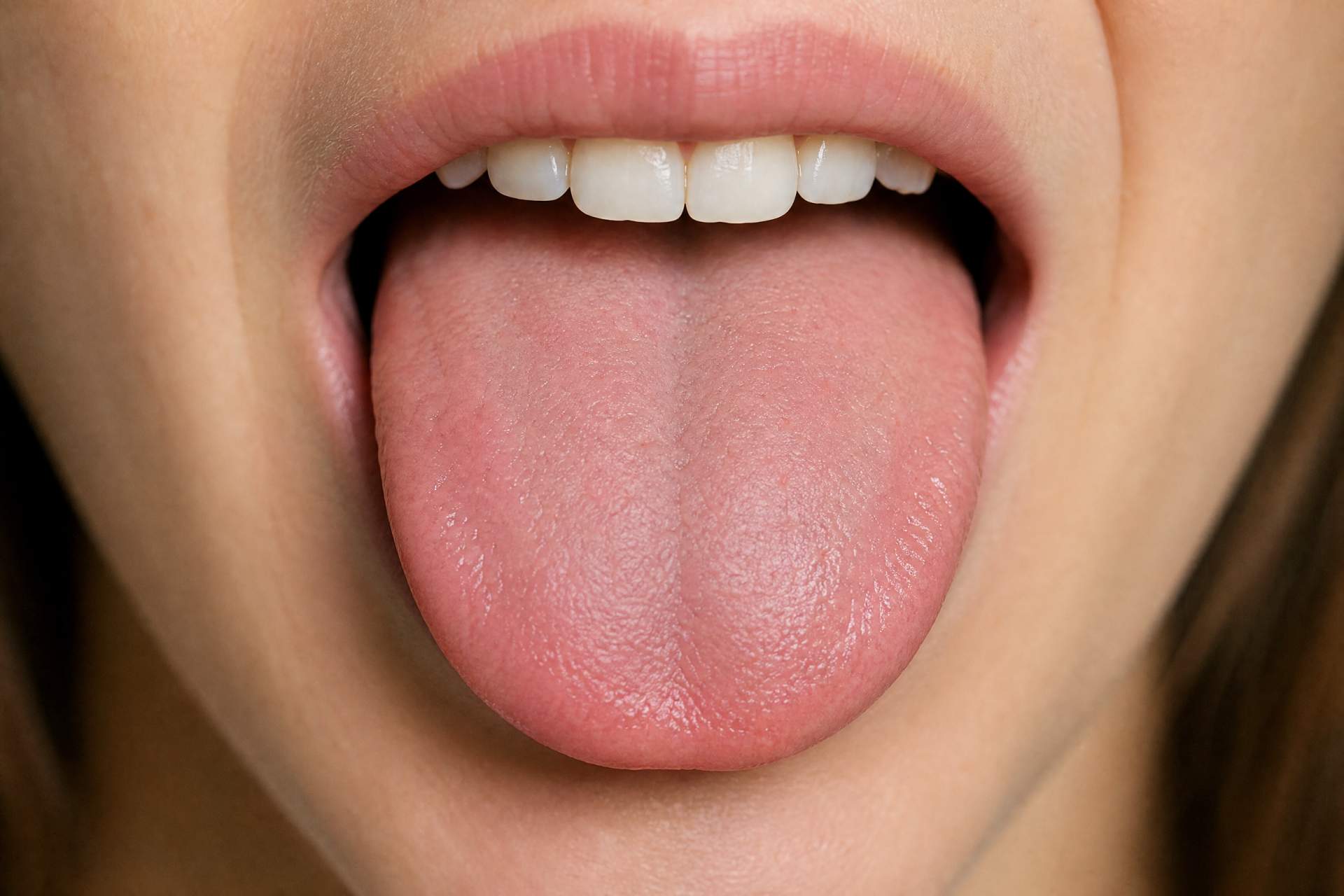
The tongue is not a smooth surface; it is a complex landscape of papillae, which are tiny, finger-like projections. These projections create deep microscopic valleys that serve as a sanctuary for debris and anaerobic bacteria. A study in the Journal of Natural Science, Biology and Medicine highlights that approximately 80 to 90 percent of all cases of halitosis originate from the back of the tongue. Here, bacteria break down proteins from food and cellular debris, releasing gases like hydrogen sulfide (which smells like rotten eggs) and methyl mercaptan. If you are not physically debriding this area, you are leaving the source of the smell untouched.
Transitioning from Masking to Healing Your Breath
The path to resolving persistent halitosis involves a shift from "masking" to "managing." This requires moving away from harsh chemicals and focusing on supporting the mouth’s natural physiology. The goal is to facilitate a high-oxygen, high-moisture environment where beneficial bacteria can thrive.
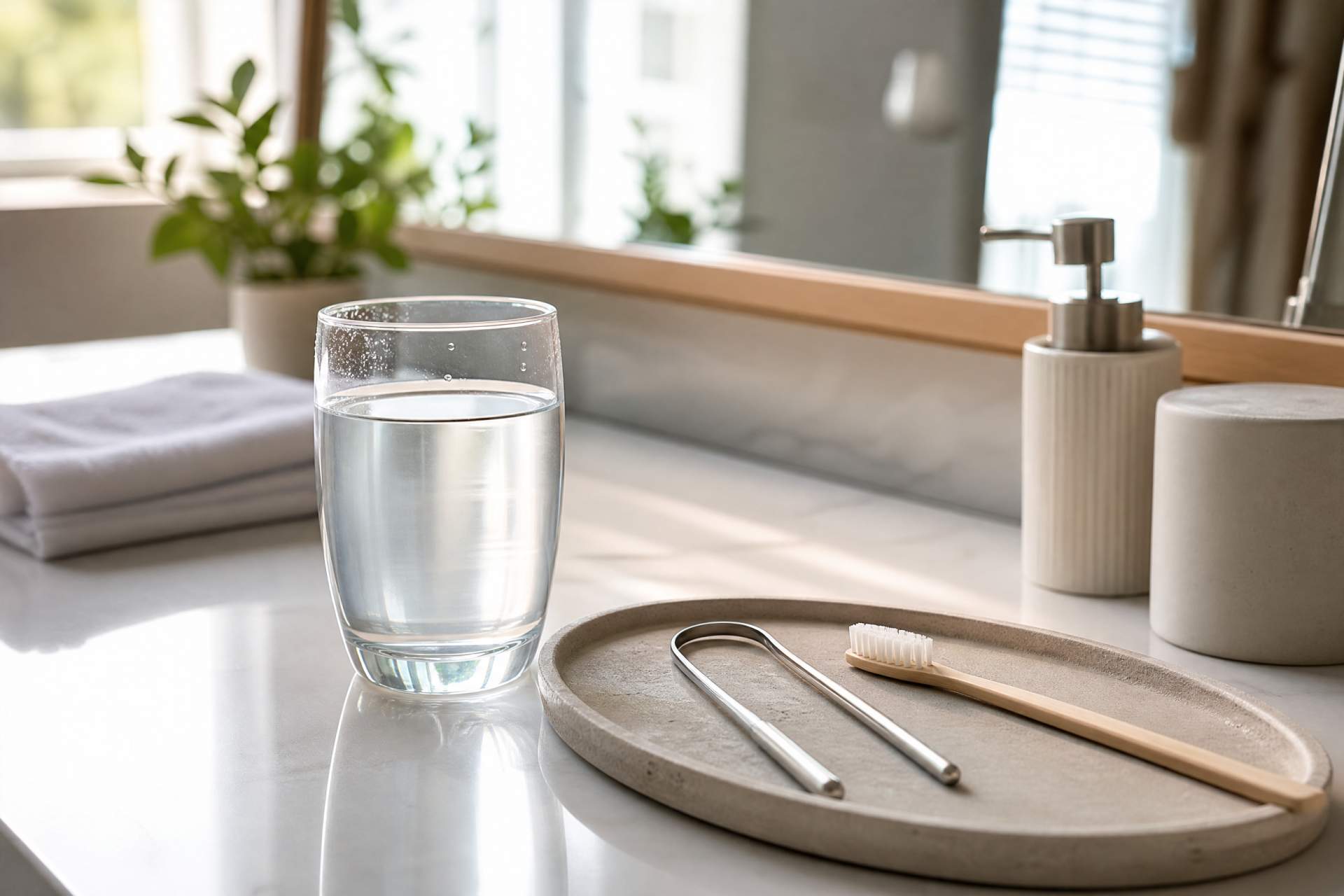
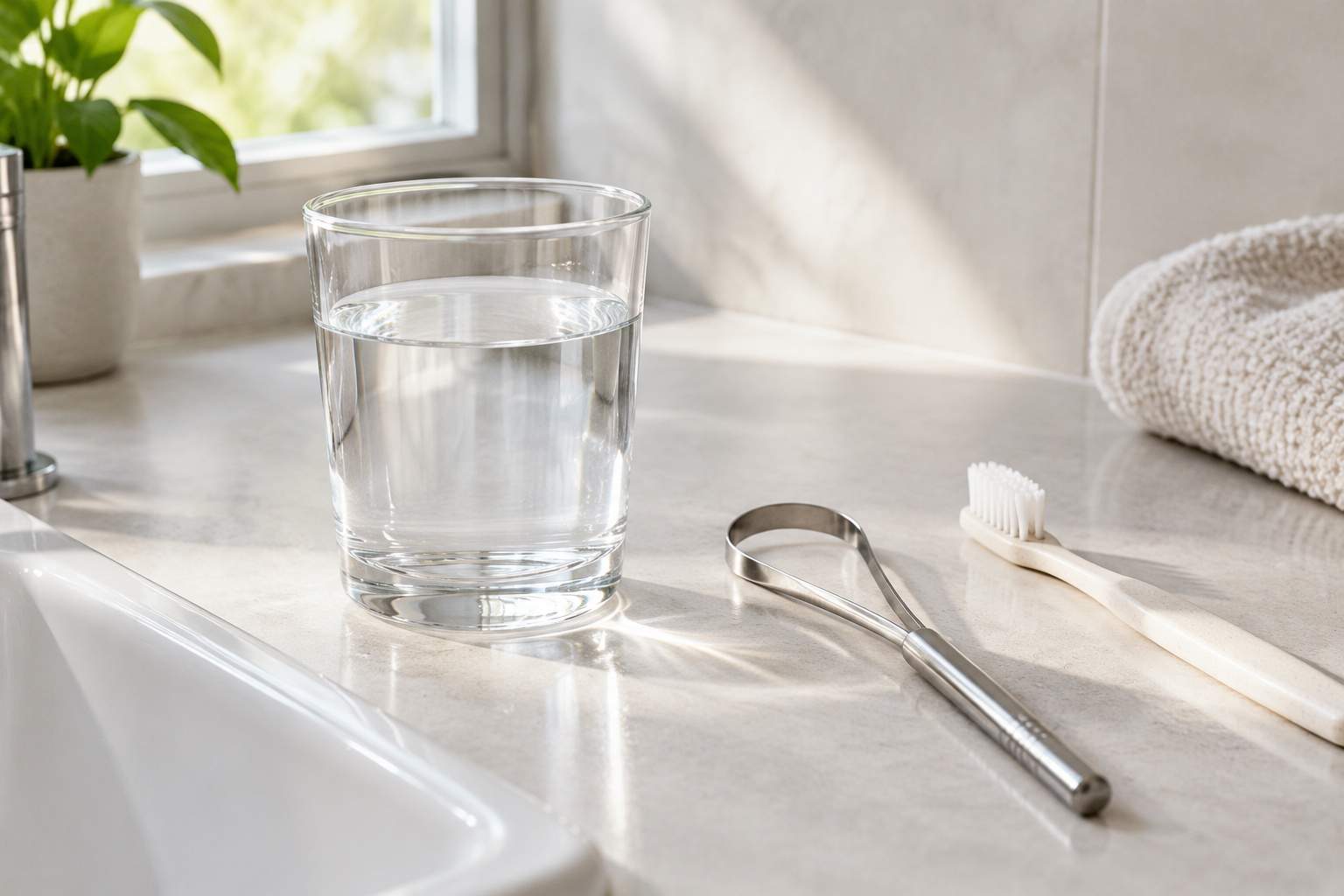
Hydration plays a pivotal role here. Water does more than just wash away food particles; it ensures that the salivary glands have the resources they need to produce a steady flow of protective fluid. If you find yourself frequently stressed or consuming high levels of caffeine—both of which reduce saliva—your breath will suffer regardless of how often you brush. It is a biological reality that a dry mouth is a smelly mouth.
Best Mouthwash Alternatives and Sustainable Habits
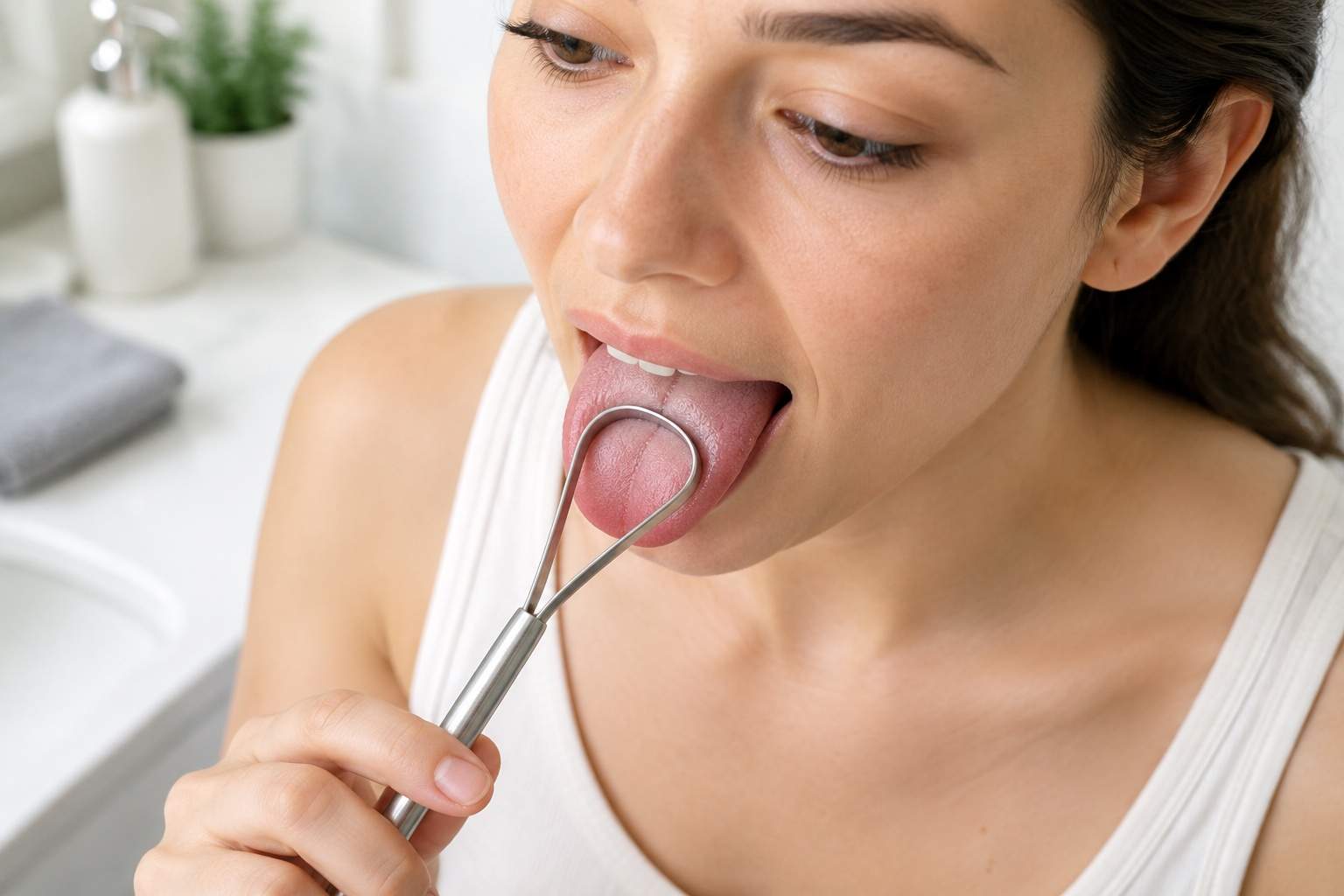
Instead of reaching for the strongest bottle on the shelf, look for formulations that support the oral environment. pH-balanced, alcohol-free rinses help maintain the integrity of the oral mucosa without causing the rebound dryness mentioned earlier. Furthermore, integrating a physical mechanical cleaning of the tongue into your morning routine can be more effective than any liquid rinse.
The Importance of Mechanical Debridement
Using a dedicated tongue scraper is significantly more effective at removing the biofilm of VSC-producing bacteria than a toothbrush alone. While a brush tends to move the biofilm around, a scraper lifts and removes the accumulated debris. When combined with cleaning the spaces between the teeth—where oxygen cannot easily reach—you effectively dismantle the "factories" that produce malodor. This approach is not about creating a temporary scent, but about fundamentally altering the chemistry of your oral cavity.