You’re enjoying a perfectly good ice cream cone, then bam! – that familiar, sharp jolt of pain shoots through your tooth. Or maybe it's just a sip of hot coffee, or even a breath of cold morning air that sends a shiver down your spine. This isn't just a minor annoyance; it's your mouth signaling a deeper issue. The unpredictable, sharp, and often debilitating pain when your teeth are exposed to hot, cold, sweet, or acidic foods and drinks, turning everyday eating into a cautious ordeal, is a lived reality for many. You've tried "sensitive" toothpastes, but the relief is often temporary or non-existent, leaving you wondering if anything truly helps. This common struggle, medically known as dentin hypersensitivity, is more than a fleeting discomfort; it's a window into the delicate balance of your oral health, and understanding its true origins is the first step toward lasting relief.
E.g. :Why Your Brushing Routine Fails: The Hidden Biology of Persistent Morning Breath
- 1、The Unseen Vulnerability: Decoding Tooth Sensitivity Causes
- 2、Beyond the Surface: Challenging Conventional Sensitive Teeth Relief
- 3、The Science of Soothe: What Really Works for Sensitive Teeth
- 4、Mindful Maintenance: Preventing Future Jolts and Home Remedies for Sensitive Teeth
- 5、FAQs
The Unseen Vulnerability: Decoding Tooth Sensitivity Causes
Many people dismiss tooth sensitivity as an inevitable part of aging or a minor inconvenience. However, the root of this pain lies in the intricate anatomy of your teeth. At the core of every tooth is the pulp, a soft tissue containing nerves and blood vessels. Surrounding the pulp is dentin, a porous layer crisscrossed by thousands of microscopic tubules. These tubules lead directly to the pulp. Under normal circumstances, the dentin is protected by a layer of hard enamel on the crown and cementum on the root. When these protective layers are compromised, the dentin tubules become exposed, creating direct pathways for external stimuli – hot, cold, sweet, or acidic – to reach the nerves within the pulp, triggering that characteristic sharp pain.
The Enamel's Retreat and Dentin's Exposure
Enamel, the hardest substance in the human body, is remarkably resilient but not invincible. Factors such as aggressive brushing, teeth grinding (bruxism), consuming highly acidic foods and drinks, and even certain medical conditions can lead to enamel erosion or abrasion. When enamel wears thin, it exposes the underlying dentin. This exposure marks the primary pathway for sensitivity. Research consistently shows that dietary acids, in particular, play a significant role in softening enamel, making it more susceptible to abrasive forces, and thus contributing significantly to tooth sensitivity causes.
The Gum Line's Silent Warning: Gum Recession Sensitive Teeth
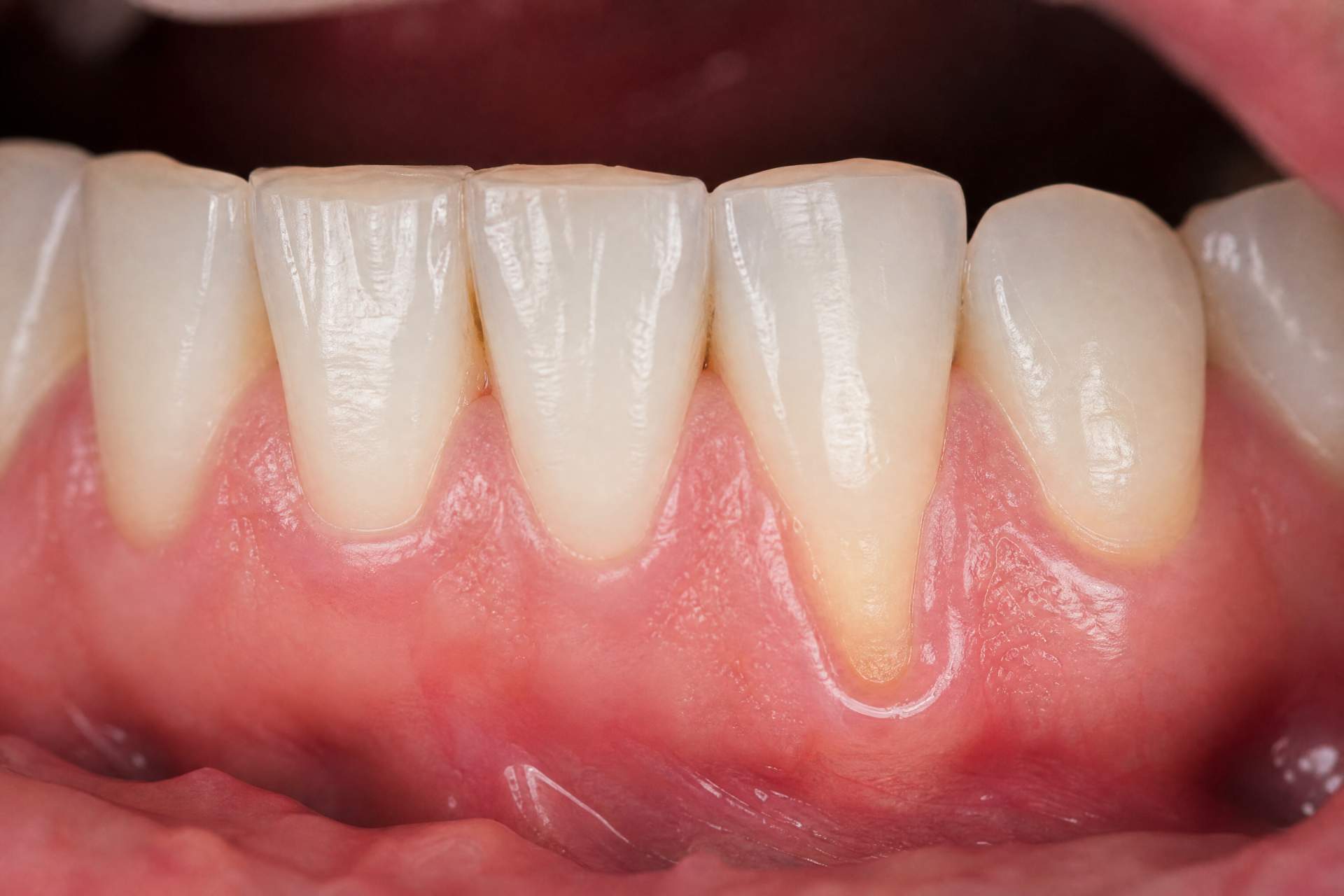
Beyond enamel erosion, another major contributor to dentin exposure is gum recession sensitive teeth. The gums are meant to protect the roots of your teeth, which are covered by cementum, a softer material than enamel. When gums recede, due to factors like periodontal disease, aggressive brushing, or even genetic predisposition, the cementum-covered root surfaces become exposed. This exposure is critical because cementum wears away more easily than enamel, quickly leaving the dentin tubules on the root surface vulnerable. A significant portion of adults over 30 experience some degree of gum recession, making it a widespread underlying cause of persistent sensitivity.
Beyond the Surface: Challenging Conventional Sensitive Teeth Relief
The market is flooded with "sensitive" toothpastes promising quick fixes. While many do offer some sensitive teeth relief, it's crucial to understand their mechanisms – and their limitations. Most sensitive toothpastes work by either desensitizing the nerve endings in the pulp (e.g., potassium nitrate) or by physically blocking the dentinal tubules (e.g., strontium chloride, stannous fluoride, or arginine formulations). These approaches can provide temporary relief by interfering with the pain signal or reducing the direct exposure.
However, a critical question often overlooked is whether these products address the underlying cause of the sensitivity. If your sensitivity stems from ongoing enamel erosion or progressive gum recession due to aggressive brushing technique, a toothpaste might mask the pain without stopping the damage. In some cases, relying solely on these toothpastes without a proper diagnosis and intervention for the root cause could inadvertently allow the problem to worsen, leading to more significant dental issues down the line. It's a bit like putting a bandage on a bleeding wound without knowing if the wound is getting deeper.
The Science of Soothe: What Really Works for Sensitive Teeth
True, lasting sensitive teeth relief often requires a multi-faceted approach that goes beyond simply alleviating symptoms. It involves identifying and mitigating the specific factors contributing to your unique situation.
Rebuilding Defenses: The Role of Specific Toothpaste Ingredients
For many, specialized toothpastes are indeed part of the solution, but understanding which ingredients work for what mechanism is key.
- Potassium Nitrate: This compound works by depolarizing the nerve fibers within the dentin, essentially numbing them to external stimuli. It doesn't block the tubules but interrupts the pain signal.
- Stannous Fluoride: Beyond its cavity-fighting properties, stannous fluoride has been shown to occlude (block) dentinal tubules and possess antimicrobial properties that can benefit gum health.
- Novamin (Calcium Sodium Phosphosilicate): This advanced ingredient releases calcium and phosphate ions that integrate into the dentin, forming a protective mineral layer similar to the tooth's natural structure, effectively sealing the exposed tubules.
- Arginine and Calcium Carbonate: Some formulations utilize arginine, an amino acid, combined with calcium carbonate to plug the dentinal tubules, offering rapid and sustained relief.
When choosing the best toothpaste for sensitive teeth, consider one with these clinically proven ingredients, and commit to consistent, twice-daily use for at least 2-4 weeks to see optimal results.
When OTC Isn't Enough: Professional Interventions
If over-the-counter products don't provide adequate relief, or if your sensitivity is severe, a dental professional can offer targeted treatments.
- Fluoride Varnishes or Gels: Applied directly to sensitive areas, these highly concentrated fluoride treatments strengthen enamel and dentin, and help block exposed tubules.
- Bonding Agents or Dental Sealants: For isolated areas of severe erosion or exposed root surfaces, your dentist can apply a resin or sealant to cover and protect the vulnerable dentin.
- Gum Grafts: In cases of significant gum recession sensitive teeth, a minor surgical procedure called a gum graft can replace lost gum tissue, covering exposed roots and providing long-term protection.
- Nightguards: If bruxism (teeth grinding) is the culprit for enamel wear, a custom-fitted nightguard can protect your teeth from further damage.
- Root Canal Treatment: In rare, extreme cases where sensitivity is caused by irreversible damage to the tooth pulp, a root canal may be the only definitive solution.
Mindful Maintenance: Preventing Future Jolts and Home Remedies for Sensitive Teeth
Prevention is always better than cure, and this holds true for tooth sensitivity. Integrating thoughtful habits into your daily routine can significantly reduce your risk of future jolts.
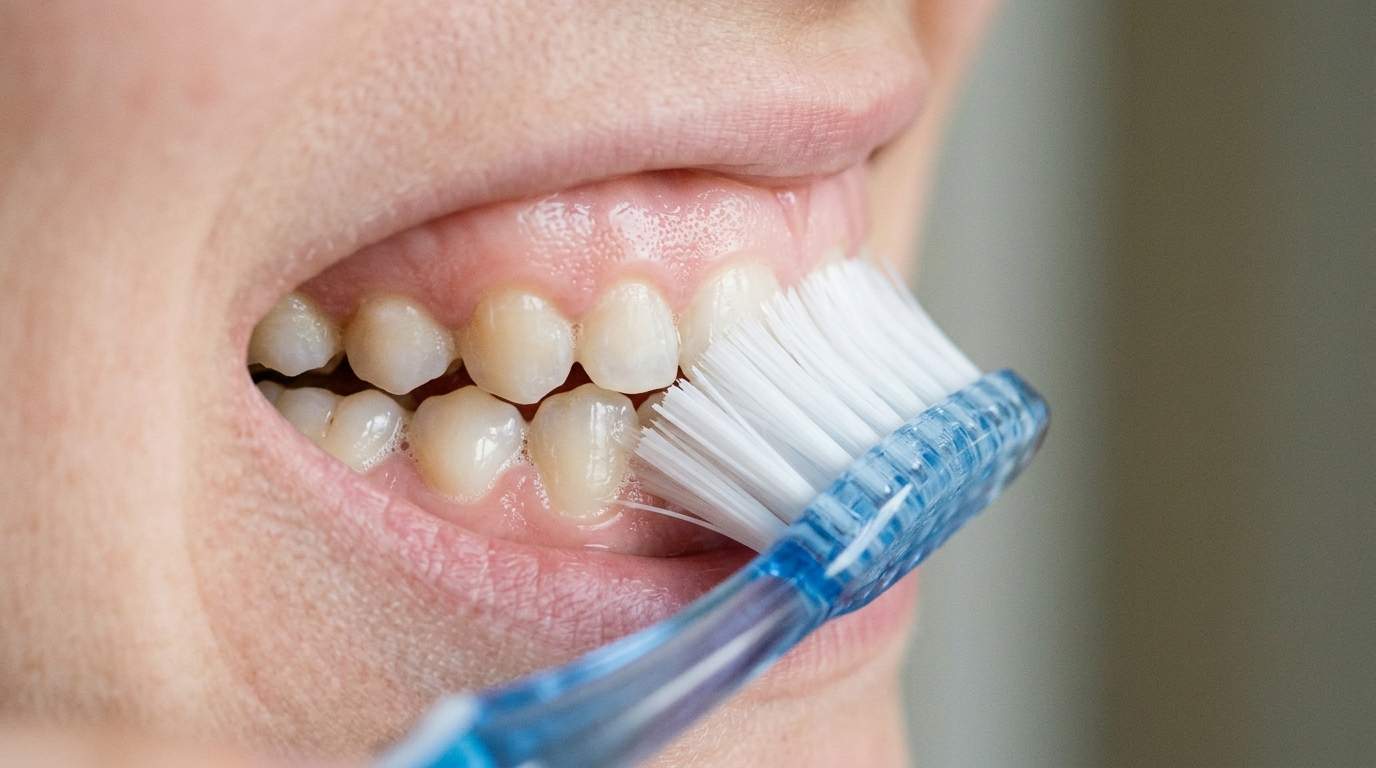
- Gentle Brushing: Use a soft-bristled toothbrush and a gentle, circular motion. Aggressive brushing not only contributes to gum recession but also wears away enamel.
- Dietary Awareness: Limit highly acidic foods and drinks like sodas, citrus fruits, and vinegars. When you do consume them, consider rinsing your mouth with water afterward to neutralize acids, but wait at least 30 minutes before brushing to allow enamel to re-harden.
- Regular Dental Check-ups: Consistent visits to your dentist allow for early detection and intervention of issues like enamel erosion, gum recession, or developing cavities that can lead to sensitivity.
- Home Remedies for Sensitive Teeth: While not a substitute for professional care, some simple practices can offer supplementary relief. Rinsing with warm salt water can soothe inflamed gums if recession is a factor. Some individuals find that applying a small amount of sensitive toothpaste directly to the affected tooth with a clean finger before bed can enhance its efficacy by allowing the active ingredients more contact time. However, always consult your dentist before relying solely on home remedies.
Ultimately, your journey to freedom from the daily jolt begins with informed action. By understanding the underlying mechanics of sensitive teeth, challenging assumptions about quick fixes, and embracing a holistic approach to oral care, you can transition from cautious chewing to confidently enjoying life's simple pleasures, one delicious bite at a time.