You’ve just finished brushing your teeth for the morning, feeling momentarily refreshed. That minty burst promises a clean slate, a confident start to your day. Yet, an hour later, after a quick coffee or simply a quiet moment, a subtle self-consciousness creeps in. Perhaps you covertly check your breath, or maybe you wake up every morning with that familiar, unwelcome taste, despite your diligent routine. The frustration is palpable: you brush twice daily, floss diligently, and even arm yourself with strong mouthwash, yet lasting fresh breath feels like an elusive, temporary battle. What if the very fixes you rely on are missing the fundamental point?
E.g. :Why Your Brushing Routine Fails: The Hidden Biology of Persistent Morning Breath
- 1、The Unseen Culprits: Beyond the Toothbrush's Reach
- 2、Morning Breath Mysteries: Unraveling Its Persistent Roots
- 3、Halitosis Treatment: Rethinking Your Daily Rituals
- 4、The Real Root of Lasting Cleanliness: A Holistic Approach
- 5、Cultivating Consistent Fresh Breath: A Sustainable Path
The Unseen Culprits: Beyond the Toothbrush's Reach
Many believe that a thorough brushing session and a good swish of mouthwash are the ultimate guardians against bad breath. While these are crucial components of oral hygiene, they often address only the symptoms, not the deep-seated origins of unpleasant odors. The core issue, known medically as halitosis, frequently stems from more complex biological processes happening right inside your mouth, often beyond the reach of a standard toothbrush.
The Silent Architects of Odor: Anaerobic Bacteria
The primary culprits behind most cases of bad breath are anaerobic bacteria thriving in your mouth. These microorganisms flourish in oxygen-deprived environments and feast on food particles, dead cells, and post-nasal drip. As they break down these proteins, they release a symphony of Volatile Sulfur Compounds (VSCs), such as hydrogen sulfide (rotten eggs smell) and methyl mercaptan (fecal odor). These VSCs are the chemical signatures of bad breath. Astonishingly, it's estimated that approximately 1 in 4 people worldwide experience chronic halitosis, often due to these bacterial activities, according to various studies published in journals like the Journal of Clinical Periodontology. Simply brushing might disturb them temporarily, but it rarely eradicates their persistent colonies.
Your Tongue: A Neglected Reservoir?
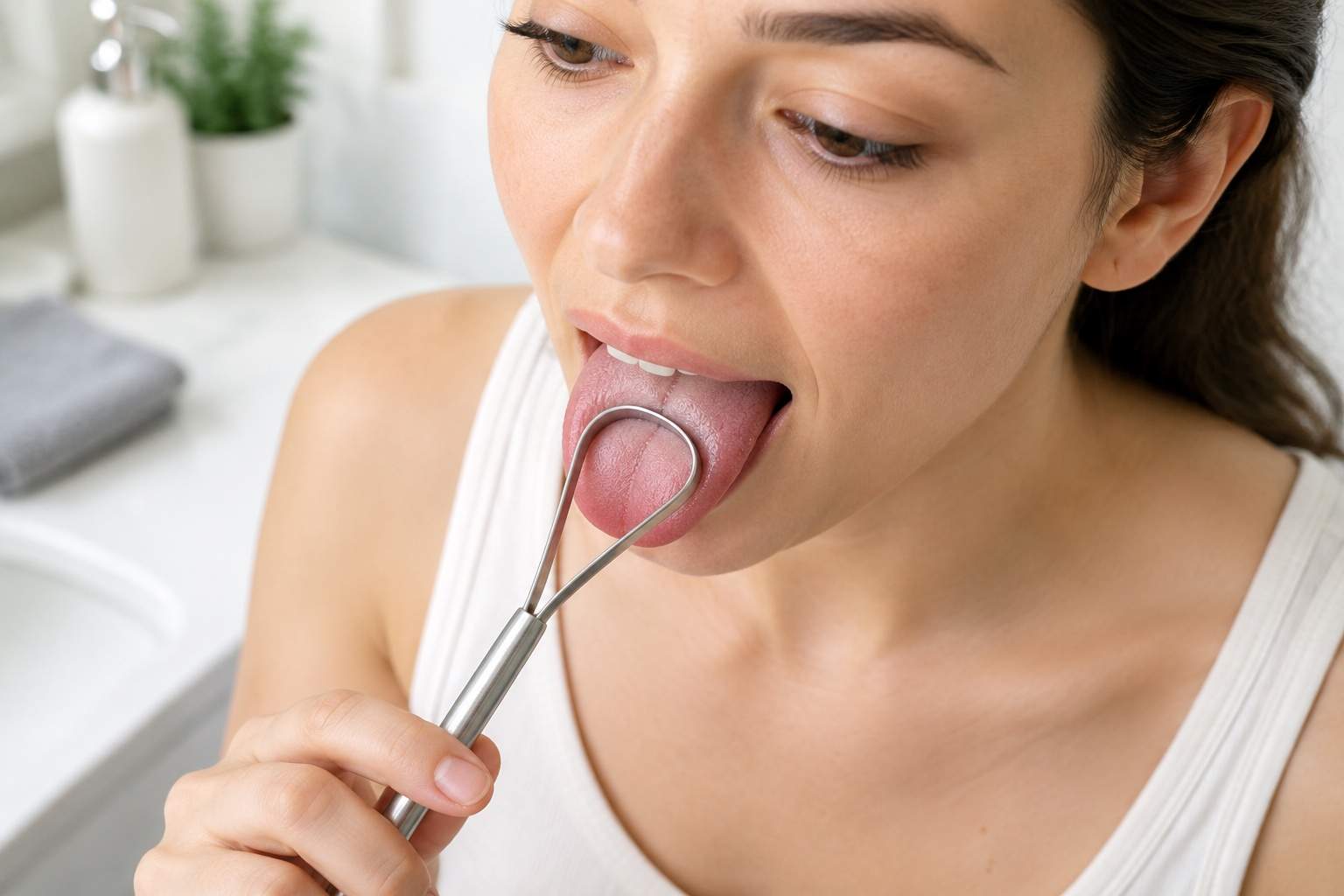
Consider your tongue. It's not a smooth, sterile surface; rather, it's covered in tiny papillae that create an ideal, carpet-like environment for bacteria to hide, especially on its posterior surface. A significant portion of VSC-producing bacteria reside within the crevices of your tongue’s surface, beneath a thick coating of food debris, dead cells, and mucus. Brushing your teeth alone will not adequately clean this crucial area. Many individuals, despite rigorous brushing, overlook the tongue, leaving behind a major reservoir for the very bacteria that generate bad breath. This is why incorporating tools like a tongue scraper can be a game-changer, mechanically lifting and removing this bacterial film that brushing alone cannot dislodge.
Morning Breath Mysteries: Unraveling Its Persistent Roots
The phenomenon of morning breath is perhaps the most common and universally understood form of temporary halitosis. It's a daily reminder that our oral environment undergoes significant changes while we sleep, setting the stage for bacterial proliferation and the subsequent release of odor-causing compounds. Understanding these nighttime processes is key to mitigating its effects.
The Nighttime Drought: Saliva's Role
During sleep, our salivary glands significantly reduce their production. Saliva is our mouth's natural cleansing agent, continuously washing away food particles, neutralizing acids, and limiting bacterial growth. Its antimicrobial properties are a first line of defense. When saliva flow decreases at night, the mouth becomes drier, creating an ideal, stagnant environment for anaerobic bacteria to multiply unchecked. This reduced cleansing action, coupled with hours of inactivity, allows VSCs to accumulate, leading to that characteristic unpleasant taste and odor upon waking. Factors like sleeping with an open mouth or certain medications can further exacerbate this nocturnal dry spell.
Beyond the Oral Cavity: Systemic Connections
While most bad breath originates in the mouth, it’s important to acknowledge that sometimes the problem lies deeper, connected to broader health conditions. Sinus infections, post-nasal drip, tonsil stones, or even conditions like acid reflux can contribute to halitosis. Bacteria from respiratory issues or the back of the throat can trickle down, feeding oral bacteria. Furthermore, certain systemic diseases such as uncontrolled diabetes (which can cause a fruity, acetone-like breath) or liver and kidney diseases (resulting in a fishy or ammonia-like smell) can manifest as distinctive breath odors. While less common, these underlying medical conditions underscore the importance of a comprehensive approach to persistent halitosis, and recognizing when to seek professional medical advice.
Halitosis Treatment: Rethinking Your Daily Rituals
To truly conquer halitosis and achieve lasting fresh breath, we must move beyond quick fixes and embrace a more comprehensive approach that addresses the root causes. This means adjusting not just what you clean, but how you clean, and understanding the role of your body's natural defenses.
The Power of Mechanical Cleansing: More Than Just Brushing
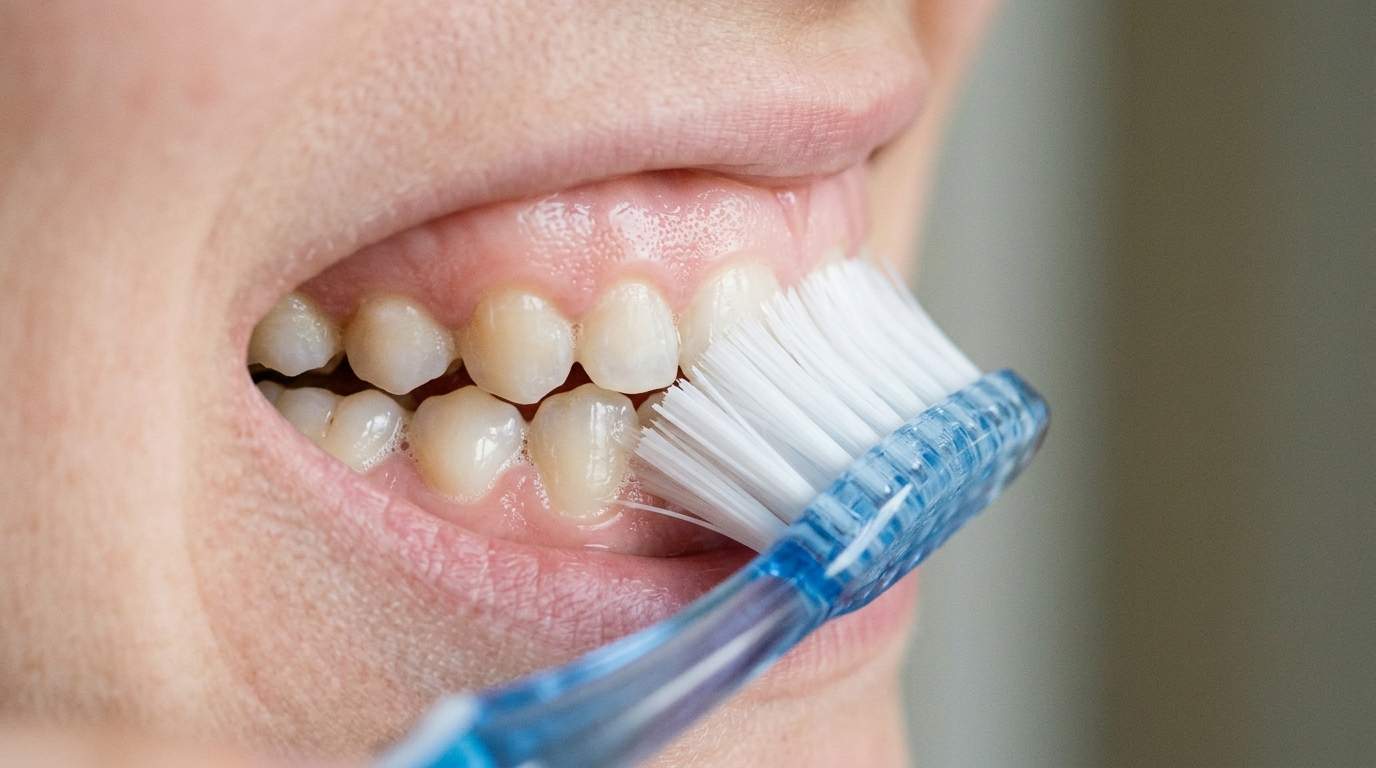
While brushing remains fundamental, its efficacy can be amplified. For halitosis treatment, a proper brushing technique that reaches all tooth surfaces, including the often-missed gumline, is crucial. However, the most significant mechanical enhancement comes from thoroughly cleaning your tongue. A dedicated tongue scraper, used daily, can physically remove the bacterial biofilm responsible for a large percentage of oral malodor. Think of it as raking leaves from a lawn—it lifts and discards the debris, something a gentle sweep (like brushing) often leaves behind. Moreover, interdental cleaning—flossing, interdental brushes, or water flossers—is non-negotiable. These tools reach between teeth and under the gumline where food particles and plaque accumulate, areas a toothbrush cannot effectively clean, preventing the buildup that feeds odor-causing bacteria.
Hydration and Saliva Flow: Nature's Own Rinse
Since dry mouth (xerostomia) is a major contributor to bad breath, maintaining optimal hydration is a simple yet powerful strategy for how to get rid of bad breath. Drinking plenty of water throughout the day helps to wash away food debris and stimulates saliva production. If you suffer from chronic dry mouth, especially at night, consider saliva-stimulating lozenges or sugar-free gum containing xylitol. Xylitol not only promotes saliva flow but also inhibits the growth of certain oral bacteria, offering a dual benefit. Avoid alcohol-based mouthwashes, as they can further dry out the mouth and exacerbate the problem in the long run.
The Real Root of Lasting Cleanliness: A Holistic Approach
Achieving fresh breath that truly lasts isn't just about what happens in your mouth; it’s intrinsically linked to your overall health and lifestyle. A holistic perspective acknowledges that the mouth is a window to the body, and systemic factors can significantly influence your oral environment.
Gut Health and Dietary Influences
The connection between gut health and oral health is increasingly recognized. An imbalanced gut microbiome can sometimes contribute to bad breath, as certain compounds produced during digestion can be absorbed into the bloodstream and released through the lungs. Similarly, your diet plays a direct role. Consuming pungent foods like garlic and onions can cause temporary bad breath as their compounds enter the bloodstream and are expelled through the lungs. However, a diet high in processed sugars can feed oral bacteria, leading to increased VSC production. Incorporating a balanced diet rich in fruits, vegetables, and lean proteins, and reducing sugary snacks, can support both oral and overall health.
Professional Guidance: When to Seek Expert Help
If, despite diligent efforts with your oral hygiene routine and lifestyle adjustments, persistent bad breath continues to be a concern, it's wise to consult a dental professional. They can rule out underlying dental issues such as periodontal disease, cavities, or abscesses, all of which are significant contributors to morning breath causes and chronic halitosis. Furthermore, your dentist can provide tailored advice, advanced cleaning techniques, and recommend specialized products. If an oral origin is ruled out, they may refer you to a physician to investigate potential systemic causes, ensuring a comprehensive approach to your health.
Cultivating Consistent Fresh Breath: A Sustainable Path
Achieving truly lasting fresh breath is not about finding a magic bullet, but rather cultivating a consistent, informed approach to your oral and overall health. It’s about understanding the subtle interplay of bacteria, saliva, and systemic factors. By embracing mechanical cleansing beyond just brushing, prioritizing hydration, and considering the broader impact of your diet and general well-being, you can transition from temporary fixes to sustainable, genuine oral cleanliness. This journey is about empowerment – taking charge of your health with knowledge and intentional action, ultimately leading to greater confidence and comfort in your daily interactions.