That distinctive, often unwelcome sensation upon waking – a mouth that feels parched, coated, or distinctly "off" – is a universally shared experience. For many, it's a transient morning ritual, quickly dispelled by a toothbrush and toothpaste. But what if that unpleasant taste, or the awareness of your own breath, persists throughout the day, leaving you feeling perpetually self-conscious despite meticulous brushing and flossing? It's a common dilemma, leading to a quiet frustration that undermines confidence and makes you wonder if your diligent efforts are somehow missing the mark, or if a deeper, unspoken issue is at play. This isn't merely about social etiquette; it's about understanding the intricate biology of your oral cavity and cultivating a genuine sense of inner freshness.
E.g. :The Unseen Architects: Why Your Morning Breath Defies Daily Brushing
- 1、The Morning After: Unmasking the Roots of Bad Breath
- 2、Beyond the Brush: Why Your Daily Routine Might Fall Short
- 3、The Mouthwash Paradox: A Fresh Breath Facade?
- 4、Cultivating Lasting Freshness: A Holistic Approach to Oral Health
- 5、When to Seek Professional Insight: Beyond Self-Management
The Morning After: Unmasking the Roots of Bad Breath
The phenomenon of morning breath, or more broadly, halitosis, is rarely a matter of poor hygiene alone, although that certainly plays a role. Instead, it's a fascinating interplay of biological processes, primarily the activity of specific bacteria residing in your mouth. As we sleep, our salivary flow significantly decreases – by as much as 50% to 70% in some individuals, according to studies on salivary gland function. Saliva is our body's natural oral cleanser, washing away food particles and bacteria. Without its protective flow, bacteria thrive, particularly the anaerobic varieties that don't require oxygen. These microscopic inhabitants feast on protein residues from food and dead cells, metabolizing them into an array of malodorous compounds known as Volatile Sulfur Compounds (VSCs), such as hydrogen sulfide and methyl mercaptan. These are the very compounds responsible for that characteristic "rotten egg" or "cabbage-like" smell associated with bad breath.
The Silent Architects: Oral Bacteria and Volatile Sulfur Compounds
While countless bacteria inhabit our mouths, specific anaerobic gram-negative bacteria, often found in the crevices of the tongue and below the gumline, are the primary culprits in VSC production. Research published in the Journal of Periodontology consistently identifies these specific microbial species as the main drivers of halitosis. They are opportunistic and flourish in low-oxygen environments, making the sleeping mouth an ideal breeding ground. Understanding this microbial activity is the first step towards truly addressing the problem, moving beyond the superficial notion of simply "dirty mouth."
Sleep's Unsung Role: Saliva Flow and Dry Mouth
Beyond reduced salivary flow during sleep, factors like mouth breathing, certain medications (over 400 medications can cause dry mouth, or xerostomia), alcohol consumption, and even snoring can exacerbate oral dryness. A persistently dry mouth further concentrates VSCs and prevents the natural mechanical cleansing of the mouth, setting the stage for more pronounced morning breath. Consider Sarah, a diligent brusher who always felt a distinct sourness by mid-morning. We discovered her habit of mouth breathing during sleep, coupled with a mild allergy medication, significantly reduced her saliva, creating a breeding ground for those unwelcome VSCs.

Beyond the Brush: Why Your Daily Routine Might Fall Short
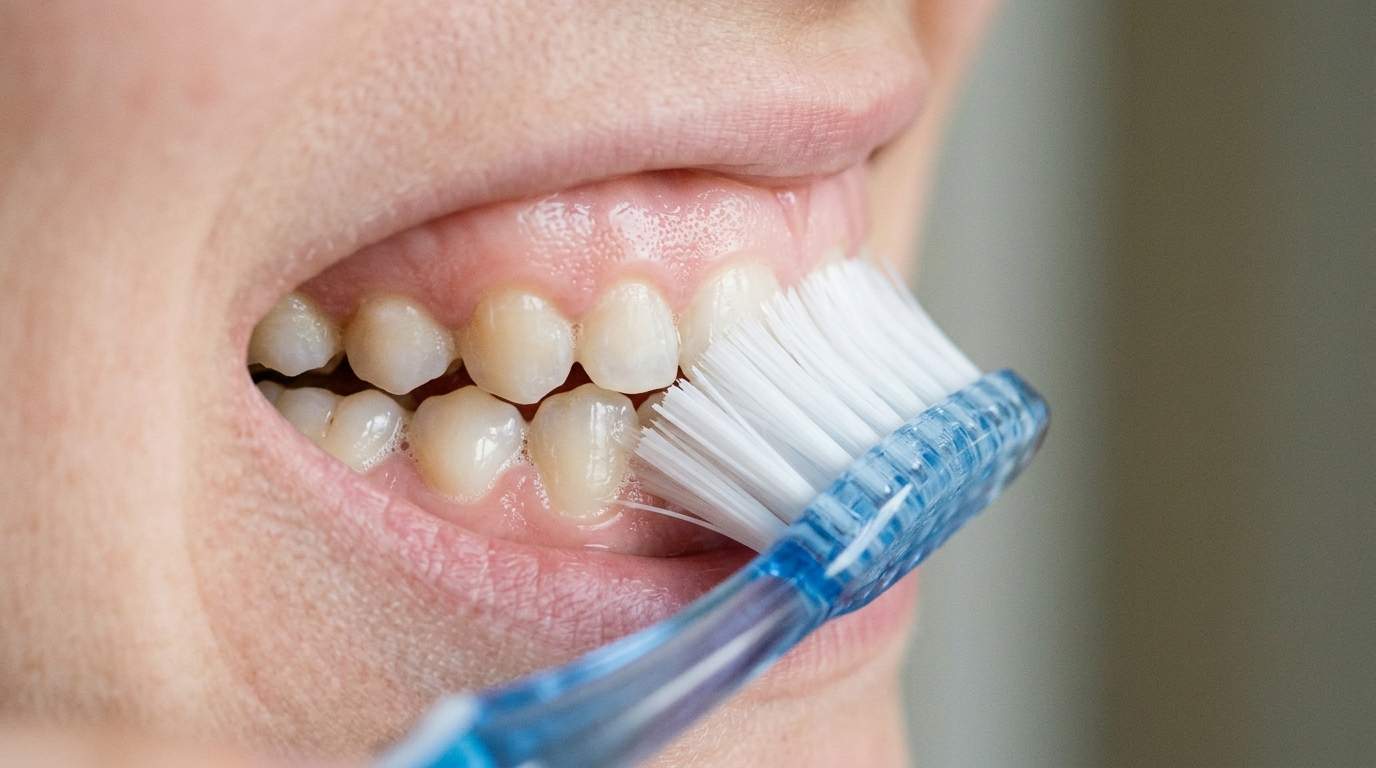
Many of us are taught from childhood that brushing twice a day is the cornerstone of oral health. And while undeniably crucial for removing plaque and food debris from teeth and gumlines, it's often an incomplete strategy when it comes to combating persistent bad breath. The tooth surface represents only a fraction of the total oral real estate available for bacterial colonization. Ignoring other significant areas means leaving a substantial reservoir for odor-producing bacteria.
The Tongue: A Neglected Battlefield
The tongue, with its myriad papillae, grooves, and pits, is a veritable microbial metropolis, accounting for a significant portion of the bacteria in the mouth. Studies have shown that up to 80% of the bacteria causing halitosis reside on the back of the tongue. This furry, often discolored coating you might notice is not just food debris; it's a dense biofilm of bacteria, dead cells, and VSCs. Regular brushing, while beneficial for teeth, often fails to adequately clean this complex surface. It's a key reason why many individuals, despite religious brushing and flossing, find their breath still feels "off" or "sour" by lunchtime – the tongue's bacterial film remains largely undisturbed.
The Mouthwash Paradox: A Fresh Breath Facade?
Mouthwash commercials often promise to "kill germs" and deliver "fresh breath for hours." While many antiseptic mouthwashes do kill bacteria, their effect is often short-lived and, in some cases, can paradoxically worsen the problem over time. Many conventional mouthwashes contain alcohol, which can further dry out the mouth, thus reducing saliva flow and creating an even more favorable environment for odor-producing bacteria once the initial antiseptic effect wears off. Moreover, broad-spectrum antimicrobial mouthwashes don't discriminate between beneficial and harmful bacteria, potentially disrupting the delicate balance of the oral microbiome, which is essential for long-term oral health. The temporary masking might make you feel fresh, but it doesn't address the underlying mechanisms of VSC production.
Cultivating Lasting Freshness: A Holistic Approach to Oral Health
Truly fixing recurring bad breath requires a shift from superficial remedies to a holistic understanding of oral health, focusing on reducing bacterial load, promoting healthy salivary flow, and supporting a balanced oral microbiome.
The Scraper's Edge: Unveiling a Cleaner Tongue
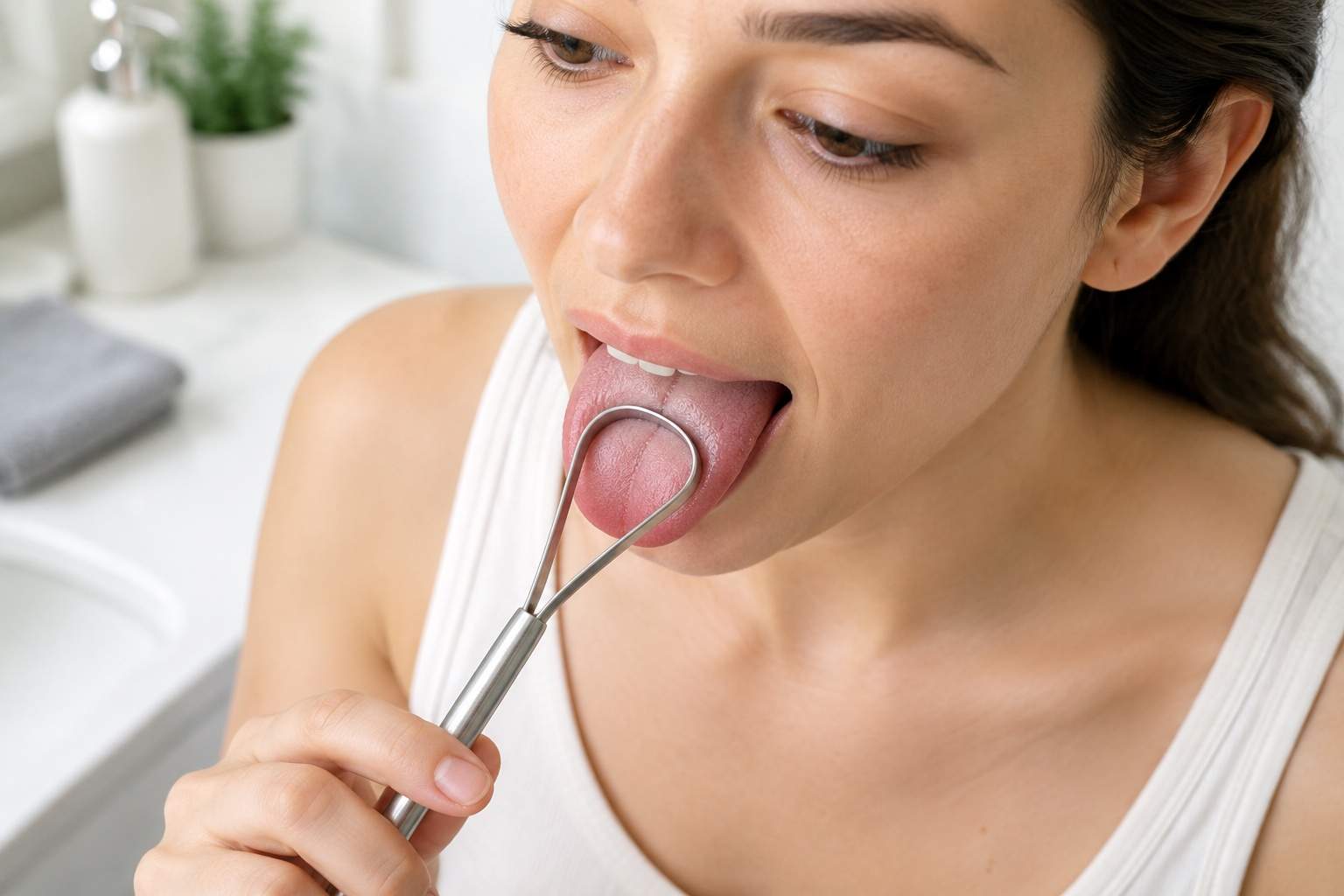
One of the most effective, yet often overlooked, interventions is tongue scraping. Unlike a toothbrush, which tends to move bacteria around, a tongue scraper is designed to gently yet effectively remove the bacterial biofilm, dead cells, and food debris from the tongue's surface. A systematic review published in the International Journal of Dental Hygiene found that tongue scraping significantly reduces VSC levels and bacterial load on the tongue more effectively than tooth brushing alone. Incorporating this simple habit into your morning routine can make a profound difference.
Hydration, Diet, and Lifestyle: Your Body's Natural Defenses
Staying adequately hydrated throughout the day is fundamental, as water helps maintain healthy saliva flow. Aim for plain water, not sugary drinks or excessive coffee, which can contribute to dryness and acidity. Diet also plays a critical role. Foods rich in protein (meat, dairy) can be broken down by bacteria into VSCs. While these foods are essential, good oral hygiene after consumption is key. Conversely, crunchy fruits and vegetables like apples and carrots act as natural cleansers and can stimulate saliva. Avoiding strong-smelling foods like garlic and onions is also helpful, as their compounds can be absorbed into the bloodstream and released through the lungs, affecting breath from within.
When to Seek Professional Insight: Beyond Self-Management
While many cases of bad breath can be managed with diligent home care, it's crucial to recognize when professional help is needed. Chronic bad breath is not always a sign of poor oral hygiene. Sometimes, seemingly innocent daily habits or underlying health conditions are the hidden culprits. Conditions such as gum disease (periodontitis), untreated cavities, oral infections, sinus infections, tonsil stones, gastroesophageal reflux disease (GERD), diabetes, and even liver or kidney disease can manifest as persistent bad breath. If your efforts to improve breath through enhanced oral hygiene and lifestyle changes don't yield results within a few weeks, it's wise to consult your dentist or physician. They can help diagnose any underlying issues and provide targeted treatments, ensuring that your journey to lasting freshness is both effective and healthy.