You wake up, and despite diligently brushing your teeth before bed, your mouth still feels like a desert and smells less than appealing. Or perhaps you're midway through a conversation, and a sudden wave of self-consciousness about your breath hits you, making you pull back slightly. That persistent fuzzy feeling and less-than-fresh breath, even when you think you're doing everything right, is a surprisingly common experience. It’s embarrassing, makes you hesitant to speak up, and leaves you wondering if your daily efforts are truly making a difference against something so fundamental as oral freshness. If brushing and flossing twice a day are the golden rules, why do so many of us still struggle with this invisible barrier to confidence? Does that strong minty mouthwash actually solve the problem, or just paint over it for a few minutes? And could what you ate yesterday truly be impacting your breath today, long after the food is gone?
E.g. :The Unseen Story Your Breath Tells: Why Mints Aren't Enough
- 1、The Unseen Orchestrators: Why Your Bad Breath Persists
- 2、Beyond the Brush and Floss: Re-evaluating Your Oral Hygiene Routine
- 3、The Hidden Thirst: Unmasking Dry Mouth as a Persistent Contributor
- 4、Dietary Shadows: When Yesterday's Meal Haunts Your Morning Breath
- 5、Holistic Approaches: Practical Fresh Breath Tips and Lasting Solutions
- 6、FAQs
The answer, as often happens in the intricate landscape of human health, lies in a combination of factors, many of which operate silently beneath the surface of our daily routines. It’s a phenomenon that extends beyond mere neglect, touching upon fundamental biological processes, lifestyle choices, and sometimes, even deeper health indicators. Let's delve into the often-overlooked mechanics behind persistent morning breath, uncovering the logic and principles that dictate this common yet perplexing issue.
The Unseen Orchestrators: Why Your Bad Breath Persists
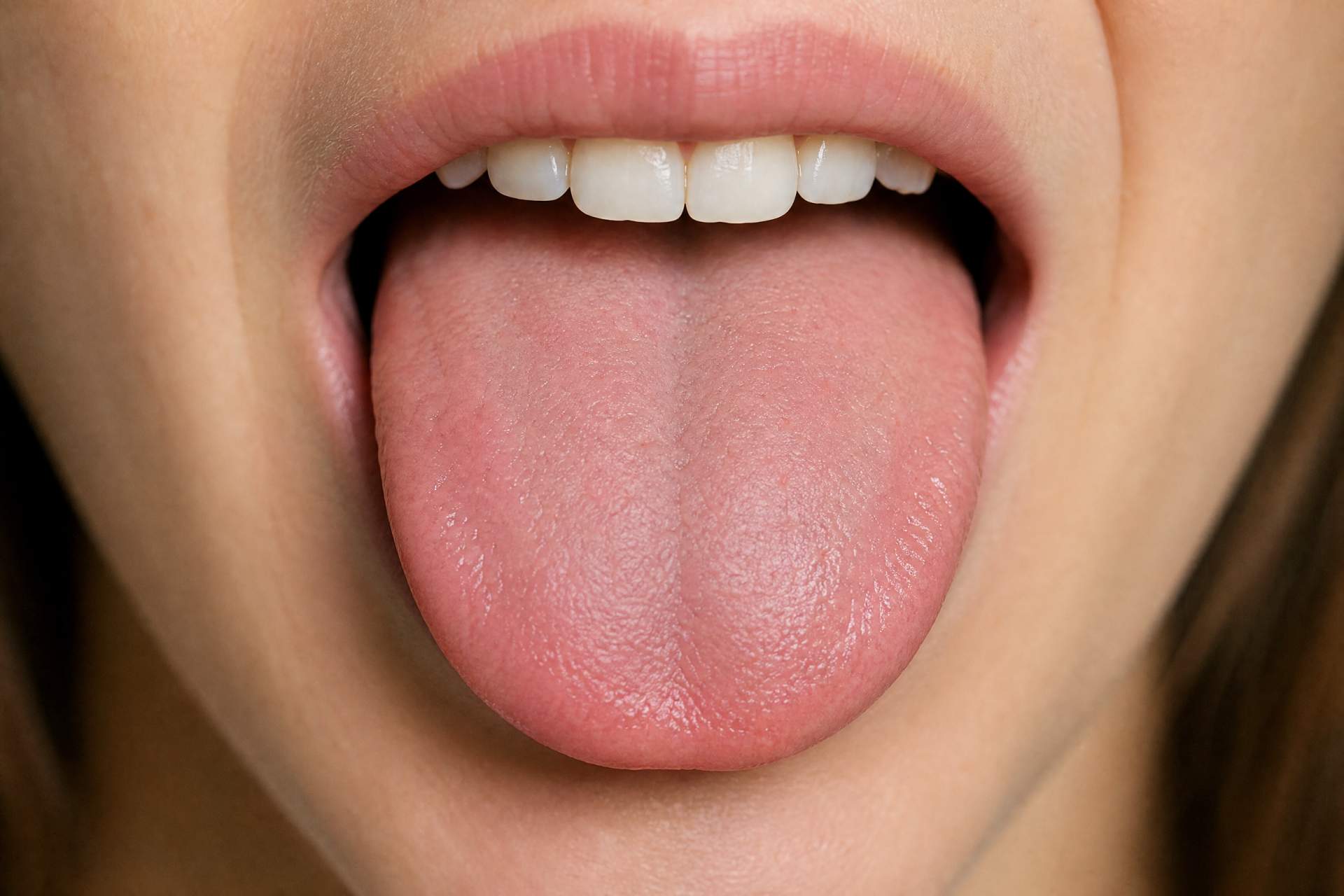
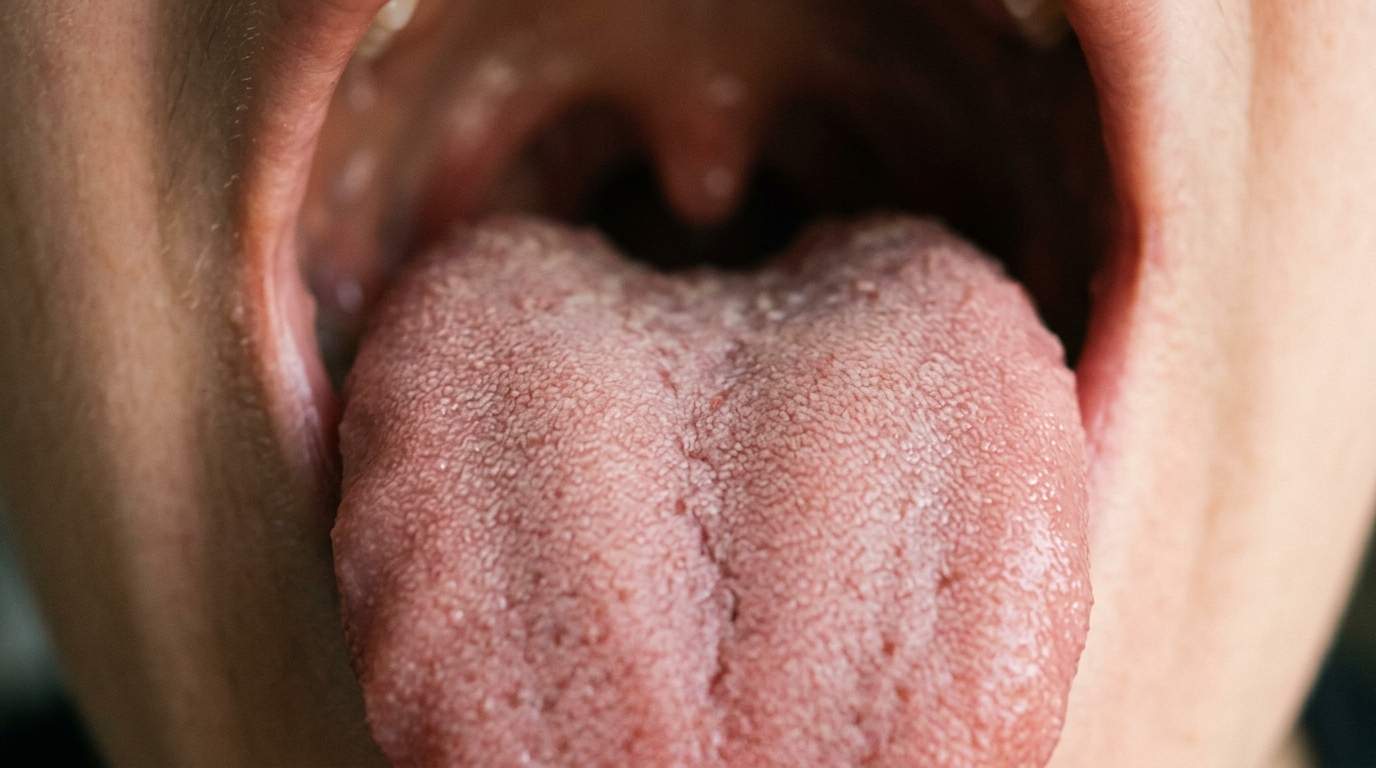
At its core, most bad breath – medically termed halitosis – stems from the activity of anaerobic bacteria residing in your mouth. These microorganisms thrive in oxygen-poor environments, particularly on the back of your tongue, between your teeth, and under your gums. As they break down food particles and dead cells, they release volatile sulfur compounds (VSCs), such as hydrogen sulfide and methyl mercaptan, which are responsible for the characteristic unpleasant odors. While brushing and flossing effectively reduce these bacteria and their food sources, they don't always eliminate every pocket where these organisms flourish. Research indicates that the tongue, with its myriad papillae and crevices, can harbor up to 80% of the bacteria responsible for VSC production.
The Night Shift: Bacteria's Prime Time
During the day, our saliva acts as a natural cleanser, washing away food debris and neutralizing acids. However, saliva production significantly decreases while we sleep. This reduction in salivary flow creates an ideal, dry, and oxygen-depleted environment for anaerobic bacteria to proliferate unchecked, intensifying their VSC production. Even the most thorough pre-bed brushing can't completely prevent this nocturnal bacterial party.
Beyond the Brush and Floss: Re-evaluating Your Oral Hygiene Routine
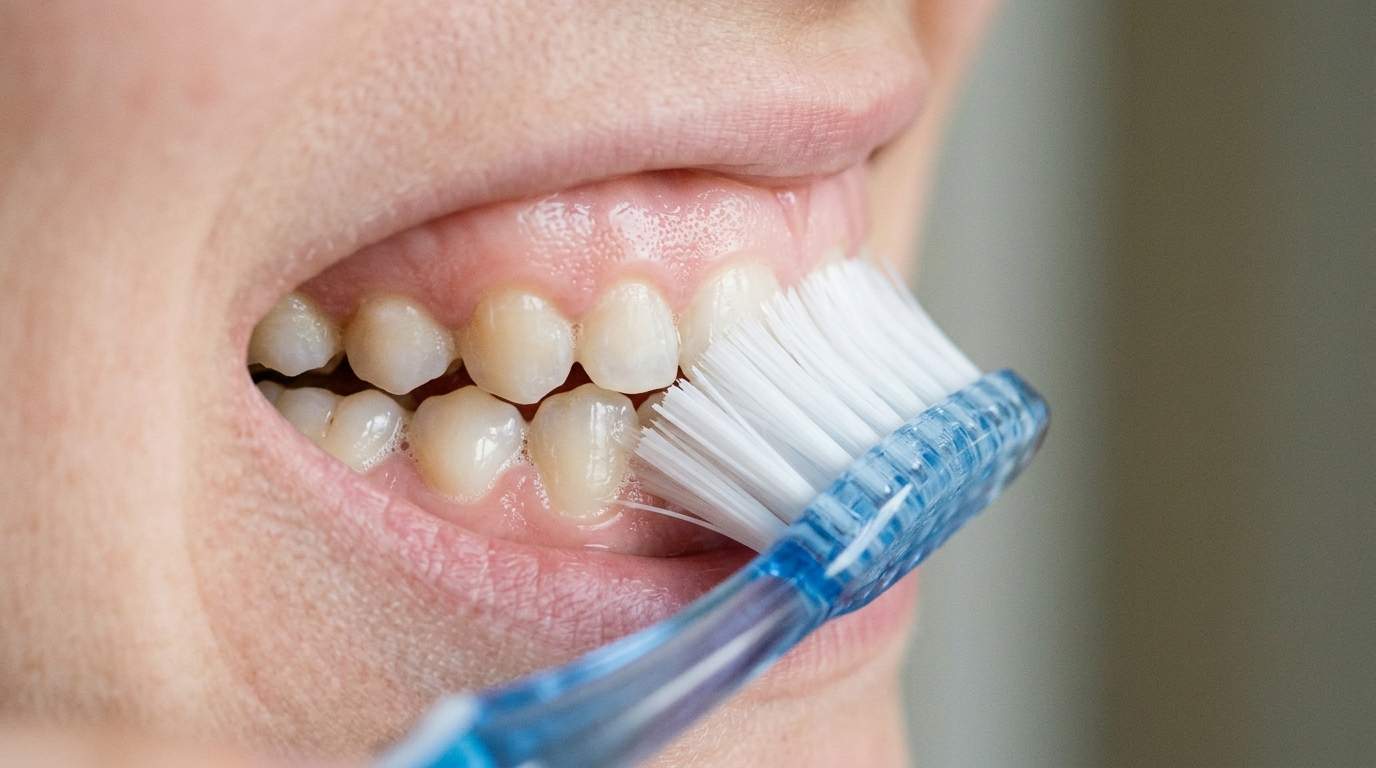
While diligent brushing and flossing are paramount, their effectiveness can be limited if not executed correctly or if other aspects of oral care are overlooked. Many people focus primarily on their teeth, forgetting other crucial areas.
Optimizing Your Nightly Ritual
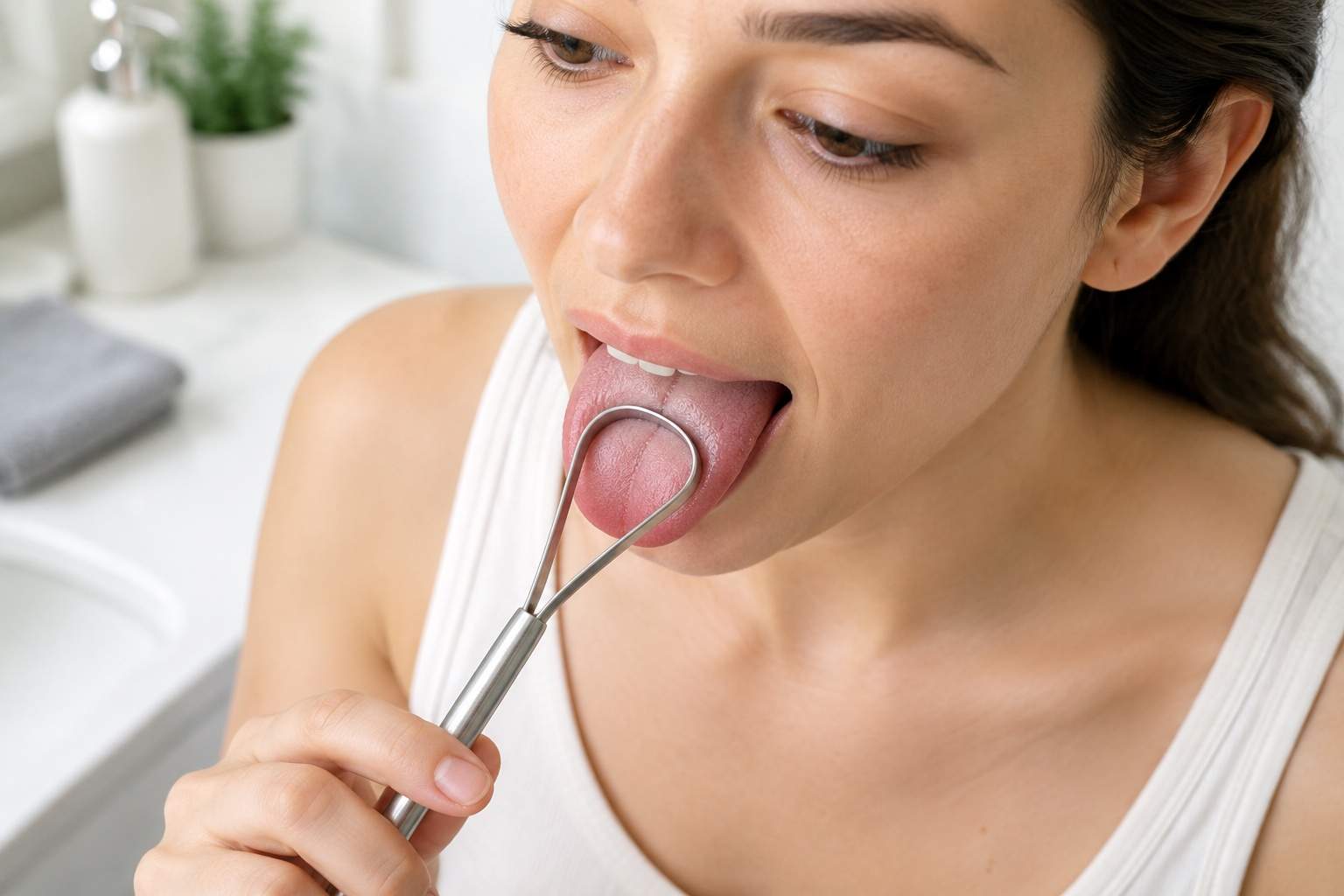
- Tongue Cleaning: As mentioned, the tongue is a major bacterial reservoir. Incorporating a tongue scraper into your nightly routine can significantly reduce bacteria and VSCs. Simply brush or scrape from the back of your tongue forward a few times.
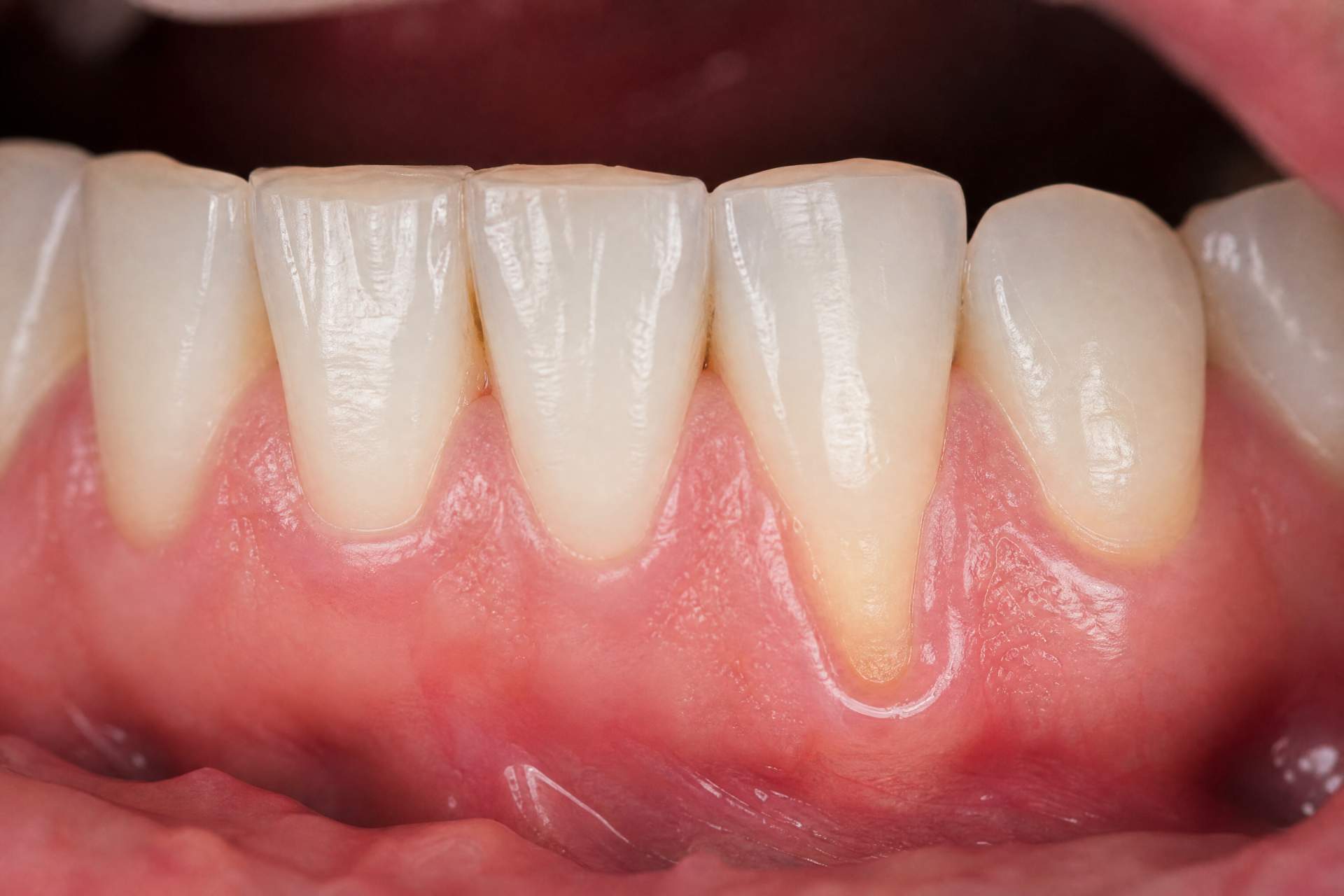
- Interdental Cleaning: Flossing is crucial, but are you doing it effectively? Ensure you're reaching below the gum line and gently scraping the sides of each tooth. For those with braces or larger gaps, interdental brushes can be even more effective.
- Antiseptic Mouthwash (Use with Caution): While mouthwashes can provide temporary freshness, many contain alcohol, which can further dry out your mouth, exacerbating the problem in the long run. If you use mouthwash, opt for an alcohol-free, antibacterial rinse, but view it as an adjunct, not a solution to underlying issues.
The Hidden Thirst: Unmasking Dry Mouth as a Persistent Contributor
Xerostomia, commonly known as dry mouth, is a major culprit in persistent bad breath. As discussed, saliva is our mouth's natural defense mechanism. When saliva flow is reduced, food particles aren't effectively washed away, dead cells accumulate, and the buffering capacity against acids diminishes, creating a perfect breeding ground for odor-producing bacteria.
Causes of Reduced Saliva Flow
Many factors can contribute to dry mouth, often unknowingly:
- Medications: Hundreds of common medications, including antihistamines, decongestants, pain relievers, diuretics, and antidepressants, list dry mouth as a side effect.
- Sleep Breathing: Sleeping with your mouth open, often due to nasal congestion or sleep apnea, significantly dries out the oral cavity overnight.
- Medical Conditions: Conditions like Sjögren's syndrome, diabetes, and nerve damage can impair salivary gland function.
- Lifestyle: Dehydration, excessive caffeine or alcohol consumption, and smoking all reduce saliva production.
Dietary Shadows: When Yesterday's Meal Haunts Your Morning Breath
It's not just the immediate after-effects of garlic or onion. Certain foods contain compounds that, once digested, are absorbed into the bloodstream and then expelled through your lungs when you breathe. This explains why brushing won't eliminate the smell of a garlic-heavy meal until your body has fully processed and eliminated those compounds.
What You Eat, You Breathe
Foods rich in volatile compounds, such as onions, garlic, coffee, and certain spices, can contribute to systemic halitosis. Even high-protein, low-carbohydrate diets can lead to "keto breath" as the body breaks down fats, producing ketones with a distinct, often fruity or acetone-like, odor. Understanding this systemic connection helps clarify why brushing alone might not be a complete solution.
Holistic Approaches: Practical Fresh Breath Tips and Lasting Solutions
Addressing persistent morning breath requires a comprehensive strategy that goes beyond surface-level cleaning. It's about nurturing your oral environment and understanding your body's signals.
- Stay Hydrated: Consistently drinking water throughout the day, especially before bed, supports saliva production.
- Stimulate Saliva Naturally: Sugar-free gum or lozenges can help increase saliva flow. Chewing promotes saliva, washing away bacteria and food debris.
- Evaluate Your Medications: If you suspect a medication is causing dry mouth, discuss alternatives or management strategies with your doctor. Never stop medication without medical advice.
- Address Underlying Health Issues: If dry mouth or chronic bad breath persists despite optimal oral hygiene and hydration, it might signal an underlying medical condition. Conditions like GERD (gastroesophageal reflux disease), sinus infections, or tonsil stones can all contribute to bad breath.
- Regular Dental Check-ups: Your dentist isn't just there for cavities. They can identify and treat gum disease (a major cause of bad breath), recommend specific hygiene products, and refer you to a specialist if systemic issues are suspected.
Understanding why your morning breath lingers, even with diligent care, is the first step towards truly fresh breath. It's an invitation to look deeper, to partner with your body, and to engage in self-care that truly addresses the root causes, moving you from confusion to confident, clear communication.