You're about to speak to a colleague, or maybe just woke up, and that familiar, slightly sour or stale taste is in your mouth. You instinctively reach for a mint or chew gum, hoping it does the trick. It's a daily ritual for many, a quick fix to an annoying problem. We all grab a mint or chew gum to fix bad breath instantly. But could those quick fixes actually be making your breath worse over time? You brush and floss diligently, yet that stale feeling or persistent "morning breath" keeps coming back. What if your daily routine is missing the real secret to all-day freshness? Beyond just what you ate, what if that sometimes-sour or metallic taste in your mouth is a silent alarm bell for something deeper than just needing to brush again, revealing a systemic issue overlooked by conventional wisdom? The constant cycle of masking bad breath with temporary solutions like mints or gum, rather than addressing its root causes, leads to persistent social anxiety, self-consciousness, and leaves potential underlying health issues undiagnosed.
E.g. :The Silent Scream: Why Your Teeth Rebel Against Hot & Cold (And How to Get Lasting Relief)
The Masking Trap: Why Quick Fixes Fall Short
The immediate relief offered by mints, gum, and mouthwashes can be deceptively comforting. These products are designed to temporarily override unpleasant odors, often through strong aromatic compounds or antimicrobial agents that provide a brief truce with the bacteria in your mouth. However, they rarely address the underlying mechanisms creating the odor. In some cases, ingredients like alcohol in certain mouthwashes can even exacerbate dry mouth, a known contributor to halitosis, by altering the oral microbiome over time. This approach becomes a repetitive cycle: odor appears, mask it, odor returns. It’s like putting a fresh coat of paint on a leaky pipe—the surface looks good for a moment, but the fundamental problem remains, silently worsening beneath.
Decoding the Roots: Understanding the Causes of Bad Breath
To truly achieve lasting fresh breath, we must look beyond the immediate symptom and understand its origins. Research consistently shows that the vast majority of halitosis cases (approximately 80-90%) stem from the oral cavity itself, while a smaller but significant portion indicates systemic health concerns.
Oral Origins: The Usual Suspects
The primary culprits in your mouth are often anaerobic bacteria thriving on food particles and dead cells. These microorganisms, particularly those residing on the back of the tongue and beneath the gum line, break down proteins and produce volatile sulfur compounds (VSCs) such as hydrogen sulfide and methyl mercaptan – the very gases responsible for that characteristic "rotten egg" smell. Other common oral causes include:

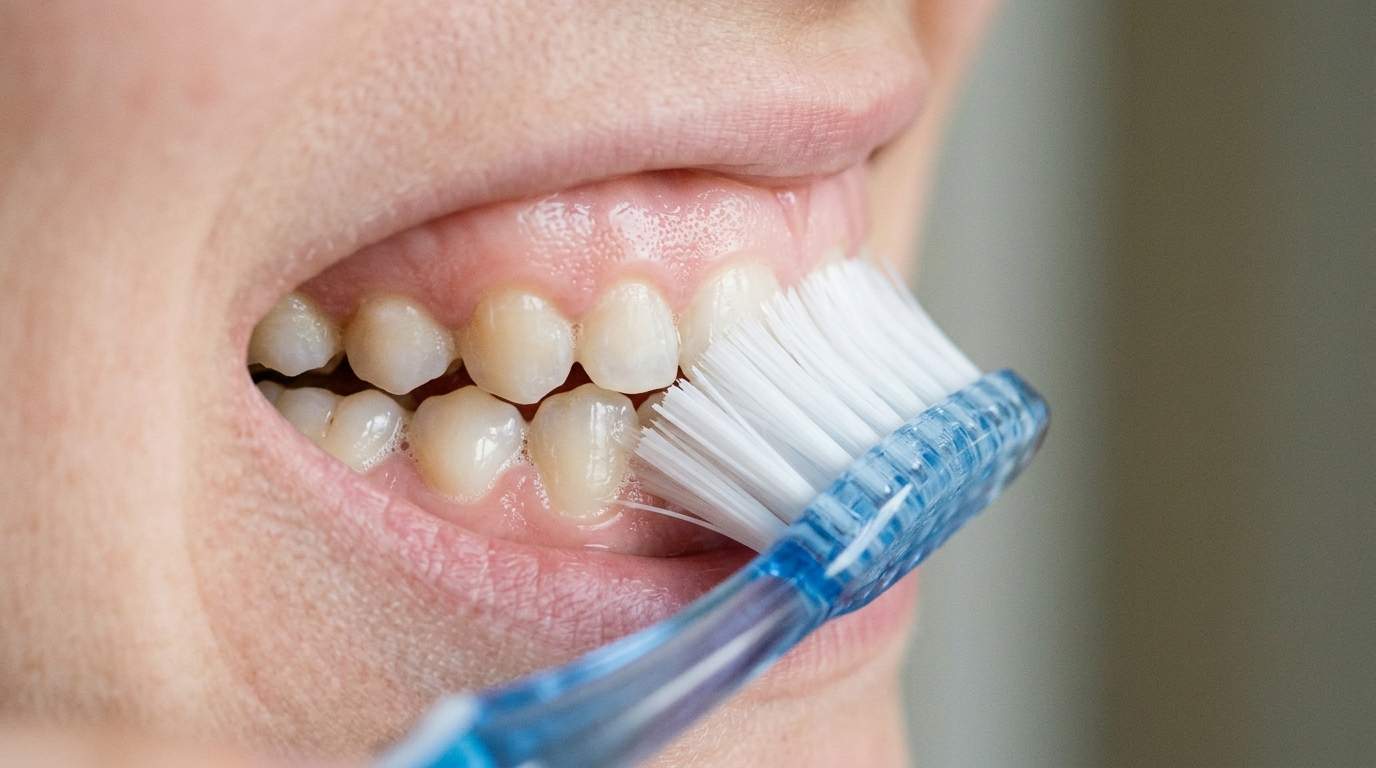
- Poor Oral Hygiene: Inadequate brushing and flossing allow plaque and food debris to accumulate, creating a breeding ground for odor-producing bacteria.
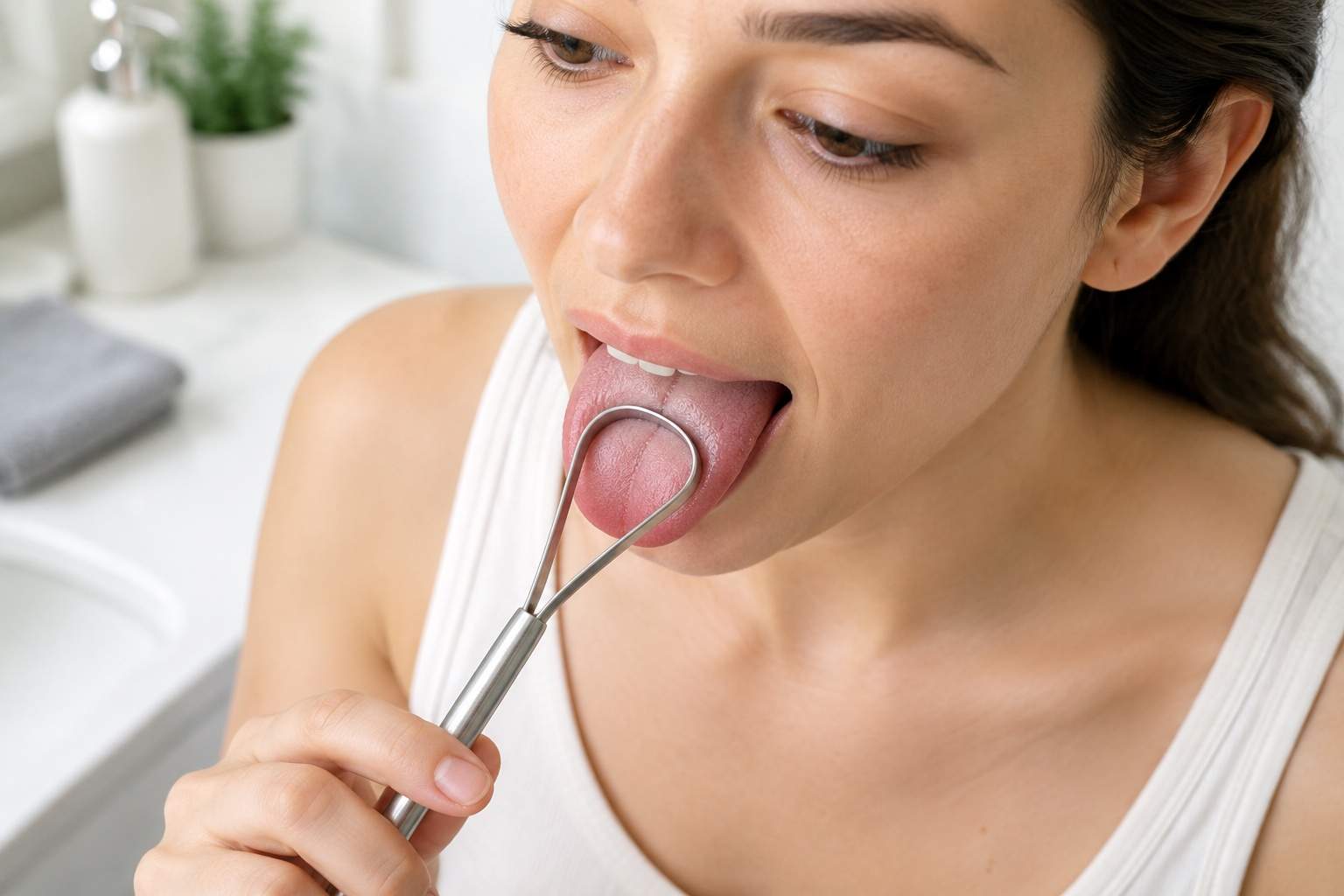
- Tongue Coatings: The rough surface of the tongue can harbor a thick biofilm of bacteria and food particles. Studies, such as those published in the Journal of Clinical Periodontology, consistently highlight tongue coating as a major contributor to VSC production.
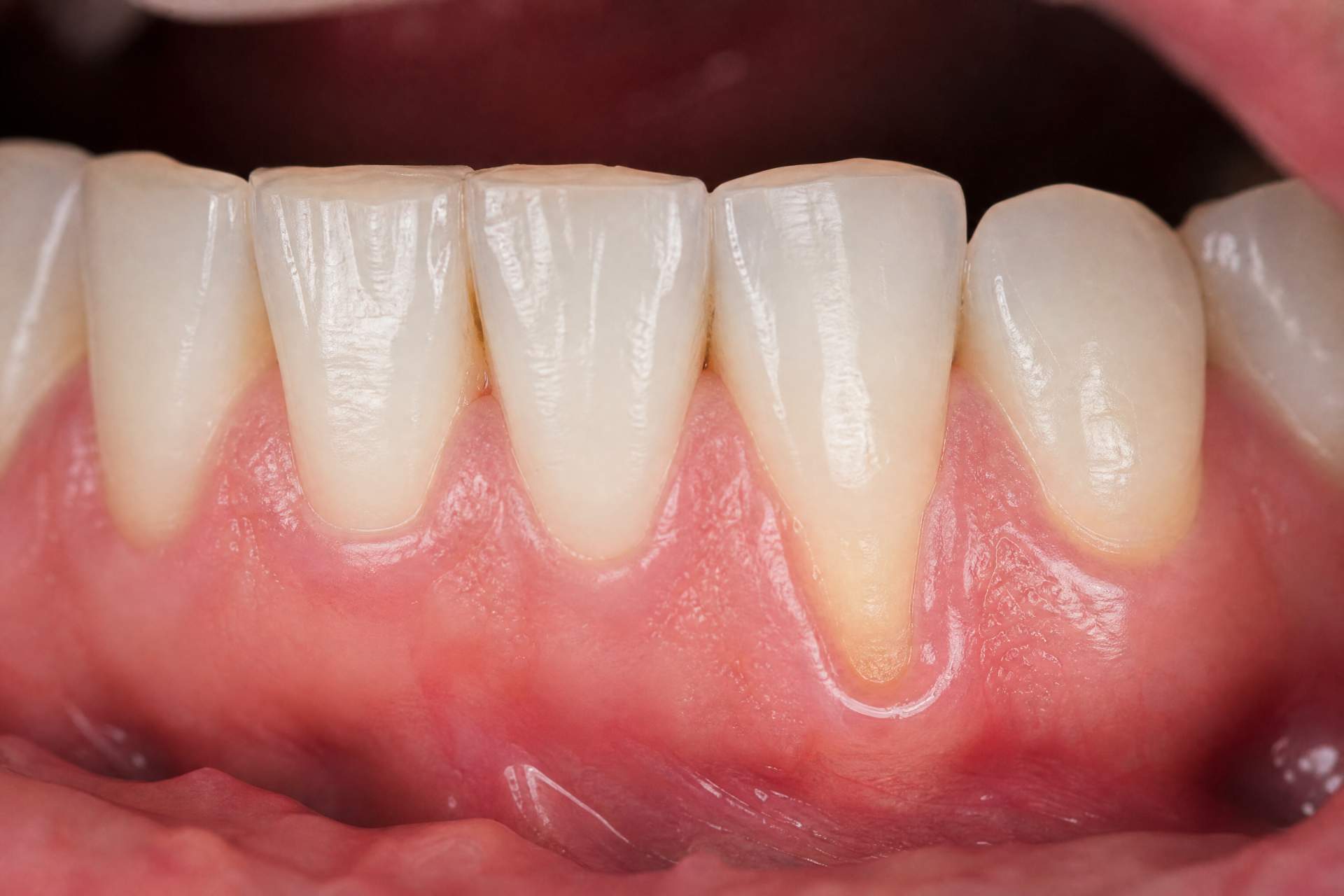
- Gum Disease (Periodontal Disease): Inflammation and infection of the gums create deep pockets where bacteria can flourish, leading to persistent and often severe halitosis.
- Dry Mouth (Xerostomia): Saliva acts as a natural cleanser, washing away food particles and bacteria. Reduced saliva flow, whether from medications, medical conditions, or simply breathing through the mouth, allows bacteria to multiply unchecked.
Beyond the Mouth: Systemic Alarms
When oral causes have been ruled out, persistent bad breath can be a subtle indicator of underlying systemic issues. It's a signal your body might be trying to send. These extra-oral causes, though less common, are crucial to identify:
- Respiratory Tract Infections: Conditions like sinusitis, tonsillitis, or bronchitis can cause a post-nasal drip or bacterial accumulation that contributes to foul breath.
- Metabolic Conditions: Uncontrolled diabetes, for instance, can lead to a sweet, fruity odor (ketoacidosis), while liver or kidney disease might manifest as a fishy or ammonia-like smell.
- Gastrointestinal Issues: While less frequent than commonly believed, certain digestive problems or acid reflux can sometimes contribute to bad breath.
- Certain Medications: Many drugs list dry mouth as a side effect, indirectly leading to halitosis.
The Silent Alarms: When Bad Breath Signals More
It's tempting to dismiss bad breath as merely a social inconvenience. However, understanding its potential to act as a silent alarm bell is critical for self-health management. Ignoring persistent halitosis means not only prolonging social discomfort but also overlooking a potential pathway to identifying serious health conditions. Consider John, a meticulous brusher and flosser, who struggled with chronic bad breath despite his best efforts. His dentist eventually identified early signs of periodontal disease, which, left untreated, could have led to tooth loss and broader inflammatory issues. Similarly, Sarah's persistent sweet-smelling breath, initially dismissed as dietary, led to a diagnosis of undiagnosed diabetes. These are not isolated incidents but underscore why a 'solve, don't mask' approach is paramount.
Unlocking Lasting Freshness: Effective Halitosis Treatment Strategies
The path to lasting fresh breath is one of informed action, not temporary concealment. By addressing the root causes, you empower yourself with a sustainable bad breath cure.
Revisiting Your Oral Hygiene: Beyond Brushing
Beyond the standard two-minute brush, consider these fresh breath tips:
- Tongue Cleaning: This is a game-changer. Using a tongue scraper twice daily can significantly reduce the bacterial load and VSC production on the tongue. Studies often show a marked reduction in halitosis when regular tongue cleaning is incorporated.
- Consistent Flossing: Flossing removes food particles and plaque from between teeth and beneath the gum line, areas your toothbrush can't reach. Daily flossing is non-negotiable for oral health and fresh breath.
- Antimicrobial Mouthwash (Strategic Use): If recommended by your dentist, a therapeutic mouthwash containing chlorhexidine or cetylpyridinium chloride can be effective, but use it as directed and understand its specific role in your oral care regimen, rather than as a standalone solution.
Diet and Lifestyle: Your Body's Internal Balance
What you consume and how you live profoundly impacts your breath:
- Hydration: Drink plenty of water throughout the day. Water helps wash away food debris and keeps your mouth moist, encouraging healthy saliva flow.
- Dietary Choices: Limit consumption of strong-smelling foods (garlic, onions) and sugary drinks, which feed odor-producing bacteria. Opt for crunchy fruits and vegetables like apples and carrots, which act as natural tooth scrubbers.
- Smoking Cessation: Tobacco use is a major contributor to bad breath, dry mouth, and an increased risk of gum disease. Quitting is one of the most impactful steps you can take.
- Manage Dry Mouth: If dry mouth is an issue, consider sugar-free xylitol gum, salivary substitutes, or discuss options with your dentist or physician.
Empowering Your Journey: A Path to Lasting Bad Breath Cure
Understanding causes of bad breath and implementing targeted halitosis treatment is an act of self-care and empowerment. It's about taking control of your health beyond superficial remedies. Don't let the stigma of bad breath prevent you from seeking professional advice. Your dental professional or physician can accurately diagnose the source of your halitosis and guide you towards an effective and personalized bad breath cure. This proactive approach not only resolves an irritating problem but also safeguards your overall health, offering peace of mind and genuine, lasting freshness.