You're halfway through your morning coffee, or perhaps just took a delightful bite of ice cream, when suddenly a sharp, excruciating jolt shoots through one or more teeth. This isn't just a minor annoyance; it's a common, disruptive experience that can turn everyday pleasures into a minefield of discomfort. This quick, intense pain makes you second-guess every sip and bite, often leading you to avoid your favorite foods and drinks. It's a constant, underlying worry that limits your enjoyment and makes you wonder if something serious is wrong, or if you're simply doomed to live with a persistent, nagging sensitivity that keeps you from truly savoring your meals. Many assume that if a tooth hurts from hot or cold, it must be a cavity requiring a filling. But what if your persistent 'tooth sensitivity' isn't a cavity at all, and is actually a symptom of something entirely different that many people overlook?
E.g. :Beyond the Mint: Why Your "Clean" Mouth Still Isn't Truly Fresh (And What Actually Works)
- 1、The Alarming Symphony: Understanding Your Teeth's Pain Signals
- 2、Decoding the Causes: Beyond the Obvious Cavity
- 3、Beyond the Surface: Other Contributors to Sensitive Teeth
- 4、Pathways to Peace: Effective Treatment for Sensitive Teeth
- 5、Building Resilience: Long-Term Strategies for Sensitive Teeth
- 6、FAQs
The Alarming Symphony: Understanding Your Teeth's Pain Signals
Our teeth are far more complex than they appear, acting as sophisticated sensory organs. When hot or cold stimuli cause a sharp, fleeting pain, it's typically a sign that the inner, sensitive layers of the tooth are being exposed. This phenomenon, known scientifically as dentin hypersensitivity, affects a significant portion of the adult population globally, with estimates suggesting anywhere from 8% to 30% of adults experience it at some point, and certain populations, like those with gum recession, show even higher prevalence. It's a distress signal, a "silent scream" from your oral health, urging you to pay attention.
The Hydrodynamic Theory: How Nerves Get Noticed
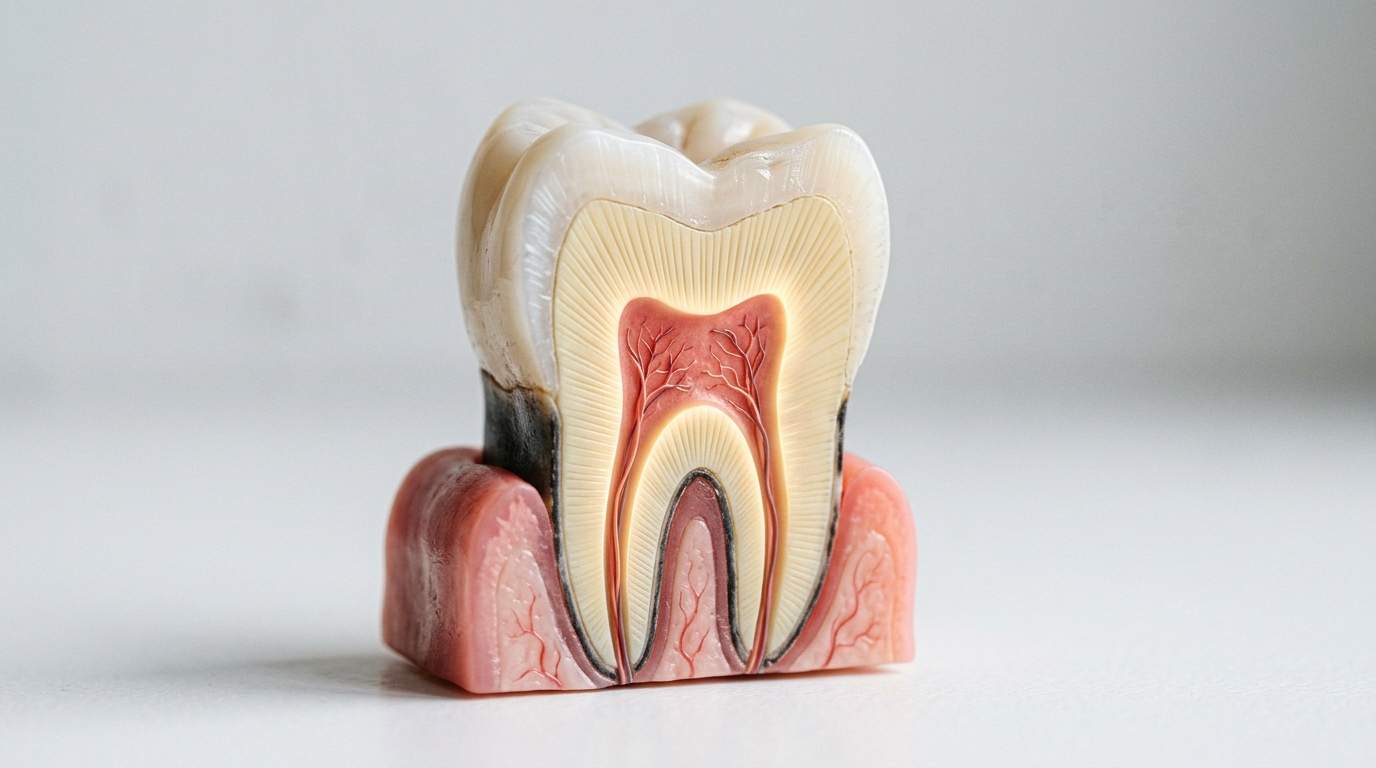
At the heart of this pain lies the "hydrodynamic theory," the most widely accepted explanation for dentin hypersensitivity. Imagine your tooth as having an outer shield of enamel above the gum line and cementum below it. Beneath these protective layers lies dentin, a porous tissue filled with millions of microscopic tubes called dentinal tubules. These tubules extend from the outer surface of the dentin right up to the pulp, the innermost part of the tooth containing nerves and blood vessels. When enamel or cementum erodes, these tubules become exposed. Changes in temperature or even air movement cause the fluid within these tubules to shift. This fluid movement, though microscopic, is enough to stimulate the nerve endings in the pulp, triggering that characteristic sharp, short pain. It's not the nerve itself being directly stimulated by temperature, but rather the mechanical movement of the fluid within these tiny channels.
Decoding the Causes: Beyond the Obvious Cavity
While a cavity can certainly be a source of temperature sensitivity, attributing all such pain solely to decay often leads to misdiagnosis and inadequate treatment. Many other factors contribute to tooth sensitivity, often subtly, gradually weakening your teeth's natural defenses. Understanding these diverse origins is the first step towards effective relief.
The Erosion Epidemic: When Enamel Fades Away
Enamel erosion is a primary culprit. Enamel, the hardest substance in the human body, protects the dentin. However, it's not invincible. Regular exposure to acidic foods and drinks (think citrus fruits, carbonated sodas, even some seemingly healthy fruit juices) can gradually dissolve enamel. Aggressive brushing with a hard-bristled toothbrush, especially immediately after consuming acidic items, can exacerbate this erosion. Once enamel is thinned or lost, the underlying dentin and its tubules are laid bare, making your teeth acutely vulnerable to temperature changes. It's a slow, insidious process that often goes unnoticed until sensitivity becomes persistent.
The Receding Shoreline: Understanding Gum Recession
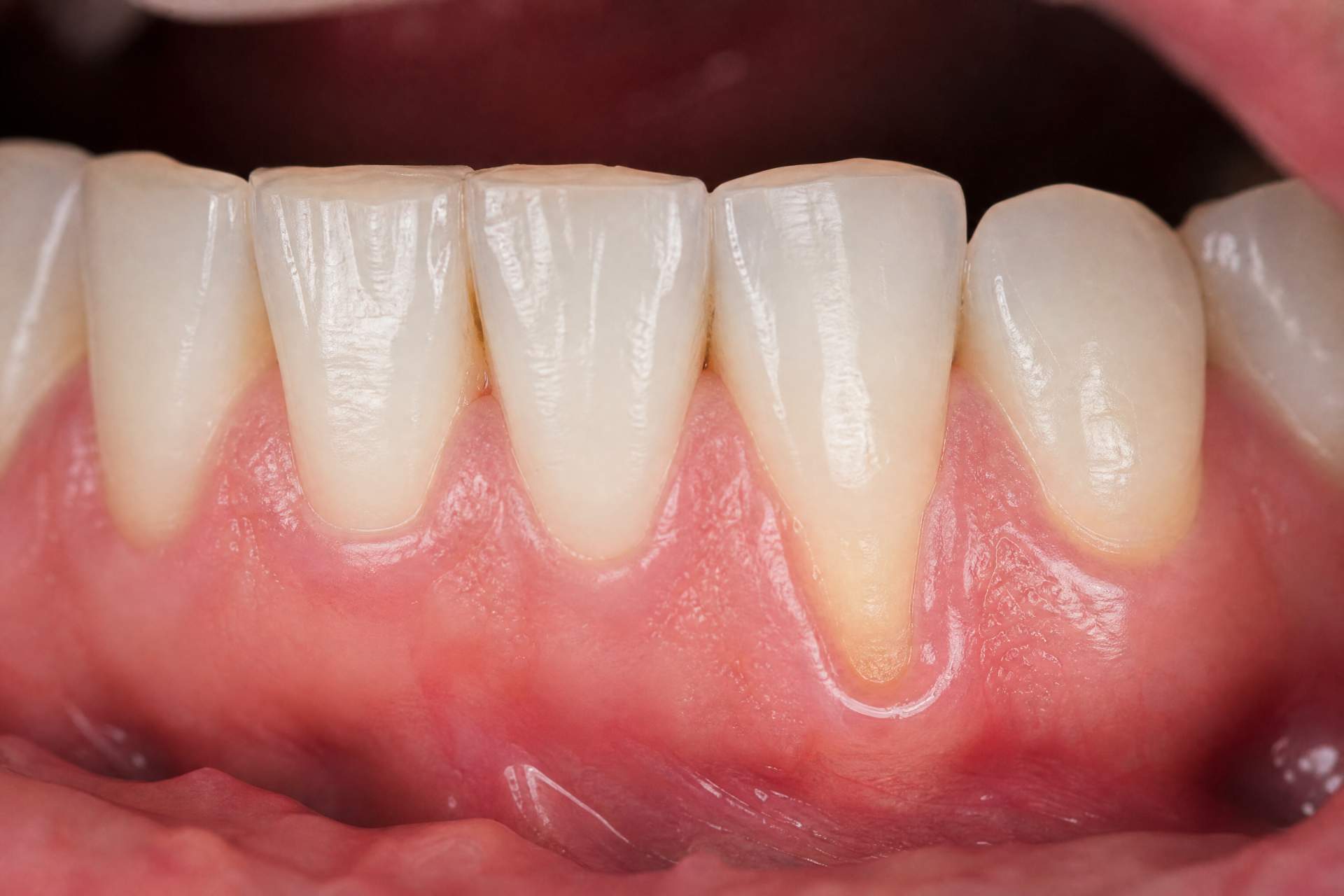
Another major contributor is gum recession. Healthy gums cover and protect the roots of your teeth, which are covered by a thin layer of cementum. When gums recede, due to factors like aggressive brushing, periodontal disease (gum disease), or even genetic predisposition, the cementum and the underlying dentin of the root become exposed. Unlike enamel, cementum is much softer and wears away more easily, quickly exposing the dentinal tubules in the root. This is why many people experience sensitivity specifically around the gum line. Addressing gum recession is crucial not just for sensitivity but for overall periodontal health.
Beyond the Surface: Other Contributors to Sensitive Teeth
The causes of sensitive teeth extend beyond just enamel and gum issues. Lifestyle habits, certain medical conditions, and even dental treatments can play a significant role in triggering this discomfort. Recognizing these often-overlooked factors is key to a comprehensive approach to relief.
Grinding and Clenching: The Hidden Stressor
Many people unconsciously grind or clench their teeth, especially during sleep (bruxism). This excessive force can wear down enamel, chip teeth, and even cause microscopic cracks, all of which can expose dentin. The constant pressure also puts immense strain on the teeth, potentially irritating the dental pulp. If you wake up with jaw pain, headaches, or notice your teeth appearing flatter, bruxism might be a silent contributor to your sensitivity.
Pathways to Peace: Effective Treatment for Sensitive Teeth
The good news is that treatment for sensitive teeth is often highly effective, restoring comfort and allowing you to enjoy your meals again. The approach depends heavily on identifying the underlying cause, underscoring why a professional diagnosis is paramount.
Daily Shields: Desensitizing Toothpaste and Soft Brushing
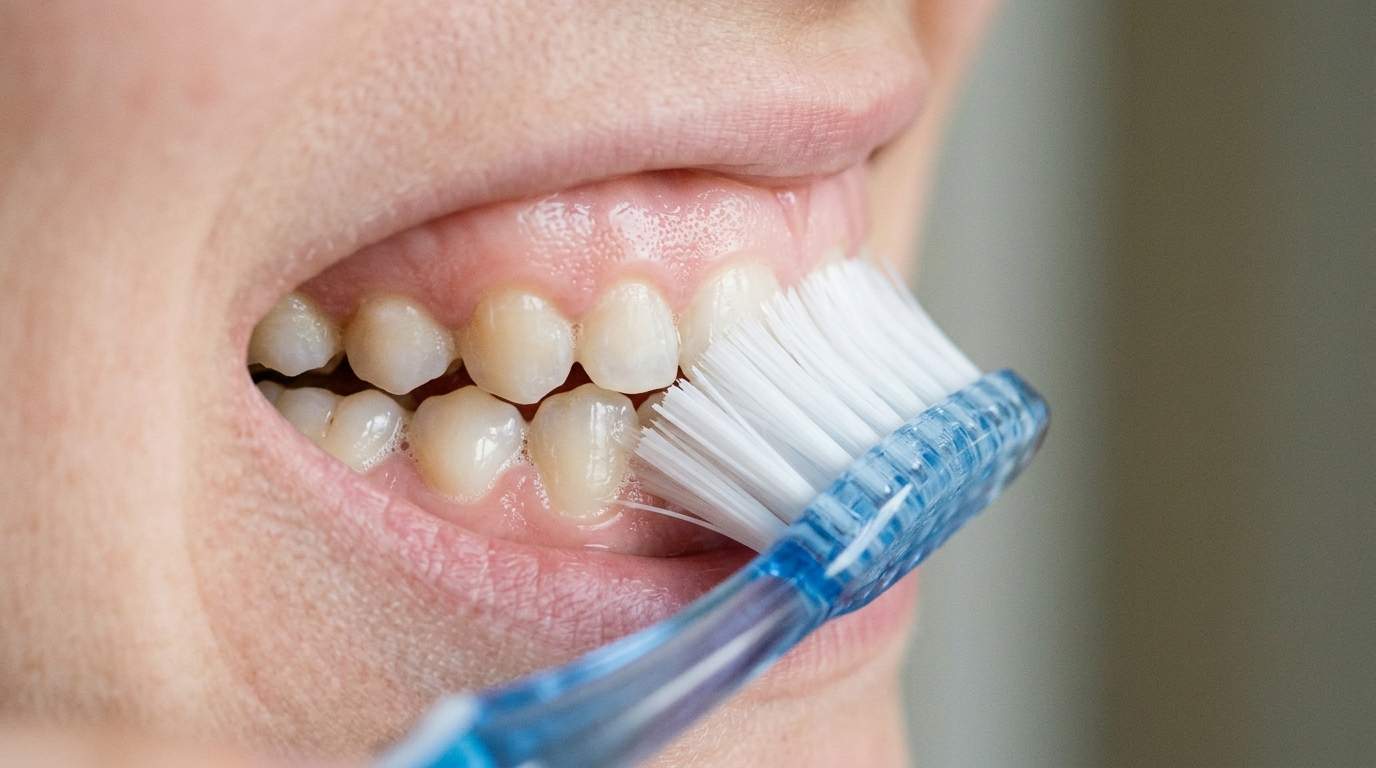
For many, the first line of defense is a desensitizing toothpaste. These toothpastes typically contain compounds like potassium nitrate or strontium chloride, which work by either blocking the nerve signals from the pulp or by creating a protective layer over the exposed dentinal tubules. Consistent use over several weeks is key. Coupled with this, adopting a gentle brushing technique using a soft-bristled toothbrush is vital to prevent further enamel abrasion and gum recession. Think of it as a methodical, gentle cleaning rather than an aggressive scrub.
Professional Interventions: When Home Care Isn't Enough
When over-the-counter solutions aren't sufficient, your dentist can offer a range of professional treatments. These might include applying fluoride varnish or gels to strengthen enamel and block tubules, bonding agents to cover exposed root surfaces, or even laser therapy in some cases. If gum recession is severe, a gum graft might be recommended to cover the exposed root surfaces and protect them from further sensitivity and decay. For bruxism, a custom-fitted nightguard can protect your teeth from grinding forces.
Building Resilience: Long-Term Strategies for Sensitive Teeth
Preventing future episodes of tooth sensitivity involves a holistic approach, integrating mindful habits into your daily routine and maintaining regular dental check-ups. It's about building a robust defense against the factors that strip away your teeth's natural protection.
Dietary Awareness and Oral Hygiene Refinements
Being mindful of your diet, especially limiting acidic foods and drinks, can significantly reduce enamel erosion. If you do consume acidic items, try to rinse your mouth with water afterward and wait at least 30 minutes before brushing, allowing saliva to naturally neutralize acids and re-harden enamel. Regular, effective flossing helps prevent gum disease, a common precursor to gum recession. Remember, prevention is always easier than cure when it comes to oral health.
The Guiding Hand: Your Dentist as a Partner
Ultimately, managing and resolving tooth sensitivity is a partnership with your dental professional. They can accurately diagnose the specific cause of your pain, differentiate it from other potential issues like cavities or cracks, and recommend the most appropriate and effective treatment for sensitive teeth. Don't let the "silent scream" of your teeth go unheeded; seek expert guidance for lasting relief and renewed oral comfort.