It’s a minor, yet persistent, daily annoyance. You’ve brushed diligently, flossed with precision, perhaps even rinsed with a powerful mouthwash. You’ve followed all the rules, invested in the latest dental products, and yet, there it is – that subtle, unwelcome whiff of your own breath, sometimes right after a fresh cup of coffee, or first thing in the morning. That "furry" feeling on your tongue, despite your best efforts the night before. This isn't just about temporary bad taste; it's the quiet frustration and even embarrassment of not having consistently fresh breath, a feeling that your extensive efforts are offering little more than a fleeting mask rather than a genuine, lasting solution. You’re left wondering if your minty regimen is truly cleaning, or just covering up.
E.g. :Beyond the Toothbrush: The Hidden Physiology of Why Your Morning Breath Keeps Coming Back
- 1、Beyond the Minty Facade: Unmasking Bad Breath Causes
- 2、The Oral Microbiome: Your Mouth's Invisible Ecosystem
- 3、What Your Daily Routine Might Be Missing: Effective Oral Hygiene
- 4、The Body-Breath Connection: More Than Just Your Mouth
- 5、Sustainable Fresh Breath Solutions: A Holistic Approach to Halitosis Treatment
- 6、FAQs
Beyond the Minty Facade: Unmasking Bad Breath Causes
For decades, we’ve been told that a strong, minty flavor equals freshness. But what if this invigorating sensation is merely a brilliant marketing strategy, distracting us from the real culprits behind persistent bad breath, medically known as halitosis? The truth is, the primary cause of about 80-90% of bad breath originates right in the mouth, stemming from the activity of certain anaerobic bacteria. These microscopic inhabitants, thriving in oxygen-deprived environments, feast on food particles and dead cells, producing volatile sulfur compounds (VSCs) – the very gases responsible for that characteristic unpleasant odor. Think of hydrogen sulfide (rotten eggs) and methyl mercaptan (fecal odor); these are the chemical signatures of oral malodor. Research, including studies cited in the Journal of Dental Research, consistently points to these VSCs as the main drivers of halitosis, affecting approximately one in four people globally at some point in their lives.
The Oral Microbiome: Your Mouth's Invisible Ecosystem
Your mouth is a complex ecosystem, home to hundreds of species of bacteria, fungi, and viruses, collectively known as the oral microbiome. A balanced microbiome contributes to oral health, but when certain anaerobic bacteria proliferate, particularly in specific nooks and crannies, bad breath can flourish. These bacteria aren't just floating freely; they colonize surfaces within your mouth, creating a tenacious biofilm.
Tongue: The Often-Overlooked Culprit
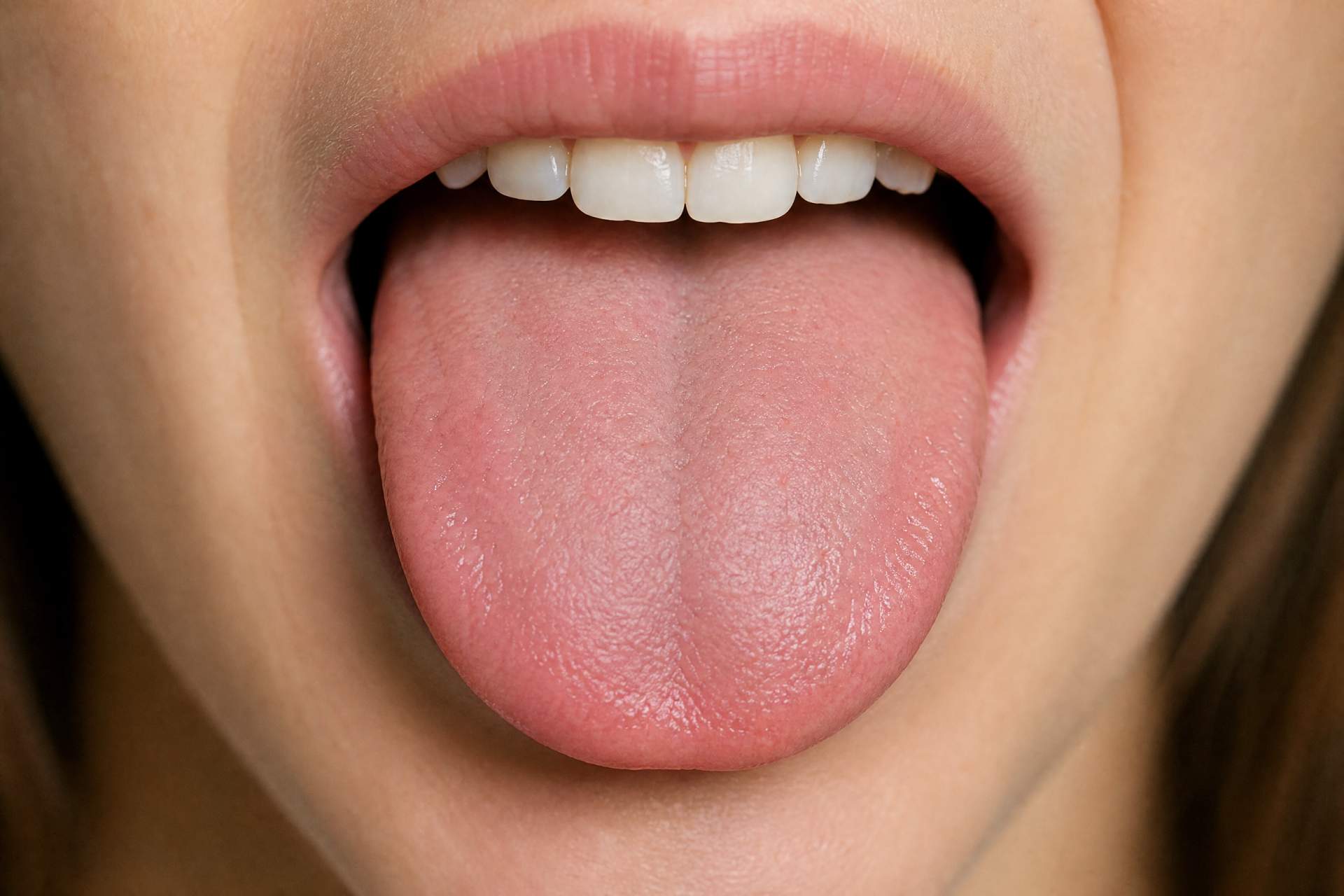
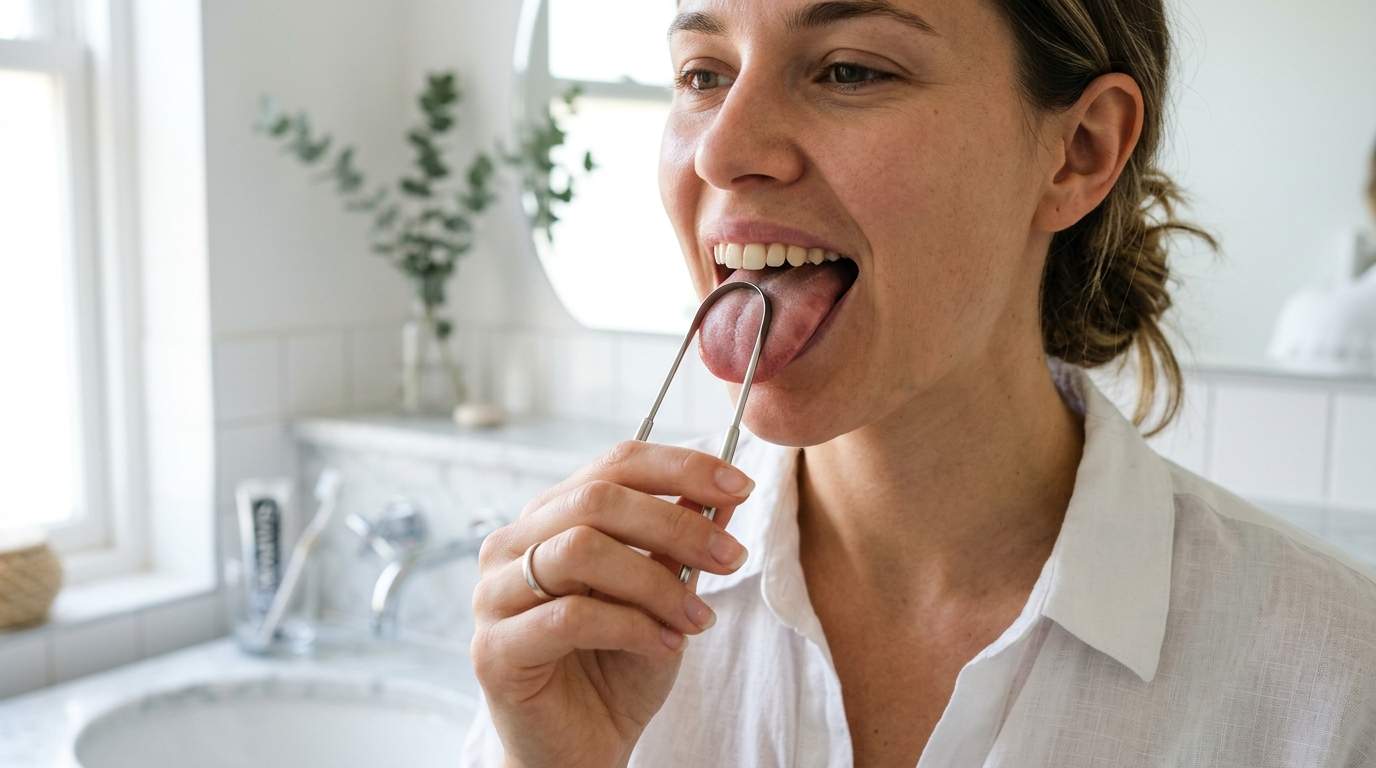
One of the most significant, yet frequently neglected, reservoirs for these odor-producing bacteria is the tongue. The rough surface of the tongue, especially its posterior dorsal (back) part, provides an ideal habitat for bacteria to hide and accumulate. These bacteria, along with food debris, dead cells, and mucus, form a sticky "tongue coating" that serves as a prime breeding ground for VSC production. Traditional brushing might lightly skim the surface, but it often fails to adequately remove this deep bacterial layer.
Gum Health and Beyond
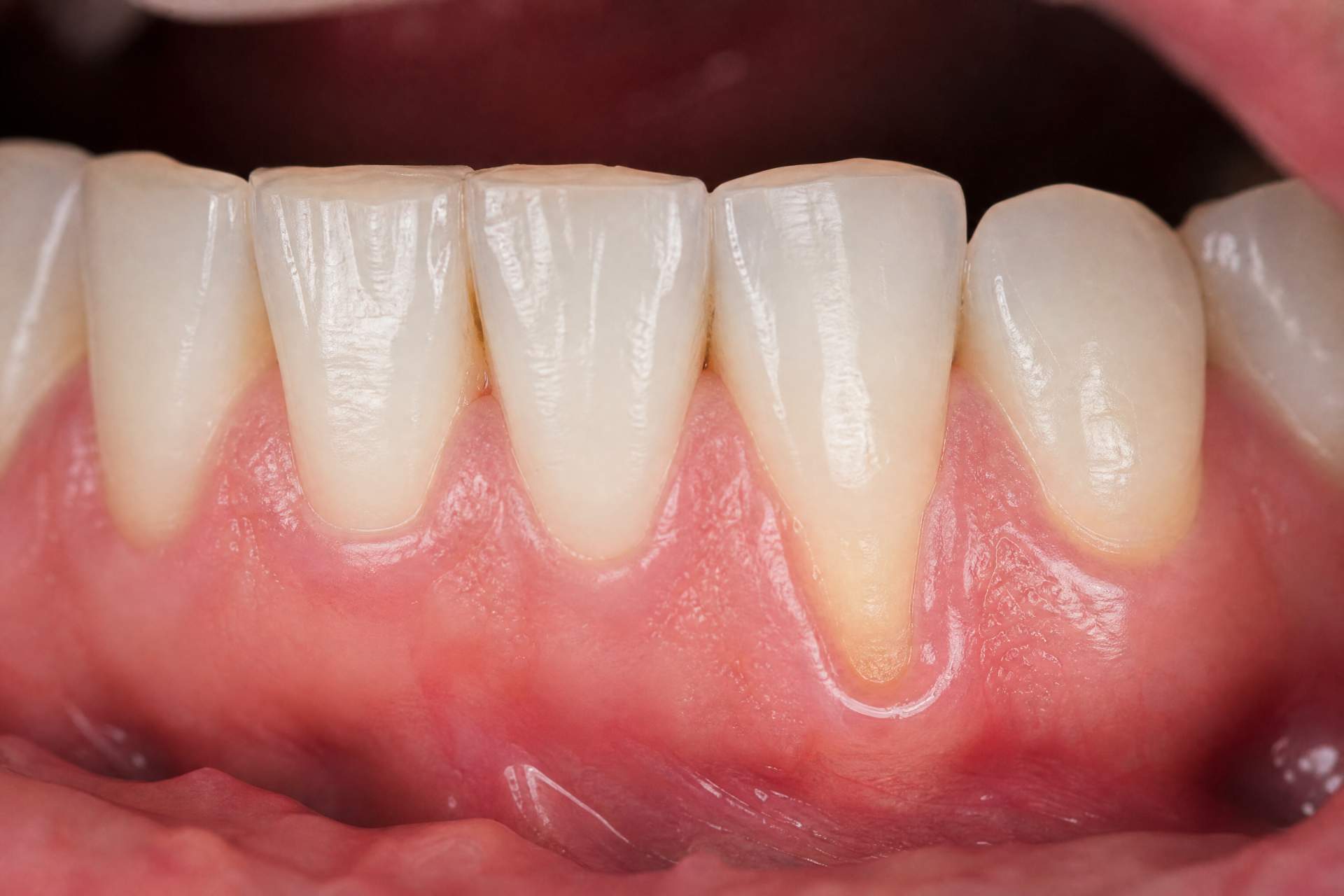
Beyond the tongue, anaerobic bacteria also thrive in the crevices around your teeth and beneath the gum line, especially in individuals with gum disease (gingivitis or periodontitis). These deeper pockets offer perfect anaerobic conditions. Furthermore, factors like dry mouth (xerostomia), which reduces the cleansing action of saliva, or even certain medical conditions affecting the sinuses or gut, can significantly contribute to an imbalance in the oral environment, leading to chronic bad breath.
What Your Daily Routine Might Be Missing: Effective Oral Hygiene
So, if brushing and flossing aren't always enough, what does constitute truly effective oral hygiene for lasting fresh breath? The answer lies in a more comprehensive approach that targets the root causes, not just the symptoms.
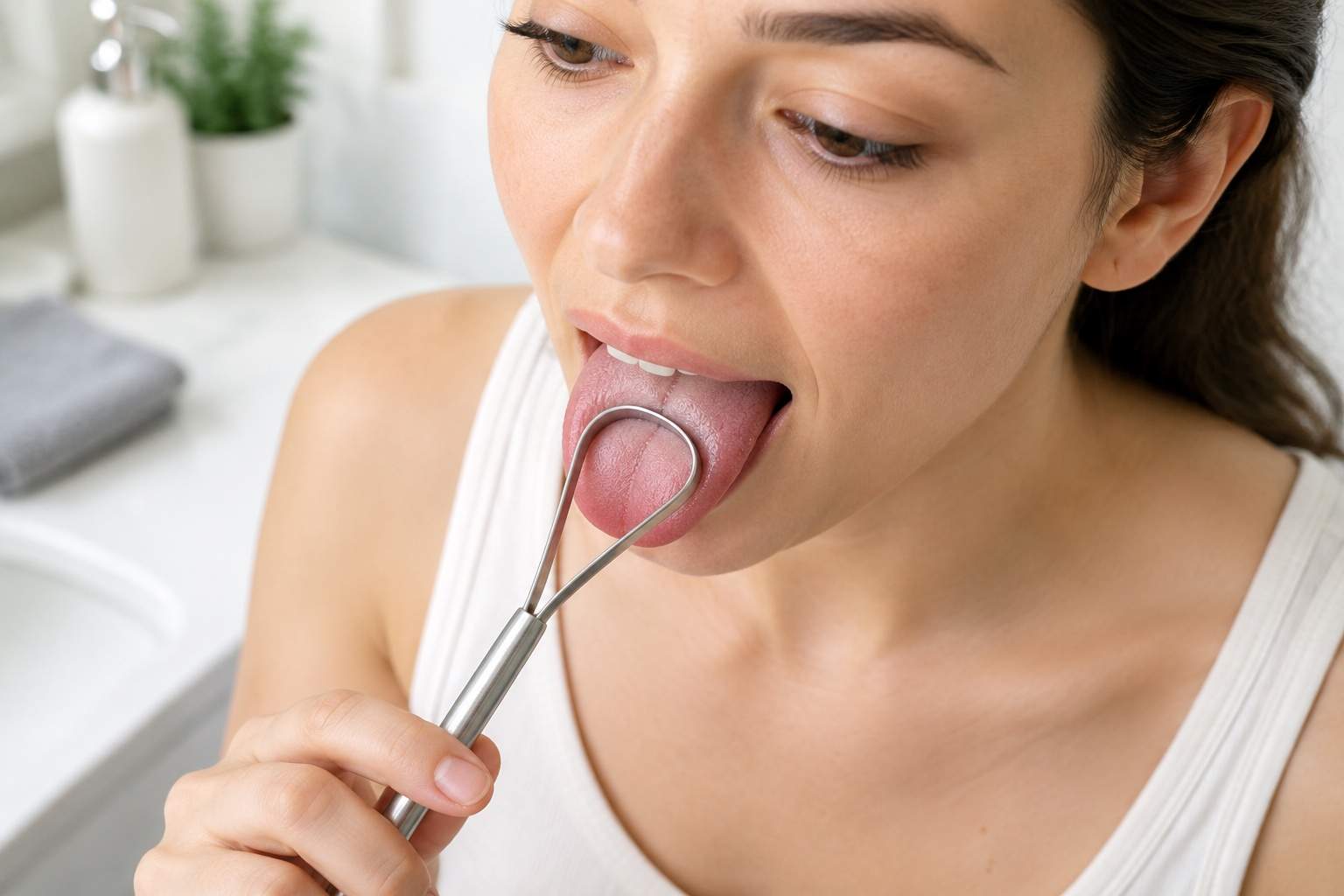
Firstly, recognize that string floss, while crucial for interdental cleaning, may not be reaching all the bacterial colonies, especially if your technique isn't optimal or if you have complex dental work. Interdental brushes or a water flosser can be more effective for some individuals in disrupting biofilm between teeth and under the gum line. Secondly, and critically, incorporating tongue cleaning into your daily routine is paramount. A tongue scraper, specifically designed for this purpose, can gently yet effectively remove the bacterial coating from the tongue's surface, significantly reducing VSC production. Studies have shown that tongue scraping can reduce VSCs by up to 75%.
As for mouthwashes, many commercial products primarily use alcohol and strong flavorings to mask odors. While some antiseptic mouthwashes can temporarily reduce bacterial load, they often don't address the underlying causes, and alcohol can contribute to dry mouth, potentially worsening the problem in the long run. Look for alcohol-free mouthwashes containing ingredients like chlorine dioxide, zinc compounds, or essential oils that neutralize VSCs or inhibit bacterial growth without excessive drying.
The Body-Breath Connection: More Than Just Your Mouth
While most bad breath originates orally, it’s vital to acknowledge the intricate connection between your mouth and your overall systemic health. Your body is a single, interconnected system, and imbalances elsewhere can manifest as oral symptoms.
Diet and Lifestyle: Fueling or Fighting Freshness
Consider your diet. Foods like garlic, onions, and certain spices release sulfur compounds that can be absorbed into your bloodstream and then expelled through your lungs, causing transient bad breath. More significantly, consistent hydration is crucial. Saliva is your mouth's natural cleansing agent, neutralizing acids and washing away food particles and bacteria. Chronic dehydration, certain medications, and even breathing through your mouth can lead to dry mouth, creating an ideal environment for odor-producing bacteria to flourish. Similarly, smoking and excessive alcohol consumption not only dry out the mouth but also contribute to a dysbiotic oral environment, exacerbating bad breath. Addressing these lifestyle factors is an integral part of sustainable fresh breath.
Sustainable Fresh Breath Solutions: A Holistic Approach to Halitosis Treatment
Achieving genuinely fresh breath isn't about chasing the strongest mint; it's about understanding your body and adopting a holistic, evidence-based approach. It's about shifting from symptom masking to root-cause resolution.
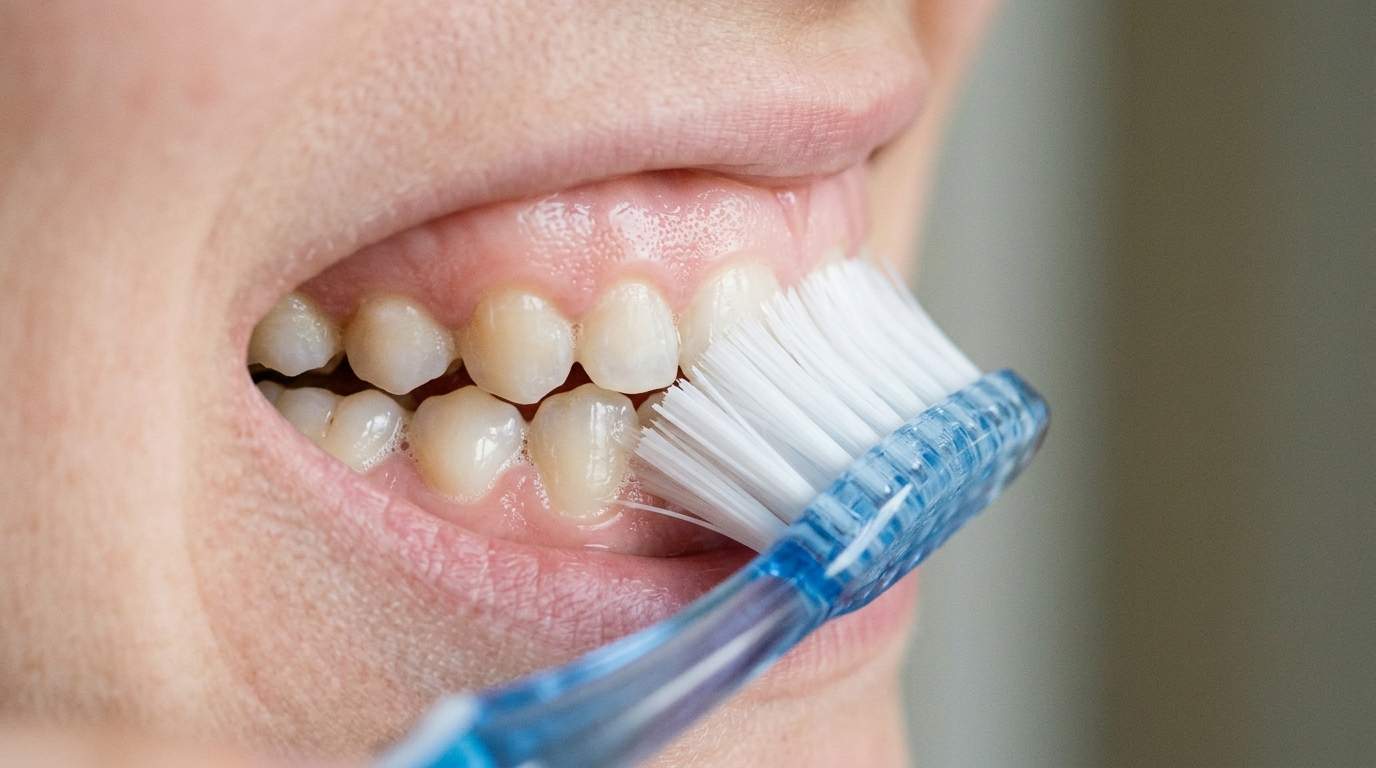
Start by optimizing your oral hygiene routine: brush thoroughly twice daily with a fluoride toothpaste, using a soft-bristled brush, paying attention to all tooth surfaces and the gum line. Integrate daily interdental cleaning (floss, interdental brushes, or water flosser) and, crucially, consistent tongue scraping. Ensure you stay well-hydrated throughout the day by drinking plenty of water. Consider incorporating sugar-free chewing gum containing xylitol after meals to stimulate saliva flow and help neutralize acids.
If, despite these comprehensive efforts, your bad breath persists, it's a clear signal to seek professional help. A dental professional can diagnose underlying dental issues like gum disease, large cavities, or old fillings that trap bacteria. They can also rule out non-oral causes and guide you towards appropriate medical consultation if systemic health issues like sinus infections, gastric reflux, or even certain metabolic conditions are suspected. Remember, you're not alone in this; chronic bad breath is a common, often treatable condition. With patience, persistence, and the right guidance, lasting fresh breath is well within your reach, allowing you to engage in conversations with renewed confidence.