It’s a common morning ritual, a foundational act of self-care: you stand before the mirror, diligently brushing, flossing, and perhaps even swishing with mouthwash. The minty freshness fills your mouth, a promise of a clean start. Yet, an hour or two later, sometimes even sooner, an unwelcome guest makes its appearance. That subtle, yet unmistakable, unpleasant odor. You wonder, with a mix of frustration and quiet embarrassment, "Did I not brush well enough? What more can I do?" This persistent puzzle of bad breath, medically known as halitosis, can be deeply unsettling, affecting our confidence in social settings and leaving us questioning the efficacy of our well-intentioned oral hygiene efforts.
E.g. :Why Your Brushing Routine Fails: The Hidden Biology of Persistent Morning Breath
- 1、Beyond the Toothbrush: Unmasking the True Culprits of Persistent Bad Breath
- 2、Decoding Persistent Bad Breath: Beyond the Oral Cavity
- 3、Effective Oral Hygiene and Fresh Breath Tips: A Holistic Approach
- 4、When Professional Help is Needed: Navigating Bad Breath Treatment
- 5、FAQs
Beyond the Toothbrush: Unmasking the True Culprits of Persistent Bad Breath
For many, the first line of defense against bad breath is the toothbrush, and rightly so. Brushing mechanically removes food debris and plaque, which are breeding grounds for bacteria. However, the persistence of halitosis often points to a more complex interplay of factors than just surface-level cleanliness. The primary culprits behind most cases of bad breath are Volatile Sulfur Compounds (VSCs) – gases like hydrogen sulfide, methyl mercaptan, and dimethyl sulfide – produced by anaerobic bacteria thriving in the mouth. These bacteria break down proteins found in food particles, saliva, and dead cells, releasing these malodorous compounds. While brushing certainly helps, it often doesn't reach all the niches where these bacteria flourish.
The Tongue's Hidden Role in Halitosis
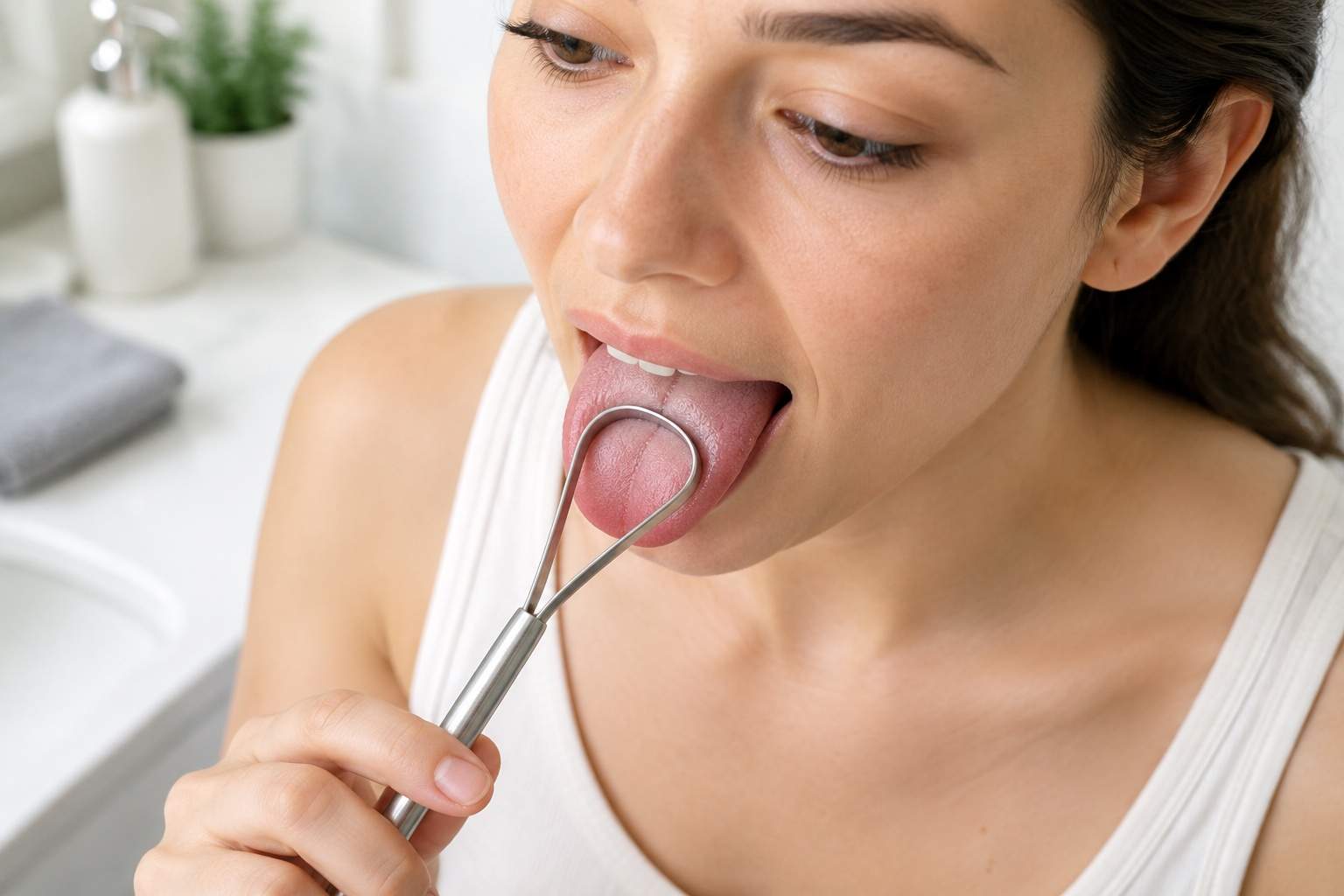
One of the most overlooked areas in daily oral hygiene is the tongue, particularly its posterior dorsal surface. Research indicates that up to 90% of oral malodor originates from the tongue. Its rough surface, composed of numerous papillae, provides an ideal habitat for bacteria to colonize and hide, especially in individuals with deeper fissures. These bacteria, protected from the abrasive action of brushing, continue to produce VSCs even after teeth are sparkling clean. A simple visual check in the mirror might reveal a white or yellowish coating on your tongue – a clear indicator of bacterial accumulation. This biofilm is often a major, yet frequently ignored, contributor to persistent bad breath.
Gum Health and Periodontal Disease: A Silent Source
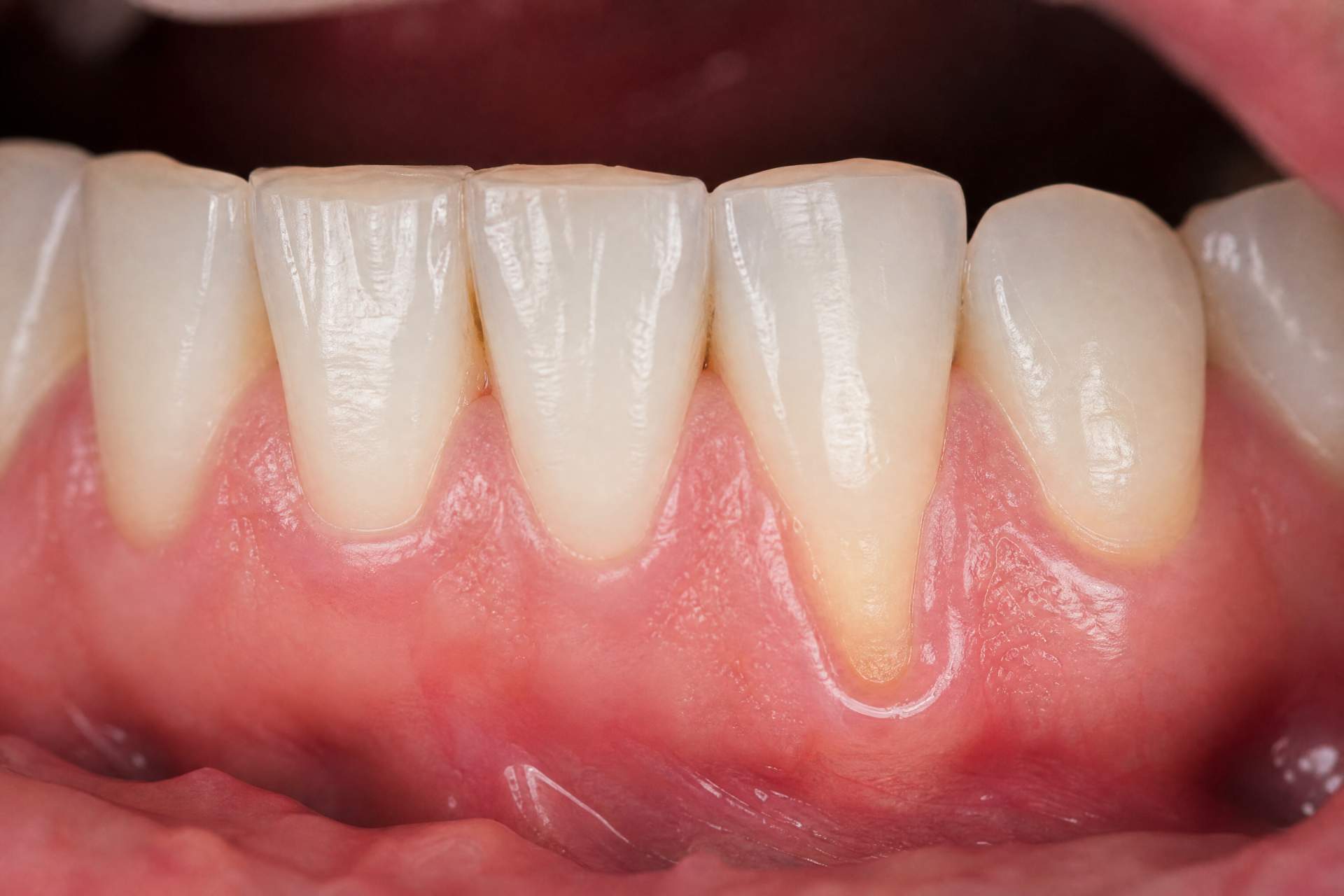
Another significant, often silent, contributor to chronic bad breath is the health of your gums. Periodontal diseases, ranging from gingivitis (inflammation of the gums) to periodontitis (a more severe infection affecting the bone supporting the teeth), create an environment highly conducive to the growth of odor-producing bacteria. As gums become inflamed, pockets can form between the teeth and gums, providing an anaerobic (low-oxygen) haven for these bacteria. The breakdown of gum tissue and blood within these pockets further supplies proteins for bacterial metabolism, escalating VSC production. If your gums bleed when you brush or floss, or if they appear red and swollen, it’s a strong signal that periodontal issues might be contributing to your breath concerns.

Decoding Persistent Bad Breath: Beyond the Oral Cavity
While the mouth is the primary site for bad breath origin, its persistence despite meticulous oral care can sometimes signal issues beyond the oral cavity. As a seasoned guide in health science, I encourage looking at the broader picture of bodily function. Understanding these systemic connections is crucial for truly addressing the problem.
One common non-oral factor is dry mouth (xerostomia). Saliva plays a vital role in cleansing the mouth, washing away food particles and bacteria, and neutralizing acids. When saliva flow is reduced – due to certain medications (antihistamines, decongestants, antidepressants), medical conditions (Sjögren's syndrome, diabetes), mouth breathing, or even simply dehydration – the mouth’s natural self-cleaning mechanism is compromised, leading to bacterial overgrowth and increased VSC production.
Furthermore, conditions affecting the respiratory system, such as chronic sinusitis, post-nasal drip, or tonsillitis, can contribute. Mucus, especially when trapped or infected, can serve as a protein source for bacteria in the back of the throat, leading to a foul odor. Gastrointestinal issues, particularly gastroesophageal reflux disease (GERD), can also manifest as bad breath, as stomach acids and partially digested food particles reflux into the esophagus and mouth. Less commonly, but more seriously, certain liver or kidney diseases and uncontrolled diabetes can release specific odors detectable in the breath, often described as fruity (diabetes) or fishy/ammonia-like (liver/kidney issues).
Effective Oral Hygiene and Fresh Breath Tips: A Holistic Approach
Addressing persistent bad breath requires moving beyond the singular focus on brushing and adopting a more holistic, informed approach. This isn't about doing more, but about doing what's effective and understanding why.
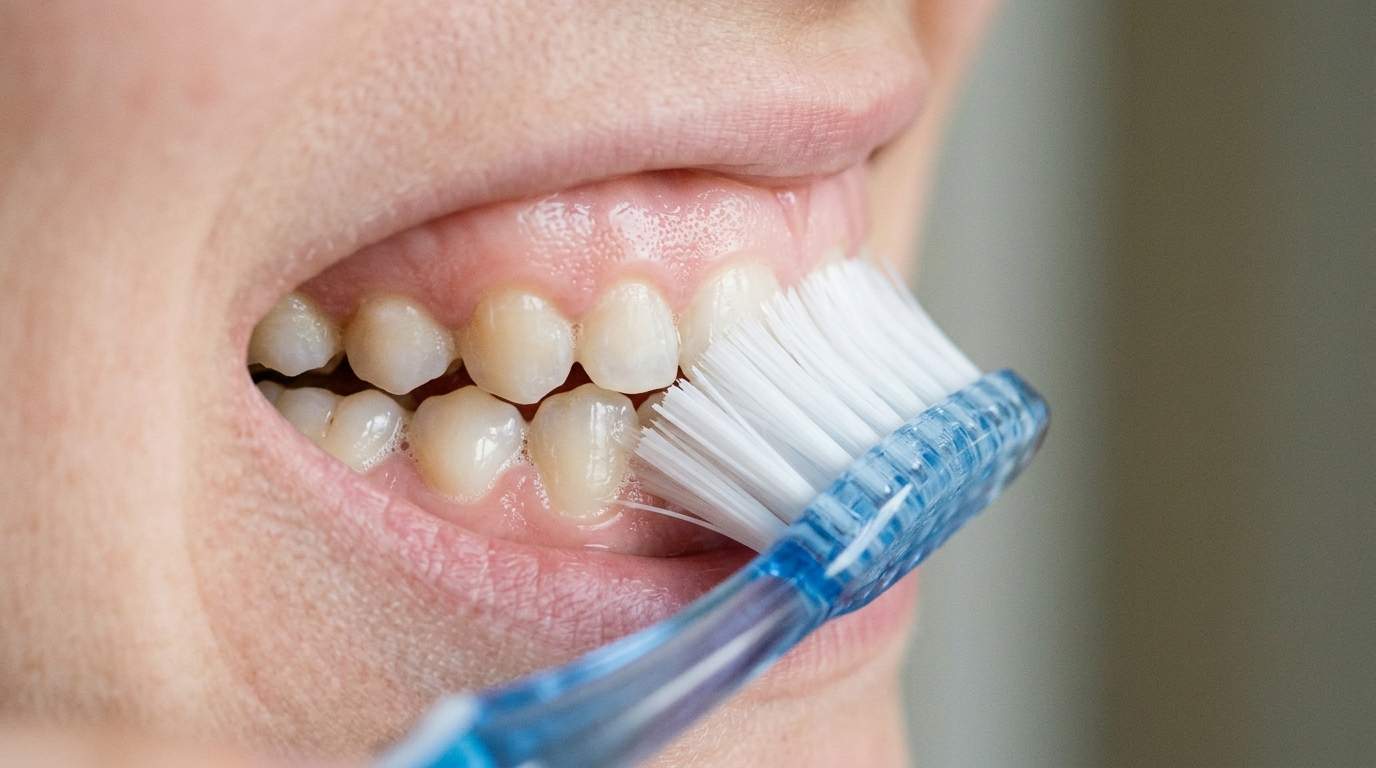
First, mastering comprehensive oral hygiene is paramount. This includes brushing twice daily for two minutes using a soft-bristled brush, paying attention to the gum line. Daily flossing or using interdental brushes is non-negotiable; it removes plaque and food particles from between teeth and under the gum line where a toothbrush cannot reach, disrupting bacterial colonies. However, the game-changer for many is tongue cleaning. Gently scraping the tongue from back to front with a dedicated tongue scraper or the back of your toothbrush can significantly reduce the bacterial load and VSC production.
The Role of Saliva: Nature's Mouthwash
Maintaining adequate saliva flow is like having your own internal mouthwash system. To combat dry mouth, stay well-hydrated by drinking plenty of water throughout the day. Chewing sugar-free gum, especially those containing xylitol, can stimulate saliva production and help neutralize mouth acids. Avoiding excessive caffeine and alcohol, which can be dehydrating, is also beneficial. For chronic dry mouth, consult a healthcare professional, as there are saliva substitutes and medications that can help.
Diet also plays a role. While garlic and onions are notorious for their temporary breath impact, diets high in sugar and refined carbohydrates can promote the growth of odor-producing bacteria. Conversely, a diet rich in fruits, vegetables, and lean proteins supports overall oral and systemic health.
When Professional Help is Needed: Navigating Bad Breath Treatment
If despite diligent oral hygiene, consistent hydration, and attention to diet, your bad breath persists, it's time to seek professional guidance. This is not a sign of failure but a wise step towards resolving a complex issue.
Your dentist is often the first point of contact. They can perform a thorough oral examination to identify any underlying dental issues like cavities, gum disease, or oral infections. They might perform a "halimeter" test to measure VSC levels or simply assess the odor from your mouth and nose. If an oral cause is identified, treatments may range from professional deep cleaning (scaling and root planing) to treating cavities or infections.
If no oral cause is found, your dentist may refer you to a physician. This interdisciplinary approach is crucial. A medical doctor can investigate potential systemic causes, such as gastrointestinal issues, sinus problems, or underlying medical conditions. Challenging common perceptions, it's important to understand that many over-the-counter mouthwashes, while providing temporary freshness, often mask the problem rather than solve it. Some even contain alcohol, which can dry out the mouth and worsen the issue in the long run. Professional diagnosis and targeted treatment are far more effective for persistent halitosis.
Remember, persistent bad breath is a common challenge, not a personal failing. It is a sign that something in your oral or systemic health needs attention. By understanding the underlying logic and principles, embracing a holistic approach to oral hygiene, and not hesitating to seek professional help, you can unravel this puzzle and regain your confidence and fresh breath.