You’ve been there. A quick brush in the morning, a rinse, and then that tell-tale blush of pink swirling down the drain. It’s easy to dismiss it—a momentary lapse, perhaps you just needed to scrub a little harder, or maybe you’d neglected to floss for a day or two. This fleeting visual, however, often carries a message far more significant than a mere accident of technique. It’s a quiet whisper from your body, an early warning system indicating that something beneath the surface requires your attention, and surprisingly, the very act you might instinctively turn to—more vigorous brushing—could be worsening the very condition you’re trying to remedy.
E.g. :Beyond the Mint: The Unspoken Truths of Persistent Bad Breath
- 1、Understanding the Root Cause of Bleeding Gums: It's Not Just About Pressure
- 2、The Vicious Cycle: Why Brushing Harder Escalates the Problem
- 3、Beyond the Bristles: Unmasking Hidden Contributors to Oral Health
- 4、Reclaiming Your Gum Health: Gentle Science-Backed Strategies
Understanding the Root Cause of Bleeding Gums: It's Not Just About Pressure
Many people equate bleeding with insufficient cleaning and believe that applying more force will dislodge whatever plaque or debris is causing the issue. This intuitive response, however, often stems from a misunderstanding of what makes gums bleed in the first place. Healthy gums do not bleed. Period. The presence of blood is almost always a sign of inflammation, a condition medically known as gingivitis, which is the earliest stage of gum disease.
The Inflammatory Response: Your Body's Defense Gone Awry
When plaque—a sticky film of bacteria, food particles, and saliva—accumulates on your teeth, especially along the gumline, your immune system springs into action. It recognizes this bacterial buildup as an invader and initiates an inflammatory response. Blood vessels in the gum tissue expand and become more permeable, increasing blood flow to the area to deliver immune cells. This heightened blood supply makes the gum tissue tender, swollen, and prone to bleeding even from minor stimulation, like brushing or flossing. According to the Centers for Disease Control and Prevention (CDC), nearly half of adults aged 30 years or older in the United States have some form of gum disease, with gingivitis being the most common initial presentation. Ignoring these early gingivitis symptoms allows the inflammation to persist, potentially leading to more advanced forms of gum disease.
The Vicious Cycle: Why Brushing Harder Escalates the Problem
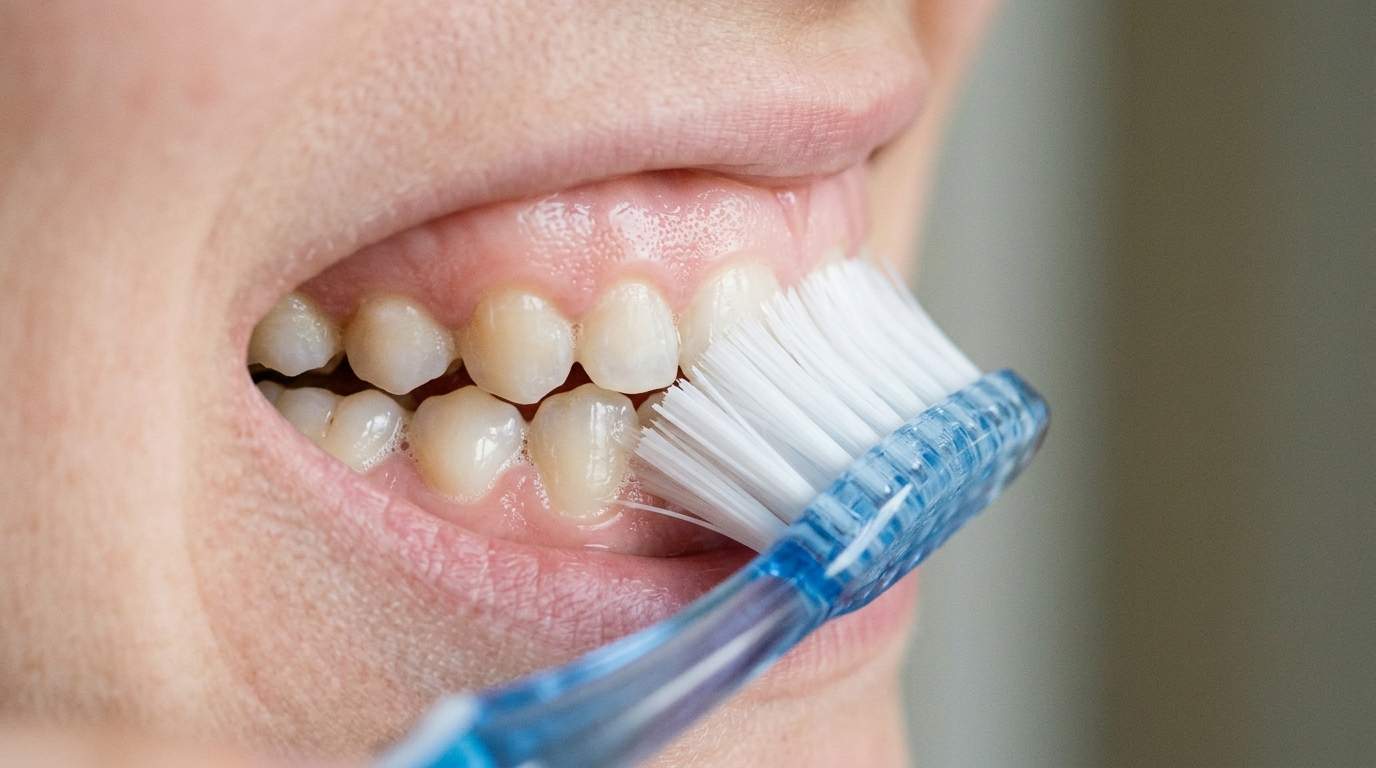
Imagine a cut on your skin. Would you scrub it vigorously with a stiff brush? Of course not. You'd treat it gently. The same logic applies to inflamed gum tissue. When you brush aggressively, especially with a hard-bristled toothbrush, you're not just cleaning; you're actively irritating already inflamed and sensitive gums. This physical trauma can lead to several detrimental outcomes.
Mechanical Abrasion and Tissue Damage
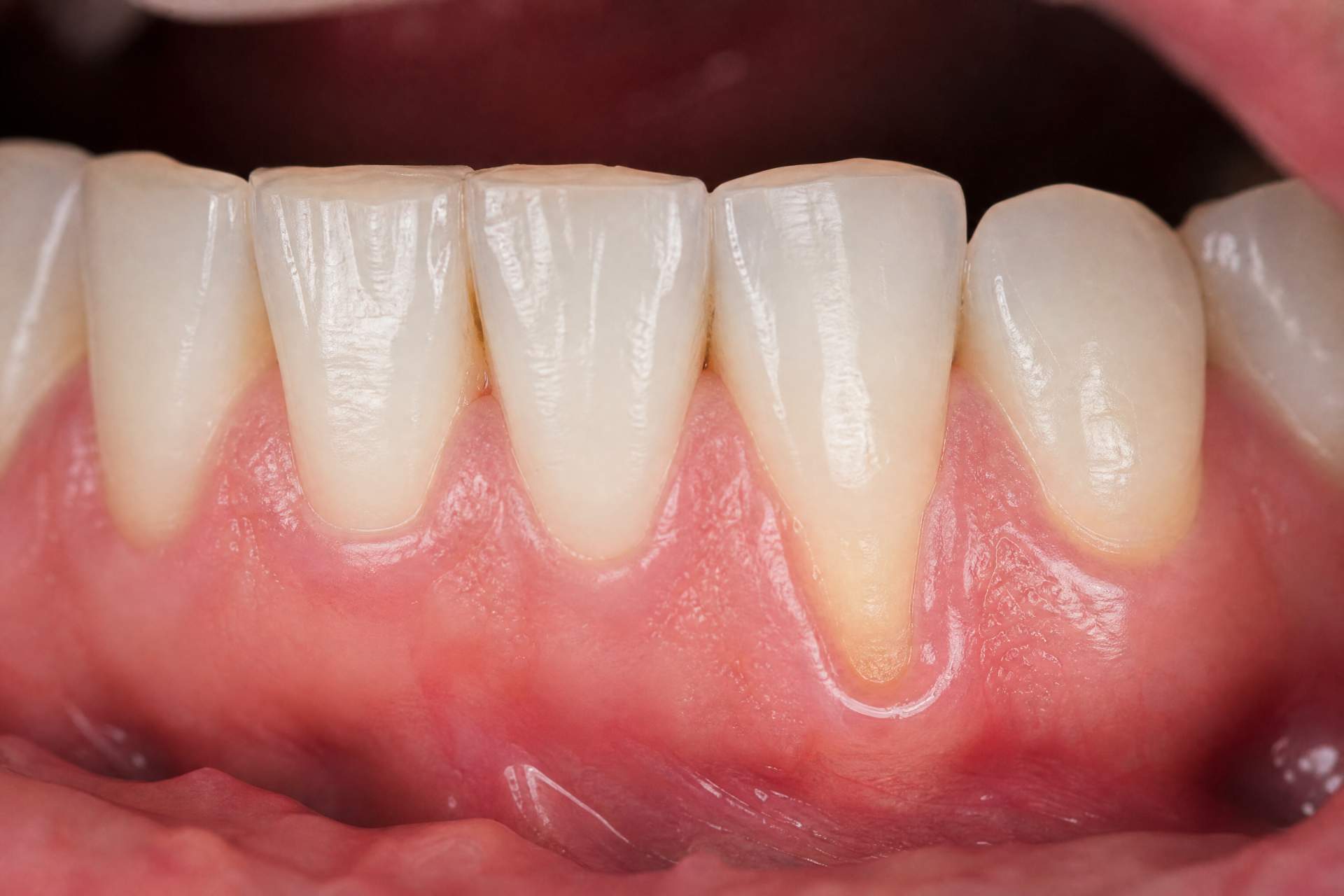
Hard brushing can directly abrade the delicate gum tissue, causing further tears and nicks. This opens up new entry points for bacteria, exacerbating the infection and inflammation. Moreover, it can also lead to gum recession, where the gum tissue pulls away from the teeth, exposing the sensitive tooth roots. This not only increases sensitivity to hot and cold but also creates new areas where plaque can accumulate, perpetuating the cycle of gum disease. Studies have shown that improper brushing techniques, including excessive force, are significant contributors to both gum recession and wedge-shaped defects at the gumline (known as abfraction lesions).
Beyond the Bristles: Unmasking Hidden Contributors to Oral Health
While brushing technique is crucial, the landscape of oral health is far more complex than just mechanical cleaning. Emerging research and long-standing clinical observations highlight a fascinating interplay between systemic health and the condition of our gums. This broader perspective often challenges the simplistic notion that all gum problems are merely a local issue.
The Gut-Oral Axis: A Surprising Connection
Your mouth is the gateway to your digestive system, and a growing body of evidence supports the concept of a "gut-oral axis." An imbalance in your gut microbiome, often referred to as dysbiosis, can have ripple effects throughout your body, including your oral cavity. Changes in gut flora can influence systemic inflammation and immune response, potentially making your gums more susceptible to bacterial attack and hindering their ability to heal. For instance, chronic inflammatory conditions in the gut have been linked to increased severity of periodontal disease. This perspective suggests that holistic health management, including dietary choices that support a healthy gut, can play an unexpected but vital role in maintaining robust gums.
Sleep, Stress, and Systemic Inflammation
It might seem far-fetched, but your sleep patterns and stress levels can significantly impact your bleeding gums. Chronic stress elevates cortisol levels, a hormone that can suppress the immune system and increase systemic inflammation, making your body less effective at fighting off the bacteria responsible for gum disease. Similarly, inadequate sleep can disrupt immune function and inflammatory pathways. A review published in the Journal of Periodontology highlighted the significant association between stress and periodontal disease progression, underscoring that our lifestyle choices resonate deeply within our oral ecosystems. Taking charge of your overall well-being, from managing stress to prioritizing restorative sleep, provides a robust foundation for enduring oral health.
Reclaiming Your Gum Health: Gentle Science-Backed Strategies
Understanding that bleeding gums are a sign of inflammation, not just a call for harder scrubbing, is the first step toward genuine healing. The path to robust gum health is paved with gentle, consistent, and informed practices. It's about working with your body, not against it.
The Art of Gentle and Effective Cleaning
Switch to a soft-bristled toothbrush and use a gentle, circular motion, ensuring you clean thoroughly along the gumline without scrubbing vigorously. Think of it as massaging, not scouring. The American Dental Association (ADA) recommends brushing for two minutes, twice a day, and flossing at least once a day to effectively disrupt plaque buildup. An electric toothbrush with a pressure sensor can be particularly beneficial, alerting you if you're applying too much force. Regular flossing is non-negotiable; it removes plaque and food particles from between teeth and under the gumline where your toothbrush can't reach.
Professional Guidance and Early Intervention
If your gums are bleeding consistently, self-management alone might not be enough. A dental professional can accurately diagnose the extent of your gum disease and recommend appropriate interventions. This could include professional cleanings (scaling and root planing) to remove hardened plaque (calculus) below the gumline, or advice on specific oral hygiene products. Remember, early intervention is key. Untreated gingivitis can progress to periodontitis, a more severe form of gum disease that can lead to bone loss, tooth mobility, and even tooth loss. Your dentist is your partner in maintaining not just your smile, but a crucial aspect of your overall health.