You've just finished brushing and flossing with meticulous care, perhaps even followed up with a swish of your favorite mouthwash. You step away from the mirror, feeling a temporary wave of freshness. Yet, later in the day, during an important conversation or a casual chat, a subtle, unwelcome awareness creeps in – that underlying feeling of not being truly fresh persists. It’s a quiet dread, a social anxiety that gnaws at your confidence, leaving you wondering why your diligent efforts in oral hygiene aren't yielding the lasting fresh breath you so earnestly seek. Is the solution truly just about brushing harder, or is your body trying to tell you something more profound, something that extends far beyond the confines of your bathroom cabinet?
E.g. :The Elusive Freshness: Why Your Daily Routine Falls Short of Lasting Cleanliness
- 1、What Causes Bad Breath Beyond Your Toothbrush? Unmasking Oral Halitosis
- 2、The Lingering Legion: Why Tongue Coating is a Persistent Bad Breath Culprit
- 3、More Than Just Mouthwash: Exploring Systemic Causes of Unpleasant Breath
- 4、Beyond Brushing: Advanced Fresh Breath Tips for Lasting Confidence
- 5、Seeking Clarity: When to Consider Professional Halitosis Treatment
- 6、FAQs
What Causes Bad Breath Beyond Your Toothbrush? Unmasking Oral Halitosis
Many of us equate "bad breath" with simply needing a mint or a quick brush, but the reality is far more intricate. While poor oral hygiene is a common culprit, leading to food particles decaying and bacteria multiplying, persistent bad breath – medically known as halitosis – often stems from deeper, less obvious sources. Our conventional understanding often falls short when confronted with a clean mouth that still, inexplicably, produces an unpleasant odor.
The Bacterial Biofilm: A Microscopic Menace
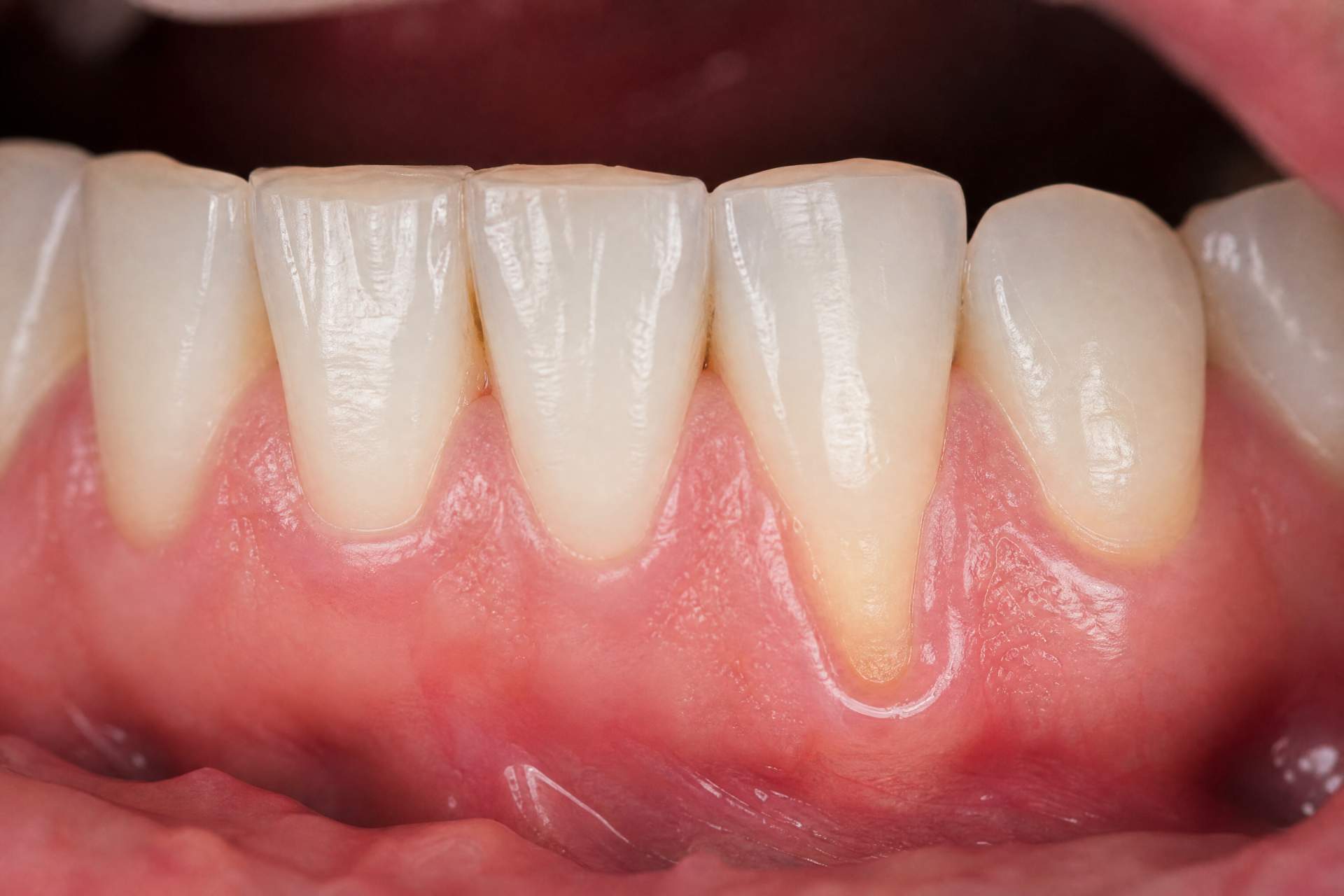
At the heart of most oral halitosis lies the activity of anaerobic bacteria. These microscopic organisms thrive in oxygen-deprived environments, particularly on the back of the tongue, between teeth, and under the gum line. When these bacteria break down proteins from food debris, dead cells, and post-nasal drip, they release volatile sulfur compounds (VSCs) – gases like hydrogen sulfide and methyl mercaptan – which are the primary components of offensive breath. Research indicates that approximately 80-90% of halitosis cases originate in the mouth, with VSCs being the key markers. Even the most rigorous brushing might miss these hidden bacterial colonies.
Dry Mouth: The Silent Contributor
Saliva acts as your mouth's natural cleansing agent, washing away food particles and bacteria. When saliva flow is reduced, a condition known as xerostomia or dry mouth, bacteria and their VSCs can flourish unchecked. Dry mouth can be a side effect of certain medications (antihistamines, decongestants, antidepressants), mouth breathing, excessive alcohol consumption, or even medical conditions. It’s a crucial factor that often goes unaddressed in routine oral hygiene, leaving you susceptible to persistent bad breath.

The Lingering Legion: Why Tongue Coating is a Persistent Bad Breath Culprit
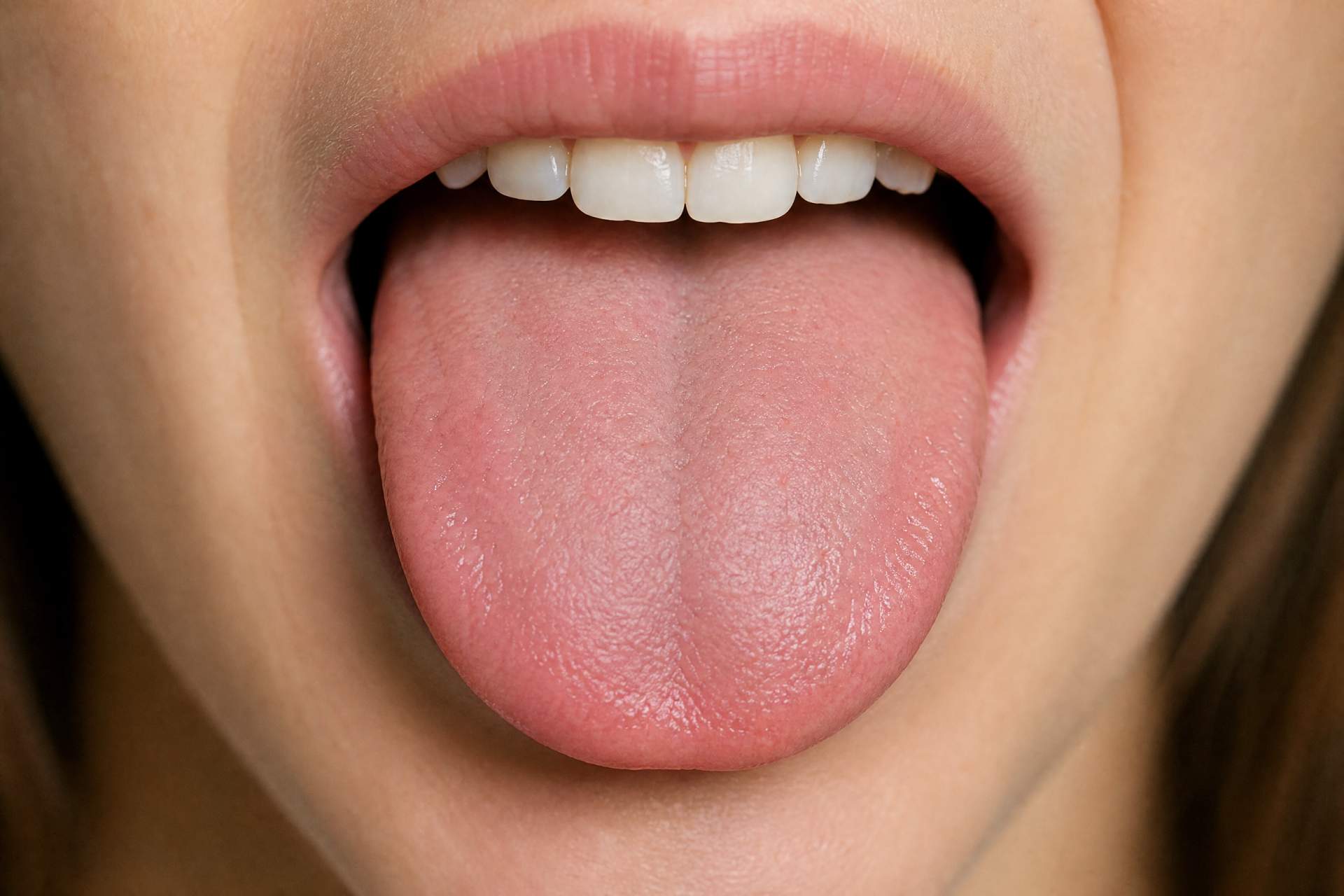
Despite its seemingly innocuous appearance, your tongue can be a significant reservoir for odor-producing bacteria. The rough surface of the tongue, with its numerous papillae, creates an ideal environment for bacteria, food debris, and dead cells to accumulate, forming a thick coating.
The Anatomy of Your Tongue's Surface
Imagine your tongue as a plush carpet, not a smooth tile. The tiny projections, or papillae, on its surface, especially towards the back, can trap immense amounts of debris. Studies consistently show that the tongue coating is a primary source of VSCs in individuals with halitosis. Even if you meticulously brush your teeth, if you neglect to clean your tongue, you’re leaving a significant breeding ground for the very bacteria that cause bad breath. This often explains why even after a thorough brushing session, the freshness is fleeting.
More Than Just Mouthwash: Exploring Systemic Causes of Unpleasant Breath
While the mouth is the most common origin, bad breath can sometimes be a subtle messenger, signaling underlying health issues elsewhere in the body. This is where understanding your body's holistic health becomes paramount, moving beyond superficial fixes.
Gastric Gestures and Respiratory Riddles
Conditions like gastroesophageal reflux disease (GERD) can cause stomach acids and partially digested food particles to rise back into the esophagus and mouth, leading to a sour or foul smell. Similarly, infections in the respiratory tract, such as sinusitis, bronchitis, or tonsil stones (small calcifications that harbor bacteria in the tonsils), can produce distinctive, unpleasant odors as air passes over infected areas. These issues require medical intervention, not just more mouthwash.
The Dietary Dilemma
What you eat can also profoundly affect your breath, sometimes hours after consumption. Foods rich in pungent compounds, like garlic, onions, and certain spices, are absorbed into your bloodstream. When these compounds reach your lungs, they are expelled through your breath, creating an odor that even vigorous brushing cannot eliminate. The solution here isn't a "halitosis treatment" in the traditional sense, but rather an awareness of your dietary choices and their systemic impact.
Beyond Brushing: Advanced Fresh Breath Tips for Lasting Confidence
Achieving truly lasting fresh breath often requires a multi-pronged approach that extends beyond the conventional twice-daily routine. It's about understanding the nuances of oral and overall health.
Comprehensive Oral Hygiene Techniques
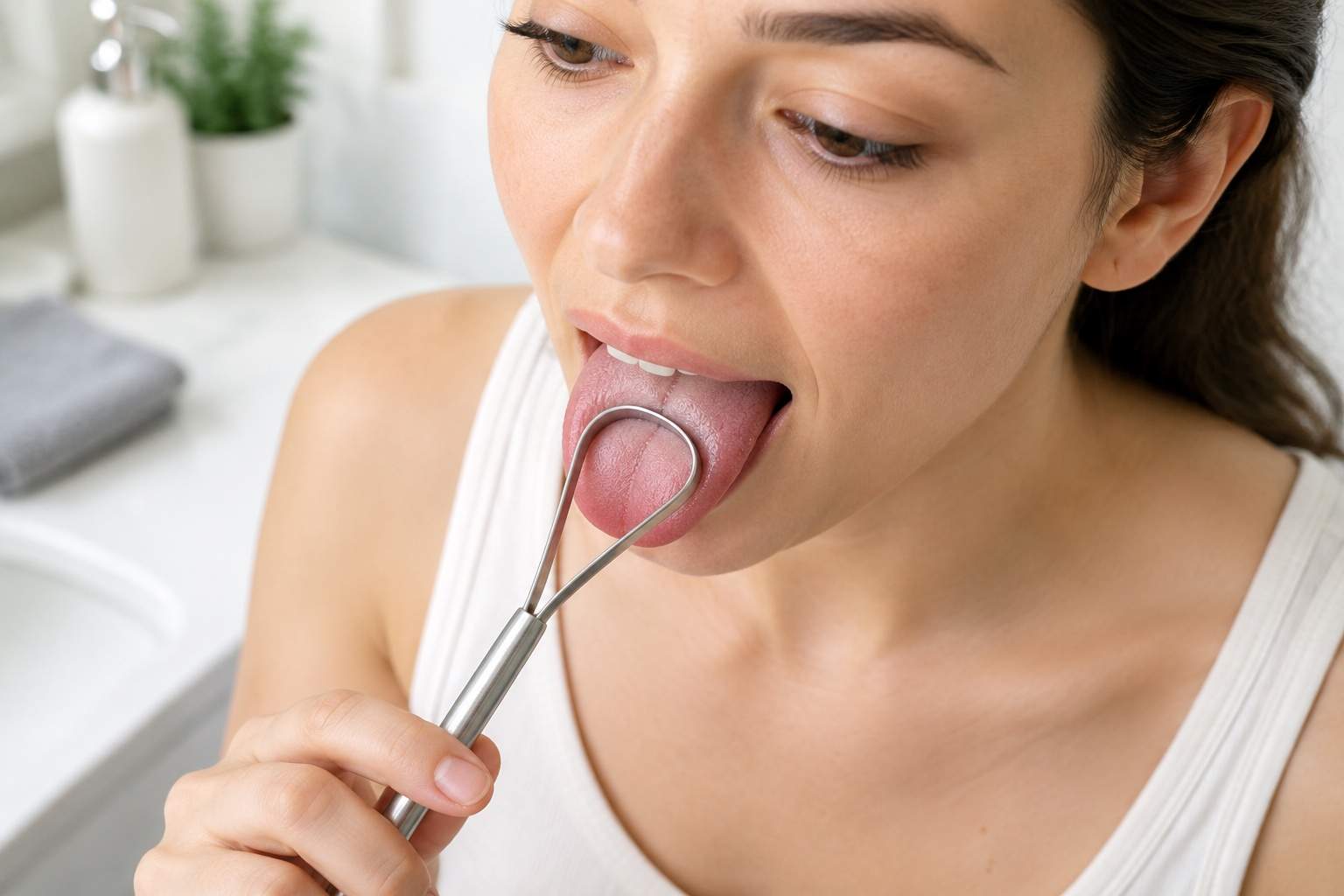
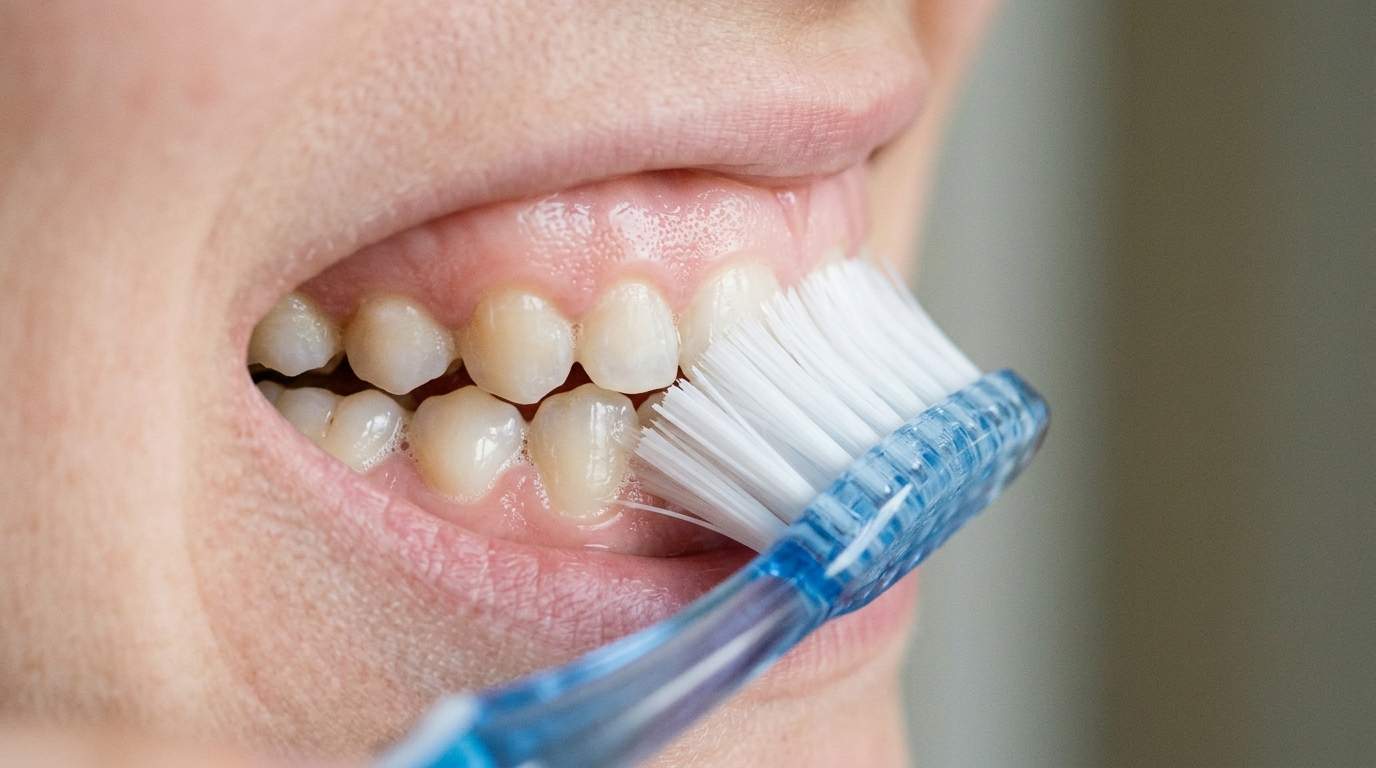
Beyond brushing, incorporate daily flossing to remove food particles and plaque from between teeth and under the gum line. Consider investing in a tongue scraper – a simple, effective tool for removing bacterial coating from your tongue. Many dental professionals advocate for its use as a critical component of a truly fresh mouth.
Hydration and Saliva Stimulation
Drink plenty of water throughout the day to keep your mouth moist and promote healthy saliva flow. Chewing sugar-free gum, especially those containing xylitol, can also stimulate saliva production and help neutralize acids, offering a natural "halitosis treatment" for mild cases.
Dietary Adjustments and Awareness
Pay attention to how certain foods affect your breath. While you don't have to eliminate all culprits, being mindful of their impact, especially before social engagements, can be very helpful. Incorporate more fibrous fruits and vegetables, which can act as natural tooth scrubbers.
Seeking Clarity: When to Consider Professional Halitosis Treatment
If, despite diligent at-home efforts, your bad breath persists, it's a clear signal to seek professional help. This isn't a sign of failure, but rather a responsible step towards understanding and addressing a potentially deeper issue.
Your dentist is your first line of defense. They can conduct a thorough oral examination to rule out dental issues like gum disease, large cavities, or old fillings that might be trapping bacteria. They can also provide guidance on proper oral hygiene techniques and recommend specific mouthwashes or toothpastes designed to combat VSCs. If your dentist rules out an oral cause, they may refer you to a medical doctor to investigate systemic issues. This collaborative approach ensures that the root cause of your persistent bad breath is accurately identified and effectively addressed. Facing the problem with an open mind and seeking expert guidance is the truest path to lasting fresh breath and renewed confidence.