That familiar sensation hits you the moment consciousness stirs: a fuzzy film clinging to your teeth, a distinct staleness permeating your mouth, and an undeniable urge to find a toothbrush. It’s a common morning ritual for many, an unwelcome greeting that often sparks a silent question: "Didn't I just brush thoroughly last night?" This pervasive morning malodor, despite diligent evening oral care, can be perplexing and even a little embarrassing. We invest in the best toothbrushes, fluoride toothpastes, and floss, yet many wake to a taste and smell that feels far from fresh. What if the secret to overcoming this daily oral dilemma isn't simply more vigorous brushing, but rather a deeper understanding of the nocturnal processes within your mouth?
E.g. :The Unseen Story Your Breath Tells: Why Mints Aren't Enough
- 1、The Night Shift: Why Bacteria Thrive While You Sleep (Morning Breath Explained)
- 2、Decoding Dry Mouth: The Saliva Secret to Freshness (Dry Mouth Syndrome)
- 3、Beyond the Brush: Overlooked Culprits of Oral Odor (Oral Hygiene Habits)
- 4、Challenging the Consensus: Are Mouthwashes Always Your Friend? (Bad Breath Cure Misconceptions)
- 5、Reclaiming Your Morning: Practical Paths to Persistent Freshness (Long-Term Solutions)
- 6、FAQs
The Night Shift: Why Bacteria Thrive While You Sleep (Morning Breath Explained)
Your mouth is a bustling ecosystem, home to hundreds of species of bacteria. While many are beneficial, some, particularly anaerobic bacteria, are the primary culprits behind halitosis, or bad breath. During the day, saliva acts as your mouth's natural cleansing agent, washing away food particles and bacteria, and neutralizing acids. However, when you sleep, your salivary glands slow down significantly. This reduction in saliva flow creates an ideal, dry, oxygen-poor environment for these anaerobic bacteria to flourish.
These microorganisms feed on leftover food particles, dead cells, and mucus in your mouth, breaking them down into volatile sulfur compounds (VSCs). These VSCs – primarily hydrogen sulfide, methyl mercaptan, and dimethyl sulfide – are the gaseous molecules responsible for the unpleasant "rotten egg" or "cabbage" smell associated with bad breath. Research indicates that over 80% of halitosis cases originate in the oral cavity, with the tongue being a significant reservoir for these odor-producing bacteria.
The Tongue's Unsung Role in Oral Odor
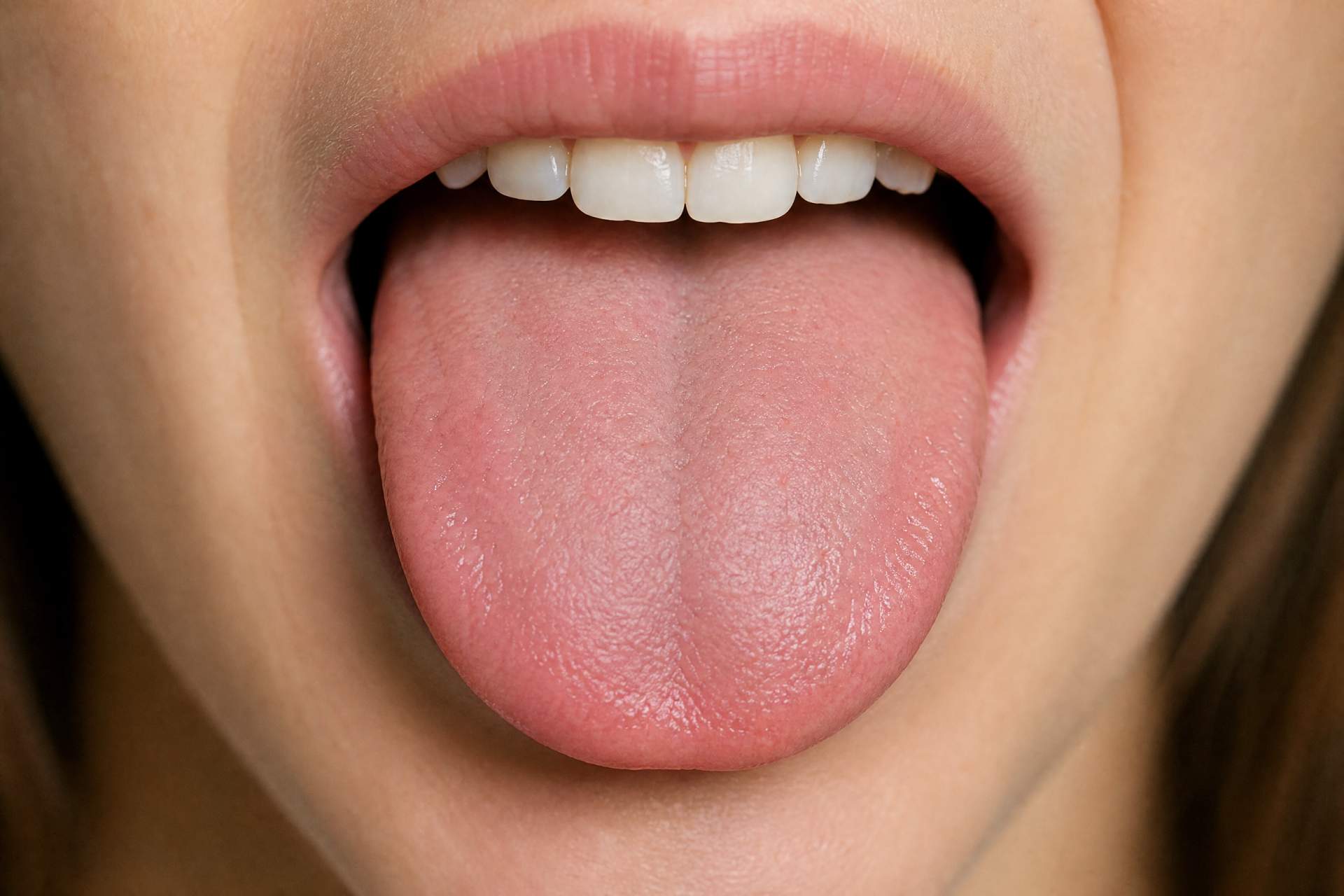
The surface of your tongue, particularly the rough texture on the back, provides countless nooks and crannies for bacteria to hide and multiply, shielded from the mechanical action of chewing and the flow of saliva. Without proper cleaning, this bacterial biofilm accumulates overnight, intensifying the production of VSCs. Think of it as a miniature composting facility, working diligently while you slumber, turning organic matter into potent odors.

Decoding Dry Mouth: The Saliva Secret to Freshness (Dry Mouth Syndrome)
As mentioned, saliva is your mouth's natural guardian. It's not just water; it contains enzymes, minerals, and antibodies that protect teeth from decay, neutralize acids, and help control bacterial populations. When saliva flow diminishes, known as xerostomia or dry mouth, this protective barrier weakens, directly contributing to morning breath.
Dry mouth isn't just a nuisance; it's a significant health concern that can lead to increased cavities, gum disease, and persistent bad breath. While a certain degree of reduced saliva production is normal during sleep, several factors can exacerbate it, turning a mild morning funk into a significant oral challenge.
Factors Fueling Nocturnal Dryness
- Breathing Habits: Mouth breathing, whether due to nasal congestion, sleep apnea, or simply habit, dries out the oral cavity far more rapidly than nasal breathing.
- Medications: A vast array of common medications, including antihistamines, decongestants, antidepressants, and blood pressure drugs, list dry mouth as a side effect.
- Lifestyle Choices: Alcohol consumption before bed, smoking, and even excessive caffeine intake can contribute to dehydration and reduced saliva flow.
- Medical Conditions: Certain systemic conditions like Sjogren's syndrome, diabetes, and autoimmune disorders can directly impact salivary gland function.
Beyond the Brush: Overlooked Culprits of Oral Odor (Oral Hygiene Habits)
While brushing and flossing are foundational, some aspects of daily oral hygiene are often overlooked, allowing odor-causing bacteria to persist and contribute to morning breath. It’s a common misconception that simply scrubbing your teeth is enough.
The Unexplored Territories of Your Mouth
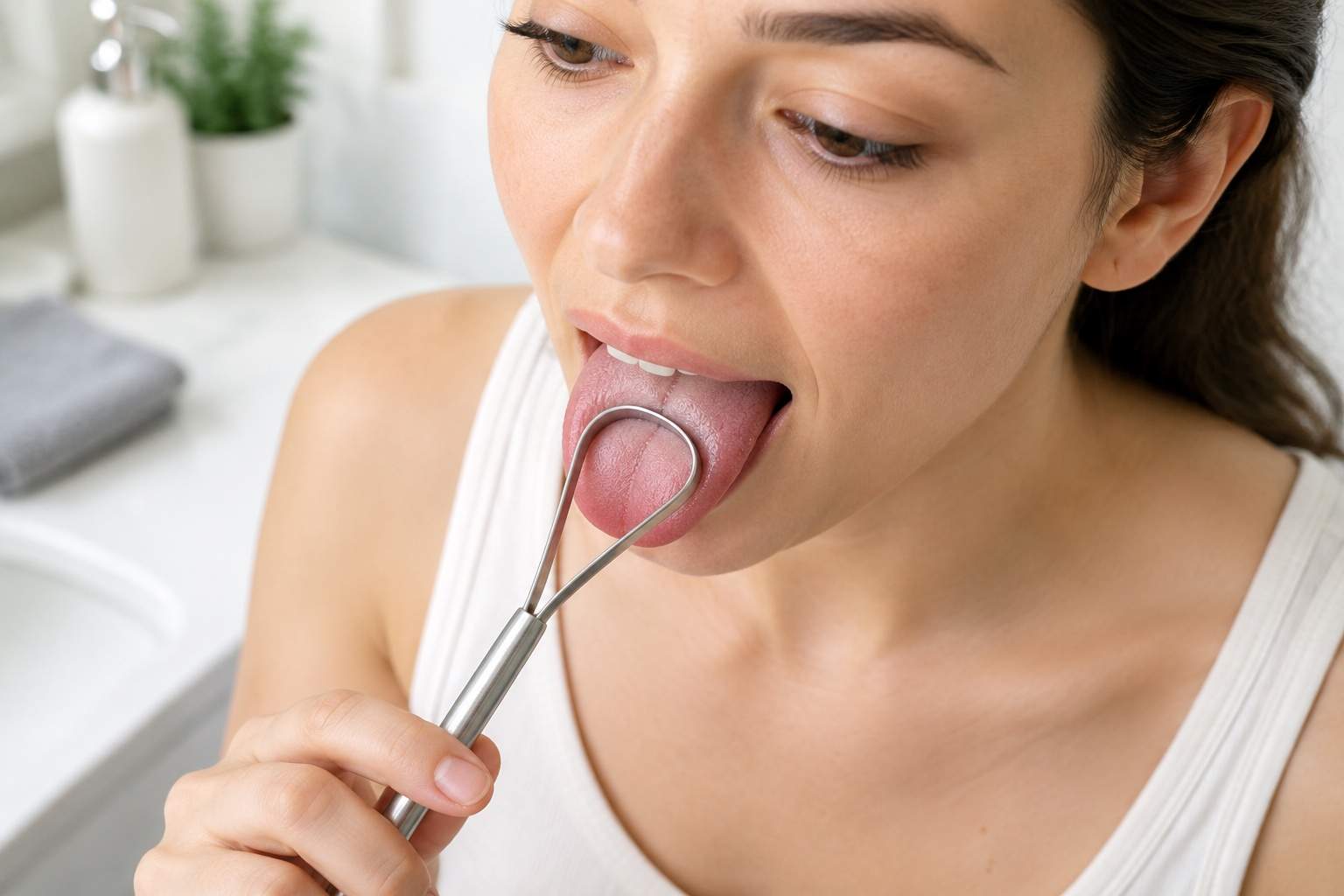
Many people focus solely on their teeth, neglecting the tongue, cheeks, and roof of the mouth. As previously noted, the tongue is a prime harbor for bacteria. Similarly, food debris and bacteria can linger on the inner cheeks and palate. Proper oral hygiene extends beyond just the teeth. Using a tongue scraper or even your toothbrush to gently brush your tongue can significantly reduce the bacterial load and, consequently, VSC production. A study published in the Journal of Clinical Periodontology found that mechanical tongue cleaning can reduce levels of VSCs by up to 75%.
Challenging the Consensus: Are Mouthwashes Always Your Friend? (Bad Breath Cure Misconceptions)
In the quest for fresh breath, many reach for commercial mouthwashes. While some can offer temporary relief, it's crucial to understand their role and limitations. Many over-the-counter mouthwashes contain alcohol, which, ironically, can further dry out the mouth, exacerbating the very problem they aim to solve. This can lead to a vicious cycle: use mouthwash, experience temporary freshness, then increased dry mouth and worse morning breath.
Antiseptic mouthwashes designed to kill bacteria can be beneficial, but their effect is often short-lived if the underlying causes of bad breath, such as plaque buildup or dry mouth, are not addressed. It’s akin to spraying air freshener in a room without taking out the trash. The key is to treat the source, not just mask the symptom.
Reclaiming Your Morning: Practical Paths to Persistent Freshness (Long-Term Solutions)
Achieving consistently fresh morning breath is less about a single "cure" and more about adopting a holistic approach to oral health and lifestyle. It requires a commitment to understanding your body's signals and making informed choices.
Holistic Strategies for a Fresher Start
- Hydration is Key: Drink plenty of water throughout the day, especially in the evening. Keeping your body hydrated directly supports salivary gland function.
- Optimize Your Nightly Routine:
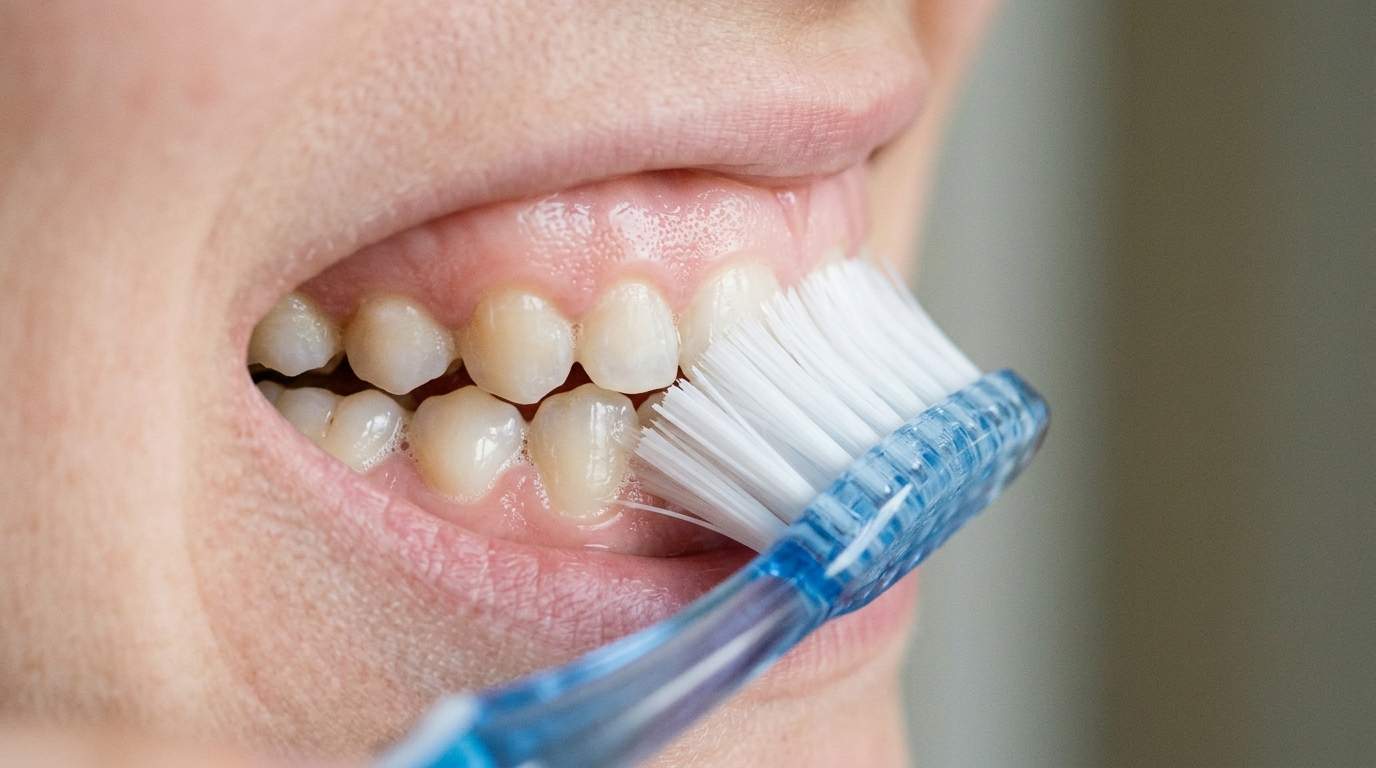
- Thorough Brushing & Flossing: Don't just brush; brush correctly for two minutes, twice a day, and floss meticulously.
- Tongue Cleaning: Incorporate tongue scraping or brushing into your nightly routine. This is arguably one of the most effective immediate actions you can take.
- Consider Alcohol-Free Mouthwash: If you use mouthwash, choose an alcohol-free, antiseptic option, and use it sparingly, preferably not right before bed to avoid further drying.
- Address Underlying Issues:
- Manage Dry Mouth: If medication is the cause, discuss alternatives with your doctor. Consider a humidifier in your bedroom to moisten the air. Chewing sugar-free gum or lozenges can stimulate saliva flow.
- Breathe Through Your Nose: If nasal congestion is an issue, explore solutions like nasal strips or saline rinses. For suspected sleep apnea, consult a doctor.
- Dietary Awareness: Limit strong-smelling foods (garlic, onions) before bed. Reduce sugary snacks, which feed oral bacteria.
- Regular Dental Check-ups: Persistent bad breath can sometimes signal more serious dental issues like gum disease, large cavities, or even systemic health problems. Your dentist can accurately diagnose and treat these conditions.
Embracing these strategies can transform your morning experience from a fuzzy-mouthed dread to a truly fresh start. It’s about more than just hygiene; it’s about understanding the intricate dance of your oral microbiome and empowering yourself with the knowledge to maintain optimal health, one fresh breath at a time.