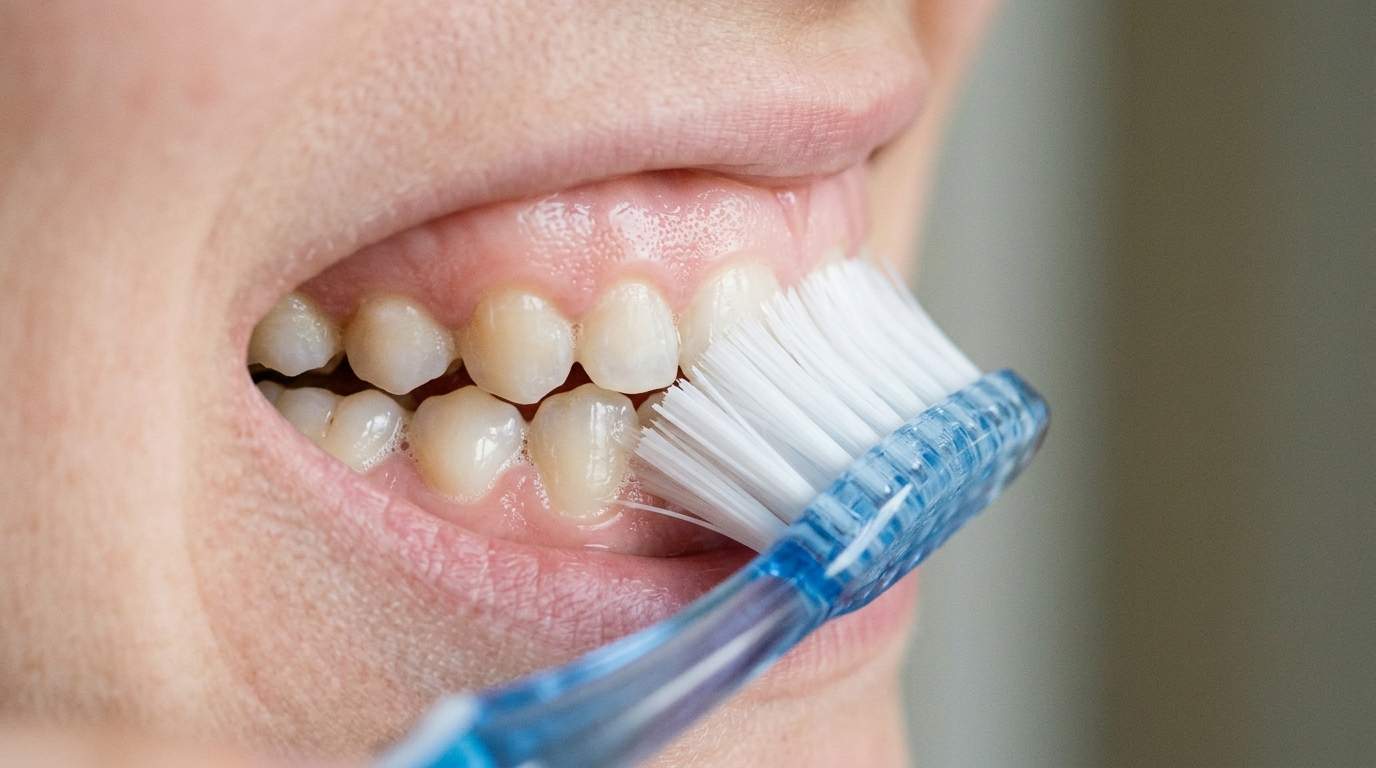
That familiar flicker of self-consciousness—you’ve just finished your morning ritual, a thorough brush followed by the invigorating burn of your favorite minty mouthwash. Yet, within the hour, a subtle but unmistakable metallic or sulfurous taste begins to creep back, turning an important work call into an exercise in anxiety. You meticulously care for your teeth, perhaps even more diligently than most, but the elusive promise of lasting fresh breath remains just that: a promise, often broken. This persistent, embarrassing return of bad breath, despite your best efforts, can feel like a futile battle, leaving you wondering if you're missing something crucial.
E.g. :Why Your "Fresh" Breath Fades Fast: The Hidden Culprits Beyond Brushing
- 1、The Deceptive Lure of "Fresh Breath" Products: Understanding Persistent Bad Breath
- 2、The Alcohol Paradox: Why Your Mouthwash Can Worsen Halitosis Causes
- 3、Beyond the Bristles: The Overlooked Role of Tongue Cleaning Benefits
- 4、The Hidden Culprits: Unmasking Deeper Halitosis Causes
- 5、Reclaiming Your Confidence: Effective Bad Breath Solutions
- 6、FAQs
The Deceptive Lure of "Fresh Breath" Products: Understanding Persistent Bad Breath
For many, the first line of defense against bad breath, or halitosis, is a splash of a strong mouthwash and a vigorous brush. While these actions provide a temporary sensory illusion of freshness, they often do little to address the root cause. The truth is, most bad breath originates not from the food you’ve just eaten, but from specific bacteria residing in your mouth. These anaerobic bacteria, thriving in oxygen-deprived environments, feast on food particles and dead cells, producing malodorous volatile sulfur compounds (VSCs) like hydrogen sulfide and methyl mercaptan. This isn't just an unpleasant smell; it's a chemical signature of bacterial activity, and simply masking it with mint often allows the underlying problem to fester.
The Alcohol Paradox: Why Your Mouthwash Can Worsen Halitosis Causes
One of the most common oral hygiene mistakes is the reliance on conventional, alcohol-based mouthwashes. The sharp, clean feeling they impart is often mistaken for genuine cleanliness, but it comes at a cost. Alcohol is a dehydrating agent, and its regular use can significantly dry out the oral tissues.
Dry Mouth: A Breeding Ground for Bad Breath Bacteria
Saliva is your mouth's natural defense mechanism, constantly washing away food debris, neutralizing acids, and maintaining a balanced oral microbiome. When alcohol-based rinses reduce saliva flow, your mouth becomes a prime environment for the very bacteria that produce VSCs. Studies consistently show that conditions leading to xerostomia, or dry mouth, such as those induced by alcohol-based mouthwashes, can significantly increase bacterial populations and subsequently elevate VSC levels. For instance, research published in journals like Oral Diseases has highlighted how reduced salivary flow impacts the oral microbiome, creating an anaerobic haven where odor-producing bacteria can proliferate. This means the very product you use for "freshness" might be setting the stage for more pronounced bad breath later on.

Beyond the Bristles: The Overlooked Role of Tongue Cleaning Benefits
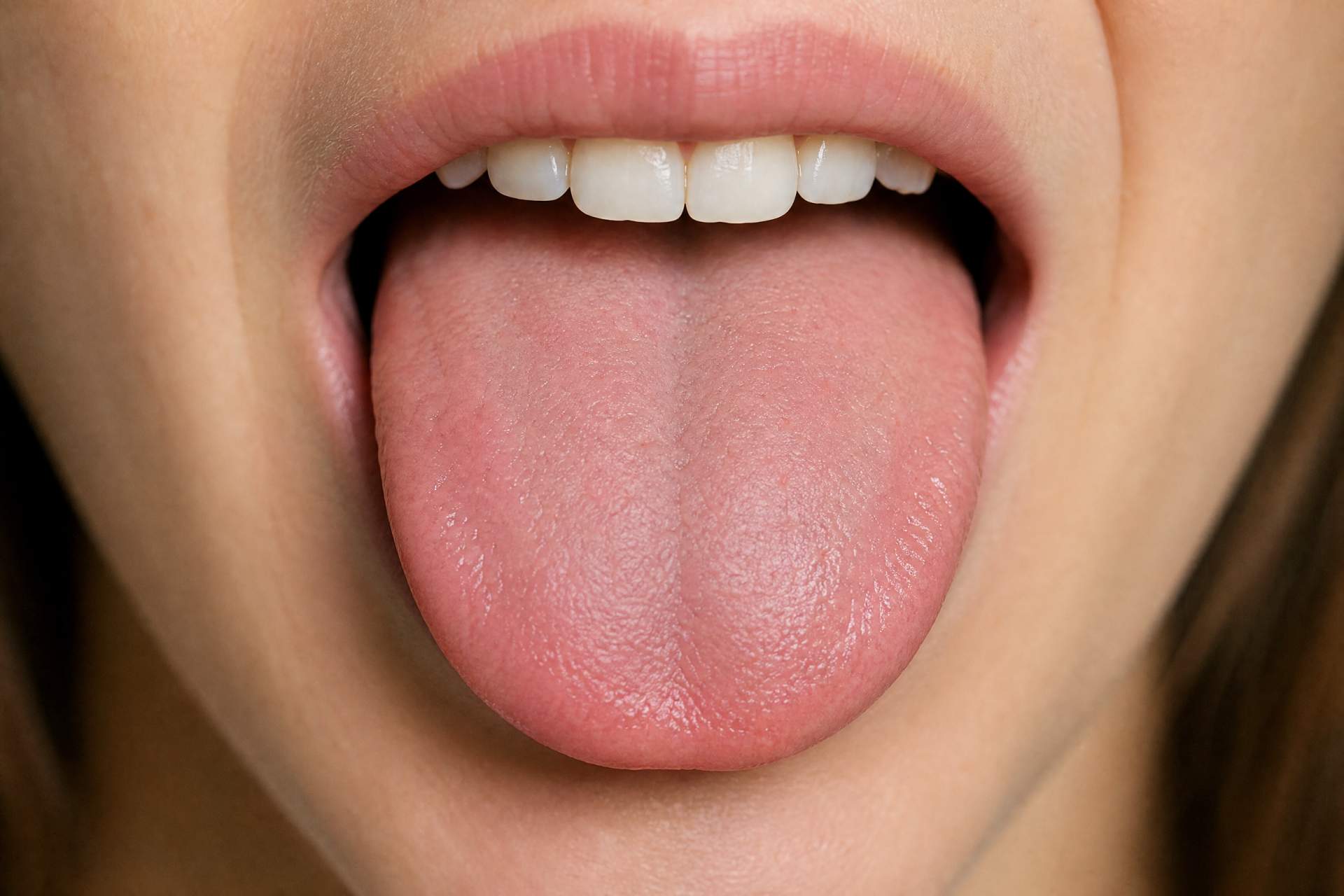
While brushing your teeth is fundamental, it often only addresses about 25% of your mouth's surface area. The remaining 75%, particularly the dorsum of your tongue, is a complex landscape of papillae—tiny projections that can trap bacteria, food particles, and dead epithelial cells. This accumulation forms a biofilm that is a major contributor to persistent bad breath.
The White Coating: A Biofilm Beacon for Oral Hygiene Mistakes
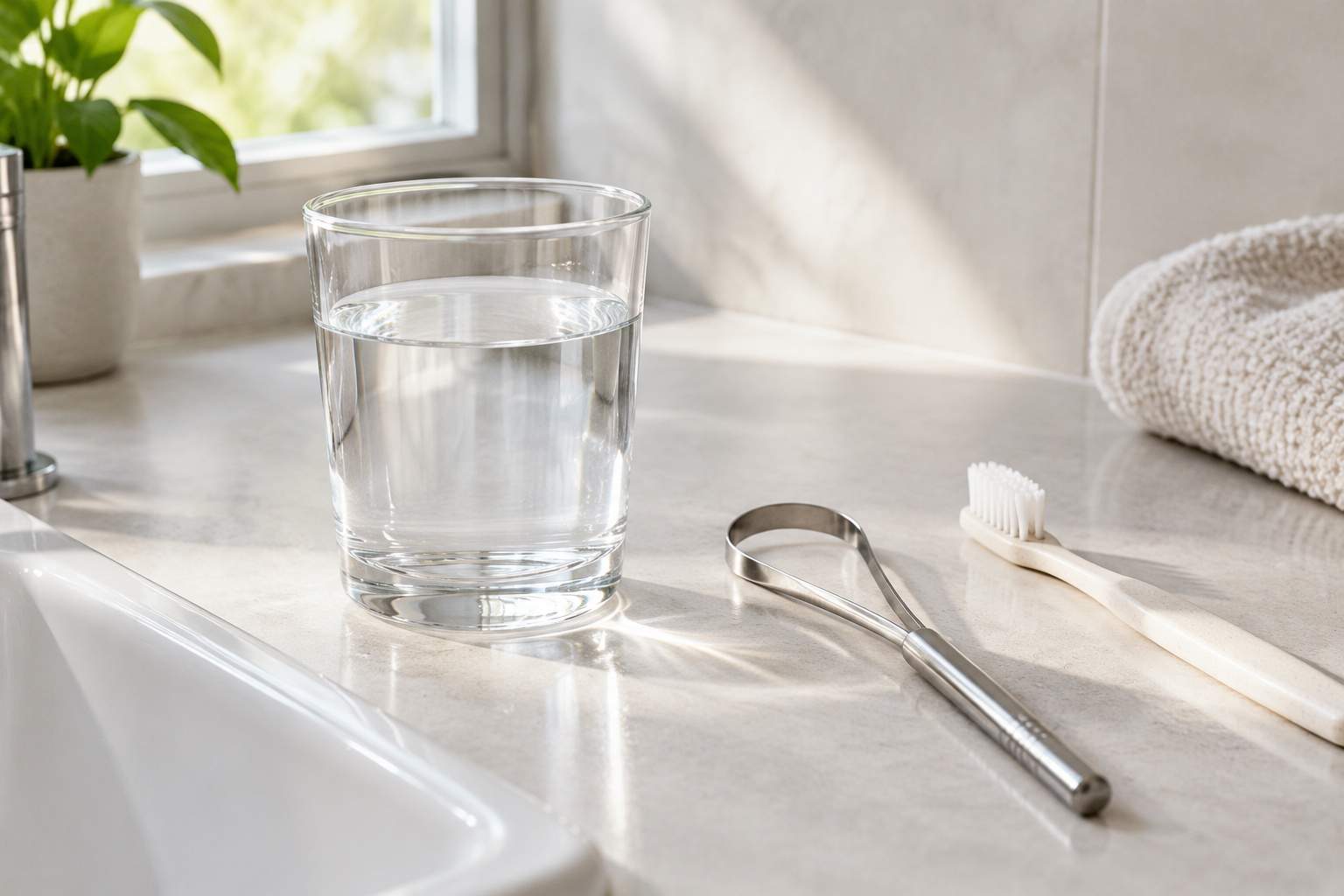
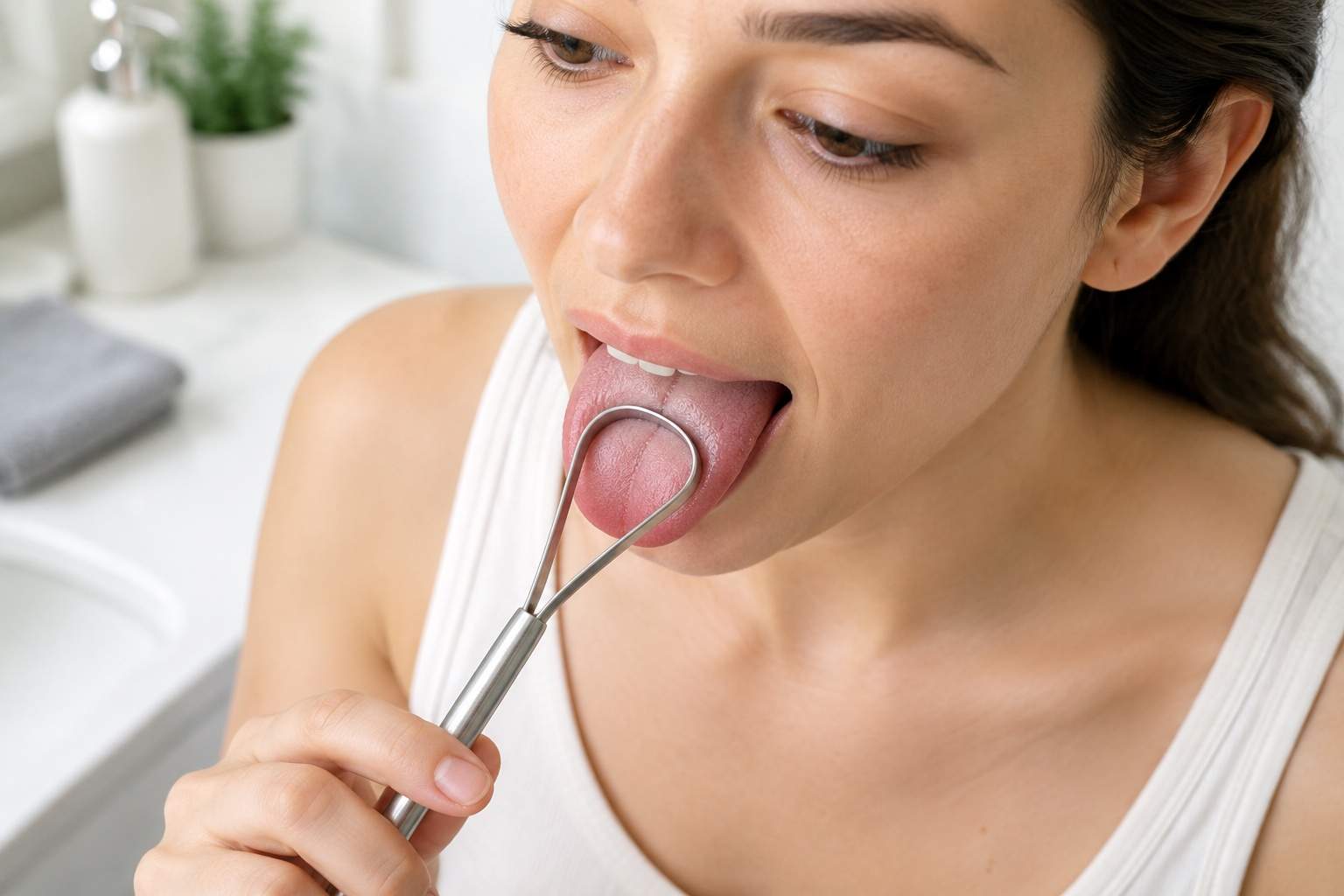
That visible white or yellowish coating on your tongue isn't just unsightly; it’s a living community of VSC-producing bacteria. A regular toothbrush, designed for smooth tooth surfaces, is largely ineffective at removing this thick, sticky film. Research, including findings cited by the American Dental Association, consistently shows that daily tongue scraping can reduce VSC levels by over 75%, a significantly higher efficacy than simply brushing the tongue with a toothbrush. Incorporating a tongue scraper into your daily routine is a simple yet profoundly effective way to physically remove this bacterial reservoir, directly targeting one of the primary halitosis causes.
The Hidden Culprits: Unmasking Deeper Halitosis Causes
While focusing on oral hygiene is paramount, persistent bad breath can also be a symptom of underlying issues that extend beyond your daily routine. It's crucial to consider these possibilities if your efforts yield limited success.
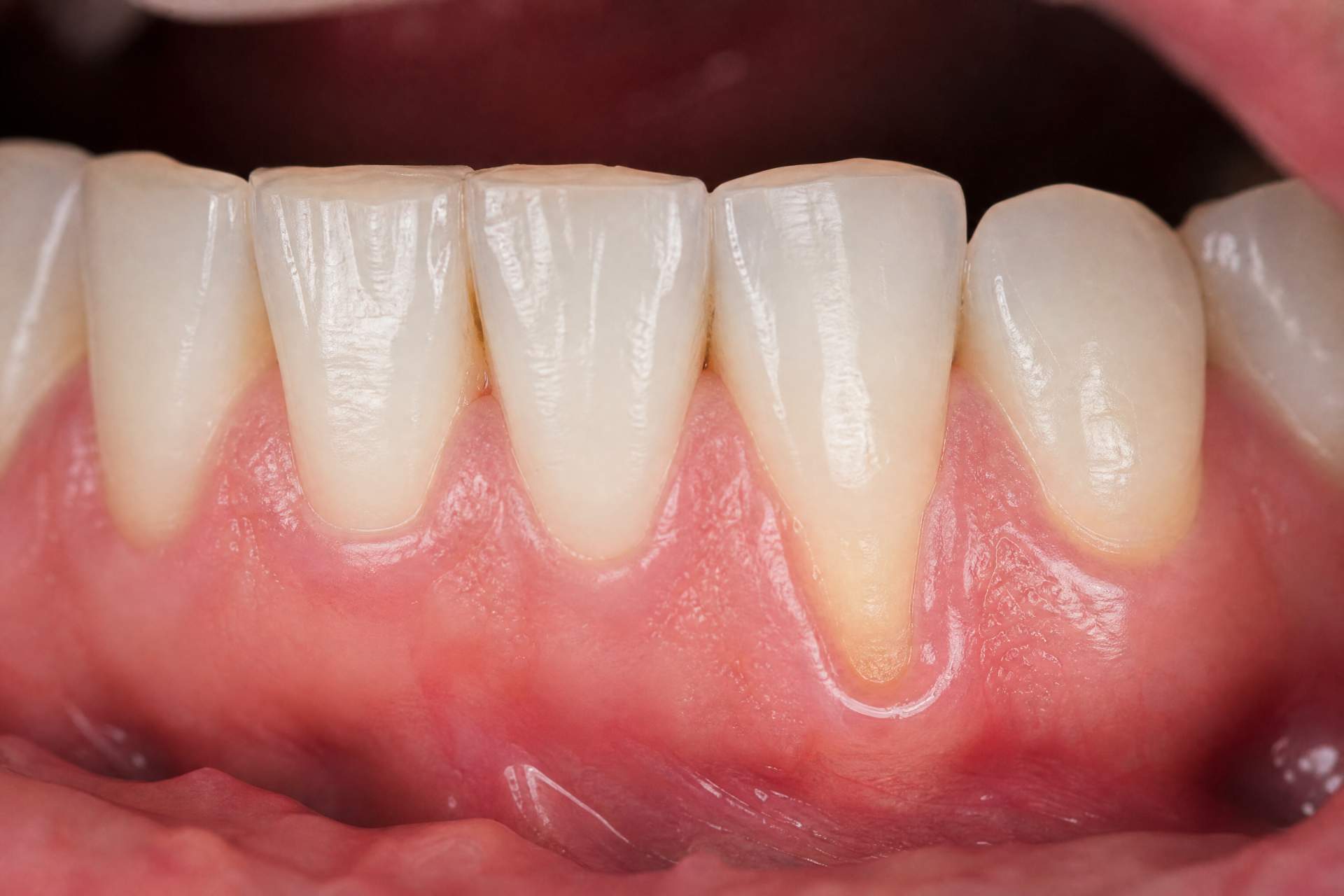
One significant dental cause is periodontal disease (gum disease). Inflamed or infected gums provide an ideal environment for anaerobic bacteria to thrive, releasing foul-smelling compounds. Another common culprit is tonsil stones, or tonsilloliths—small, calcified deposits that form in the crevices of the tonsils, trapping bacteria and emitting a strong odor. Diet also plays a role; certain foods like garlic, onions, and even some high-protein, low-carbohydrate diets (due to ketosis) can contribute to bad breath. Beyond the oral cavity, systemic conditions such as sinus infections, chronic gastric reflux, diabetes, and even kidney or liver issues can manifest as distinctive breath odors. If you suspect any of these deeper issues, a professional diagnosis is essential.
Reclaiming Your Confidence: Effective Bad Breath Solutions
The journey to genuinely fresh breath is not about temporary masking, but about understanding and addressing the root causes. It's about adopting a holistic approach that goes beyond the mint.
Start with consistent, thorough oral hygiene: brush twice daily for two minutes with a fluoride toothpaste, paying attention to all surfaces. Daily interdental cleaning with floss or interdental brushes is non-negotiable; it removes trapped food particles and plaque from between teeth and below the gum line, areas a toothbrush can't reach. Make tongue scraping a daily habit—this simple addition can make a dramatic difference. Hydration is also key; drinking plenty of water helps maintain saliva flow, naturally cleansing your mouth. Opt for alcohol-free mouthrinses that contain antimicrobial agents (like cetylpyridinium chloride or chlorine dioxide) but avoid those with drying alcohol.
Consider Maria, a 30-year-old professional who diligently brushed and rinsed, yet still felt a shadow over her social interactions due to persistent bad breath. After her dentist identified early signs of gum inflammation and recommended consistent interdental cleaning, daily tongue scraping, and switching to an alcohol-free rinse, the metallic taste vanished. Within weeks, her genuine freshness returned, replacing the anxiety with newfound confidence.
Finally, schedule regular dental check-ups for professional cleanings and early detection of any underlying issues. Your dentist can provide a definitive diagnosis and tailored bad breath solutions, guiding you towards lasting fresh breath and restored confidence.