There’s a silent, often embarrassing ritual many of us perform each morning. We wake, aware of that distinct taste and smell in our mouths, and rush to the sink, toothbrush and mouthwash at the ready. We scrub, gargle, and spit, convinced we’ve vanquished the enemy. Yet, hours later—sometimes even sooner—a familiar self-consciousness creeps back. That lingering, unpleasant breath, despite our diligent efforts, remains a persistent shadow, leaving us to wonder if our oral hygiene efforts are merely a futile exercise. This isn't just a minor annoyance; for many, it's a source of genuine anxiety, leading to a hesitant smile or a lowered voice. If you've ever felt this frustration, questioning if you're missing a crucial piece of the puzzle, rest assured, you’re not alone. What if the solution isn't just about brushing harder, but understanding deeper?
E.g. :Why Your Morning Breath Lingers: Unmasking the Surprising Key to Lasting Freshness
- 1、The Anatomy of Offense: What Really Causes Bad Breath?
- 2、Your Mouth's Hidden Ecosystem: The Oral Microbiome
- 3、Beyond the Brush: The Neglected Tongue
- 4、The Full-Body Connection: When Bad Breath Signals More
- 5、Reclaiming Your Freshness: A Holistic Approach
- 6、FAQs
The Anatomy of Offense: What Really Causes Bad Breath?
When we talk about bad breath, or halitosis, most people immediately picture plaque, food particles, and a quick brush as the cure. While these play a role, the true orchestrators of persistent bad breath are often microscopic and far more complex than simple food debris. Scientific research indicates that in about 85-90% of cases, the origin of halitosis lies within the mouth itself. This isn't just about what you ate last night; it's about what’s happening in your oral environment.
Volatile Sulfur Compounds (VSCs) Explained
The primary culprits behind that distinctly unpleasant odor are Volatile Sulfur Compounds (VSCs). These are gases produced by certain anaerobic bacteria, thriving in oxygen-deprived environments within your mouth. Think of them as tiny factories churning out compounds like hydrogen sulfide (that rotten egg smell) and methyl mercaptan (similar to decaying cabbage). These bacteria feast on protein-rich remnants—food particles, dead cells, blood—and the byproduct is breath odor. Aggressive brushing might temporarily dislodge some of these bacteria or their food source, but it often fails to address the underlying conditions that allow them to flourish.
The Dry Mouth Dilemma
Saliva is your mouth's natural cleansing agent. It washes away food particles, neutralizes acids, and contains antimicrobial properties that keep bacterial growth in check. However, during sleep, saliva production significantly decreases, creating a drier oral environment—a perfect breeding ground for those odor-producing anaerobic bacteria. This explains why 'morning breath' is so common. But a persistently dry mouth (xerostomia) can extend this phenomenon throughout the day, even after brushing. Factors like certain medications, dehydration, mouth breathing, or even medical conditions can reduce salivary flow, turning your mouth into a welcoming habitat for VSC producers.
Your Mouth's Hidden Ecosystem: The Oral Microbiome
Your mouth is not just a collection of teeth and gums; it's a bustling, intricate ecosystem, home to hundreds of different species of bacteria, fungi, and viruses—collectively known as the oral microbiome. A healthy oral microbiome is diverse and balanced, with beneficial bacteria keeping the odor-producing ones in check. When this balance is disrupted, bad breath often emerges as a symptom.
When Balance is Lost: Dysbiosis
Just like a rainforest, the health of your oral microbiome depends on its biodiversity. An imbalance, or dysbiosis, occurs when certain harmful bacteria proliferate, often at the expense of beneficial ones. Factors contributing to oral dysbiosis include poor diet (high in refined sugars), chronic stress, smoking, and even the overuse of harsh, alcohol-based mouthwashes. These mouthwashes, while providing a temporary burst of freshness, can indiscriminately kill all bacteria, including the good ones that help maintain balance, inadvertently paving the way for odor-producing bacteria to recolonize and thrive. This challenging of conventional wisdom often surprises people, but the science is clear: maintaining a balanced oral flora is key to long-term fresh breath.
Beyond the Brush: The Neglected Tongue
While brushing your teeth is fundamental, many overlook a significant reservoir for odor-producing bacteria: the tongue. The rough surface of your tongue, particularly towards the back, is an ideal, oxygen-deprived haven for anaerobic bacteria to accumulate, along with dead cells and food debris. Studies have consistently shown that the tongue can harbor a substantial amount of the bacteria responsible for VSC production.
The Power of the Scraper
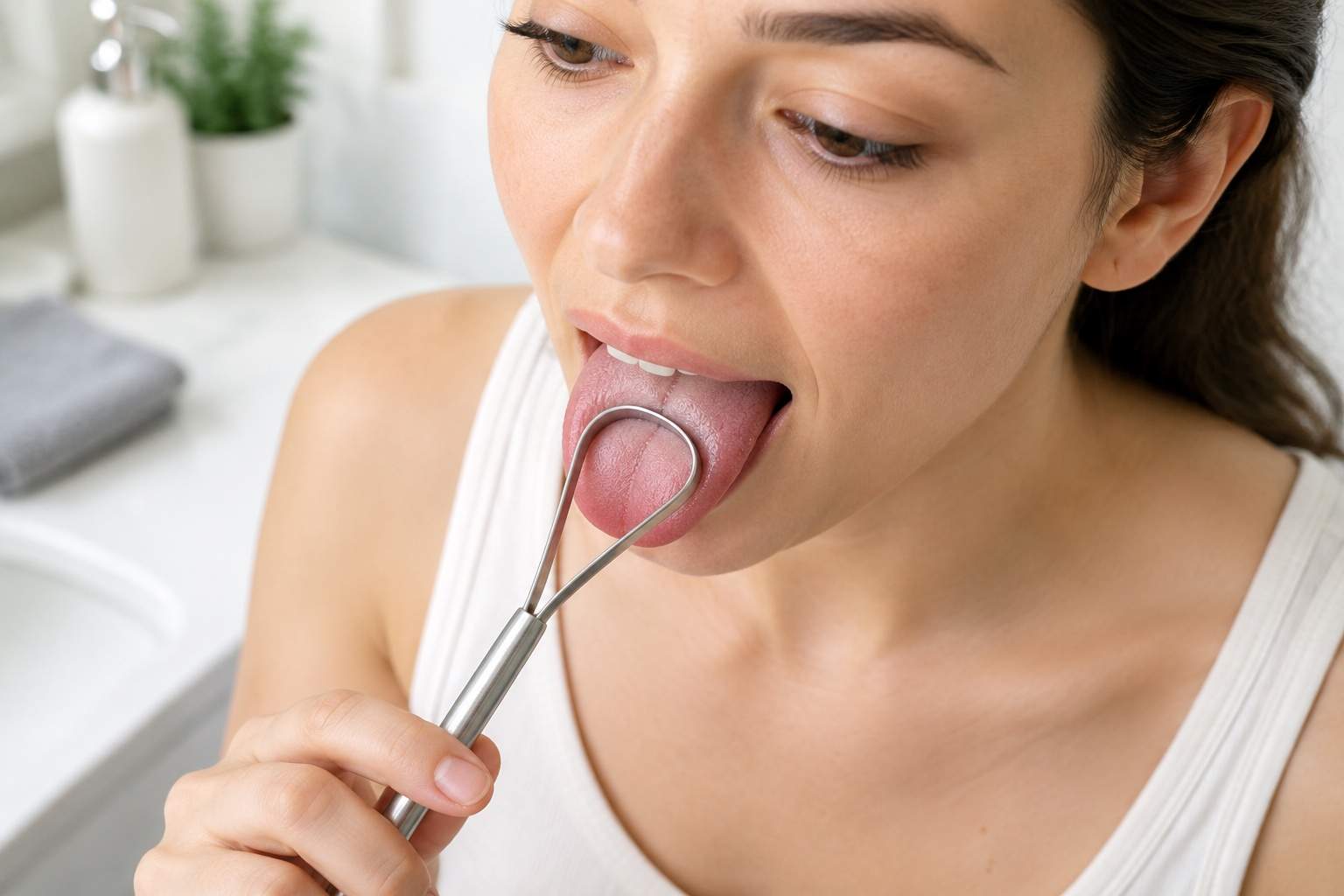
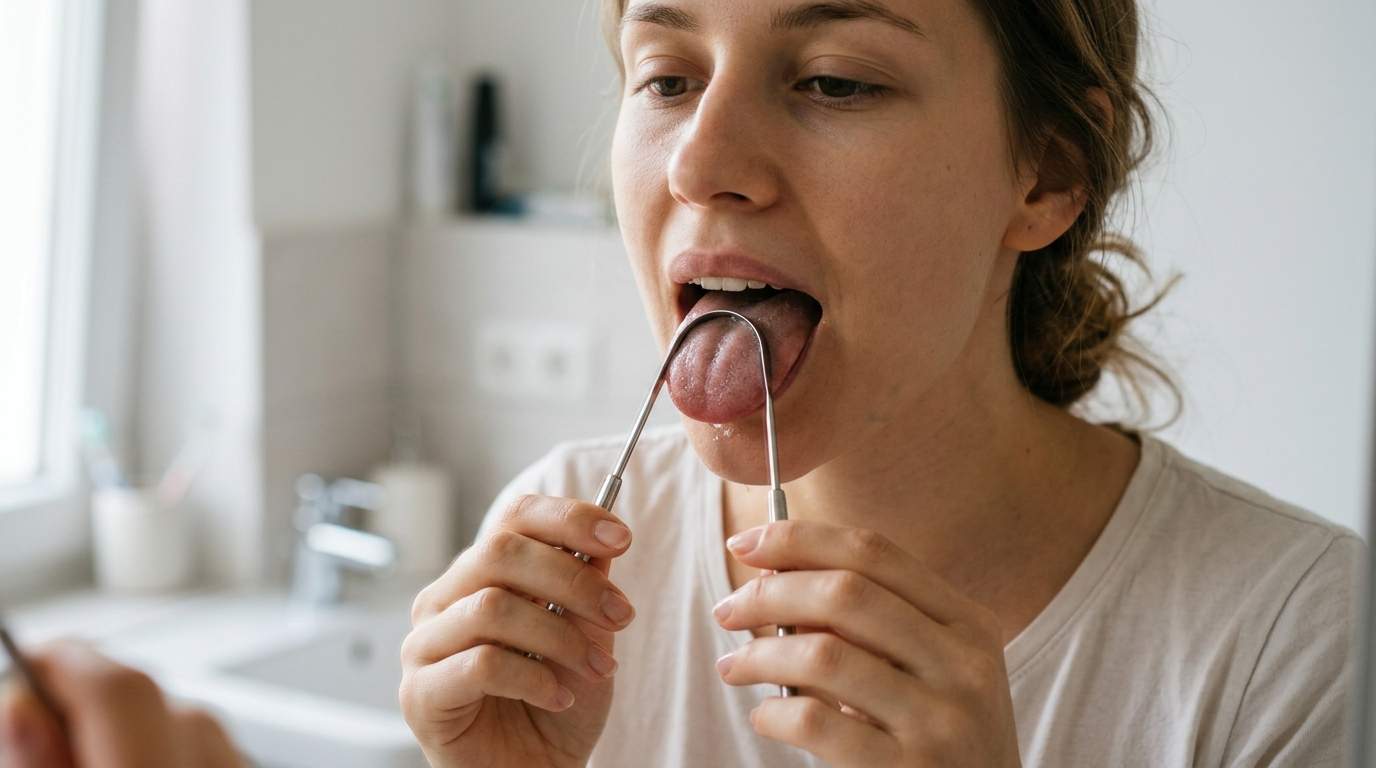
A toothbrush, while effective for teeth, often falls short on the tongue. Its bristles are designed to clean smooth, hard surfaces, not the intricate papillae of the tongue. This is where the simple, yet profoundly effective, tongue scraper comes in. Daily tongue scraping, especially focusing on the back of the tongue, can significantly reduce the bacterial load and VSC levels, offering a more lasting solution than brushing alone. Incorporating this ancient practice into your daily routine can yield noticeable improvements in breath freshness and even taste perception.
The Full-Body Connection: When Bad Breath Signals More
Sometimes, persistent bad breath isn't solely an oral issue but a red flag from other parts of your body. It's a reminder that our systems are interconnected, and oral health is often a mirror of our overall well-being.
The Gut-Breath Axis
Emerging research highlights a fascinating connection between the gut microbiome and oral health. Conditions like acid reflux (GERD) or imbalances in the gut bacteria can release gases that travel up the esophagus and manifest as bad breath. Similarly, digestive issues or nutrient deficiencies can indirectly impact oral health by affecting systemic inflammatory responses or saliva composition. This 'gut-breath axis' emphasizes a holistic approach to understanding and treating chronic halitosis.
Systemic Conditions and Lifestyle Factors
Beyond gut health, various systemic conditions can contribute to halitosis. These include:
- Respiratory tract infections: Sinusitis, tonsillitis, bronchitis can produce foul-smelling mucus.
- Diabetes: Uncontrolled diabetes can lead to a distinct "fruity" odor.
- Kidney or liver disease: Can cause a fishy or ammonia-like smell on the breath.
- Certain medications: As mentioned, some drugs reduce saliva flow.
Lifestyle choices, such as chronic dehydration, excessive alcohol consumption, and diets high in processed foods, also create an environment conducive to bad breath, disrupting both oral and gut microbiomes.
Reclaiming Your Freshness: A Holistic Approach
Understanding the why behind your persistent morning breath is the first step towards a lasting solution. It’s about moving beyond surface-level fixes and adopting a more comprehensive strategy.
Rethinking Your Routine
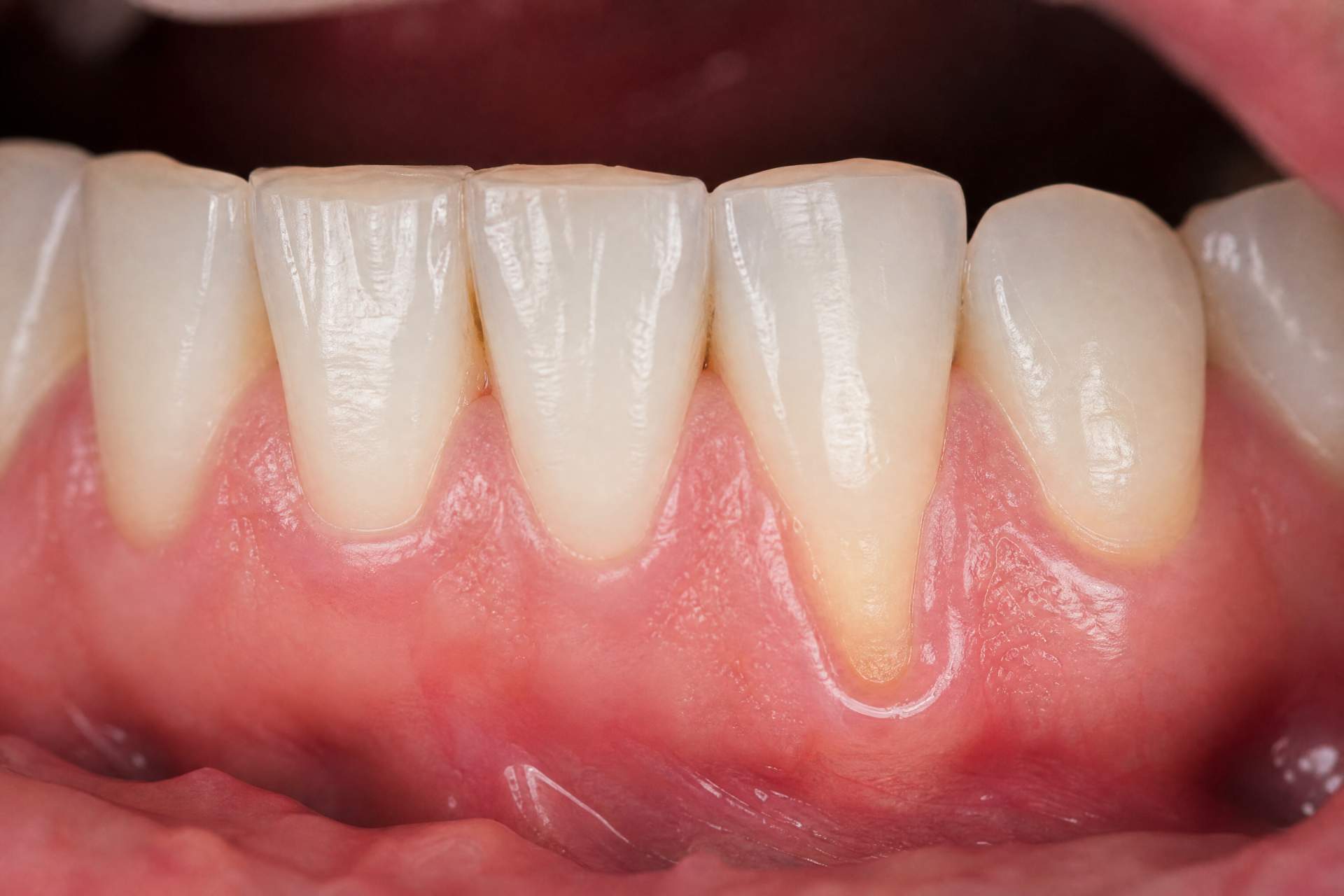
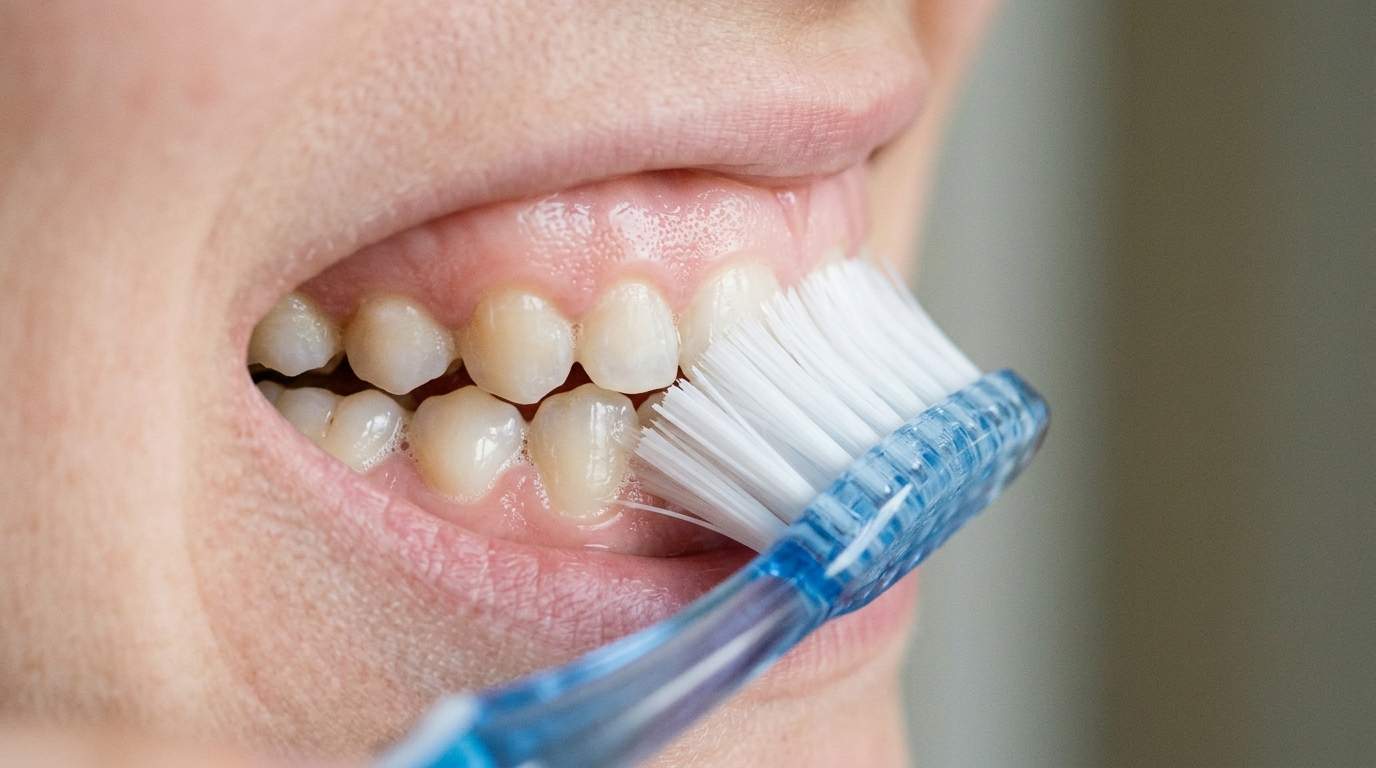
- Gentle and Thorough Oral Hygiene: Continue brushing twice daily with a fluoride toothpaste, focusing on gentle technique to protect gums. Floss daily to remove interdental food particles and plaque.
- Embrace the Tongue Scraper: Make this a non-negotiable part of your morning routine. A stainless steel or copper scraper is highly effective in removing the bacterial film from your tongue.
- Hydration is Key: Drink plenty of water throughout the day to support saliva production and flush out bacteria.
- Mindful Mouthwash Use: Opt for alcohol-free mouthwashes. Better yet, consider using a warm salt-water rinse or specific antimicrobial rinses under dental guidance, especially if dry mouth is an issue.
- Dietary Awareness: Reduce intake of refined sugars and processed foods that feed harmful oral bacteria. Incorporate probiotic-rich foods to support both oral and gut health.
- Regular Dental Check-ups: Professional cleanings remove stubborn plaque and tartar, and your dentist can identify and address underlying oral issues like gum disease (gingivitis or periodontitis) which are significant contributors to bad breath.
Persistent bad breath is more than just an inconvenience; it's a message from your body. By acknowledging its complexities and adopting a holistic, evidence-based approach, you can move beyond mere masking and achieve genuine, lasting freshness, boosting your confidence and overall well-being. Don't hesitate to consult with your dentist or a healthcare professional if the problem persists, as it may indicate an underlying condition requiring specific attention. You deserve to face each day with fresh breath and confidence.