You wake up, reach for your phone, and that familiar, unpleasant furry taste hits you. Another morning, another battle with breath that feels less than fresh, even before your first coffee. It’s a common, often isolating experience that many of us face in silence, wondering why, despite our best efforts, that stale, fuzzy feeling in the mouth persists. For some, this self-consciousness about breath can impact daily interactions, leading to a constant search for temporary fixes. You've tried every bad breath remedy, yet the constant worry about how your breath smells impacts your confidence, and you're tired of just masking the problem.
E.g. :Beyond the Toothbrush: The Hidden Physiology of Why Your Morning Breath Keeps Coming Back
- 1、The Science Behind "Dragon Breath": Why Nighttime is a Breeding Ground
- 2、Beyond the Bristles: The Limitations of Brushing and Flossing
- 3、The Unsung Hero: Your Tongue's Pivotal Role in Oral Freshness
- 4、A Holistic Approach: Cultivating a Healthy Oral Ecosystem
- 5、Reclaiming Confidence: The Path to Lasting Freshness
- 6、FAQs
The Lingering Question: Are You Treating the Cause or Just the Symptom?
You brush and floss religiously, sometimes even multiple times a day, yet does this routine truly tackle the root cause of persistent bad breath, or are you merely engaging in a cycle of temporary relief? It’s a question that often goes unasked, overshadowed by the immediate desire for a minty-fresh sensation. What if the very mouthwash you use for fresh breath, while offering a fleeting sense of cleanliness, might be contributing to the problem in the long run by disturbing your mouth's delicate balance? For many, the secret to naturally eliminating bad breath lies not just in their established oral hygiene routine, but in an often overlooked part of their mouth, a silent contributor that holds the key to lasting freshness.
The Science Behind "Dragon Breath": Why Nighttime is a Breeding Ground
The morning breath phenomenon, medically known as halitosis, is a fascinating interplay of biology and environment within your oral cavity. It’s not just a figment of your imagination; it’s a real, tangible outcome of microbial activity that thrives under specific conditions. Understanding these conditions is the first step towards truly addressing the issue.
The Role of Anaerobic Bacteria
During the night, your mouth becomes a prime environment for certain bacteria. Specifically, anaerobic bacteria – those that thrive in oxygen-deprived conditions – multiply rapidly. These microorganisms feast on food particles, dead cells, and mucus in your mouth, particularly on the tongue and between teeth. As they break down these substances, they release volatile sulfur compounds (VSCs), such as hydrogen sulfide and methyl mercaptan, which are the primary culprits behind that characteristic, unpleasant "rotten egg" smell. Research published in journals like the Journal of Dental Research consistently points to VSCs as the main chemical compounds responsible for bad breath, indicating that managing these bacteria is paramount.
Reduced Saliva Flow: Nature's Defense Depleted
One of the most critical factors contributing to morning breath is the significant reduction in saliva production while you sleep. Saliva is your mouth's natural cleansing agent, a vital component of your oral hygiene habits. It helps wash away food debris, neutralize acids, and contains antimicrobial properties that suppress bacterial growth. When saliva flow decreases during sleep, the mouth becomes drier, creating an ideal, stagnant environment where anaerobic bacteria can flourish unchecked and VSCs accumulate. This natural bodily process, while essential for rest, inadvertently creates the perfect storm for bad breath.
Beyond the Bristles: The Limitations of Brushing and Flossing
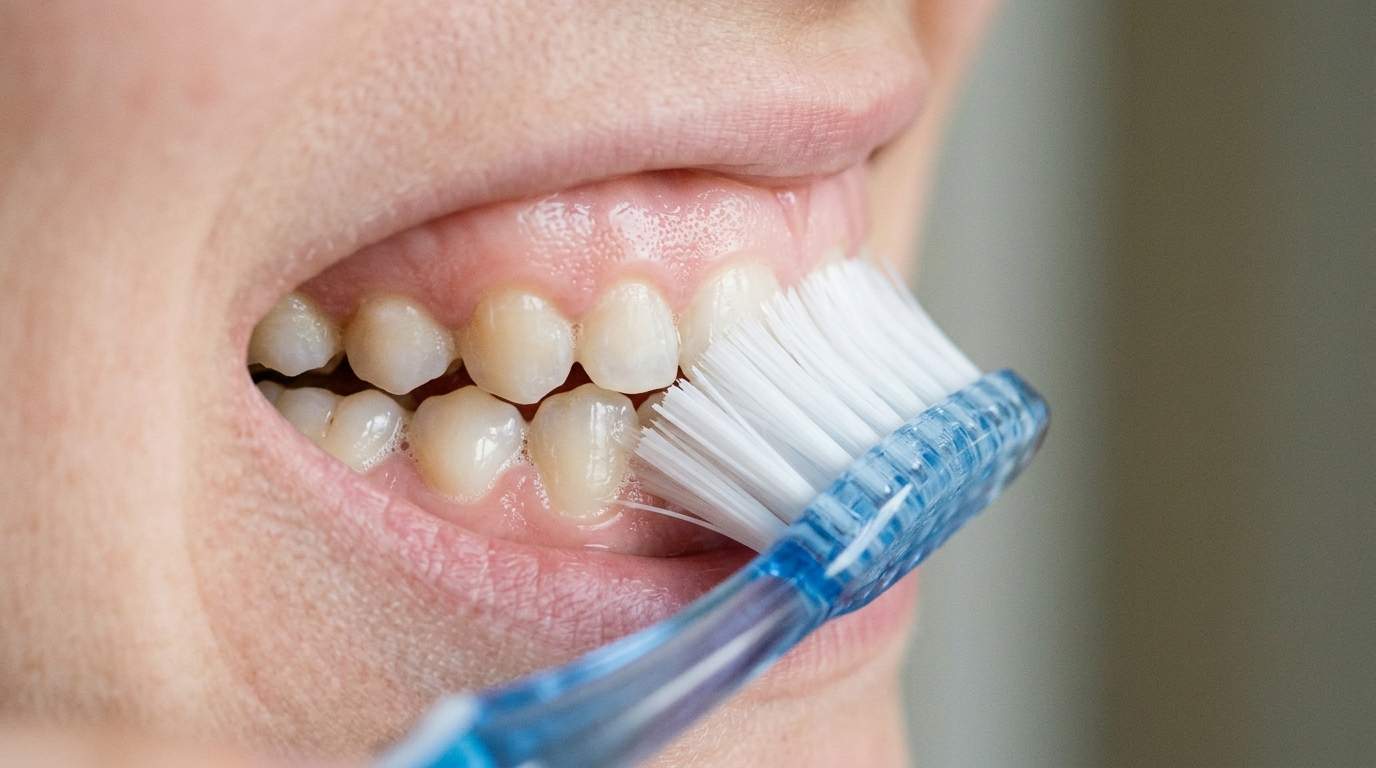
While brushing your teeth and using dental floss are cornerstone oral hygiene habits for removing plaque and food particles, they often fall short in addressing all sources of bad breath. A standard toothbrush, designed primarily for tooth surfaces, has limited efficacy in cleaning other parts of your mouth where odor-causing bacteria reside.
Consider the common scenario of someone diligently brushing for two minutes, twice a day, and flossing. Yet, their breath still feels compromised. This isn't a failure of effort; it's often a limitation of tools and technique. Many mouthwashes, while offering a temporary minty blast, can contain alcohol that dries out the mouth, paradoxically worsening breath in the long run by reducing saliva. Others may only mask odors without targeting the bacterial source, leaving you in a cycle of seeking temporary relief rather than lasting natural breath freshener solutions.
The Unsung Hero: Your Tongue's Pivotal Role in Oral Freshness
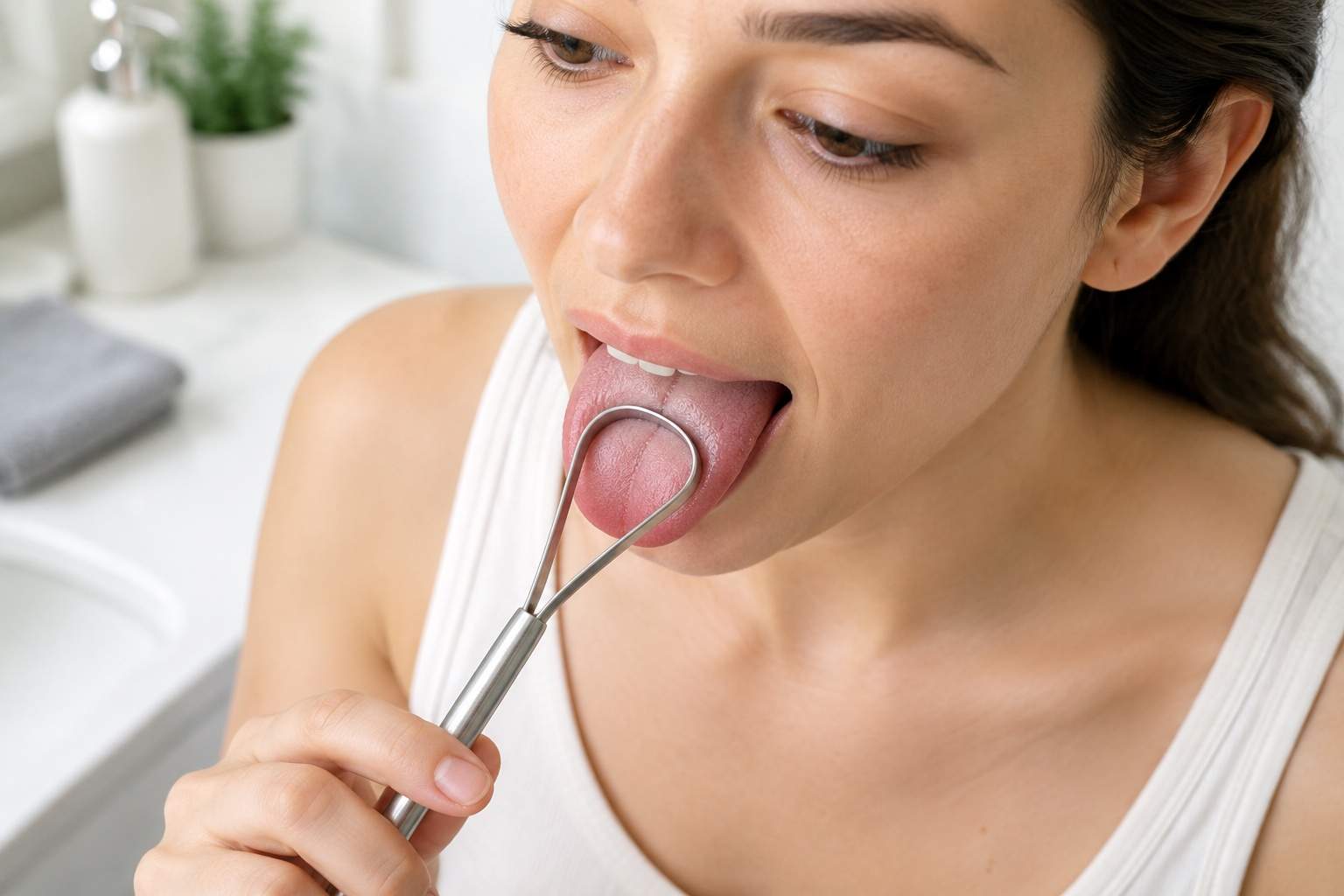
Here lies the surprising key, the often-overlooked secret to lasting oral freshness: your tongue. While your toothbrush cleans your teeth, it largely bypasses the rough, uneven surface of your tongue, which acts as a veritable carpet for bacteria and debris.
The Biofilm Battleground
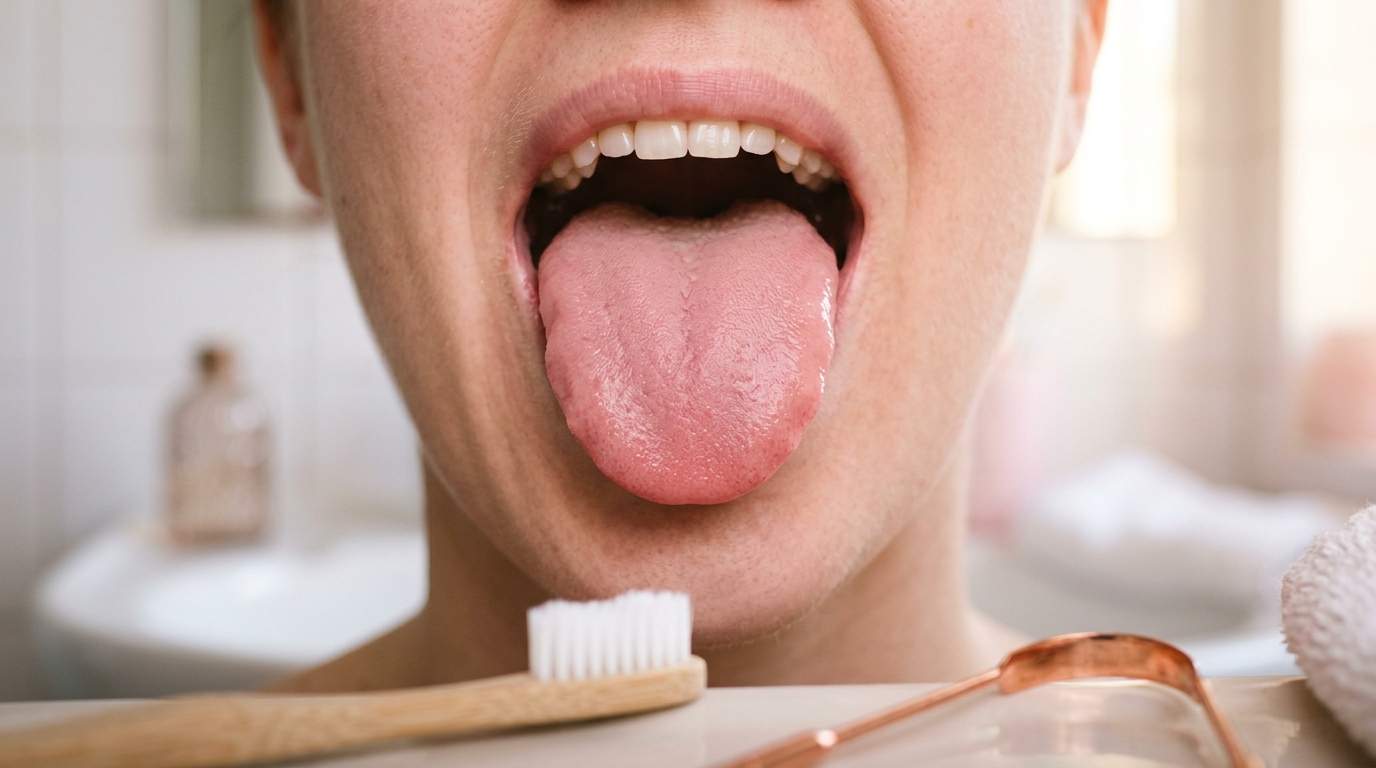
The tongue's surface is covered in tiny papillae, creating numerous crevices and folds. This intricate topography provides an ideal sanctuary for bacteria, dead cells, and food particles to accumulate, forming a thick, whitish or yellowish coating known as biofilm. This biofilm is a primary reservoir for the anaerobic bacteria responsible for producing VSCs. Studies indicate that up to 90% of bad breath originates from the tongue. If you've been battling persistent bad breath without focusing on your tongue, you've been fighting an uphill battle with one hand tied behind your back. Incorporating a tongue scraper into your routine can be a game-changer, mechanically removing this bacterial layer and significantly reducing the source of odor.
A Holistic Approach: Cultivating a Healthy Oral Ecosystem
Achieving truly lasting fresh breath goes beyond any single tool or habit; it involves nurturing a balanced oral ecosystem. This requires a multi-faceted approach, emphasizing prevention and natural processes.
Hydration is fundamental. Drinking plenty of water throughout the day stimulates saliva production, helping to continuously rinse away bacteria and food debris. Your diet also plays a crucial role; reducing sugary and highly processed foods starves odor-causing bacteria, while incorporating crunchy fruits and vegetables can act as natural tooth and tongue cleaners. Furthermore, regular dental check-ups are essential. A professional cleaning can remove stubborn plaque and tartar, and your dentist can identify underlying issues like gum disease or dental caries that contribute to bad breath. Addressing these systemic issues is key to sustained breath freshness.
Reclaiming Confidence: The Path to Lasting Freshness
The journey to lasting fresh breath is not about temporary fixes or covering up symptoms. It's about understanding the underlying biology and adopting comprehensive oral hygiene habits that address the root causes, especially focusing on tongue health. By integrating thorough tongue cleaning with your brushing and flossing routine, maintaining good hydration, and being mindful of your diet, you can significantly reduce the bacterial load that causes persistent bad breath.
This shift from simply managing to truly understanding and preventing can be incredibly empowering. Imagine waking up with a clean-feeling mouth, no longer plagued by self-consciousness, and facing your day with renewed confidence. It's a small change in habit that can yield profound improvements in your quality of life, offering a genuine, lasting natural breath freshener that originates from within.