The sun rises, another day begins, and you embark on your ritual: the familiar whir of the electric toothbrush, the invigorating tingle of minty paste, the swish and spit of mouthwash. You emerge feeling clean, prepared, and, crucially, fresh-breathed. Yet, as the morning progresses, a subtle, unwelcome feeling often creeps in – that nagging doubt, a faint metallic taste, or the outright certainty that your breath isn't as fresh as it should be. The frustration mounts, a quiet self-consciousness settling in, leaving you to wonder: Am I doing something wrong? Is my dedicated oral hygiene routine, which feels so diligent, actually failing me?
E.g. :Why Your Morning Breath Lingers: Unmasking the Surprising Key to Lasting Freshness
- 1、The Persistent Puzzle of Post-Brushing Bad Breath: Decoding Halitosis
- 2、Beyond the Tooth Surface: Where Your Standard Brushing Misses the Mark on Fresh Breath Tips
- 3、The Mouthwash Trap: Why Chemical Rinses Aren't a Sustainable Bad Breath Cure
- 4、Unlocking Your Toothbrush's Full Potential: Mastering Effective Brushing Techniques
- 5、The Tongue: Your Overlooked Ally in How to Get Rid of Bad Breath
- 6、Reimagining Your Oral Ritual: A Holistic Approach to Lasting Freshness
- 7、FAQs
This isn't an uncommon predicament. Many individuals meticulously follow brushing guidelines, even going beyond, only to find themselves grappling with persistent halitosis, or chronic bad breath. It's a deeply personal and often embarrassing issue, leading many to double down on their current habits, sometimes exacerbating the very problem they're trying to solve. Let's peel back the layers of this paradox and uncover the surprising ways your toothbrush, an essential tool, might be an unwitting accomplice in your breath woes.
The Persistent Puzzle of Post-Brushing Bad Breath: Decoding Halitosis
Halitosis isn't just a fleeting unpleasantness; for many, it's a chronic concern that impacts social interactions and self-esteem. While underlying medical conditions can contribute, dental science consistently points to the oral cavity itself as the source for approximately 85-90% of all bad breath cases. The primary culprits are specific types of bacteria residing in your mouth. These microorganisms feast on food particles, dead cells, and protein, especially in oxygen-deprived environments. As they break down these substances, they release foul-smelling gases, predominantly Volatile Sulfur Compounds (VSCs) like hydrogen sulfide and methyl mercaptan – the same compounds found in rotten eggs and decaying cabbage.
The paradox often begins when we misinterpret the 'clean' feeling. The immediate freshness from toothpaste and mouthwash can create a temporary sensory illusion, masking the deeper, bacterial reservoirs that your standard brushing routine simply isn't addressing. This leads to a cycle of temporary relief followed by recurrence, making effective brushing techniques and a comprehensive approach crucial for a genuine bad breath cure.
Beyond the Minty Mask: Understanding VSCs
VSCs are the true architects of bad breath. These potent gases don't just disappear with a quick brush. They cling to oral tissues, particularly the rough surface of the tongue, deep within gum pockets, and between teeth where food debris can accumulate. For a lasting solution on how to get rid of bad breath, our strategy must move beyond merely masking odors and focus on disrupting the bacterial communities that produce these compounds. This requires a targeted approach that understands where these bacteria thrive, a place your toothbrush might be overlooking.
Beyond the Tooth Surface: Where Your Standard Brushing Misses the Mark on Fresh Breath Tips
Your toothbrush is an excellent tool for cleaning the smooth surfaces of your teeth and along the gumline – and that's precisely its primary design. However, the oral landscape is far more complex than just enamel. Consider the microscopic nooks and crannies between your teeth, the uneven surface of your tongue, and the often-overlooked inner surfaces of your cheeks and roof of your mouth. These are prime breeding grounds for the anaerobic bacteria responsible for VSCs.
Many people focus solely on brushing their teeth, neglecting other critical areas. While vigorous brushing might give the sensation of cleanliness, if you're not systematically clearing bacteria from all significant oral surfaces, you're leaving behind active 'odor factories.' This incomplete cleaning can contribute significantly to persistent bad breath, making your diligent efforts less effective than you hope. For truly fresh breath tips, the scope of your cleaning needs to expand beyond just your pearly whites.
The Interdental Neglect: A Breeding Ground for Odor
Research shows that interdental cleaning (flossing or using interdental brushes) can remove significantly more plaque and food debris from between teeth compared to brushing alone. If these areas are left undisturbed, decaying food particles and trapped bacteria become a powerful source of VSCs, directly impacting your efforts on how to get rid of bad breath. A toothbrush simply cannot reach these tight spaces effectively.
The Mouthwash Trap: Why Chemical Rinses Aren't a Sustainable Bad Breath Cure
In the quest for fresh breath, mouthwash often feels like a powerful ally. Its immediate refreshing sensation and germ-killing claims are alluring. However, while some therapeutic mouthwashes can offer temporary relief by reducing bacterial load, many over-the-counter options, especially those high in alcohol, can paradoxically worsen bad breath in the long run.
Alcohol is a dehydrating agent. A dry mouth (xerostomia) is a significant contributor to bad breath because saliva acts as a natural cleanser, washing away food particles and neutralizing acids. When your mouth is dry, bacteria can proliferate more easily, and VSCs become more concentrated. Therefore, while a blast of alcohol-based mouthwash might kill some bacteria initially, it creates an environment conducive to even more bacterial growth later, undermining your efforts for a sustainable bad breath cure. This isn't to say all mouthwashes are bad, but understanding their limitations and potential downsides is crucial.
Unlocking Your Toothbrush's Full Potential: Mastering Effective Brushing Techniques
Your toothbrush, when wielded correctly and comprehensively, is an incredibly powerful tool. It's not just about brushing harder or longer, but about brushing smarter. Effective brushing techniques involve a systematic approach that addresses all accessible tooth surfaces and the gumline without causing harm.
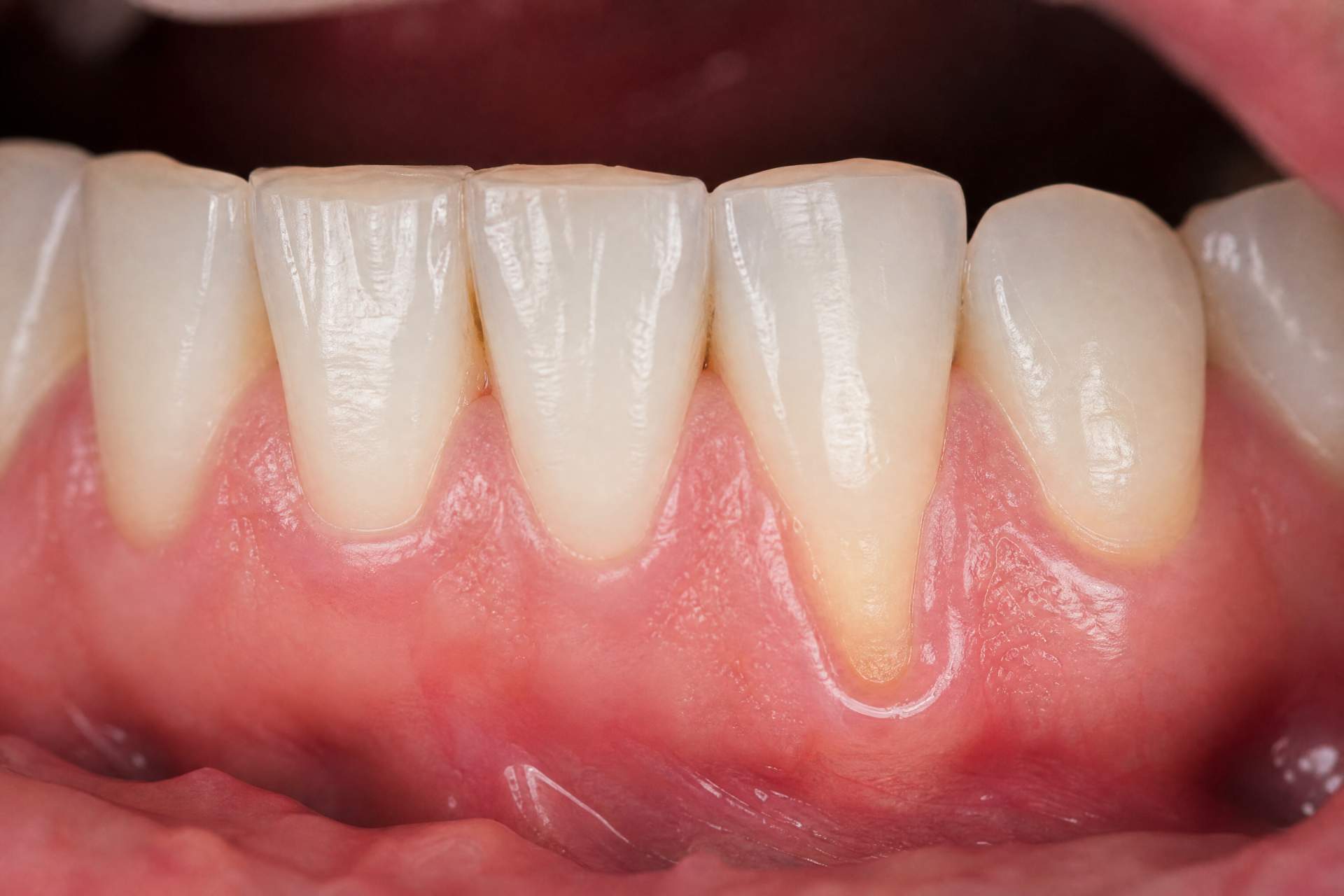
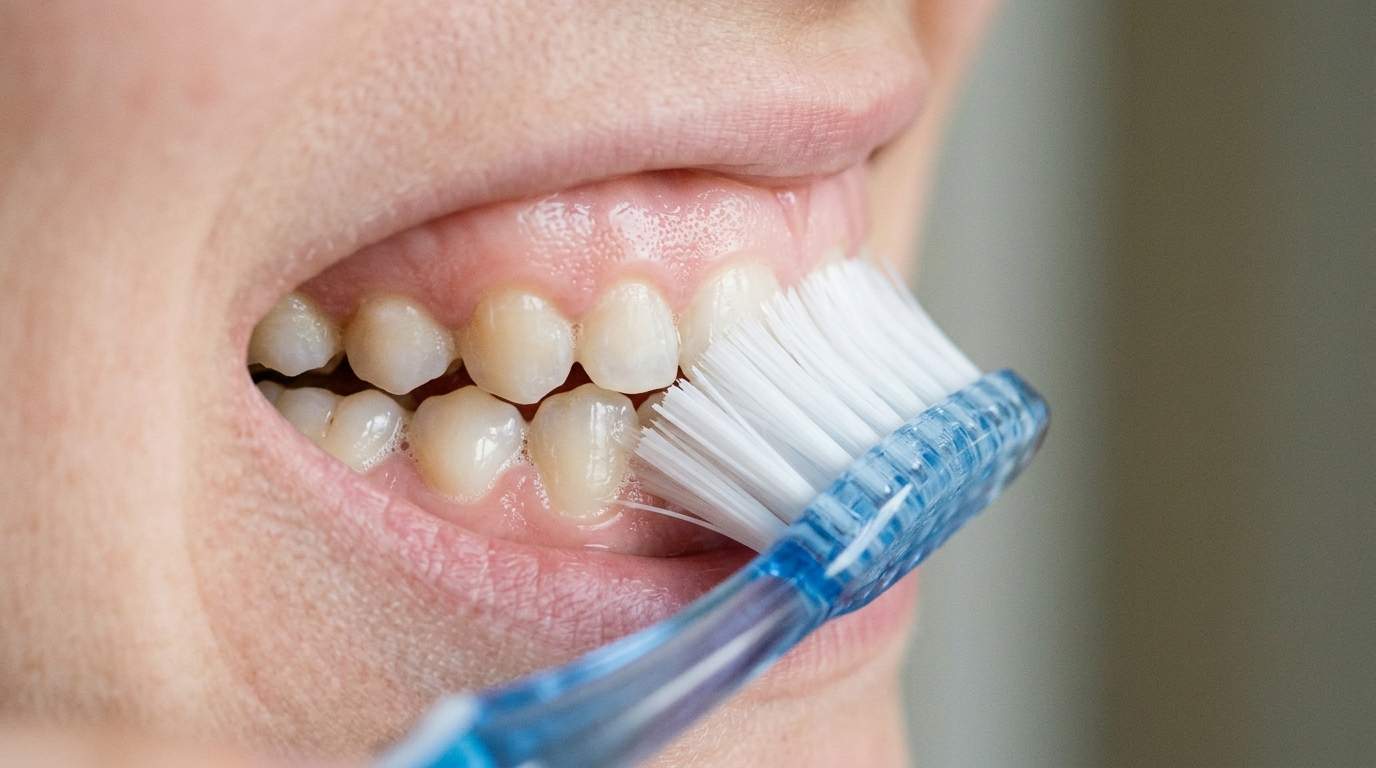
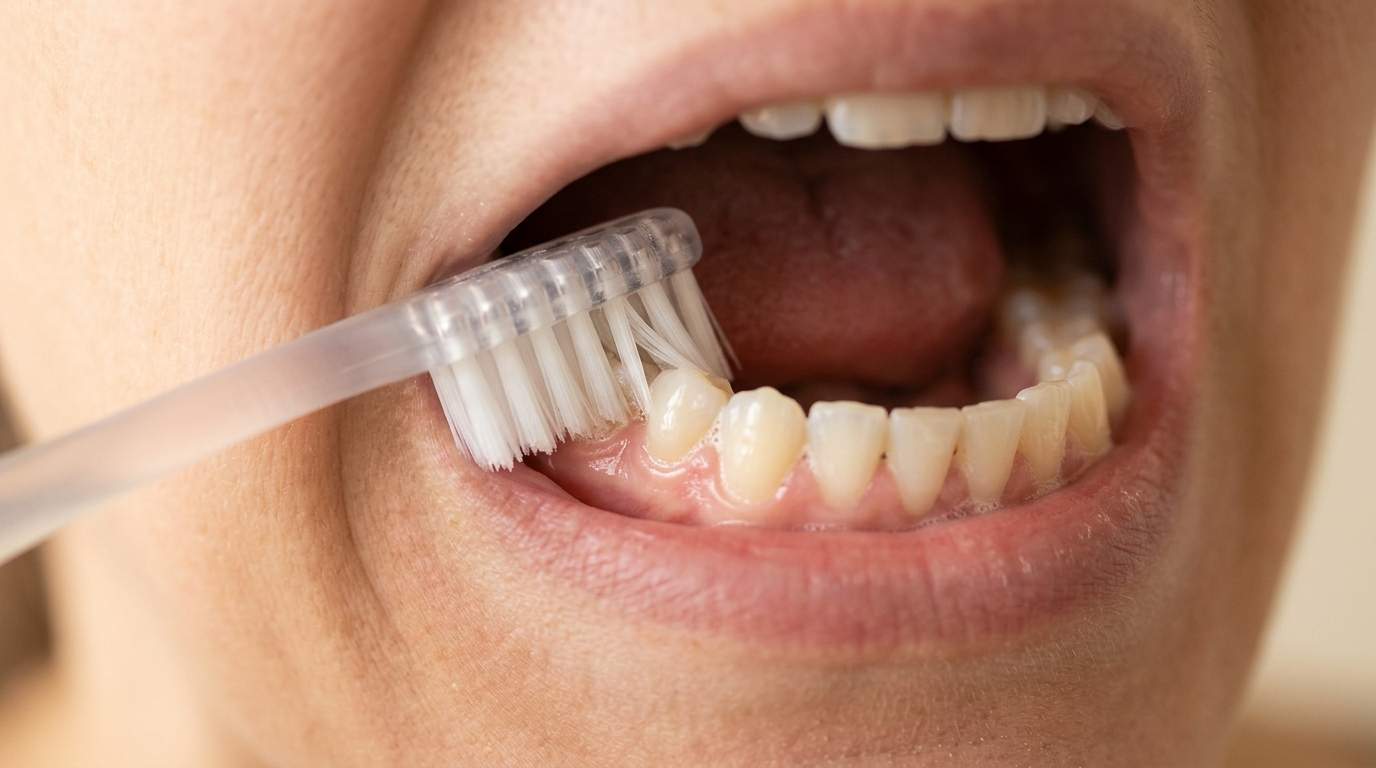
Firstly, consider your technique. The "Modified Bass Technique," widely recommended by dental professionals, involves holding your brush at a 45-degree angle to the gumline, using gentle, short strokes to dislodge plaque and bacteria. This angle allows bristles to gently clean under the gumline, a critical area where plaque accumulation can lead to gingivitis and subsequent bad breath. Secondly, ensure you're using a soft-bristled brush. Hard bristles can abrade enamel and irritate gums, potentially creating more areas for bacteria to colonize or leading to gum recession, further complicating your efforts in brushing teeth effectively.
The Right Tool for the Job: Beyond the Bristles
While your toothbrush is central, recognize its limitations. For the hard-to-reach areas between teeth, interdental brushes or traditional dental floss are indispensable. Incorporating these into your daily routine is not an optional extra; it's a fundamental component of effective oral hygiene. Aim to floss or use interdental brushes once daily to remove trapped food and plaque, significantly reducing the bacterial load that contributes to bad breath. This comprehensive approach is key to truly mastering how to get rid of bad breath.
The Tongue: Your Overlooked Ally in How to Get Rid of Bad Breath
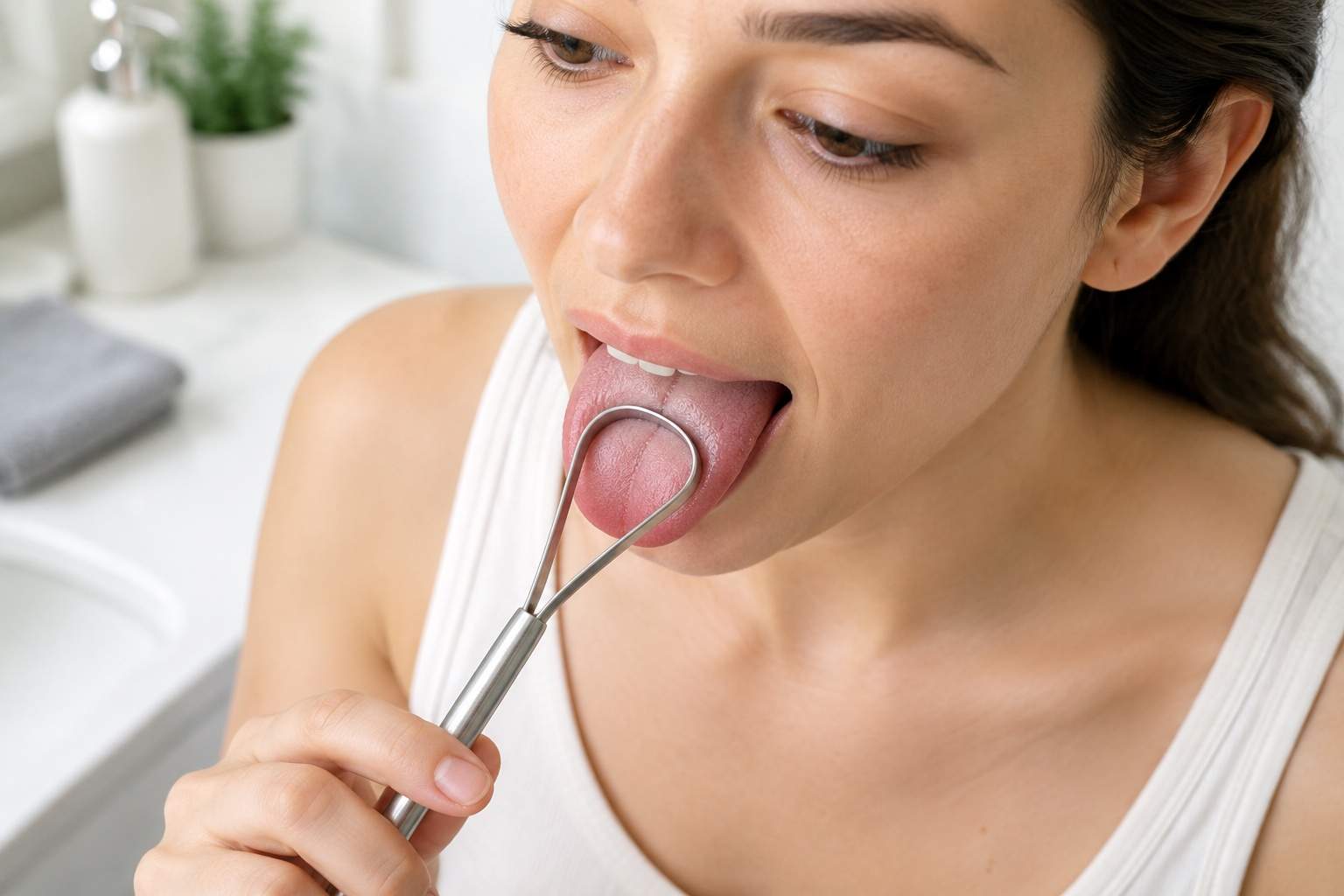
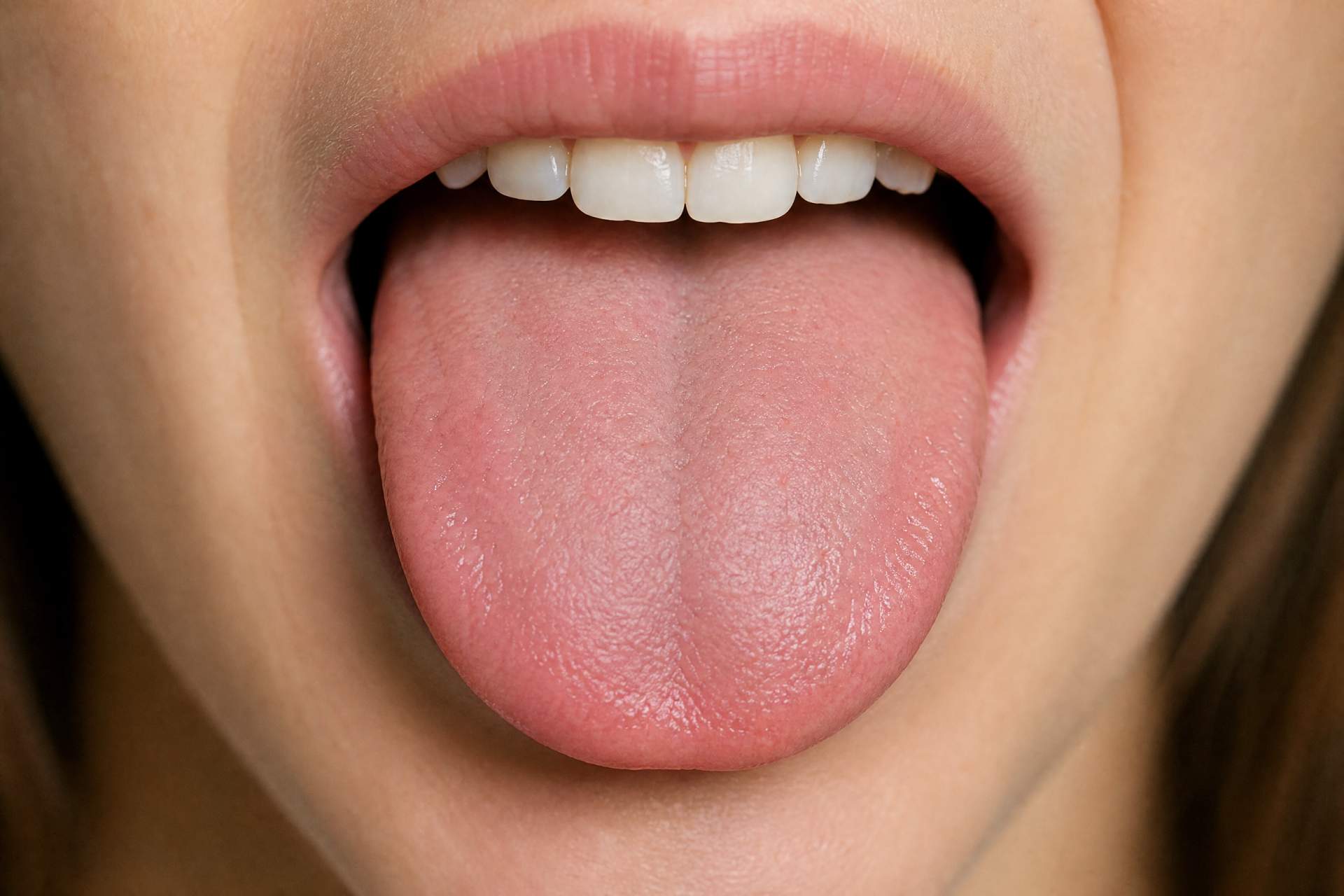
If there's one area most commonly neglected, it's the tongue. The dorsal (top) surface of the tongue, with its numerous papillae, is a rough, porous landscape that acts like a shaggy carpet, perfectly trapping bacteria, dead cells, and food debris. Research consistently shows that the tongue is a major reservoir for the anaerobic bacteria responsible for producing VSCs.
While some toothbrushes have a textured back for tongue cleaning, a dedicated tongue cleaner or scraper is often more effective. Gently scraping your tongue from back to front, multiple times, can remove a surprising amount of white or yellowish film, dramatically reducing the bacterial load. This simple, often-overlooked step is one of the most impactful additions you can make to your daily routine for fresh breath tips. It directly removes the source of odor, rather than just masking it.
Reimagining Your Oral Ritual: A Holistic Approach to Lasting Freshness
Achieving genuinely fresh breath is about more than just a quick brush; it's about understanding the underlying mechanisms of oral health and adopting a comprehensive, systematic approach. It's about empowering yourself with knowledge, moving beyond conventional wisdom that may be letting you down.
Embrace a multi-pronged strategy: meticulous, gentle, and systematic brushing (for at least two minutes, twice a day) targeting all tooth surfaces and the gumline; daily interdental cleaning to reach where bristles cannot; and regular, gentle tongue cleaning. Choose alcohol-free mouthwashes if you feel the need for an extra rinse, or better yet, consult with your dental professional about therapeutic options. Hydration is also key; drinking plenty of water helps maintain saliva flow. Regular dental check-ups are also non-negotiable, as a dentist can identify and treat underlying issues like gum disease or cavities that contribute significantly to bad breath.
By understanding the 'why' behind bad breath and adapting your oral hygiene routine to tackle these root causes, you can transform your daily ritual from a frustrating mystery into a powerful regimen for lasting oral health and true freshness.