The mirror reflects a sparkling smile, the scent of mint toothpaste still fresh in the air. You’ve dutifully brushed, flossed, and perhaps even rinsed, confident that you’ve conquered the day’s oral challenges. Yet, an hour later, that familiar, unwelcome sensation creeps back – a subtle, perhaps not-so-subtle, hint that your breath isn’t quite as fresh as you’d hoped. It’s a disheartening loop, isn't it? This persistent olfactory concern, often dubbed halitosis, can cast a shadow over social interactions, leaving you self-conscious and questioning your diligent efforts. It's a common dilemma, and one that often goes beyond the simple act of brushing.
E.g. :Beyond the Jolt: Unmasking the True Causes of Your Sensitive Teeth
- 1、Beyond the Surface: Understanding Persistent Bad Breath
- 2、The Overlooked Battlefield: Your Tongue and Its Unique Terrain
- 3、Hidden Havens: Beyond Brushing's Reach
- 4、When Your Routine Works Against You: Unexpected Halitosis Causes
- 5、Beyond the Mouth: Systemic Links to Persistent Odor
- 6、Reclaiming Your Confidence: A Holistic Approach to Fresh Breath
- 7、FAQs
Many of us are taught from a young age that good oral hygiene is the cornerstone of fresh breath. Brush twice a day, floss, maybe use a mouthwash – these are the pillars of dental health. But what if your persistent bad breath, that nagging worry that makes you instinctively cover your mouth, isn't due to a lack of effort, but rather a misunderstanding of its deeper origins? What if the very tools and techniques you rely on are missing the true culprits, or in some cases, even contributing to the problem? Let’s delve into the fascinating, and sometimes surprising, world of breath science to uncover why your best efforts might not be enough.
Beyond the Surface: Understanding Persistent Bad Breath
When we talk about bad breath, scientifically known as halitosis, we're primarily referring to the presence of volatile sulfur compounds (VSCs). These malodorous gases, such as hydrogen sulfide and methyl mercaptan, are byproducts of anaerobic bacteria breaking down proteins in your mouth. While many assume these bacteria reside predominantly on teeth and gums, the truth is more nuanced. Scientific studies, including research published in journals like the Journal of Clinical Periodontology, consistently indicate that the vast majority of halitosis cases (around 85-90%) originate within the oral cavity.
The Microbial Culprits: Volatile Sulfur Compounds
These tiny, oxygen-averse bacteria thrive in environments where they can feast on protein particles – food debris, dead cells, and even blood from bleeding gums. As they metabolize these proteins, they release the VSCs that give breath its characteristic unpleasant smell. It's a biological process, a microbial ecosystem at work, and understanding where these bacteria flourish is key to tackling the problem.

Where Bacteria Hide: Not Just Your Teeth
While dental plaque on teeth and around the gumline is a known breeding ground for bacteria, it's often not the primary source of persistent bad breath. Think about it: if it were just plaque, diligent brushing and flossing would largely resolve the issue. The real challenge lies in areas less accessible or often overlooked during a standard oral hygiene routine.
The Overlooked Battlefield: Your Tongue and Its Unique Terrain
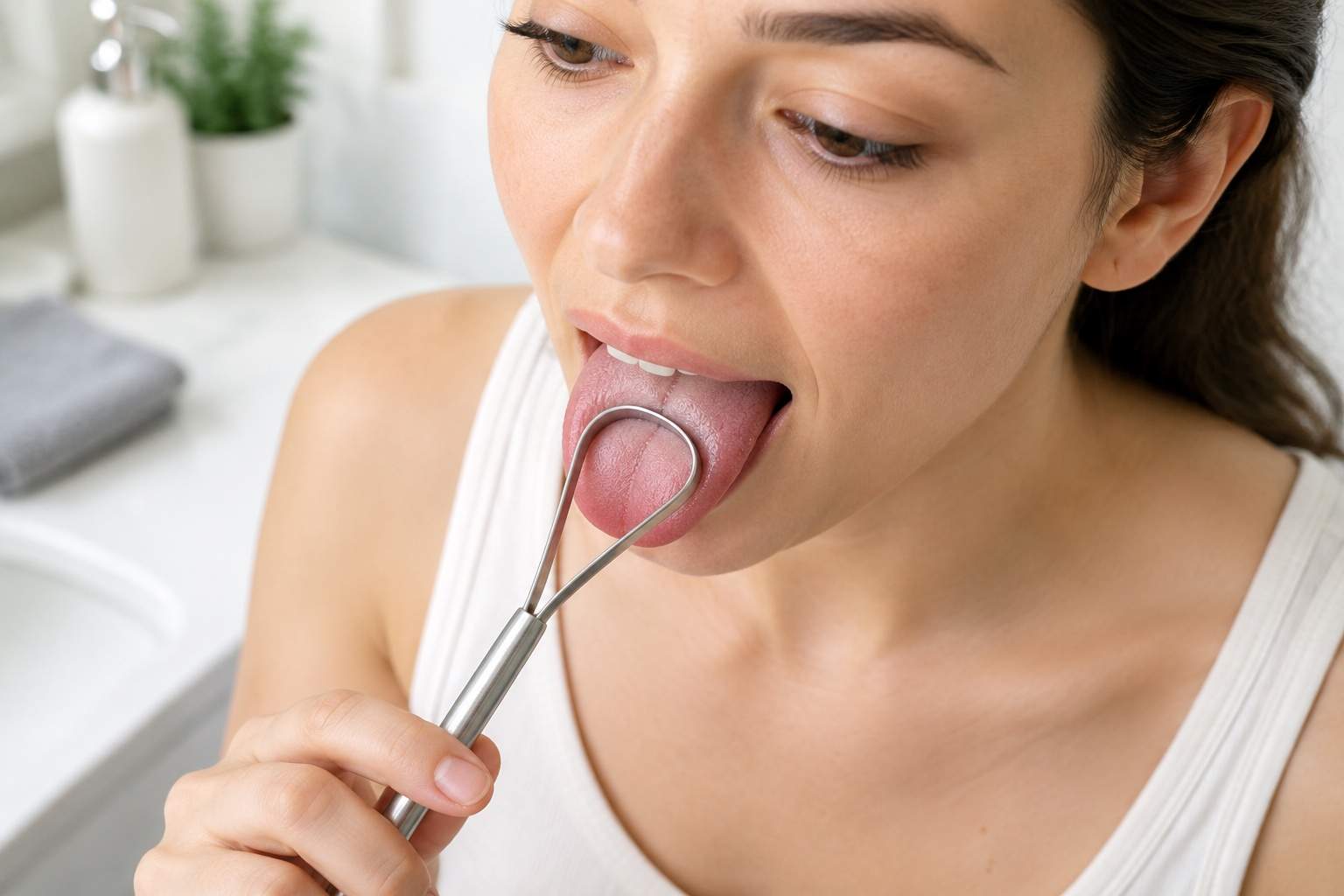
Here's where many people miss a critical piece of the puzzle. The tongue, with its unique anatomy, is a major reservoir for halitosis-causing bacteria. Its dorsal surface (the top part) is covered in papillae – tiny, hair-like projections that can trap food debris, dead cells, and a thick biofilm of bacteria, especially towards the back. This deep, fissured landscape provides an ideal, oxygen-poor environment for VSC-producing bacteria to thrive and multiply.
The Dorsal Surface: A Bacterial Haven
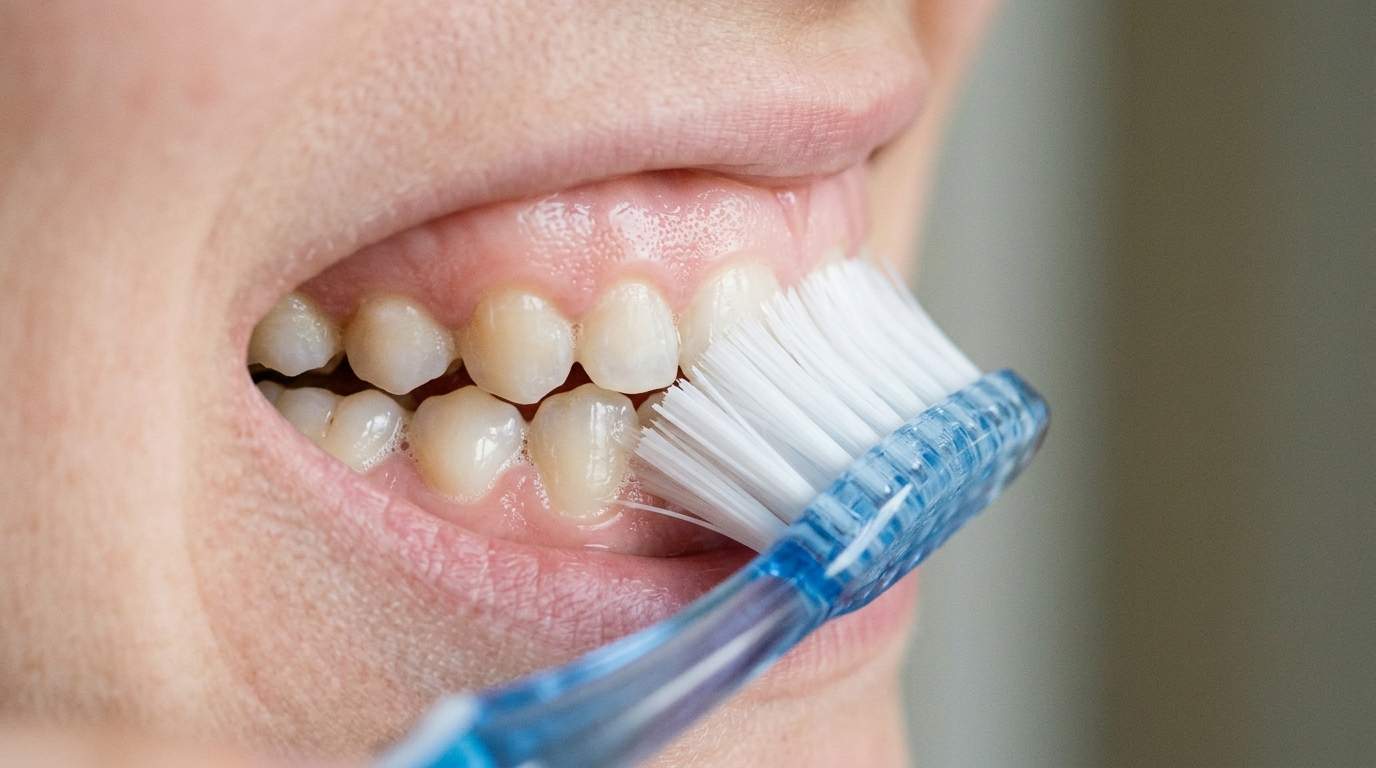
Consider Sarah, a high-achieving marketing executive, who meticulously brushed and flossed but still felt self-conscious about her breath during client meetings. She diligently brushed her tongue with her toothbrush, yet the problem persisted. What she didn't realize was that a toothbrush, while effective for teeth, often pushes bacteria and debris deeper into the tongue's papillae rather than removing them efficiently. Moreover, reaching the very back of the tongue, where most of these odor-producing bacteria congregate, can be difficult and often triggers a gag reflex with a toothbrush.
The Case for the Tongue Scraper: A Superior Approach
This is where a simple, often underestimated tool comes into play: the tongue scraper. Unlike a toothbrush, a tongue scraper is designed to gently and effectively lift and remove the bacterial film and debris from the tongue's surface. Studies have shown that tongue scraping can significantly reduce VSCs and bacteria on the tongue, offering a more effective solution than toothbrushing for tongue cleaning. Incorporating this simple step into your routine can make a dramatic difference, particularly focusing on reaching the very back of the tongue.
Hidden Havens: Beyond Brushing's Reach
Even beyond the tongue, there are other oral nooks and crannies where odor-producing bacteria can establish persistent colonies, often untouched by conventional brushing and flossing.
The Silent Stones: Tonsilloliths
Deep in the crevices of your tonsils, sometimes unseen, can reside small, calcified formations called tonsil stones or tonsilloliths. These small, often yellowish, formations are essentially calcified collections of bacteria, food debris, and mucus. They provide a perfect anaerobic environment for VSC-producing bacteria and can emit a truly foul odor. While not always visible, their presence can be a significant contributor to persistent bad breath, even after the most thorough oral hygiene.
Gum Pockets and Periodontal Disease
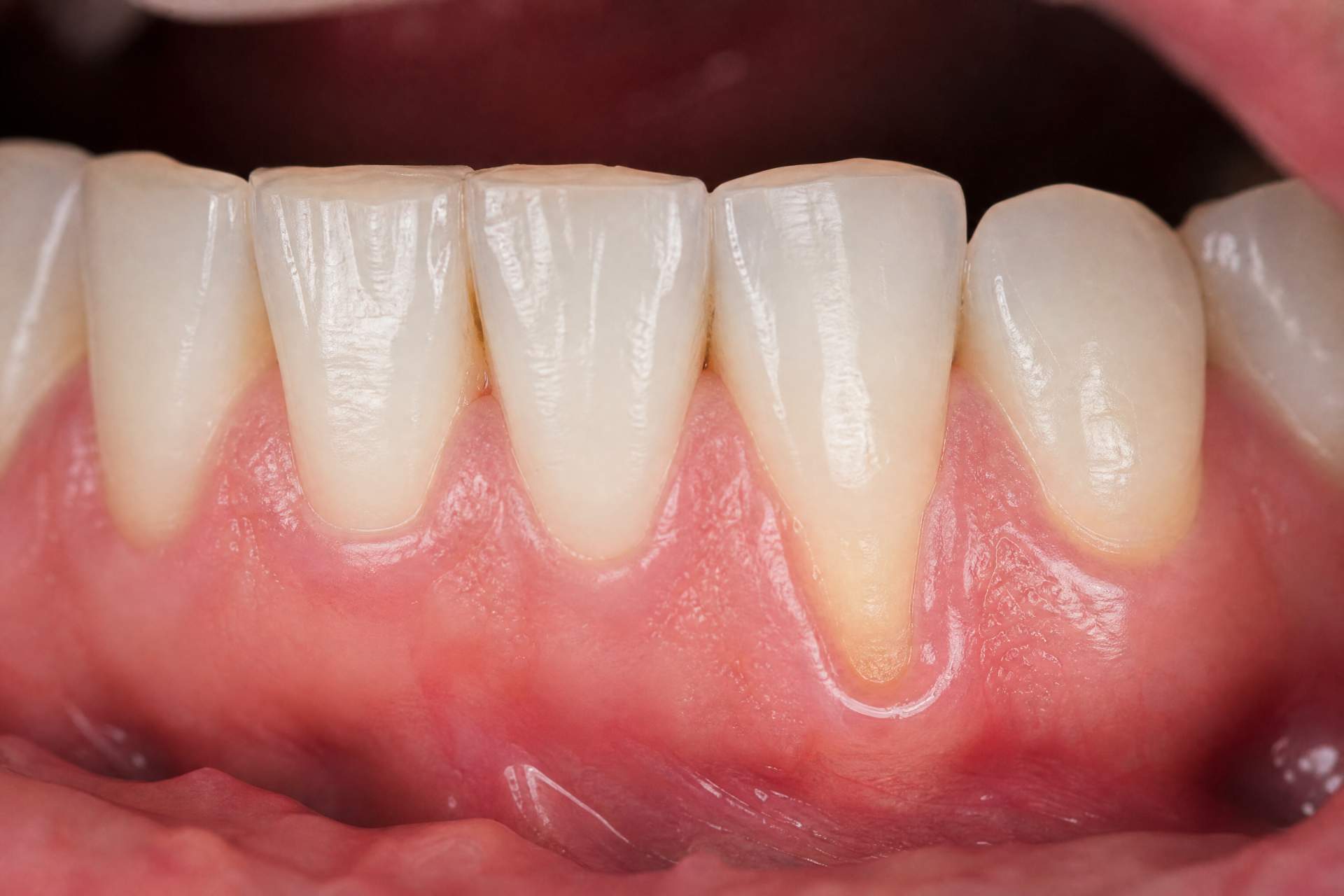
If you have gum disease (gingivitis or periodontitis), the inflammation and recession of your gums can create deep pockets around your teeth. These pockets are prime locations for anaerobic bacteria to multiply, sheltered from your toothbrush and even floss. Bleeding gums, a common symptom of gum disease, also provide a protein source (blood) for these bacteria, exacerbating the VSC production. Addressing gum health through professional dental cleanings and diligent at-home care is crucial.
When Your Routine Works Against You: Unexpected Halitosis Causes
Sometimes, our attempts to achieve fresh breath can inadvertently make the problem worse, or we overlook factors that undermine our best efforts.
The Double-Edged Sword of Mouthwash
Many commercial mouthwashes promise fresh breath, but some can be counterproductive. Alcohol-based mouthwashes, while providing temporary freshness, can significantly dry out your mouth. Saliva is your mouth's natural cleansing agent, continuously washing away food debris and neutralizing acids. A dry mouth, or xerostomia, reduces this natural defense, allowing bacteria to flourish and VSCs to accumulate. Opt for alcohol-free, antibacterial mouthwashes if you choose to use one.
Diet and Dehydration: The Unseen Contributors
What you eat and how much you drink have a profound impact on your breath. Foods like garlic and onions contain sulfur compounds that can enter your bloodstream after digestion and be exhaled through your lungs. While this is temporary, a diet high in processed sugars can fuel oral bacteria. Crucially, chronic dehydration is a significant, yet often overlooked, cause of bad breath. When you don't drink enough water, saliva production decreases, creating an ideal environment for bacteria. Ensuring adequate water intake throughout the day is a simple yet powerful fresh breath tip.
Beyond the Mouth: Systemic Links to Persistent Odor
While most cases of persistent bad breath originate in the mouth, it’s vital to acknowledge that sometimes, the source lies deeper within the body. The mouth can be a window to overall health.
Unmasking Underlying Health Conditions
Certain systemic conditions can manifest as distinct breath odors. For instance, uncontrolled diabetes can lead to a fruity or acetone-like smell (ketoacidosis), kidney failure can result in a fishy or ammonia-like odor, and liver disease might present a sweet, musty smell (fetor hepaticus). Respiratory tract infections, sinus issues, and gastrointestinal problems (like GERD) can also contribute. If you've addressed all oral causes and your bad breath persists, a visit to your general practitioner is essential to rule out these underlying health issues.
Reclaiming Your Confidence: A Holistic Approach to Fresh Breath
The journey to consistently fresh breath is often more complex than a quick brush and rinse. It requires a holistic understanding of the problem and a willingness to look beyond the obvious. It's about moving from a mechanical routine to an informed strategy. Start by integrating a tongue scraper into your daily regimen, focusing on the posterior dorsal surface. Ensure you're staying well-hydrated throughout the day and evaluating your dietary choices. Prioritize your gum health with regular dental check-ups and professional cleanings.
If, after meticulously addressing these oral factors, your bad breath persists, don't hesitate to consult your doctor. They can help identify or rule out any underlying systemic conditions. Remember, you're not alone in this struggle, and true confidence stems from understanding your body and taking proactive steps. It's a journey, not a quick fix, and one that begins with a deeper look into the science behind your smile.