You've just completed your morning ritual: a thorough brush, perhaps a swish of mouthwash, and a confident glance in the mirror. Yet, as you step out to face the day, a subtle unease creeps in. That fleeting moment of self-doubt. You subtly check your breath, wondering why it doesn't feel genuinely fresh, especially after that first cup of coffee or before a critical meeting. It’s a common, unspoken frustration – this persistent self-consciousness despite diligent daily oral hygiene, subtly impacting confidence in close conversations and daily interactions. You’re not alone in questioning why your best efforts sometimes fall short.
E.g. :The Morning Mouth Mystery: Why Your Breath Betrays Your Brushing Habits
- 1、Understanding the Roots of Persistent Bad Breath
- 2、Beyond the Bristles: Effective Brushing Techniques and Overlooked Areas
- 3、The Masking Effect: Why Mouthwash Isn't a Permanent Solution for Fresh Breath
- 4、Tackling Morning Breath Solutions: More Than Just Waking Up
- 5、Cultivating Fresh Breath Daily: Holistic Habits for Lasting Confidence
- 6、FAQs
Understanding the Roots of Persistent Bad Breath
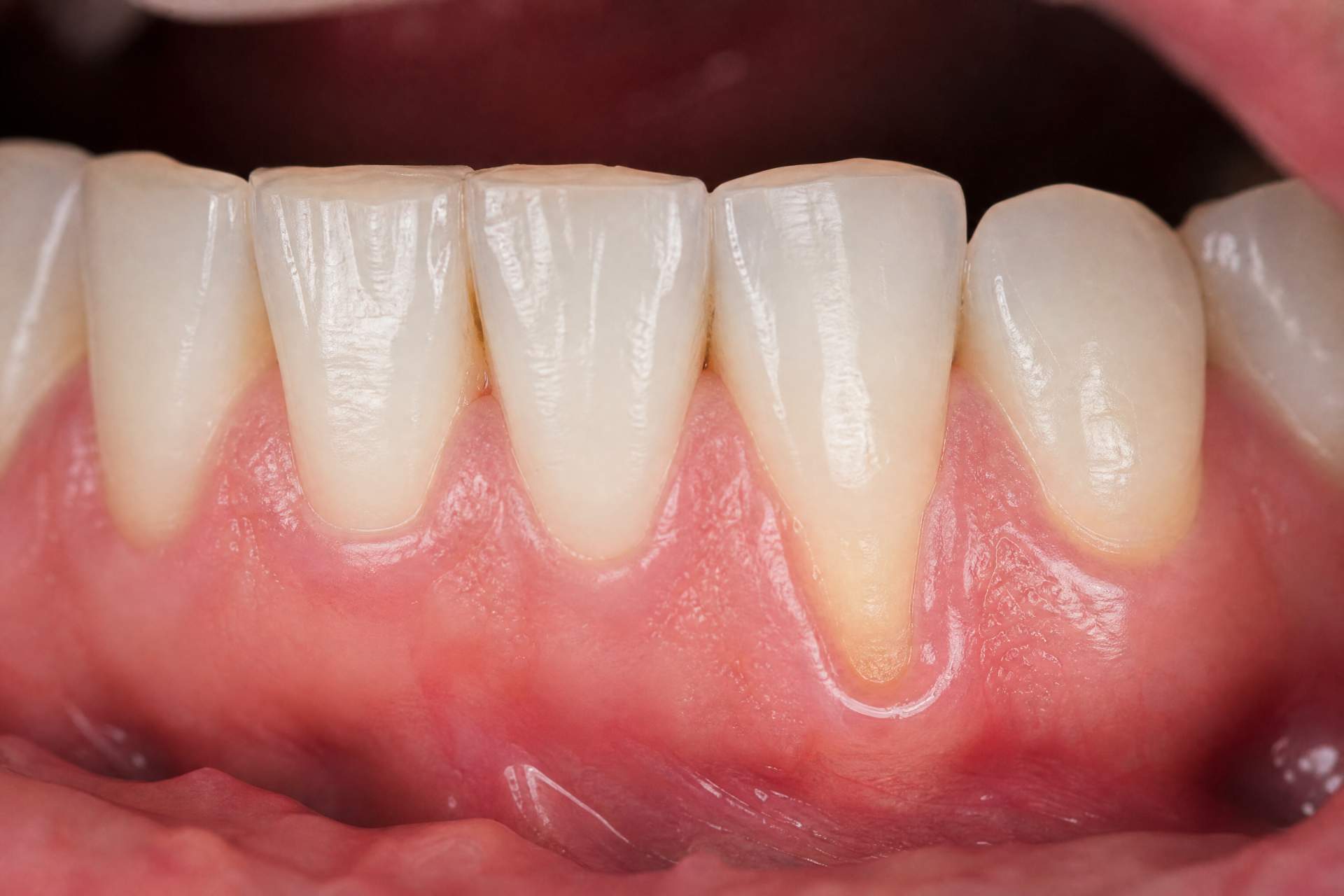
The quest for truly fresh breath begins not with what we do after bad breath appears, but by understanding its fundamental origins. Often, when we experience that post-brushing doubt, the culprits are still lurking. The primary cause of most oral malodor, or halitosis, isn't simply leftover food particles, but volatile sulfur compounds (VSCs). These malodorous gases—primarily hydrogen sulfide and methyl mercaptan—are metabolic byproducts of anaerobic bacteria thriving in your mouth.
The Microbial Metropolis in Your Mouth
Your mouth is a complex ecosystem, home to hundreds of species of bacteria. While many are beneficial, some anaerobic species, particularly those found on the back of the tongue and below the gumline, feast on protein particles from food debris, dead cells, and post-nasal drip. As these bacteria break down proteins, they release VSCs, leading to that characteristic unpleasant smell. Research, including findings often cited in periodontology journals, consistently indicates that up to 90% of halitosis cases originate within the oral cavity itself, with the tongue often being the single largest reservoir for these odor-producing bacteria.
The Role of Dry Mouth
Saliva plays a crucial role in maintaining oral hygiene. It naturally cleanses the mouth, washing away food particles and bacteria, and neutralizes acids. When saliva flow diminishes, as often happens during sleep, or due to certain medications, medical conditions, or even dehydration, the mouth becomes a more hospitable environment for anaerobic bacteria to flourish. This reduced cleansing action allows VSCs to accumulate, exacerbating persistent bad breath.
Beyond the Bristles: Effective Brushing Techniques and Overlooked Areas
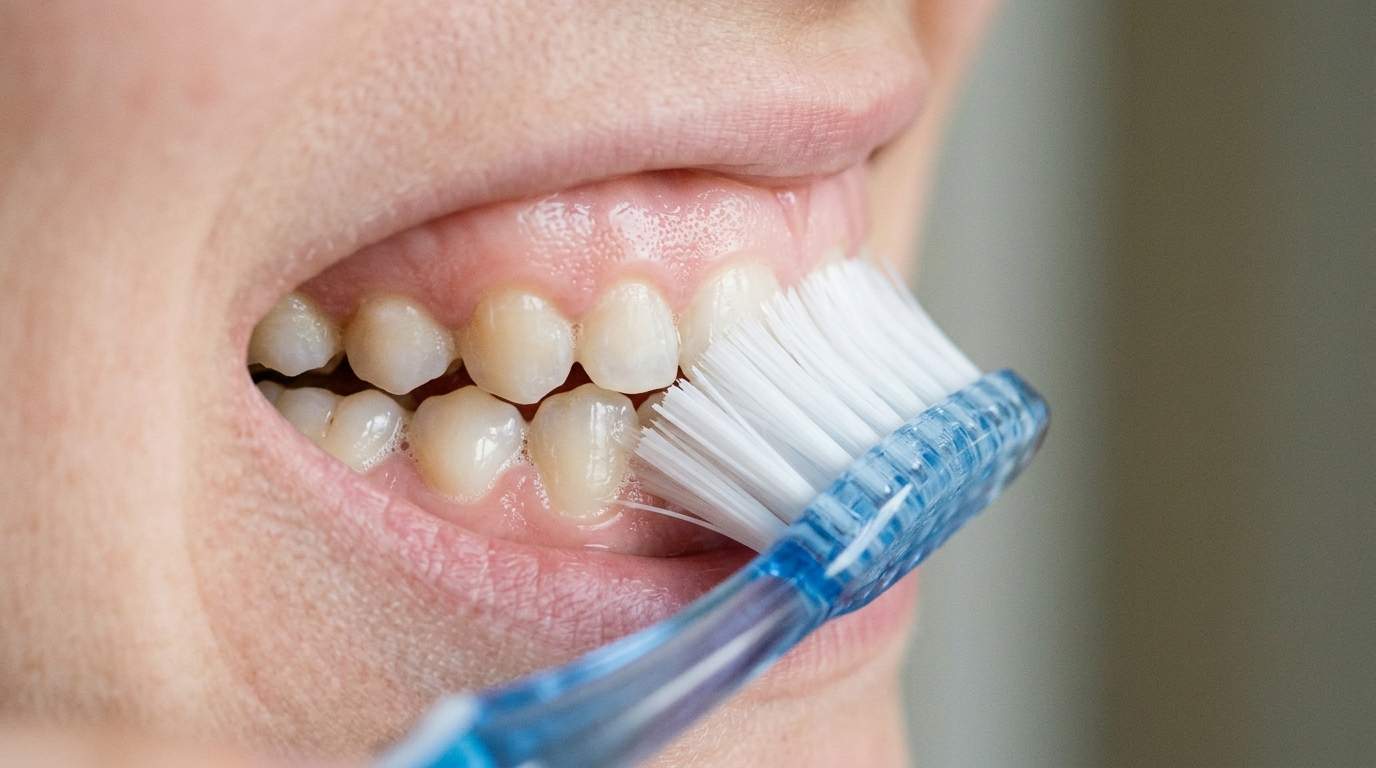
If vigorous brushing were the sole solution, the "lingering doubt" wouldn't exist. While essential, brushing alone often misses critical areas where odor-producing bacteria congregate. It’s not just about how hard you brush, but where and how thoroughly. The effectiveness of your brushing technique extends far beyond the visible surfaces of your teeth.
The Importance of Tongue Cleaning
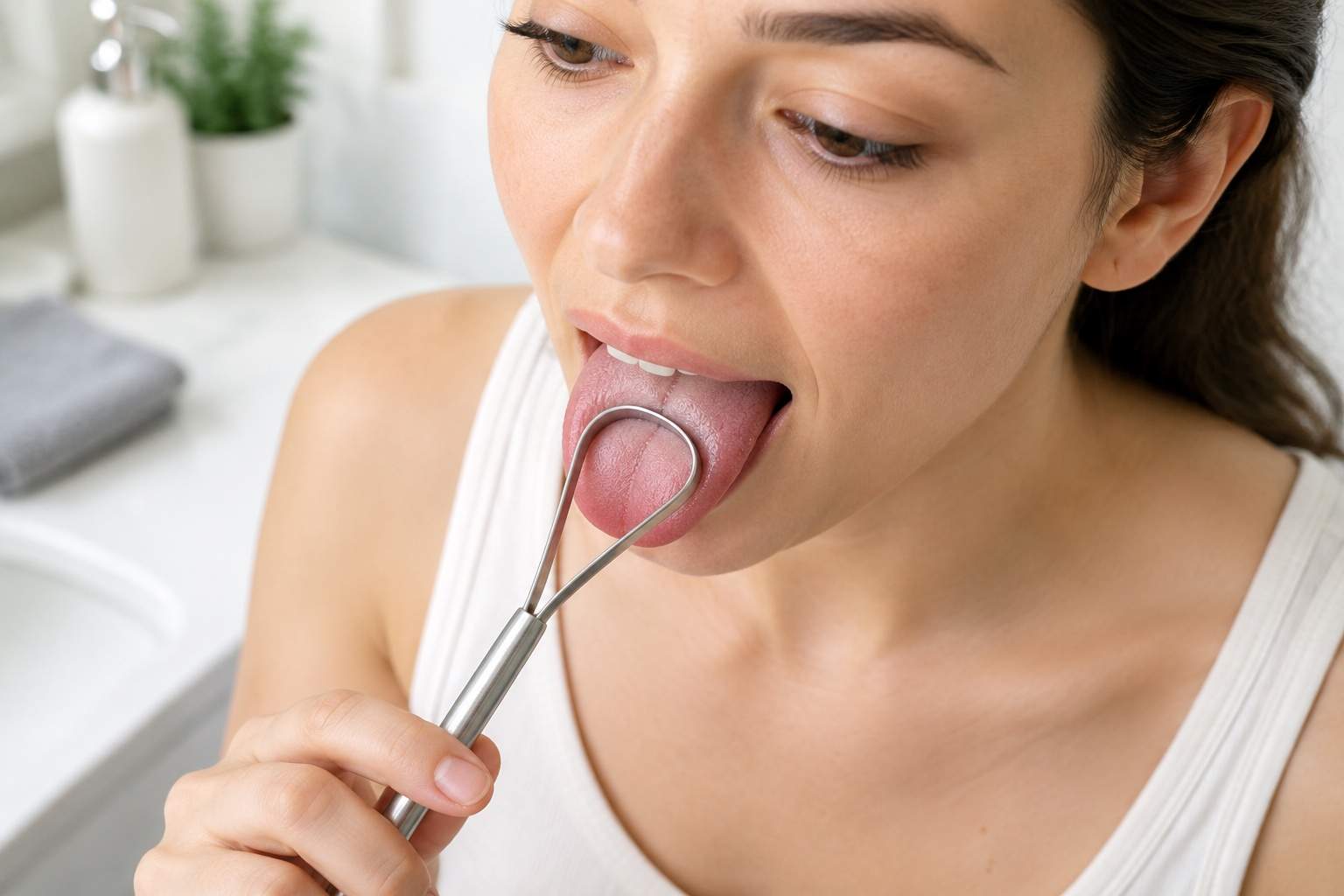
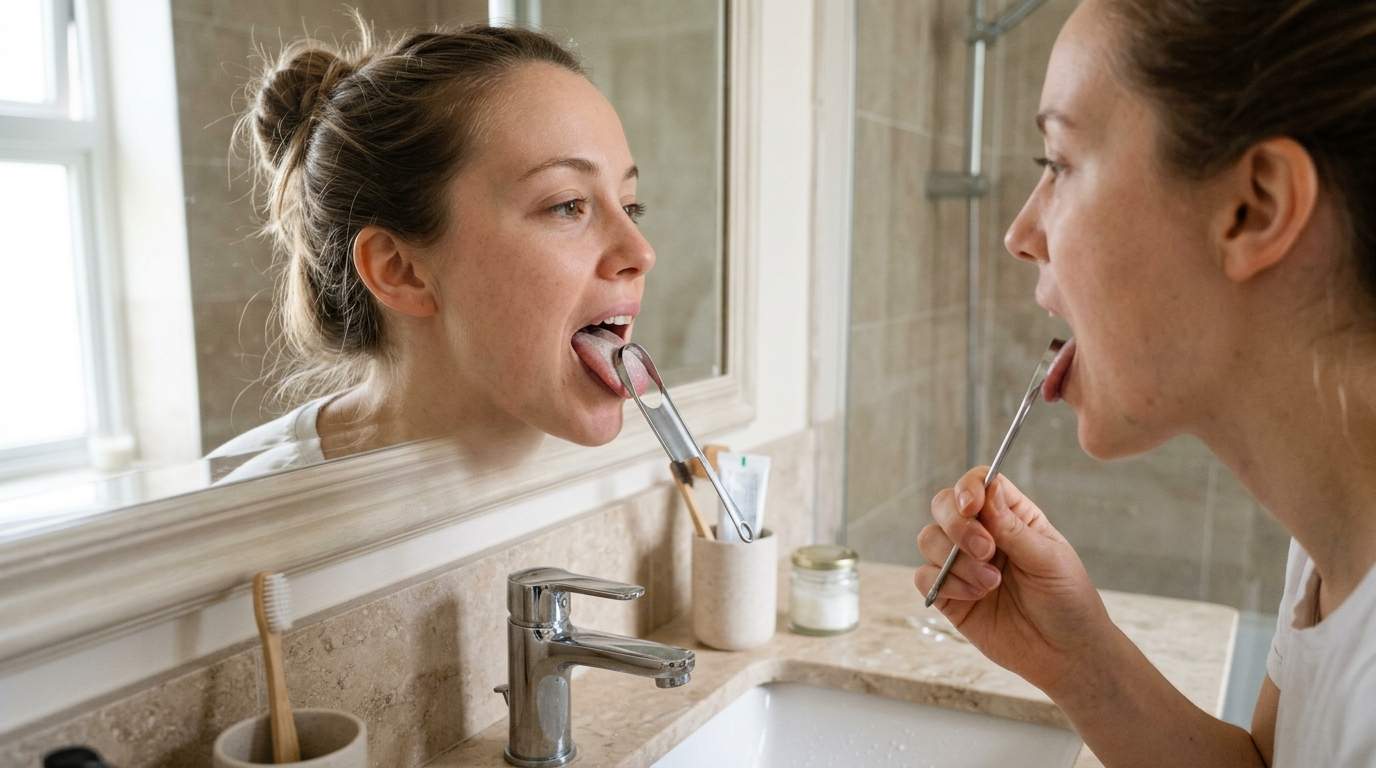
This is perhaps the most overlooked aspect of daily oral hygiene. As mentioned, the back of the tongue is a prime breeding ground for anaerobic bacteria and the accumulation of food debris and dead cells. A toothbrush, with its soft bristles, is often inadequate for thoroughly cleaning the uneven surface of the tongue. Studies have shown that regular tongue scraping can significantly reduce the amount of VSCs and bacteria on the tongue, leading to a noticeable improvement in breath freshness. Incorporating a tongue scraper into your routine can be a game-changer.
Mastering Interdental Care
Even the most diligent brushing misses up to 35% of your tooth surfaces—the areas between your teeth. Plaque and food particles lodged in these tight spaces are inaccessible to toothbrush bristles and become another feeding ground for odor-causing bacteria. Flossing or using interdental brushes is crucial for dislodging these particles and disrupting bacterial colonies, preventing both bad breath and the development of cavities and gum disease. A comprehensive approach involves not just cleaning the surfaces you can see, but every nook and cranny.
The Masking Effect: Why Mouthwash Isn't a Permanent Solution for Fresh Breath
The refreshing tingle of mouthwash often provides a temporary sense of cleanliness. But does it genuinely solve the underlying problem, or merely mask it? For most over-the-counter mouthwashes, the latter is often the case. While some therapeutic mouthwashes contain antibacterial agents like chlorhexidine or cetylpyridinium chloride (CPC) that can temporarily reduce bacterial load, many common cosmetic mouthwashes primarily rely on strong mint flavors to cover up odors.
This masking effect is fleeting. Once the refreshing sensation fades, the odor-producing bacteria, undisturbed in their activity, quickly resume their release of VSCs. Furthermore, alcohol-based mouthwashes can dry out the mouth, paradoxically worsening the very dry-mouth conditions that contribute to bad breath in the long run. Challenging the consensus that mouthwash is a standalone solution, understanding its limitations is key to achieving truly fresh breath. It's a supportive player, not the star.
Tackling Morning Breath Solutions: More Than Just Waking Up
We've all experienced morning breath. It’s so common that it's often dismissed as an inevitable part of waking up. However, its intensity can vary greatly, and understanding its causes offers effective morning breath solutions beyond simply grabbing your toothbrush.
Hydration: Your First Line of Defense
During sleep, saliva production naturally decreases, creating a drier oral environment. This reduced flow means fewer bacteria are washed away, allowing VSCs to accumulate overnight. Staying adequately hydrated throughout the day and especially before bed can help maintain saliva flow. A glass of water by your bedside for sips during the night can also make a difference. Adequate water intake is a fundamental, yet often overlooked, strategy for cultivating fresh breath daily.
Pre-Sleep Rituals for a Fresher Morning
Beyond hydration, your evening oral hygiene routine plays a significant role. A thorough cleaning—including brushing, flossing, and tongue scraping—removes the bulk of food debris and bacteria that would otherwise fester overnight. Additionally, avoiding strong-smelling foods or beverages (like garlic, onions, or coffee) close to bedtime can prevent their lingering odors from contributing to morning breath.
Cultivating Fresh Breath Daily: Holistic Habits for Lasting Confidence
Achieving consistently fresh breath isn't a quick fix; it's a commitment to a holistic approach to oral and general health. It's about moving beyond the "lingering doubt" to genuine, lasting confidence.
The Link Between Diet and Breath
What you eat directly impacts your breath. Foods with strong odors, like garlic, onions, and certain spices, release compounds that can be absorbed into your bloodstream and expelled through your lungs, affecting your breath long after digestion. A balanced diet rich in fruits and vegetables, and limiting sugary foods (which feed oral bacteria), supports a healthier oral environment.
Systemic Health and Breath Indicators
While most bad breath originates in the mouth, sometimes it can be a sign of underlying systemic health conditions. Conditions like diabetes, kidney or liver disease, sinus infections, or gastroesophageal reflux disease (GERD) can manifest as distinctive breath odors. For instance, a fruity odor can indicate uncontrolled diabetes, while a fishy smell might point to kidney issues. If diligent oral hygiene doesn't resolve persistent bad breath, it's wise to consult a healthcare professional to rule out other medical causes. This reflects a deep understanding of our body's interconnected systems, and emphasizes empathy by guiding readers to seek help when needed.
The journey to consistently fresh breath is one of understanding and proactive care. It’s not about brushing harder, but smarter and more completely, embracing overlooked elements like tongue cleaning and interdental care, and recognizing the broader connections between your oral health, diet, and overall well-being. By integrating these principles into your daily routine, you can confidently bid farewell to that lingering doubt, replacing it with genuine freshness and self-assurance.