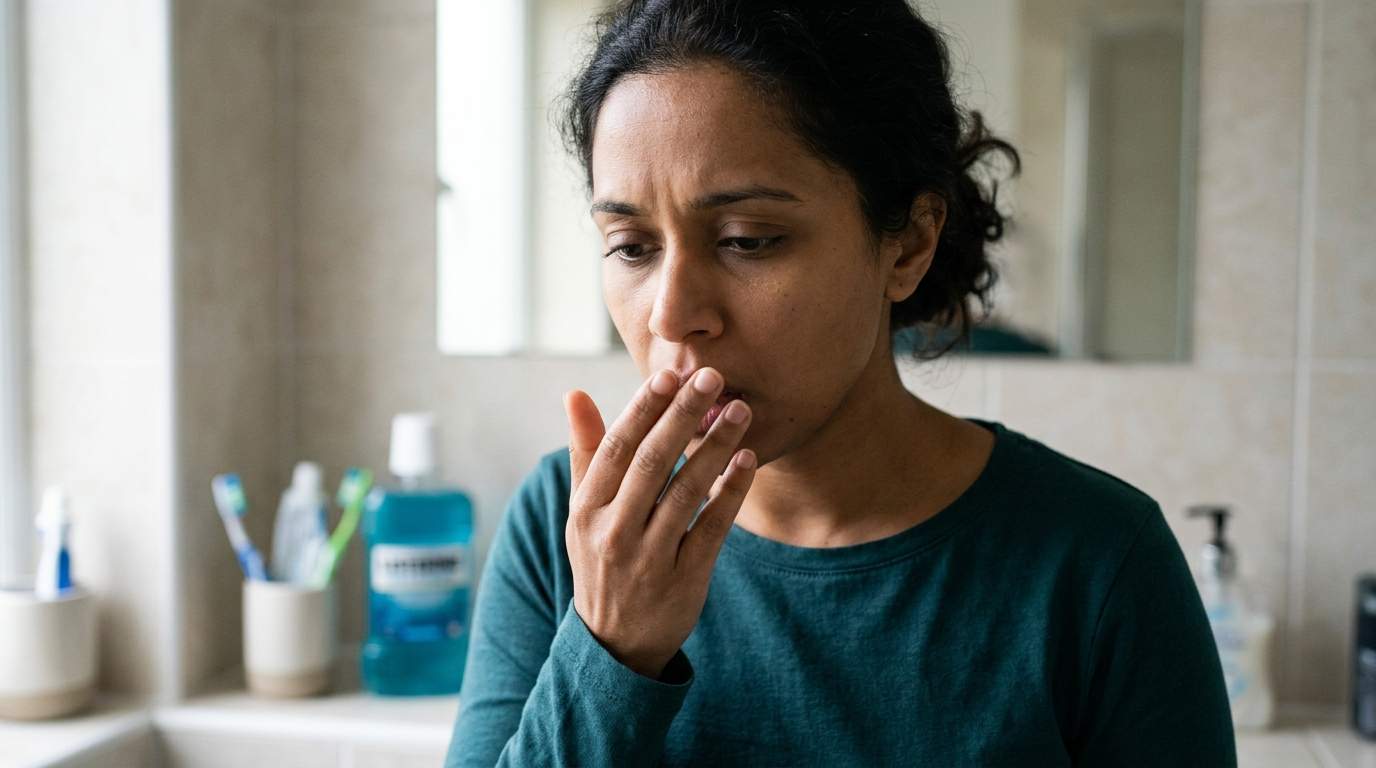
You’ve just emerged from the bathroom, toothbrush and mouthwash bottle still glistening on the counter. That minty-fresh feeling is invigorating, a clean slate for the day ahead. You feel confident, ready to engage. Yet, an hour or two later, a subtle staleness begins to creep back, or perhaps you catch a faint, undesirable whiff, realizing that the fresh start was merely a fleeting illusion. It’s a frustrating cycle, isn't it? A persistent, often embarrassing battle for genuine fresh breath that countless individuals face, despite their diligent efforts with vigorous brushing and even the strongest mouthwashes.
E.g. :Beyond the Jolt: Unmasking the True Causes of Your Sensitive Teeth
- 1、The Illusion of Instant Freshness: Why the Quick Fix Fails
- 2、Unmasking the Silent Architects of Halitosis: Beyond Just Food Particles
- 3、The Oral Microbiome: A Delicate Balance Often Disrupted
- 4、Beyond the Toothbrush: Strategies for Genuine, Lasting Fresh Breath
- 5、When to Seek Professional Guidance: Beyond Home Remedies
- 6、FAQs
This dilemma often leaves us questioning our routines. If our tried-and-true methods aren't delivering lasting results, could these common remedies actually be overlooking the fundamental causes of bad breath, or even inadvertently exacerbating the issue? It's a critical question that warrants a deeper look into the intricate world of oral health, moving beyond the surface-level fixes to uncover the true architects of enduring freshness.
The Illusion of Instant Freshness: Why the Quick Fix Fails
Many of us equate a strong minty flavor or an intense tingling sensation with true oral cleanliness. Mouthwashes, particularly those with high alcohol content, deliver an immediate, powerful burst of freshness. However, this sensation is often just that – a sensation. These products primarily mask the underlying odors with potent fragrances and antiseptics. While they may temporarily reduce the bacterial load, they rarely address the persistent sources of odor production. Think of it like spraying air freshener in a room that needs a good cleaning; the scent is pleasant, but the dust and grime remain.
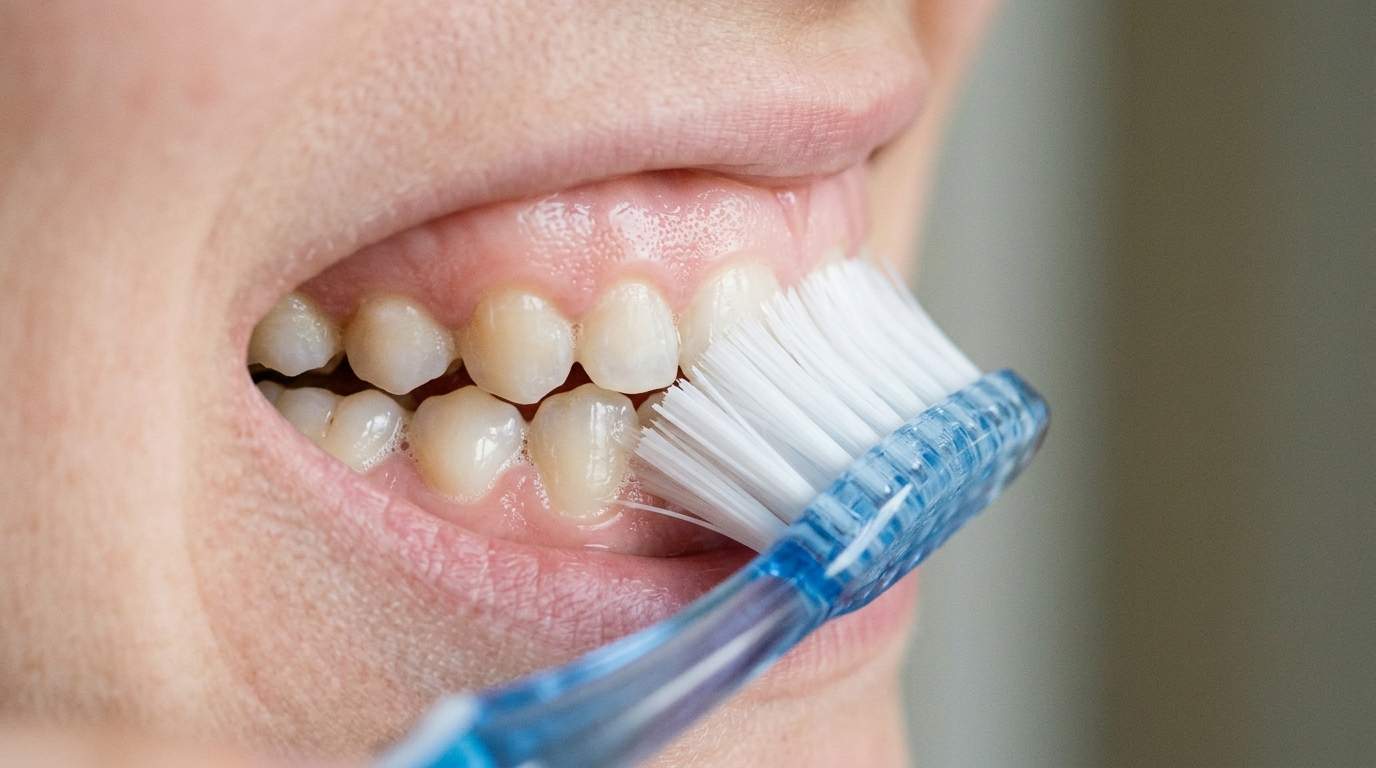
Moreover, vigorous brushing, while essential, can sometimes create a false sense of security. While effectively removing food particles and plaque from tooth surfaces, it often doesn't adequately reach the prime reservoirs of odor-causing bacteria, which thrive in specific, less accessible areas of the mouth.
Unmasking the Silent Architects of Halitosis: Beyond Just Food Particles
The vast majority of bad breath, or halitosis, originates right within the oral cavity. Research consistently indicates that approximately 80-90% of halitosis cases are linked to intra-oral factors. The main culprits are not just stray food particles, but microscopic compounds known as Volatile Sulfur Compounds (VSCs). These malodorous gases – primarily hydrogen sulfide, methyl mercaptan, and dimethyl sulfide – are the metabolic byproducts of anaerobic bacteria. These bacteria flourish in oxygen-poor environments and are prolific residents of our mouths.
The Tongue's Hidden Role in Persistent Bad Breath
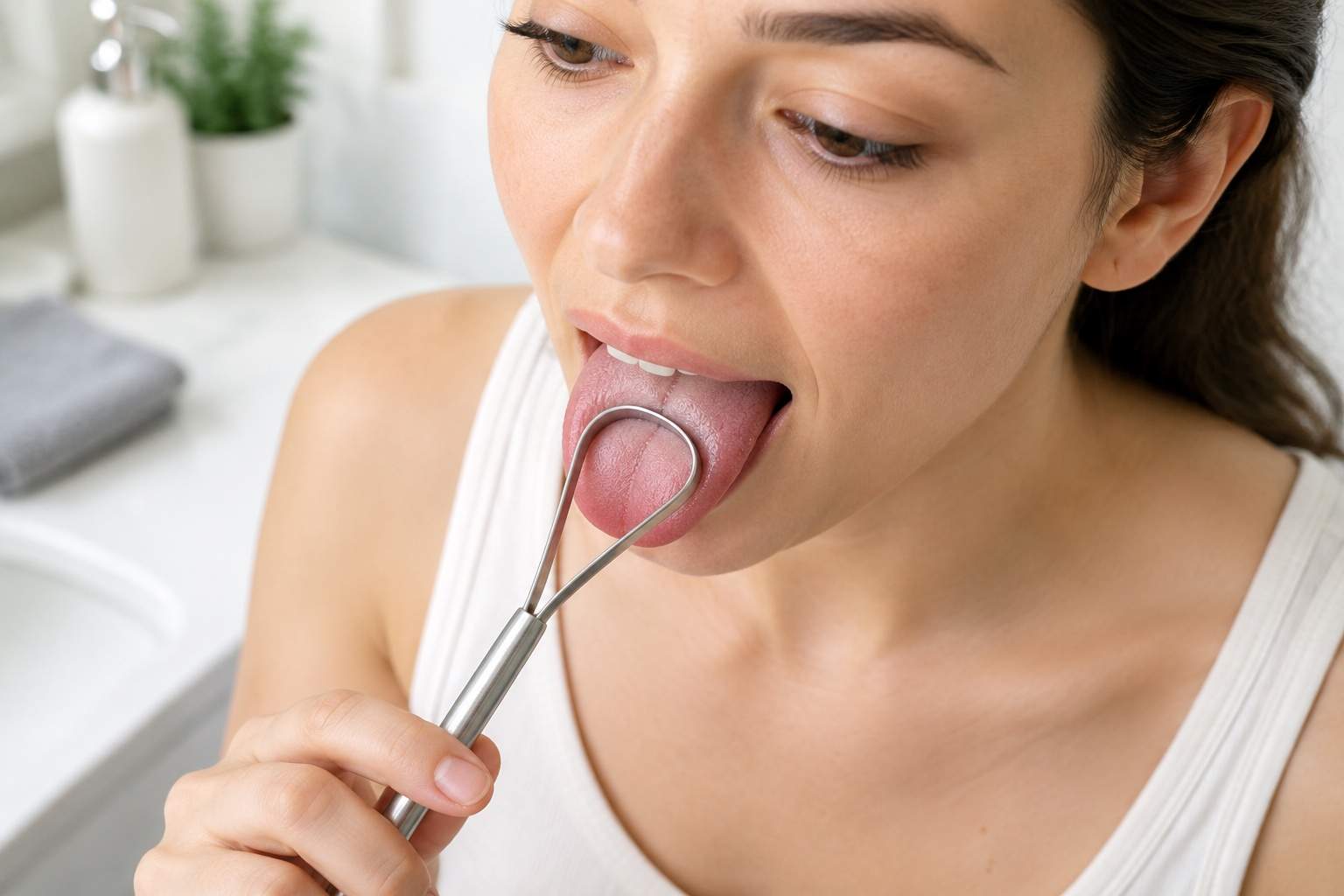
One of the primary havens for these VSC-producing bacteria is the tongue, particularly its posterior dorsal surface. The tongue's intricate, fissured topography provides an ideal sanctuary for bacteria and trapped food debris. Studies have shown that a significant percentage of oral halitosis cases are directly attributable to microbial activity on the tongue's surface. A white or yellowish coating on your tongue often signifies a dense bacterial biofilm, actively generating those unwelcome odors, largely undisturbed by traditional brushing alone.
The Unseen Threat: Periodontal Health and Oral Biofilms
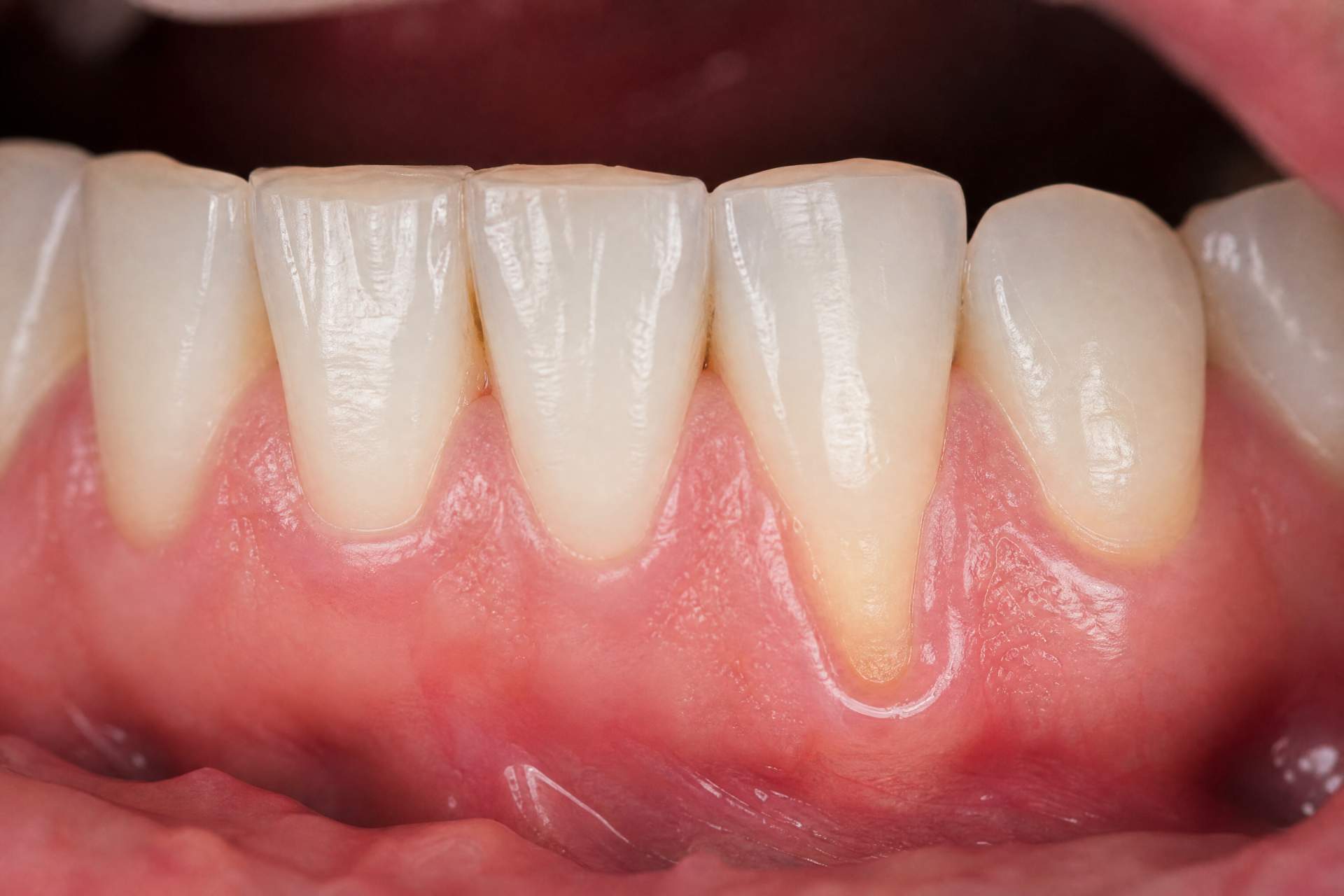
Beyond the tongue, periodontal pockets – the spaces between your teeth and gums, particularly when gum disease is present – are another major source of VSCs. When plaque, a sticky bacterial biofilm, isn't consistently removed, it hardens into calculus, leading to inflammation (gingivitis) and, if untreated, advanced gum disease (periodontitis). These conditions create deep, oxygen-deprived pockets where anaerobic bacteria thrive, relentlessly producing VSCs that brushing and regular mouthwash simply cannot reach effectively. This persistent bacterial challenge is often why efforts to freshen breath remain frustratingly temporary.
The Oral Microbiome: A Delicate Balance Often Disrupted
Our mouths are home to a complex ecosystem of microorganisms – the oral microbiome. A healthy microbiome maintains a delicate balance, where beneficial bacteria keep odor-producing ones in check. However, this balance can be easily disrupted. Some strong, alcohol-based mouthwashes, for instance, can be non-selective in their antibacterial action, killing off not only the bad bacteria but also beneficial ones. This indiscriminate cleansing can sometimes lead to an ecological shift, creating an environment where the odor-producing anaerobic bacteria can more readily re-establish themselves, sometimes even faster than before, ultimately making the problem worse in the long run.
Moreover, saliva plays a crucial role in maintaining oral health. It naturally washes away food debris and bacteria, neutralizes acids, and provides antibacterial components. Conditions that lead to reduced salivary flow, such as dry mouth (xerostomia), certain medications, or even breathing through the mouth, significantly diminish this natural cleansing mechanism, allowing bacteria and VSCs to accumulate, leading to more pronounced and persistent bad breath.
Beyond the Toothbrush: Strategies for Genuine, Lasting Fresh Breath
Achieving truly lasting fresh breath requires moving beyond superficial fixes and addressing the root causes. It's about understanding and supporting your oral ecosystem.
Proper Oral Hygiene: A Foundation, Not the Whole Story
While brushing and flossing are foundational, their execution is key. Brush gently yet thoroughly, covering all tooth surfaces and the gum line. Flossing or using interdental brushes is non-negotiable for removing plaque and food particles from between teeth and below the gum line, areas where toothbrushes cannot reach.
However, the most impactful addition to address halitosis is tongue cleaning. Using a dedicated tongue scraper or cleaner daily can significantly reduce the bacterial load on the tongue's surface. Studies have demonstrated that tongue scraping can reduce VSCs by a substantial margin, often far more effectively than brushing the tongue with a toothbrush. This simple, often overlooked step is critical for breaking the cycle of persistent bad breath.
Hydration and Saliva Flow: Nature's Oral Cleanser
Staying adequately hydrated by drinking plenty of water throughout the day is crucial. Water helps maintain salivary flow, which naturally rinses away bacteria and food particles. Chewing sugar-free gum, especially those containing xylitol, can also stimulate saliva production and help neutralize oral acids.
Rethinking Your Mouthwash Choices for Real Benefits
If you choose to use mouthwash, consider alcohol-free, therapeutic options that target specific issues without indiscriminately disrupting your oral microbiome. Some mouthwashes contain ingredients like cetylpyridinium chloride (CPC) or zinc compounds, which can help neutralize VSCs. However, remember that mouthwash should always complement, not replace, thorough mechanical cleaning (brushing, flossing, and tongue scraping).
When to Seek Professional Guidance: Beyond Home Remedies
While many cases of bad breath can be managed with improved oral hygiene and lifestyle adjustments, persistent halitosis that doesn't respond to these measures warrants professional attention. Your dentist can perform a comprehensive oral examination to rule out underlying dental issues such as severe gum disease, large cavities, or oral infections.
In some instances, bad breath can be a symptom of systemic health conditions unrelated to the mouth, such as chronic sinus infections, tonsil stones, gastroesophageal reflux disease (GERD), diabetes, or kidney and liver conditions. If your dentist rules out oral causes, they may refer you to a physician for further investigation. Facing the problem head-on and seeking help is a testament to your commitment to health, not a sign of weakness.
Ultimately, genuine, lasting fresh breath isn't found in a temporary minty blast, but in a disciplined understanding of your oral environment and consistent, targeted strategies. By embracing these principles, you can step out of the "brush-and-mouthwash trap" and confidently enjoy a truly fresh start, every day.