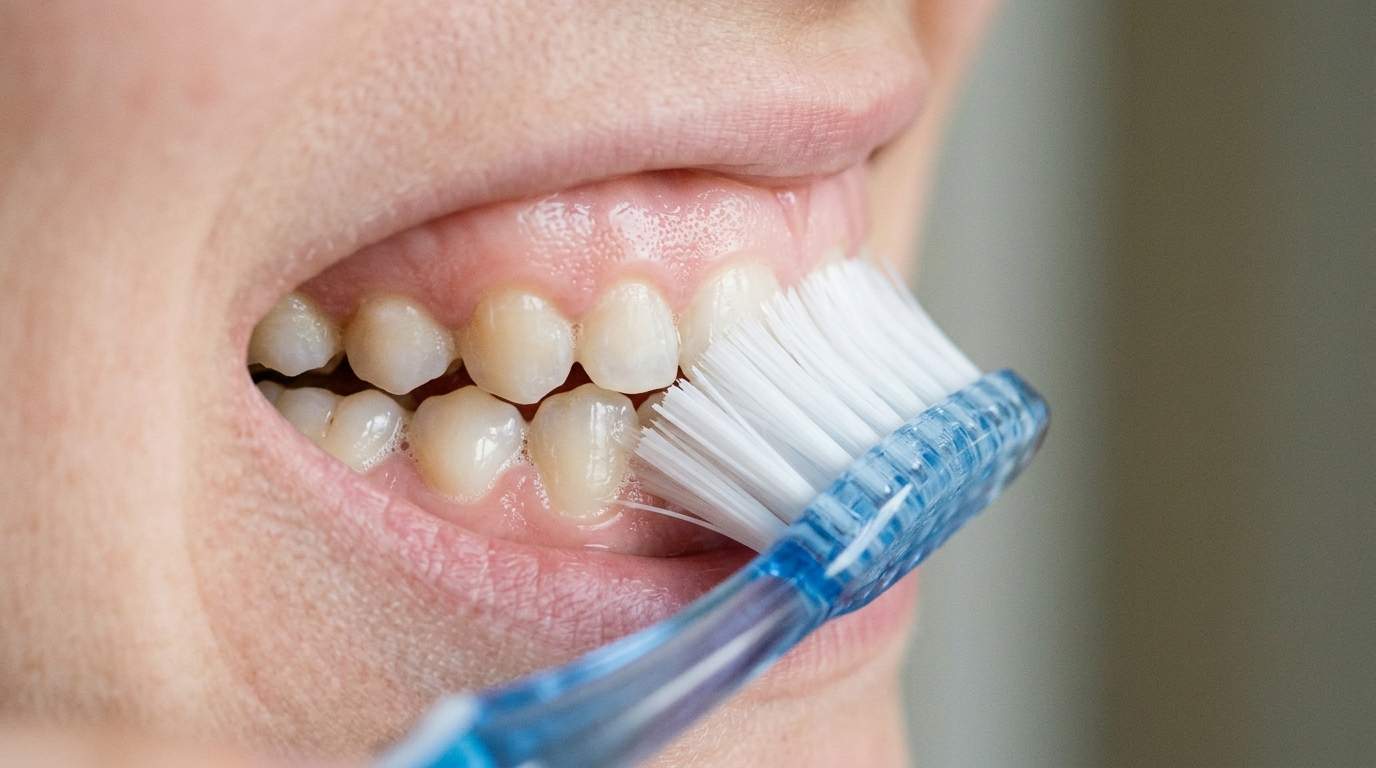
Imagine dedicating yourself to a daily ritual, a cornerstone of your health, only to find its efforts seem to fall short. You brush twice a day, every day, with diligence. You even conscientiously reach for the floss most evenings. Yet, at your next dental visit, your dentist gently points out signs of early gum inflammation, or perhaps a nascent cavity lurking in an unexpected corner. That lingering sensation of 'not quite fresh' breath persists, despite your best efforts. This isn't just a fleeting annoyance; it's a common, often frustrating disconnect that many of us experience, leading to a subtle doubt about whether we truly understand what a 'clean mouth' really means.
E.g. :Beyond Minty Masks: Why Your "Fresh Breath" Efforts Might Be Failing (and What Really Works)
- 1、The Unseen Battleground: What is Dental Plaque, Really?
- 2、Beyond the Brushstroke: Rethinking Effective Brushing Techniques
- 3、Flossing's True Purpose: A Deeper Clean for Gum Disease Prevention
- 4、Tackling Persistent Bad Breath: It's More Than Just Surface-Level
- 5、Elevating Your Oral Hygiene: Towards a Truly Clean Mouth
This feeling of consistent effort battling persistent dental plaque buildup, early tooth decay, or stubborn bad breath can be disheartening. It begs critical questions: If you're following the recommended guidelines, how can significant dental plaque still accumulate, seemingly overnight? Is it possible that the very 'brushing technique' you've used your whole life is less effective than you think, potentially missing crucial areas for cavity prevention? And could the secret to truly overcoming persistent bad breath and achieving superior gum disease prevention lie not in adding more steps, but in subtly refining the ones you already perform? Let's delve into the often-overlooked science behind a truly effective oral hygiene routine.
The Unseen Battleground: What is Dental Plaque, Really?
We often think of dental plaque as a simple film, easily scrubbed away. The reality, however, is far more complex. Dental plaque is a dynamic, sticky biofilm – a community of bacteria encased in a self-produced matrix, adhering stubbornly to your teeth. It’s not just food debris; it's a living, growing entity.
The Biofilm Challenge: A Sticky Reality
Within mere hours of brushing, bacteria begin to colonize your tooth surfaces. These pioneers rapidly multiply and invite other bacterial species to join their community, forming the complex biofilm we call plaque. This process explains how, despite diligent brushing, significant plaque can indeed re-accumulate overnight. Research published in journals like the Journal of Dental Research consistently highlights the rapid re-establishment of oral biofilms, underscoring the relentless nature of this challenge. The acids produced by these bacteria are the primary culprits behind tooth enamel erosion, leading to cavities, while their toxins irritate gum tissues, initiating gingivitis and, if unchecked, more severe periodontal disease. Understanding this constant battle is the first step towards superior plaque control.
Beyond the Brushstroke: Rethinking Effective Brushing Techniques
For many, brushing is an almost automatic act, a habit formed in childhood. But is the technique you've used for decades genuinely effective? Studies indicate that a significant portion of the population misses critical areas during brushing, particularly along the gum line and the posterior surfaces of teeth, areas notorious for plaque control issues and cavity prevention challenges.
Precision over Power: Mastering Your Manual Brush
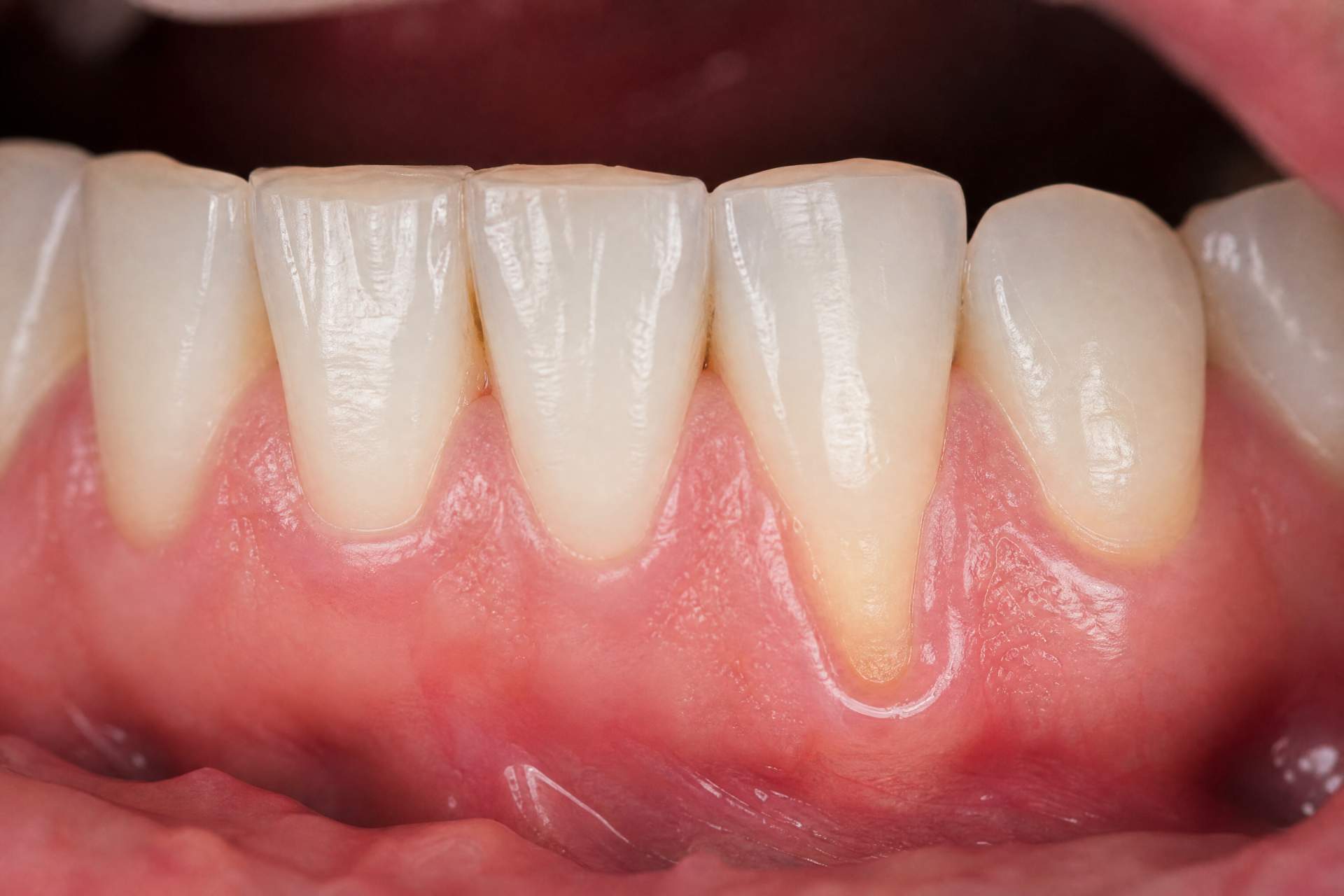
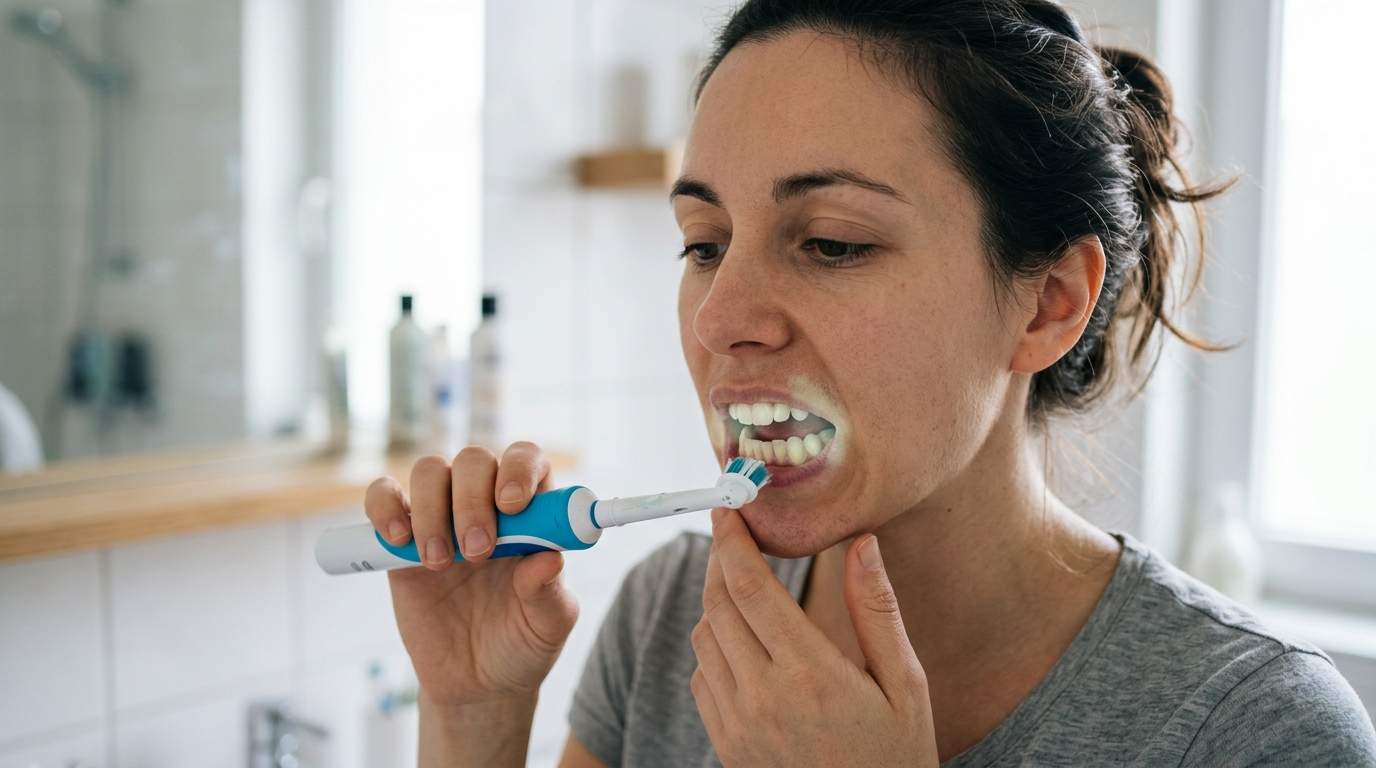
Aggressive scrubbing with a hard-bristled brush can actually harm your gums and tooth enamel, leading to recession and sensitivity, rather than improving effective oral hygiene. The prevailing consensus among dental professionals, often referenced by organizations like the American Dental Association, advocates for the Modified Bass Technique. This involves holding your brush at a 45-degree angle to the gum line, gently sweeping or vibrating the bristles back and forth to dislodge plaque from beneath the gum line and tooth surface. Remember, it's about precision and thoroughness, not brute force. Focus on one or two teeth at a time, ensuring all surfaces – outer, inner, and chewing – receive attention for the recommended two minutes, twice a day.
The Electric Advantage: Consistency and Coverage
For those who struggle with manual dexterity or simply want to optimize their routine, an electric toothbrush can offer a distinct advantage. Many clinical trials, including numerous systematic reviews, have demonstrated that oscillating-rotating and sonic electric toothbrushes can be modestly more effective than manual toothbrushes in reducing plaque control and gingivitis. Their consistent motion and built-in timers help ensure adequate cleaning time and coverage, making them powerful allies in your cavity prevention and gum disease prevention efforts.
Flossing's True Purpose: A Deeper Clean for Gum Disease Prevention
Flossing is often viewed as an optional extra, or perhaps a rushed formality. However, it is an indispensable component of effective oral hygiene, especially for gum disease prevention. Your toothbrush bristles simply cannot reach the tight spaces between your teeth or effectively clean beneath the gum line where plaque loves to hide and wreak havoc.
The C-Shape Secret: Maximizing Interdental Cleaning
The key to effective flossing isn't just getting the floss between your teeth; it's about cleaning the tooth surfaces there. Instead of snapping the floss straight down, which can injure your gums, gently guide it. Once between the teeth, wrap the floss around the side of one tooth, forming a "C" shape, and gently slide it up and down, extending slightly beneath the gum line. Then, repeat this "C" motion for the adjacent tooth. This technique ensures you're scraping off the biofilm rather than just moving it around. Regular, proper flossing, as reinforced by countless dental studies, is critical for disrupting interdental plaque and preventing gingivitis from progressing to more severe periodontal disease.
Tackling Persistent Bad Breath: It's More Than Just Surface-Level
Persistent bad breath, or halitosis, can be a source of significant self-consciousness, often leading individuals to reach for mints or mouthwashes that only mask the problem. While systemic issues or diet can contribute, the vast majority of cases originate in the mouth, often linked directly to plaque control and gum disease prevention failures.
The Tongue's Role: A Neglected Reservoir
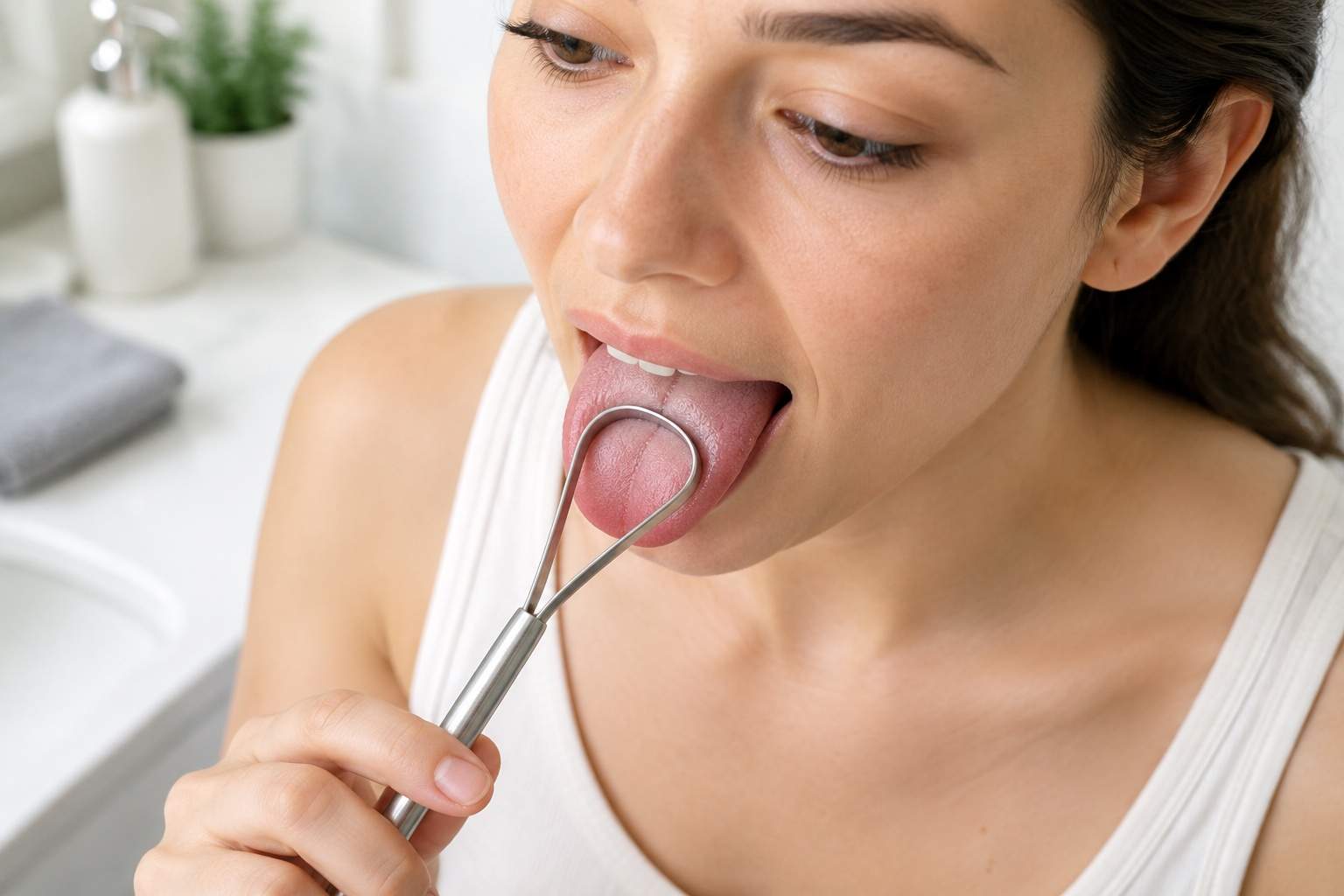
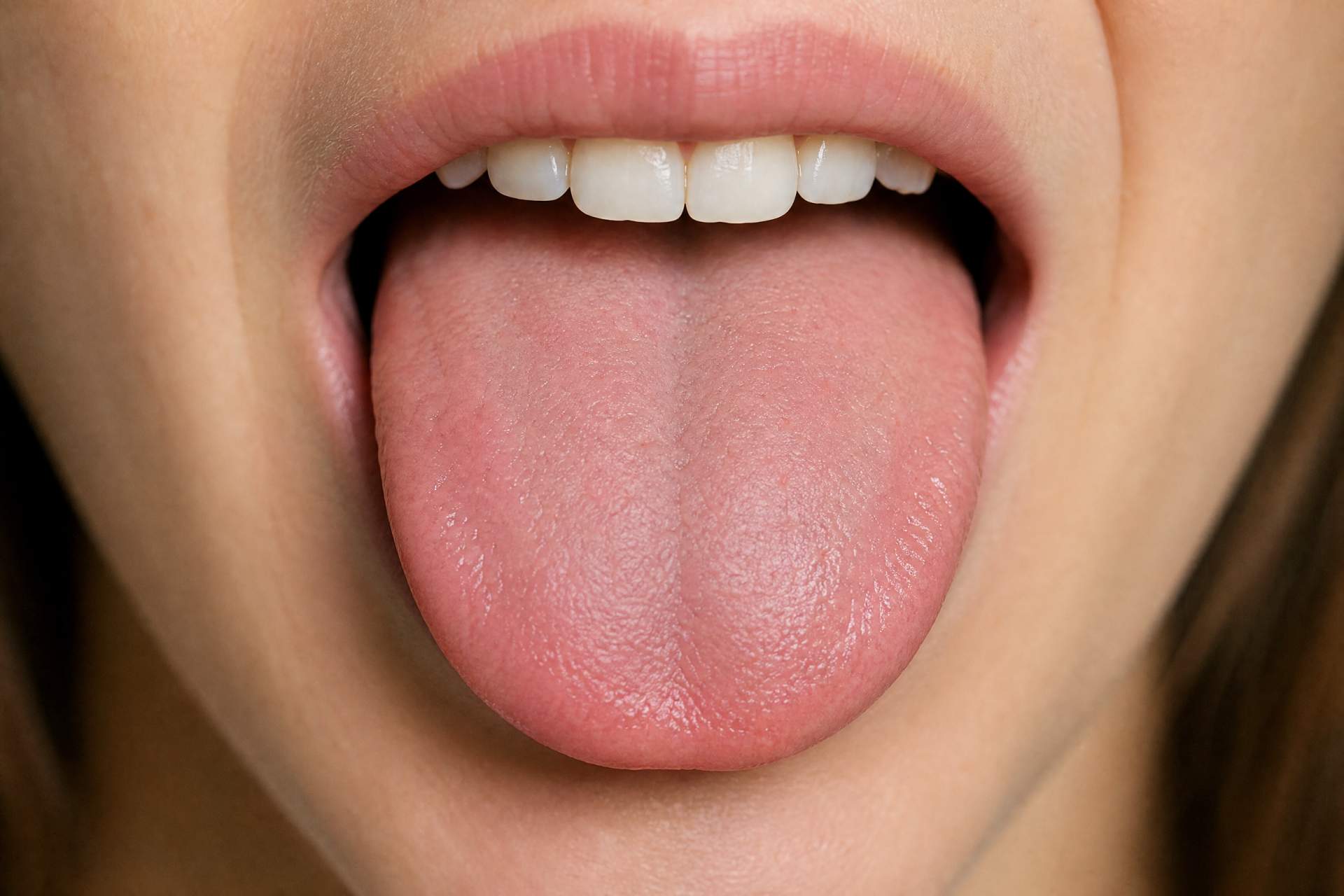
Research consistently points to the tongue as a major reservoir for bacteria that produce volatile sulfur compounds (VSCs), the primary culprits behind bad breath. These bacteria thrive in the rough surface of the tongue, especially towards the back. Incorporating tongue cleaning into your routine – using either a specialized tongue scraper or your toothbrush – can dramatically reduce VSCs and significantly improve breath freshness. Beyond the tongue, undetected gum disease, deep cavities, or poorly cleaned areas allowing for food impaction can also contribute to offensive odors. Addressing the root causes through meticulous effective oral hygiene is the real "bad breath cure."
Elevating Your Oral Hygiene: Towards a Truly Clean Mouth
Achieving a genuinely clean mouth is an ongoing journey of awareness and refinement, not just a box to check. It's about understanding the subtle science of plaque and mastering the techniques that address its insidious nature. By embracing precision in your brushing, mastering the art of the "C-shape" floss, and remembering the often-neglected tongue, you can significantly enhance your plaque control, bolster your cavity prevention, and ensure robust gum disease prevention.
The Power of Professional Guidance
Remember, your home care is the foundation, but professional dental check-ups and cleanings remain indispensable. Your dentist and hygienist are your partners, providing personalized advice, identifying areas you might be missing, and addressing issues before they escalate. They can offer tailored cavity prevention tips and guidance on the best effective oral hygiene routine for your specific needs, truly helping you move beyond the 'clean mouth' illusion.