The morning mirror often reflects more than just our sleepy visage; it can sometimes betray a secret worry, a subtle shadow of self-doubt. You've diligently upheld the pillars of oral hygiene – brushing twice daily, flossing with admirable consistency, perhaps even a swish of mouthwash for good measure. Yet, despite these steadfast efforts, that distinctively unpleasant taste lingers, or the quiet apprehension about your breath persists, causing you to instinctively pull back in conversation or offer a guarded smile. It’s a frustrating paradox: performing all the "right" steps, only to find yourself still grappling with a chronic self-consciousness that undermines your social confidence. This persistent concern leaves many questioning if their meticulous routine is merely a temporary mask, rather than a lasting solution.
E.g. :The Real Reason Your Breath Still Smells (Even After Brushing) – Unveiling the Hidden Truths
- 1、The Silent Saboteur: Unmasking Persistent Bad Breath
- 2、Beyond the Brush: Unraveling the True Causes of Halitosis
- 3、Your Mouth's Ecosystem: More Than Just Teeth and Gums
- 4、When Fresh Breath Isn't Enough: Systemic Links to Oral Health
- 5、A Holistic Path to Lasting Freshness: Your Halitosis Solution
- 6、FAQs
The Silent Saboteur: Unmasking Persistent Bad Breath
For many, the battle against bad breath, clinically known as halitosis, feels like an uphill struggle. We often assume that if our teeth are clean and our gums healthy, our breath should naturally follow suit. However, the reality is far more intricate. While the vast majority (around 85-90%) of halitosis cases originate within the oral cavity, often from the breakdown of food particles by bacteria, a significant percentage stems from causes beyond the scope of traditional brushing and flossing. A 2008 review published in the Journal of Dental Research highlighted that while oral factors are primary, systemic conditions and even certain medications can contribute to the problem, making a "one-size-fits-all" solution elusive. It’s not a reflection of poor hygiene, but rather an invitation to explore deeper.
The Role of Volatile Sulfur Compounds
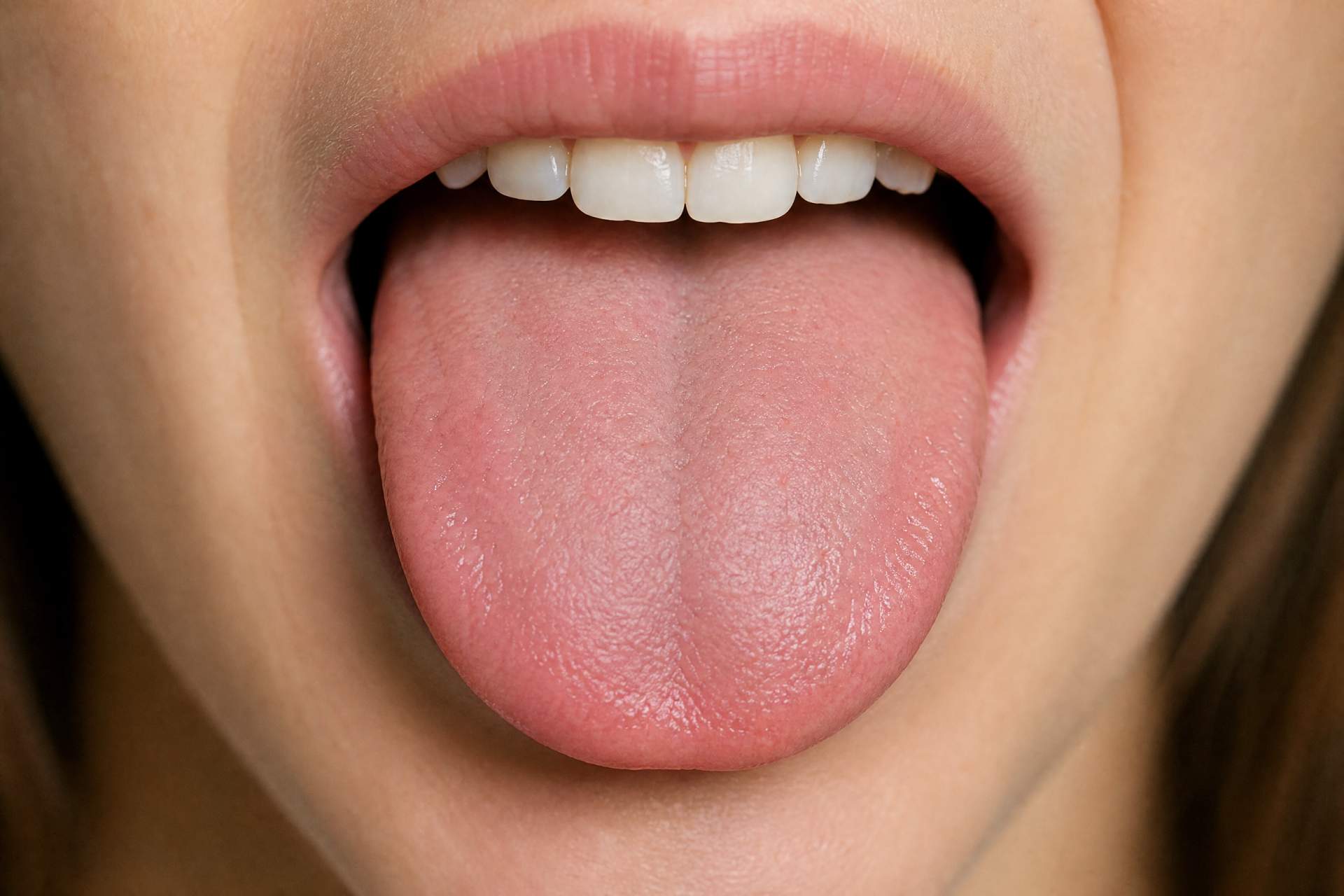
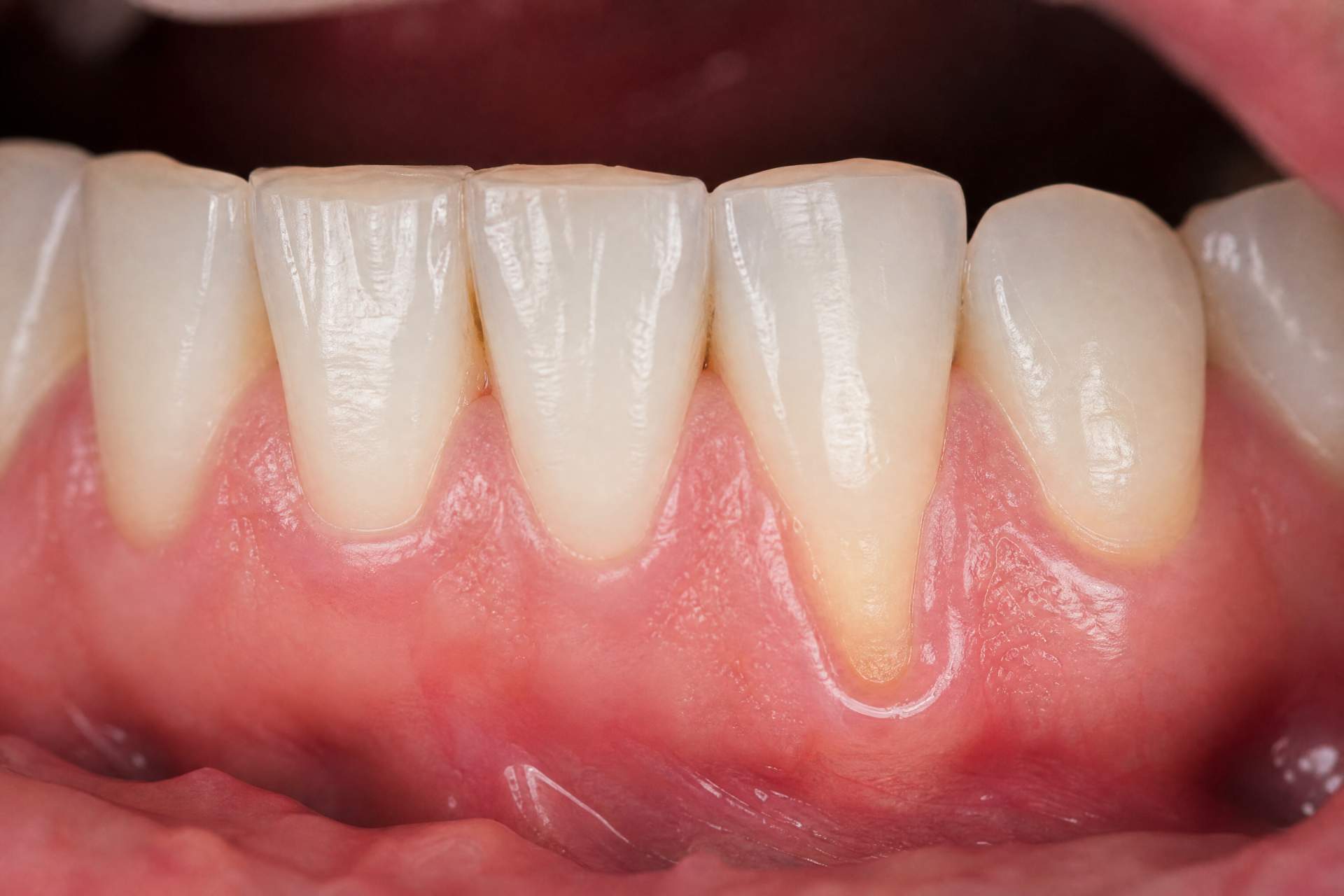
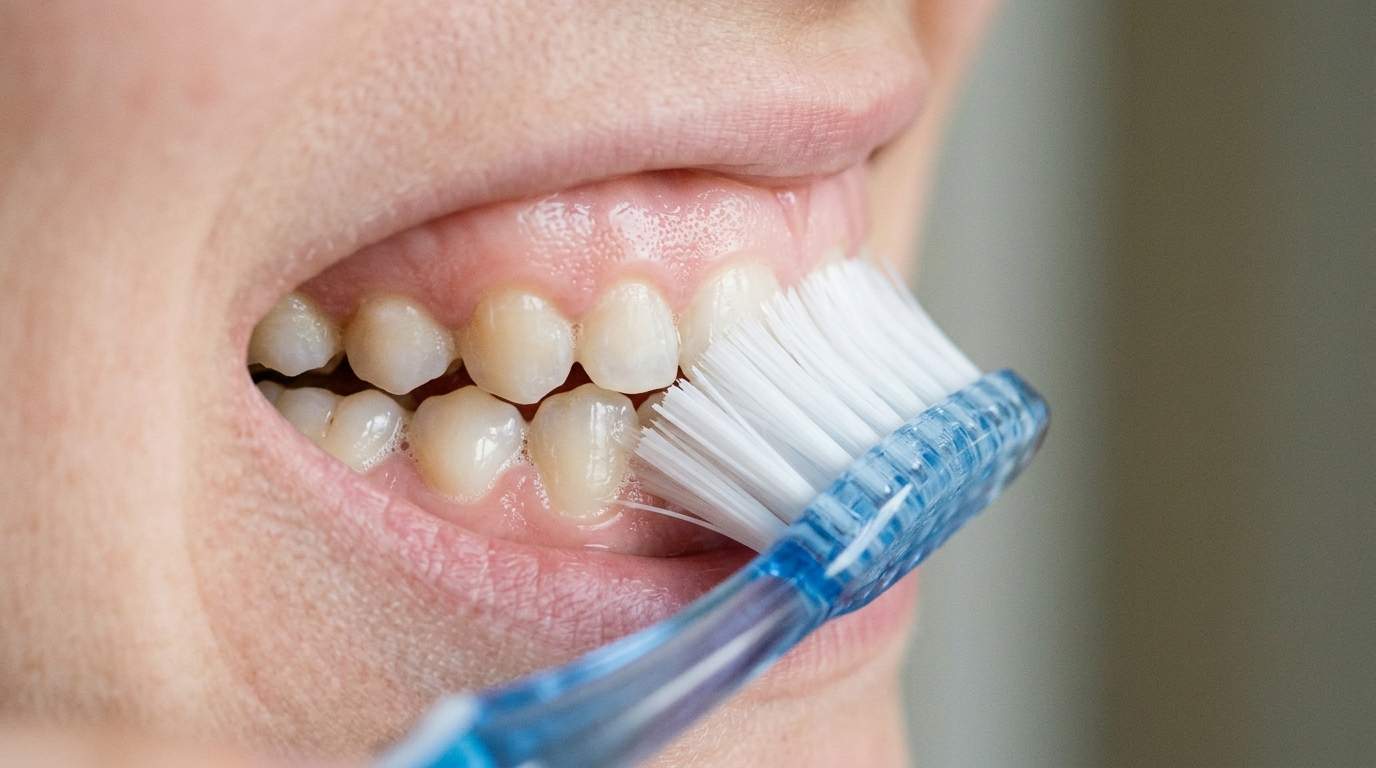
The primary culprits behind that unpleasant odor are often Volatile Sulfur Compounds (VSCs), such as hydrogen sulfide and methyl mercaptan, produced by anaerobic bacteria thriving in your mouth. These bacteria particularly favor the back of your tongue, between your teeth, and beneath the gum line, where oxygen is scarce. Brushing and flossing address some of these areas, but often miss the thick bacterial film on the tongue's surface, which can harbor a significant reservoir of VSC-producing microbes.
Beyond the Brush: Unraveling the True Causes of Halitosis
When your consistent oral hygiene routine falls short, it's time to broaden our perspective. The truth is, the complex ecosystem of your mouth, and indeed your entire body, can play a pivotal role.

The Overlooked Tongue: A Bacterial Hotspot
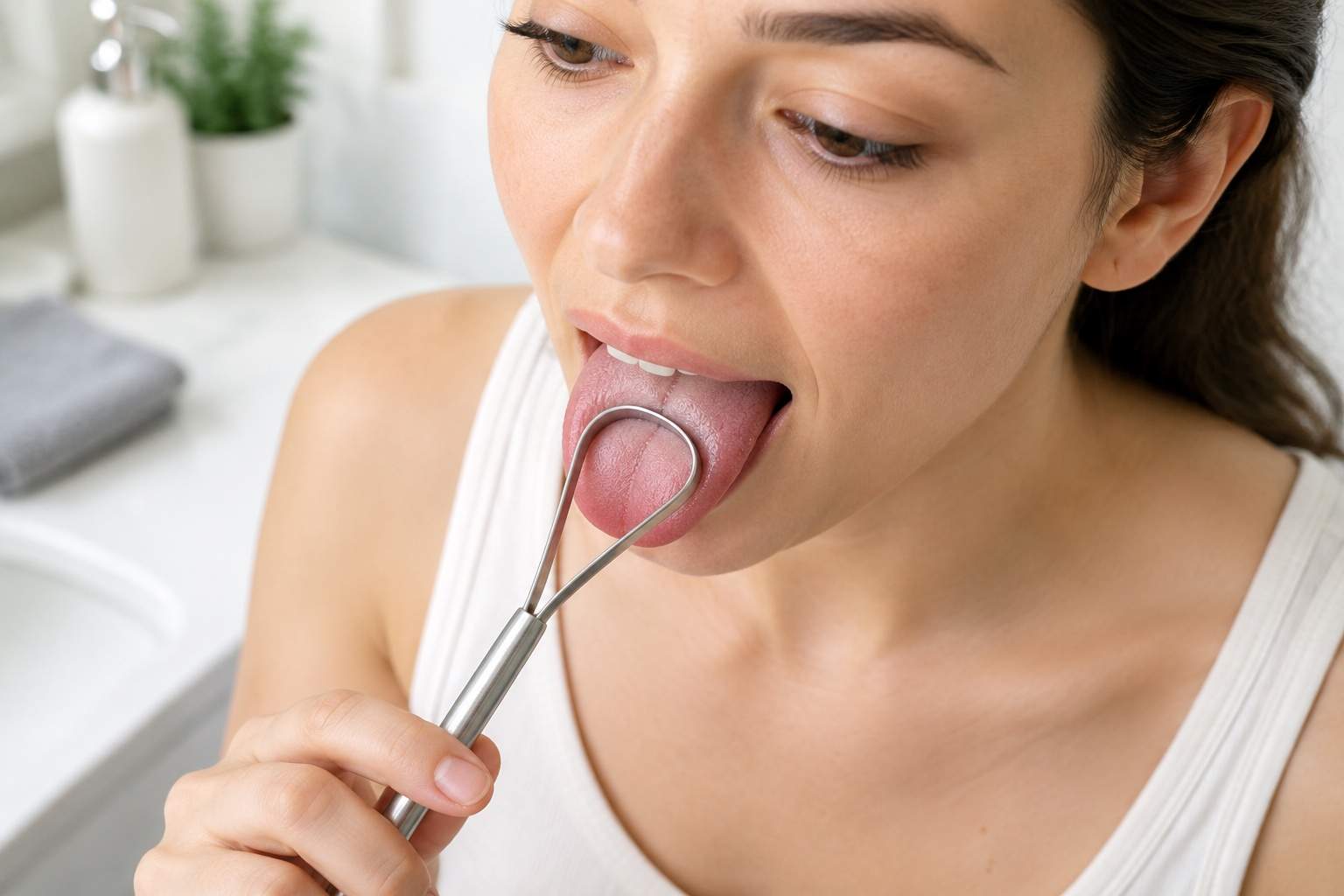
Consider the tongue. Often neglected, its rough surface is a perfect breeding ground for bacteria and food debris. While a quick brush might skim the surface, a specialized tongue scraper is designed to gently yet effectively remove this biofilm. Studies have shown that tongue scraping can reduce VSC levels by up to 75%, a figure significantly higher than brushing alone, as detailed in a study in the Journal of Periodontology. This simple addition to your routine can be a game-changer for morning breath remedy and general freshness.
The Double-Edged Sword of Mouthwash
Many turn to mouthwash for a quick fix, seeking that invigorating minty blast. However, many popular alcohol-based mouthwashes can paradoxically exacerbate the problem. Alcohol dries out the mouth, reducing saliva flow. Saliva is your body's natural defense against bad breath, helping to wash away food particles and neutralize acids. A dry mouth creates an even more favorable environment for anaerobic, odor-producing bacteria to flourish. Opting for alcohol-free, antibacterial mouthwashes, or those containing natural antimicrobials, can be a more thoughtful approach to your bad breath solutions.
Your Mouth's Ecosystem: More Than Just Teeth and Gums
Your oral cavity isn't an isolated island; it's intricately connected to your overall health. Understanding this connection is key to a holistic bad breath cure.
Diet and Digestion: The Gut-Breath Connection
What you eat and how your body processes it can significantly impact your breath. Foods high in sulfur compounds, like garlic and onions, can be absorbed into the bloodstream and then exhaled through the lungs. Beyond specific foods, compromised gut health, such as issues with digestion or an imbalance in the gut microbiome, can also manifest as halitosis. Conditions like acid reflux (GERD) or H. pylori infection in the stomach can lead to unpleasant odors emanating from the digestive tract, which then make their way up to the mouth. This systemic link often goes unnoticed, despite its profound effect on chronic halitosis causes.
Dry Mouth: A Silent Contributor
Beyond alcohol-based mouthwashes, other factors can lead to xerostomia (dry mouth). Certain medications (antihistamines, decongestants, antidepressants), mouth breathing, and even some medical conditions can reduce saliva production. As mentioned, less saliva means less natural cleansing and a proliferation of odor-causing bacteria. Ensuring adequate hydration and discussing medication side effects with your doctor can be crucial steps in your fresh breath journey.
When Fresh Breath Isn't Enough: Systemic Links to Oral Health
Sometimes, persistent halitosis points to underlying health issues that extend beyond the mouth itself. Recognizing these connections is vital for a comprehensive bad breath solution.
Respiratory and Systemic Conditions
Chronic sinus infections, tonsil stones, or even conditions like diabetes, kidney disease, or liver dysfunction can produce distinct odors on the breath. For instance, uncontrolled diabetes can lead to a sweet, fruity odor (ketoacidosis), while severe kidney failure might result in a fishy or ammonia-like smell. These instances, though less common, underscore the importance of consulting a healthcare professional if oral hygiene efforts yield no improvement, helping to pinpoint the true halitosis causes.
Stress and Lifestyle Factors
Even stress can play a role. When stressed, our bodies can produce less saliva, leading to a drier mouth. Smoking is another significant contributor, not only by drying the mouth but also by increasing volatile compounds and making the oral environment more susceptible to bacterial growth and gum disease. Addressing these lifestyle factors is an integral part of any lasting bad breath cure.
A Holistic Path to Lasting Freshness: Your Halitosis Solution
Reclaiming fresh breath and social confidence requires a more holistic, investigative approach. It's about moving beyond simply masking the problem and instead addressing its root causes.
Reclaiming Confidence: Practical Steps for Morning Breath and Beyond
Embrace the Tongue Scraper: Make tongue cleaning a daily ritual. Gently scrape from back to front 5-10 times, rinsing the scraper between passes. This simple act drastically reduces the bacterial load.
Hydrate, Hydrate, Hydrate: Drink plenty of water throughout the day. This helps maintain saliva flow, naturally washing away food particles and bacteria.
Rethink Your Mouthwash: Switch to an alcohol-free, antimicrobial mouthwash. Better yet, consider natural rinses like warm salt water or diluted tea tree oil solution for their antiseptic properties.
Optimize Your Diet: Reduce intake of sugary foods, which feed odor-producing bacteria. Incorporate more fibrous fruits and vegetables, which act as natural tooth and tongue cleaners. Consider introducing oral probiotics to help balance your oral microbiome.
Professional Check-ups: Regular dental visits are crucial. Your dentist can identify underlying oral issues like gum disease, cavities, or tonsil stones. If oral causes are ruled out, they can refer you to a physician to investigate systemic conditions.
Address Underlying Health Issues: If dry mouth is a side effect of medication, discuss alternatives with your doctor. If you suspect gut issues or other systemic conditions, seek medical evaluation.
This journey towards lasting fresh breath is one of self-discovery and empowerment. It’s about understanding that your oral health is a window into your overall well-being. By patiently and thoroughly investigating the less obvious contributors, you can move beyond the temporary minty mask and genuinely reclaim your confidence, allowing your true self to shine in every conversation.