You've just meticulously brushed your teeth, perhaps even followed up with a swish of mouthwash, yet a subtle, persistent doubt lingers. That fleeting moment of minty freshness quickly gives way to a nagging uncertainty, prompting a subconscious check or a hesitation in close conversations. It's a frustrating paradox: despite diligent daily oral hygiene, an unidentifiable unpleasant breath odor persists, leading to social anxiety, self-consciousness, and a sense of defeat against seemingly ineffective solutions.
E.g. :The Minty Illusion: Why Your Scrupulous Oral Routine Might Be Fueling Persistent Bad Breath
- 1、Understanding the Science of Halitosis: More Than Just Your Mouth
- 2、The Oral Culprits: Where Brushing Falls Short
- 3、The Gut-Breath Connection: A Deeper Dive into Systemic Causes
- 4、Lifestyle Factors: Habits That Unknowingly Sabotage Your Freshness
- 5、Challenging the Minty Mask: Why Mouthwash Isn't a Cure
- 6、Reclaiming Your Confidence: A Holistic Approach to Lasting Fresh Breath
- 7、FAQs
If brushing and flossing are heralded as the cornerstones of oral health, why does bad breath, scientifically known as halitosis, so often linger? Is that ubiquitous minty mouthwash actually solving the problem, or merely applying a temporary fragrant veneer? What if the foods you consider benign are actually fermenting a breath problem hours later, far beyond the reach of your toothbrush? As a dental health specialist with a background spanning biology and preventive medicine, I invite you to delve deeper into the intricate biological landscape that dictates your breath, revealing why fresh breath is often more complex than a quick brush and rinse.
Understanding the Science of Halitosis: More Than Just Your Mouth
Halitosis is more than just a social inconvenience; it's a sign that something in your body's delicate balance is off-kilter. The vast majority of cases, estimated by the American Dental Association to be around 85%, originate within the oral cavity itself. Here, specific anaerobic bacteria thrive in oxygen-poor environments, breaking down proteins and releasing Volatile Sulfur Compounds (VSCs) – chemical culprits like hydrogen sulfide and methyl mercaptan – which are the primary constituents of unpleasant breath. However, a significant minority of cases point to systemic issues, signaling that your breath can be a surprising barometer of overall health.
The Oral Culprits: Where Brushing Falls Short
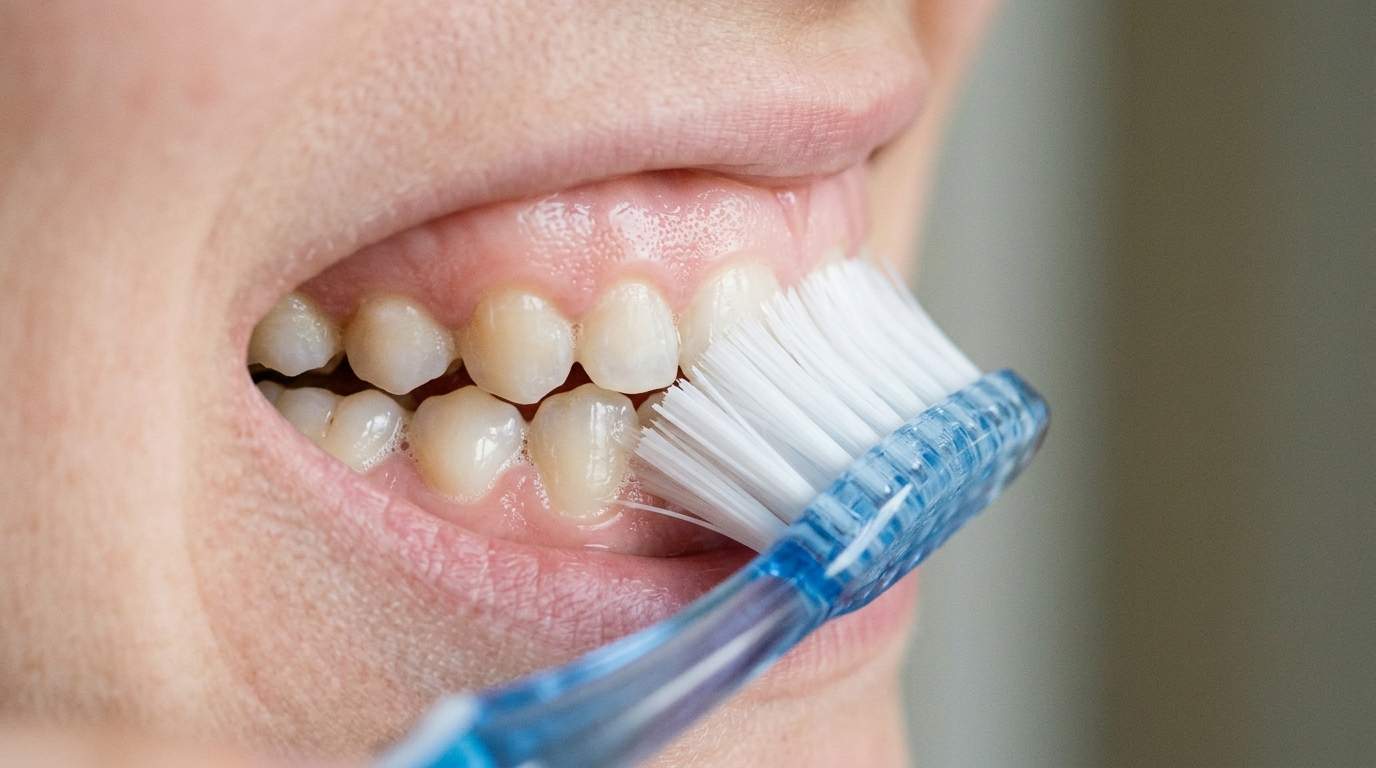
Even the most thorough brushing routine can miss critical areas where odor-producing bacteria flourish. It's a common misconception that simply scrubbing your teeth is enough.

The Neglected Nook: Tongue Bacteria and Biofilm
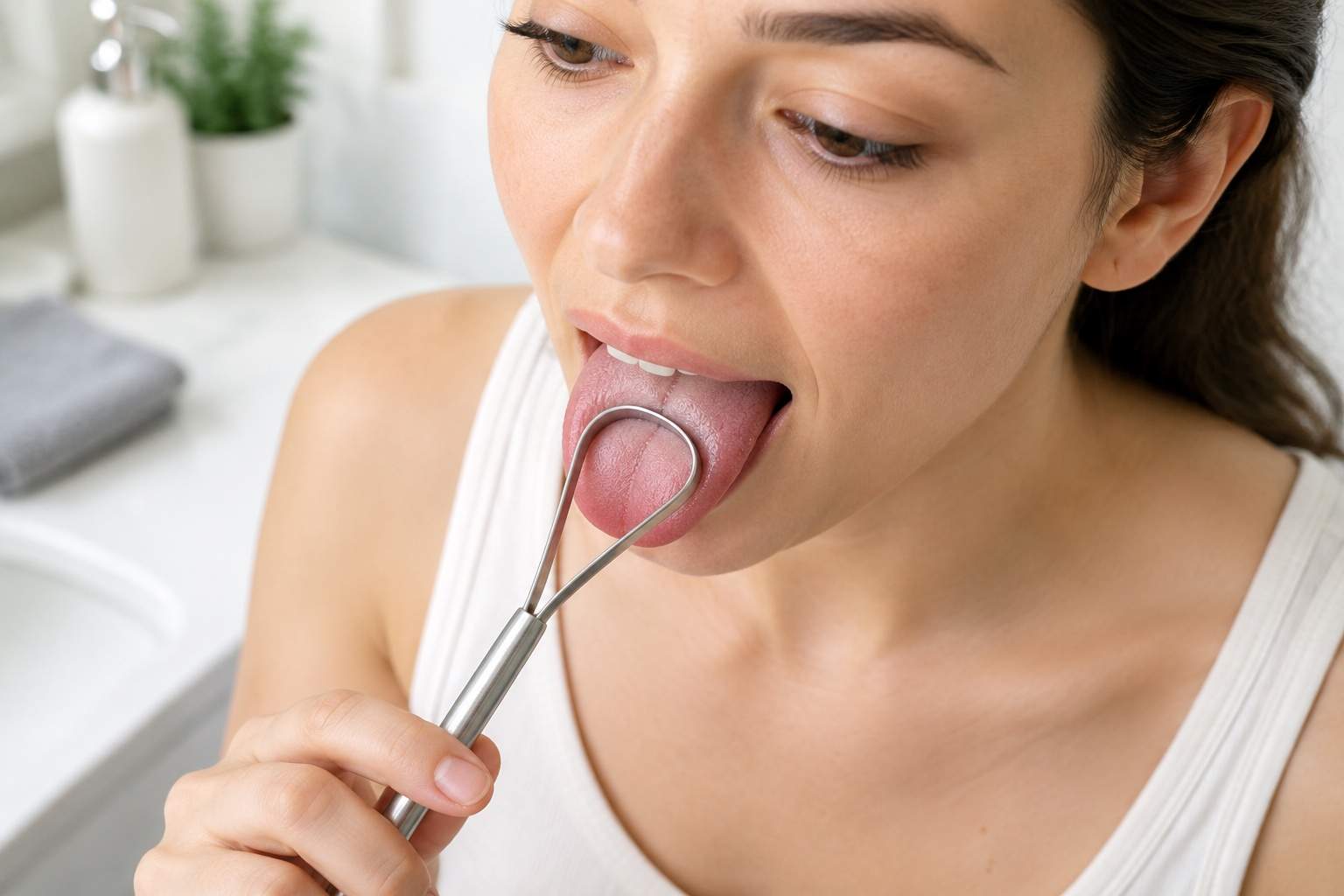
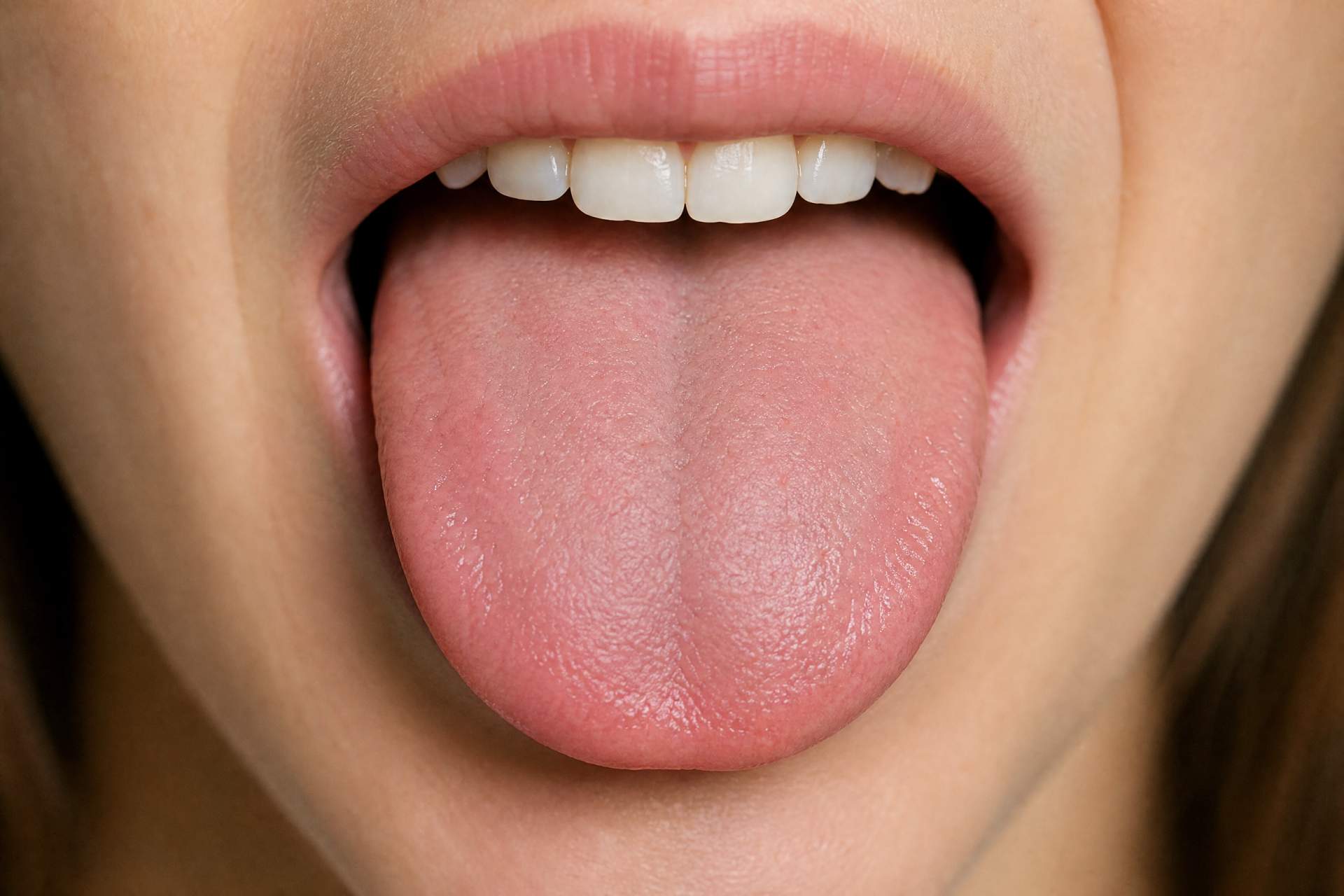
Think of your tongue as a plush, textured carpet – an ideal breeding ground for bacteria, food debris, and dead cells to accumulate and form a tenacious biofilm. Studies, including those published in the Journal of Clinical Periodontology, consistently highlight the dorsal surface of the tongue as a major reservoir for VSC-producing bacteria. Brushing your teeth alone bypasses this microbial haven. Without active cleaning, this bacterial layer continues its metabolic activities, releasing odorants that counteract your diligent dental efforts.
Beyond the Brush: Gum Disease and Dental Issues
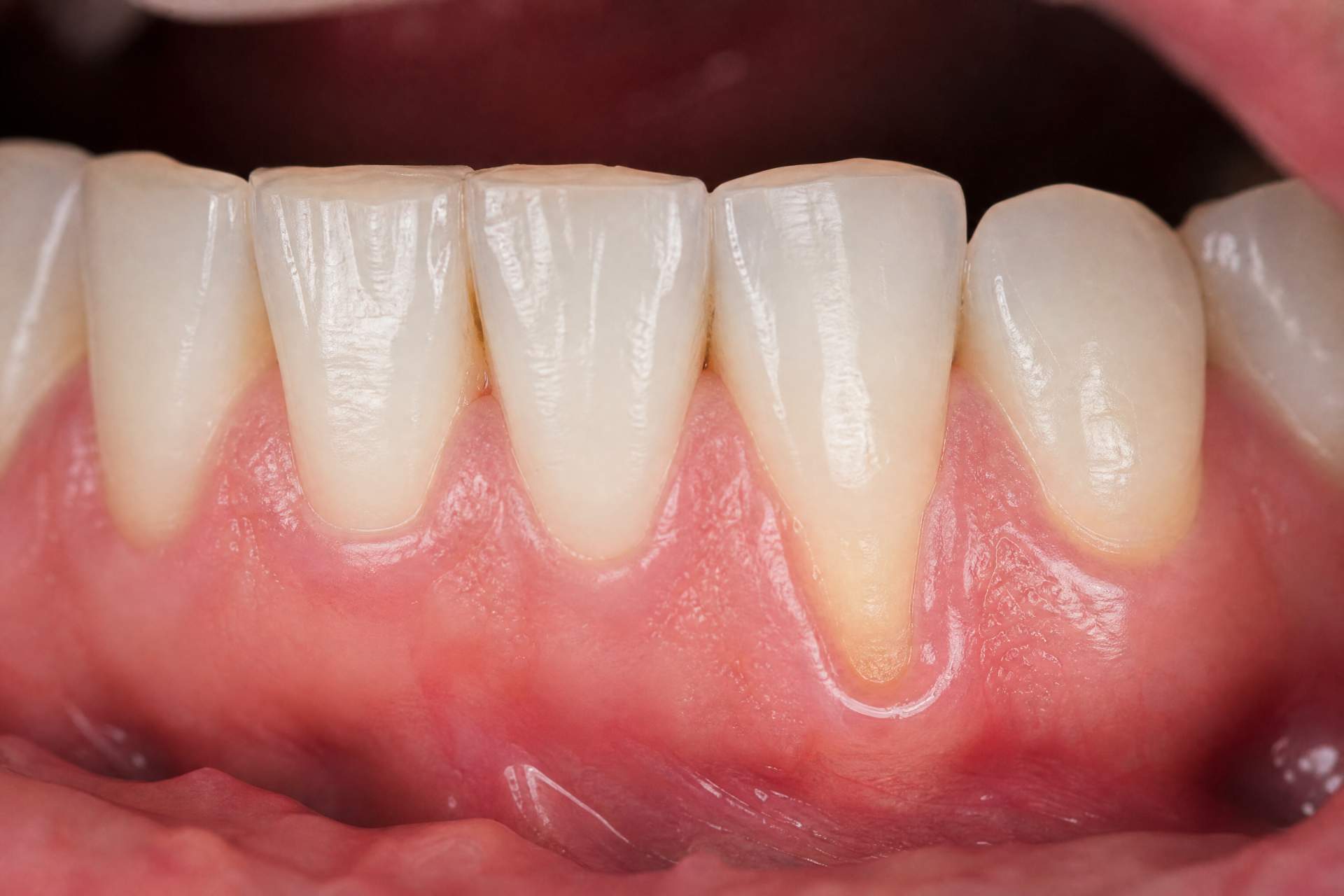
While often silent in its early stages, gum disease (gingivitis and periodontitis) is a significant contributor to persistent bad breath. As bacteria colonize below the gum line, they create pockets of inflammation and infection, intensifying the production of VSCs. Furthermore, untreated dental caries (cavities), old fillings with leaky margins, or even ill-fitting dental appliances can trap food particles and provide anaerobic sanctuaries for odor-causing microbes, making fresh breath an uphill battle until these underlying issues are addressed by a dental professional.
The Gut-Breath Connection: A Deeper Dive into Systemic Causes
Sometimes, the source of bad breath isn't in your mouth at all, but rather in the intricate workings of your digestive system or other bodily processes.
Digestive Disruptions and Their Olfactory Echoes
Your gut microbiome plays a crucial role in overall health, and its imbalances can manifest in surprising ways, including your breath. Conditions like gastroesophageal reflux disease (GERD), where stomach acids and partially digested food particles can reflux into the esophagus and even the back of the throat, often carry a distinctive sour odor. Similarly, certain digestive disorders, malabsorption issues, or even chronic constipation can lead to the build-up of fermentation byproducts that enter the bloodstream and are eventually expelled through the lungs. Imagine "David," who meticulously brushed but couldn't shake a sour taste; a visit to his doctor revealed undiagnosed GERD, and treating it significantly improved his breath.
The Silent Influence of Your Microbiome
Beyond the mouth and gut, other systemic conditions can influence breath odor. Diabetes, for instance, can lead to a sweet, fruity odor (diabetic ketoacidosis) if blood sugar is poorly controlled. Kidney failure may cause breath to smell like ammonia, while liver disease can produce a musty or sweet-and-sour odor. Even certain medications can reduce saliva flow, creating a dry mouth environment (xerostomia) that allows odor-causing bacteria to proliferate unchecked. These instances underscore that your breath can be a powerful, albeit often overlooked, diagnostic indicator.
Lifestyle Factors: Habits That Unknowingly Sabotage Your Freshness
Our daily habits, often considered benign, can inadvertently contribute to persistent bad breath. Diet, for example, extends far beyond the immediate pungency of garlic and onions. Foods high in protein or those that stick to teeth can fuel bacterial growth. Conversely, a diet rich in fermentable carbohydrates without adequate oral hygiene creates an acidic environment conducive to bacterial proliferation. Chronic dehydration also reduces saliva flow, removing nature's primary defense against oral bacteria. Even stress and anxiety can impact salivary glands, further exacerbating dry mouth conditions.
Challenging the Minty Mask: Why Mouthwash Isn't a Cure
Here's where we challenge a common consensus: most over-the-counter mouthwashes, especially those high in alcohol, are not a permanent solution for bad breath. While they offer a burst of freshness, they often merely mask the odor temporarily. The alcohol can actually dry out the mouth, paradoxically worsening the problem in the long run by reducing natural saliva flow. True solutions require addressing the root cause, not just camouflaging the symptom. Look for alcohol-free mouthwashes with antimicrobial ingredients like chlorhexidine (for short-term use under professional guidance) or essential oils, but remember, they are an adjunct, not a standalone cure.
Reclaiming Your Confidence: A Holistic Approach to Lasting Fresh Breath
Achieving lasting fresh breath requires a holistic, integrated approach, moving beyond the superficial.
- Optimize Oral Hygiene: Beyond brushing and flossing, incorporate daily tongue cleaning with a dedicated tongue scraper. Consider interdental brushes for wider gaps.
- Hydration is Key: Drink plenty of water throughout the day to stimulate saliva flow.
- Dietary Awareness: Limit sugary and highly processed foods. Be mindful of strong-smelling foods, and ensure you clean your mouth thoroughly afterward.
- Regular Dental Check-ups: Visit your dentist bi-annually for professional cleaning and to address any underlying dental issues like cavities or gum disease.
- Address Systemic Issues: If oral causes are ruled out, consult your doctor to investigate potential gastrointestinal, respiratory, or other systemic conditions.
Your breath is a sophisticated biological signal. By understanding the intricate interplay of oral hygiene, systemic health, and lifestyle, you can move beyond the fleeting minty mask and achieve true, lasting freshness – reclaiming your confidence in every conversation.